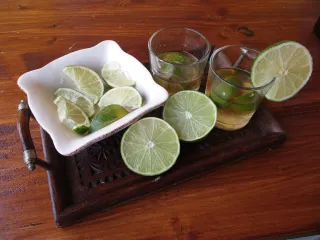
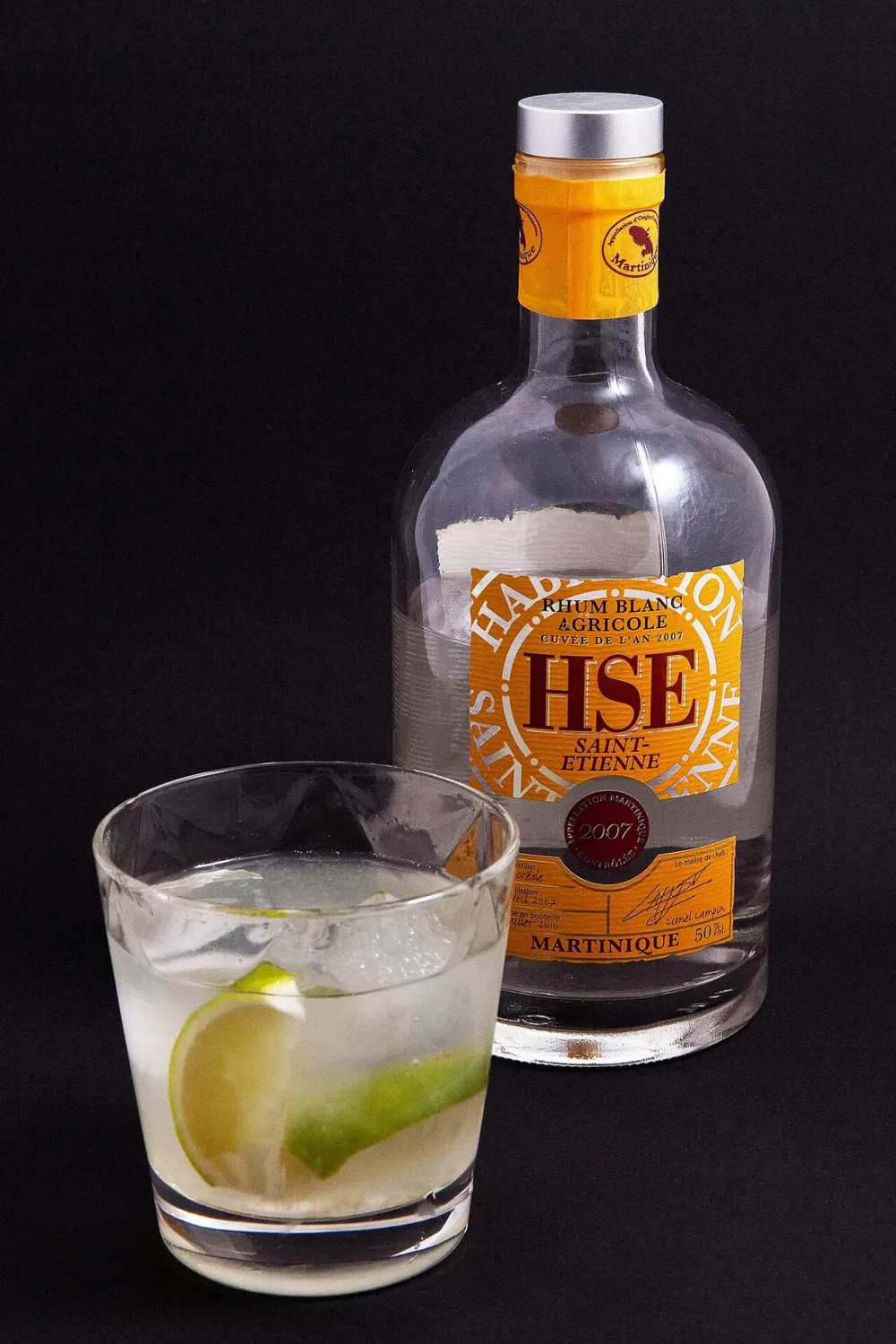
If you had to keep just one image of Martinican conviviality, it would be this one: a small thick glass, a bottle of white rum set in the middle of the table, a cut lime and a jar of cane syrup. No one serves anyone else. Each person mixes their own dose. Here, the ti-punch is not a cocktail you order: it is a gesture you perform yourself, according to your mood and your palate. Understanding this ritual means stepping into Creole culture before you’ve even tasted the first sip.
In this guide, we explain how to prepare a real ti-punch, how to measure it, which white agricole rum to choose, and above all which social codes to know so you don’t come across as a rushed tourist.
What is a ti-punch, really?
The word comes from the Creole “ti” (small) attached to the word “punch.” So it literally means a “little punch.” But don’t be fooled by the diminutive: it’s a short, dry aperitif, very lightly diluted, that favours the character of the rum rather than sugar or ice.
The ti-punch rests on three ingredients and three only:
- Martinican white agricole rum (AOC);
- cane syrup (or a little cane sugar);
- a piece of lime (the famous “lime,” locally called “ti-citron”).
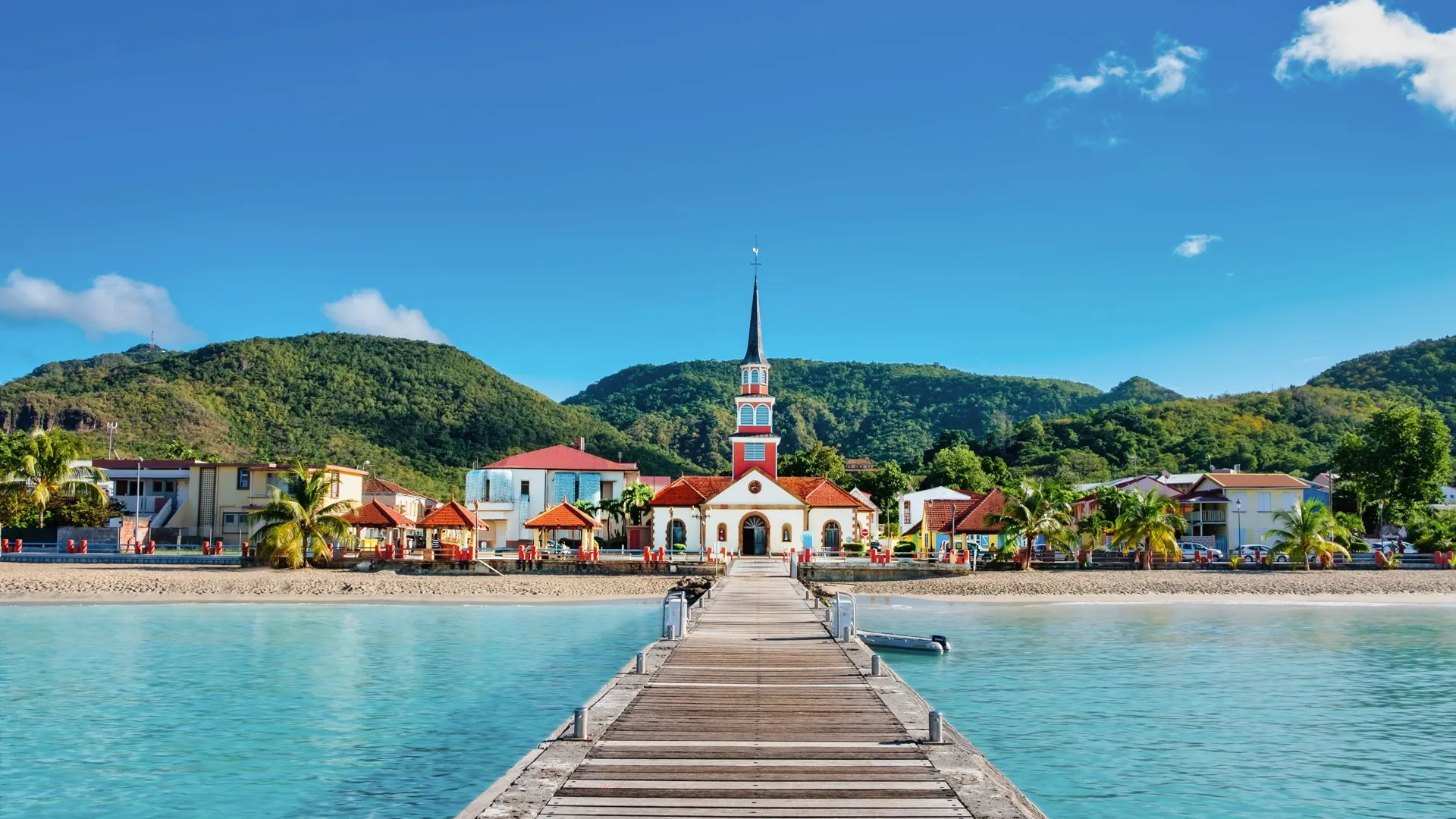
No pressed juice in quantity, no crushed ice mojito-style, no mint. Sobriety is part of the drink’s identity. In Martinique, a French overseas department and region (DROM) in the Antilles arc, the ti-punch accompanies late afternoons on the terrace, returns from the beach and Sunday family meals.
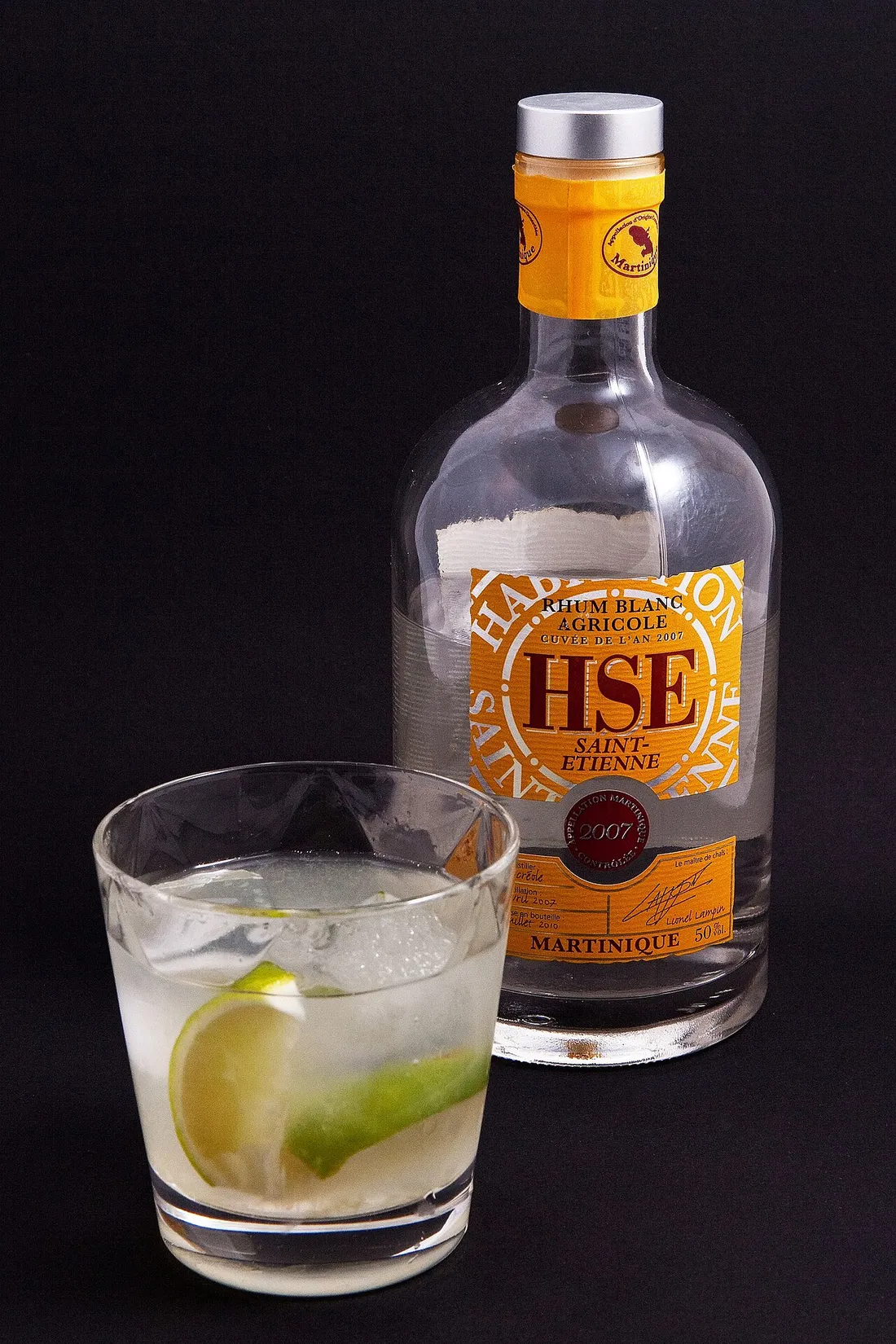
The ritual: “everyone makes their own”
This is the point that surprises visitors the most. When a Martinican offers you a ti-punch at their home, they don’t hand it to you ready-made. They set the ingredients in front of you and say: “Sèvi’w” (serve yourself). The cultural implication: only the person who drinks knows exactly the dose that suits them.
This autonomy is a mark of respect, not a lack of hospitality. Refusing to serve yourself, or asking the host to “do it for you,” can even be perceived as a small misunderstanding. Serve yourself, adjust, and above all: toast. The “tchin” is done while looking each other in the eyes.
The steps, in order
The order matters. Here is the local sequence, as it is really practised:
- Put the cane syrup at the bottom of the glass (1 to 2 teaspoons depending on taste).
- Squeeze or rub a lime wedge over it, then let it drop into the glass — peel included, for the essential oils.
- Pour the white rum (4 to 6 cl) on top.
- Stir gently with the stick (the “lélé”) or a spoon.
- Drink without ice, at room temperature, in two or three sips.
Sometimes a single ice cube is added, never a mountain. Diluting to excess is betraying the product.
The dosage: the “1-2-3” rule revisited
Many guides recite a “1 sugar, 2 lime, 3 rum” rule. In Martinican reality, it’s more flexible and far drier. Here are concrete benchmarks for an individual glass:
- Cane syrup: 1 teaspoon (purists add barely any);
- Lime: 1 small wedge, just rubbed, not drowned;
- White agricole rum: 4 to 5 cl, the equivalent of a generous splash.
The local ti-punch is deliberately low in sugar and acidity: the aim is to showcase the rum, not to mask it. A local saying sums up the spirit well: “Everyone prepares their own death” — a vivid way of saying that the intensity concerns only the one who drinks.
With or without ice?
Traditionally, the ti-punch is drunk dry, without ice. The “on the rocks” version or one stretched with sparkling water exists (then it’s rather called “ti-punch au frais”), but it is considered a variant, not the reference. It’s up to you: at 30°C in the shade, an ice cube won’t hurt anyone.
Choosing your AOC white agricole rum well
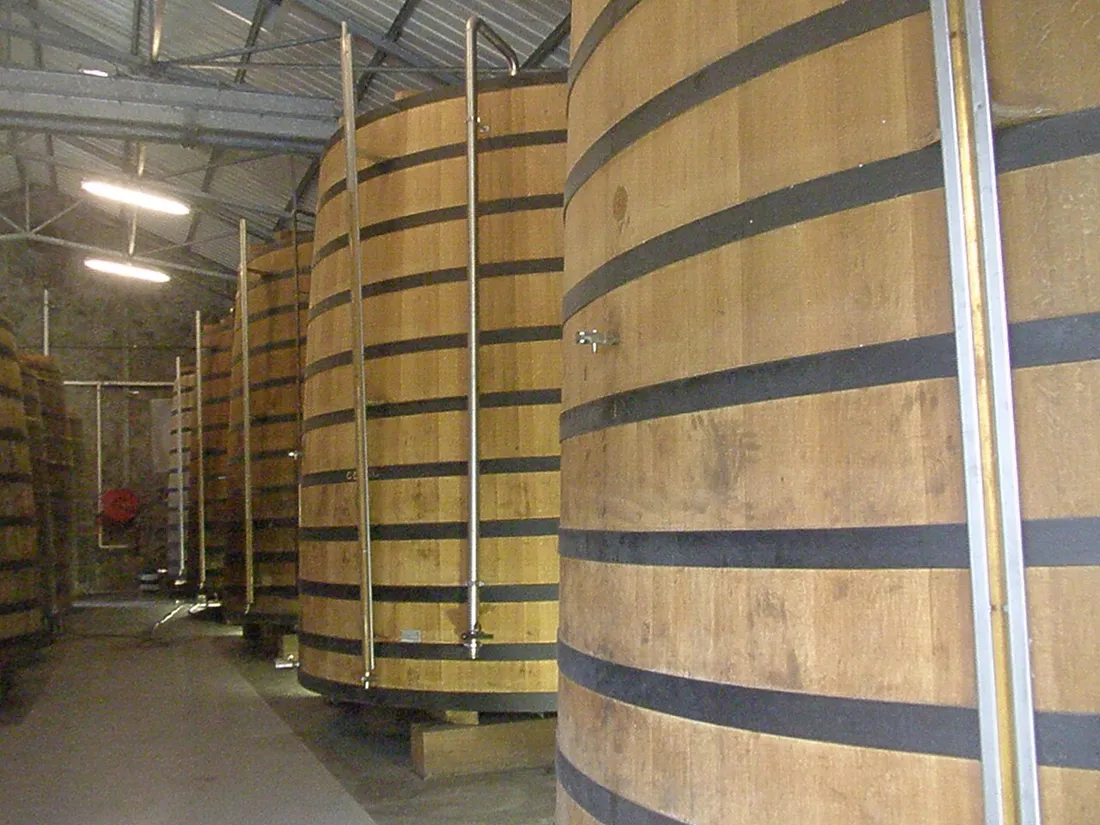
This is where Martinique stands apart from the rest of the world. Agricole rum is made from pure freshly crushed cane juice (the “vesou”), and not from molasses like most industrial rums. Since 1996, the island has benefited from an AOC Martinique that strictly regulates production: it is the only controlled designation of origin for a rum in the world.
For a successful ti-punch, choose a white agricole rum between 50 and 55°, young and aromatic. Here are a few emblematic distilleries you’ll come across on the famous Route des Rhums:
- Clément (Le François) — estate and habitation to visit;
- Depaz (Saint-Pierre) — at the foot of Mount Pelée;
- Saint-James (Sainte-Marie) — renowned rum museum;
- La Mauny and Trois-Rivières (South) — safe bets for the ti-punch.
Expect around 18 to 30 € for a bottle of 50° white agricole rum in a local supermarket, often cheaper than in mainland France. Distillery visits are frequently free or around 5 to 12 € with a tasting. Allow for half a day and a sober driver: a car is strongly recommended to connect the estates, often 20 to 60 minutes of road apart.