Unpacking your bags in Martinique with children is about far more than swapping your scenery for beaches and trade winds. It means reorganising an entire family life: finding suitable housing, enrolling the children in a good school, understanding the cost of island living, handling a transatlantic move and adjusting to a different rhythm. Martinique is still a French department, which makes the administrative side vastly simpler than moving to a foreign country, yet the island keeps its own specificities: a sharply contrasted geography between North and South, a tight property market, the price of imported goods, and a hurricane season that shapes the year. This guide walks through, section by section, everything worth anticipating so that the whole family’s arrival goes as smoothly as possible.
Choosing your town and neighbourhood
Martinique is broadly divided into three main zones, each with its own advantages and constraints for a family.
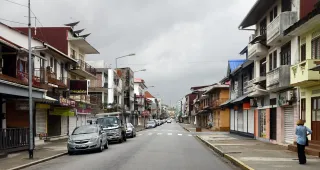
The centre (the Fort-de-France conurbation) concentrates most of the jobs, government offices, hospitals and schools. Fort-de-France, Le Lamentin (home to Aimé Césaire airport) and Schoelcher form the economic heart. Schoelcher, which hosts the Université des Antilles, is popular with families and professionals for its residential feel and its proximity to the capital. The downside: heavy traffic at peak hours, especially on the Lamentin-Fort-de-France corridor.
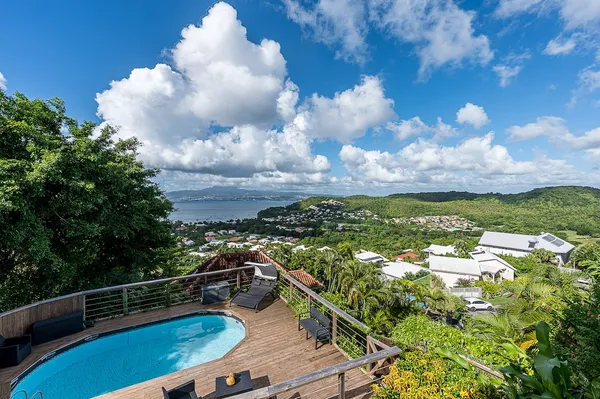
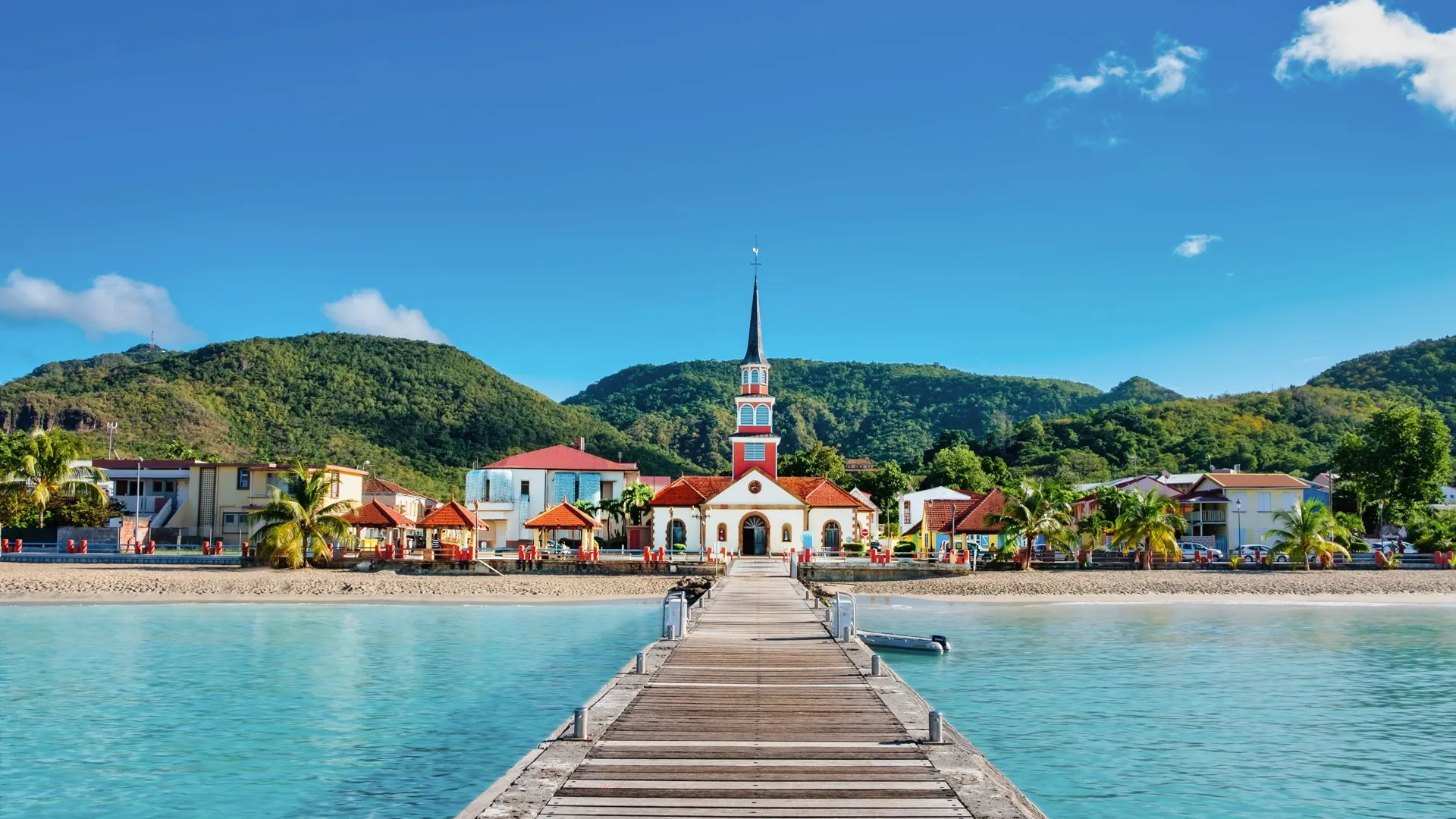
The South (Le Diamant, Sainte-Anne, Sainte-Luce, Le Marin, Les Trois-Îlets, Rivière-Pilote) is the most touristy and the sunniest area, home to the island’s iconic beaches. Quality of life is excellent, but property prices are often higher and some towns sit far from the employment hubs in the centre. Ideal if you work remotely or in tourism.
The North (Le Morne-Rouge, Saint-Pierre, Le Carbet, La Trinité, Le Lorrain) is greener, wetter, more authentic and generally more affordable. Nature is spectacular there (Montagne Pelée, forests, rivers), but services and schools are more scattered and journeys to the centre take longer.
Criteria to weigh up as a family
- Real home-to-work commuting time, factoring in traffic jams rather than just distance.
- Proximity to a nursery, a primary school, a middle school or a high school depending on your children’s ages.
- Access to shops, a health centre and a pharmacy.
- Exposure to hazards (flood-prone areas, proximity to ravines, exposure to swell).
- Quality of the internet connection if you work from home.
Enrolling your children in school
Good news: the school system is the same as in mainland France. Martinique falls under the académie de Martinique, the curricula are national and the qualifications identical. You can therefore send your children to state schools free of charge, based on the catchment area tied to your address, or opt for a state-contracted private school, of which the island has plenty.
A few practical points to anticipate:
- Enrolment: contact the town hall of your future commune for nursery and primary school; middle and high schools come under the education authority and its catchment system. Prepare the transfer paperwork from the previous school and the certificate of enrolment.
- Calendar: the académie de Martinique follows its own holiday calendar, sometimes out of step with mainland zones. Check it before locking in your moving dates.
- Languages and culture: Creole is part of everyday life, and children pick it up quickly. English and Spanish are valued given how close the rest of the Caribbean is.
- School canteen and transport: arrangements vary from one commune to another; ask early, as deadlines for registering for school transport can be tight.
For higher education, the Université des Antilles (Schoelcher campus) offers several degree programmes, which spares older children an immediate departure for mainland France.
Finding a home: renting, buying and interim accommodation
The Martinique property market is tight, especially for family rentals in the sought-after towns of the centre and the South. Good properties go fast and demand often outstrips supply.
A few realities to bear in mind:
- Rents, as a rough guide, fall within ranges close to those of a mid-sized mainland French city, with significant variation depending on the commune and whether there is a sea view.
- A strong application (stable income, guarantees) is a real asset in a competitive market.
- Building and maintenance must account for the climate: humidity, salty air near the coast, and earthquake- and hurricane-resistant standards.
- Check for mosquito screens, good ventilation and, depending on the area, a water tank or some backup for the water cuts that can occur.
The temporary accommodation solution
Hunting for a home remotely, before you have seen the island, is risky. Most families who settle in successfully first arrive in temporary furnished accommodation, giving them time to visit neighbourhoods, meet landlords and enrol the children on the spot. This transition period, often a few weeks to a few months, avoids signing a lease in haste. You can browse our properties for this landing phase, and if you own a property you would like managed or put up for rent, discover our concierge service.
Organising the transatlantic move
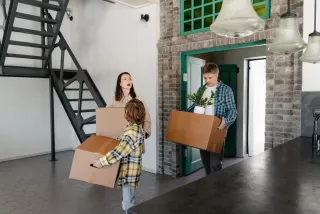
Shipping your belongings to Martinique requires planning ahead. Sea freight is the most common option for a full household move.
- Compare several quotes from movers specialising in the French overseas territories (groupage or dedicated container).
- Estimate the real volume: freight is billed by cubic metre and by weight, so decluttering before you ship really does bring the bill down.
- Allow several weeks of sea transport from mainland France, and build that into your calendar.
- Pack a survival bag (documents, clothes, children’s essentials) for the first few weeks without furniture.
- Check the transport insurance and the detailed inventory.
- Plan ahead for shipping a vehicle if you bring one, or budget for buying locally.
Should you ship your car?
Sending a vehicle by boat is possible but expensive and involves paperwork. Many families prefer to sell in mainland France and buy locally, where the second-hand market is active. A car remains all but essential: public transport exists but covers the island unevenly, and daily life with children is hard to organise without a vehicle.