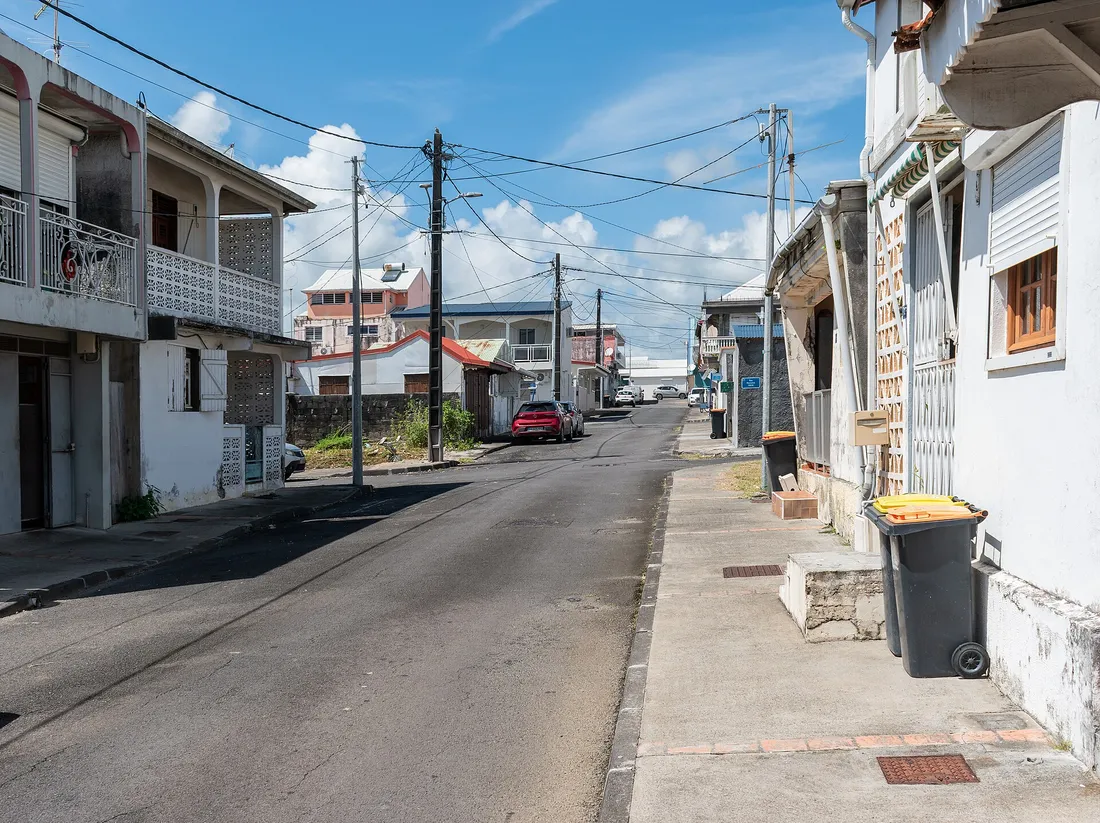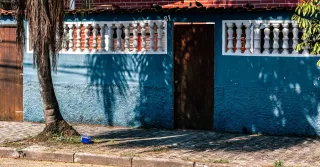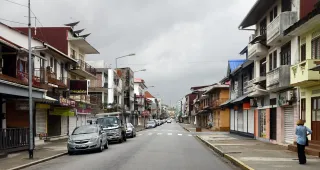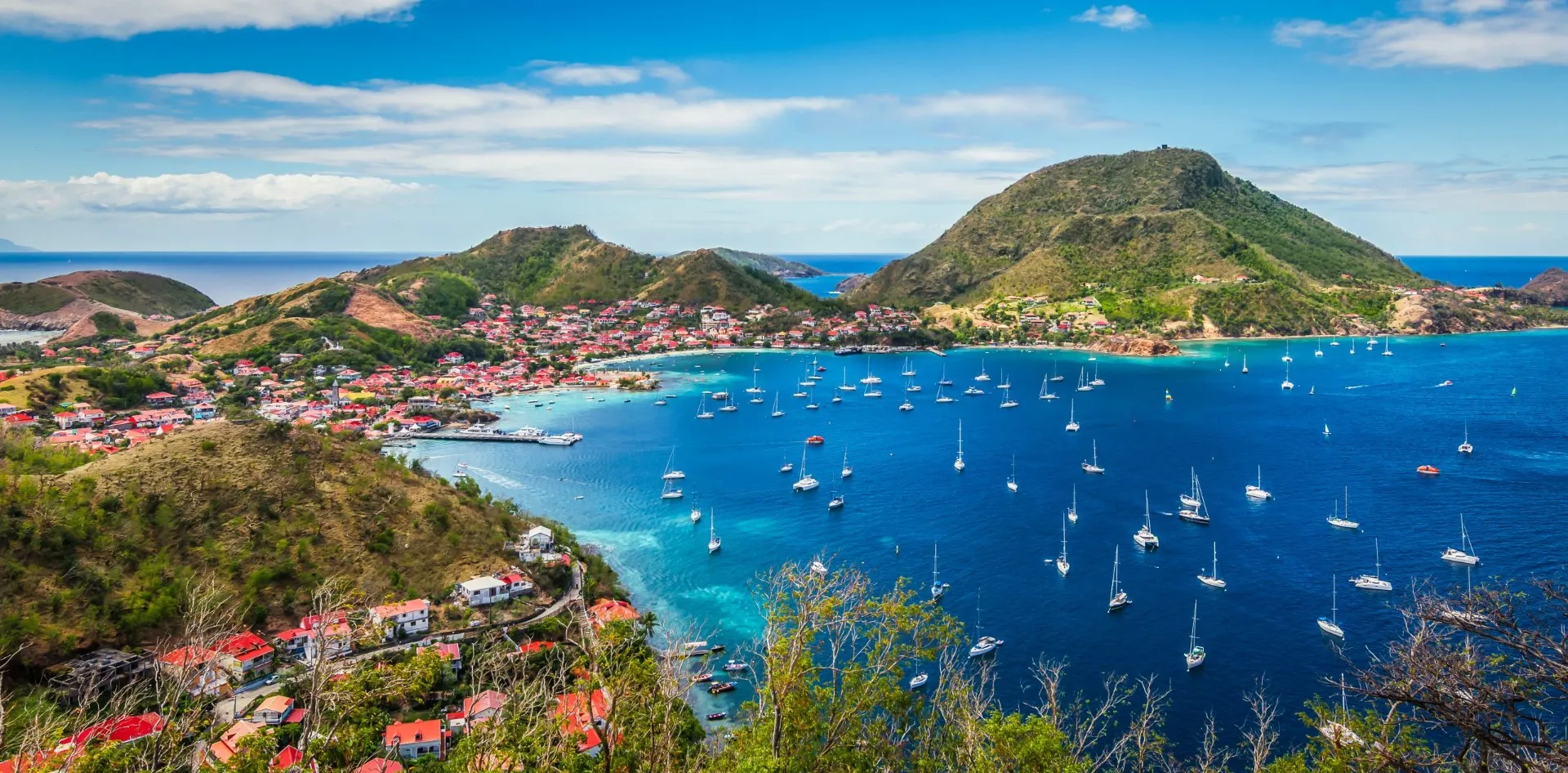

Changing your life and unpacking your bags in Guadeloupe with children isn’t just a move: it’s a complete reorganisation of daily life. A job transfer, a longing for sunshine and nature, a career change or a family reunion — the reasons are many. But between choosing a town, enrolling in school, house-hunting from a distance and shipping your belongings by container, settling in requires planning ahead. Guadeloupe is an archipelago: life is not the same in Pointe-à-Pitre, Saint-François or Basse-Terre, and those differences count double when you have children to enrol in school. This guide brings together concrete benchmarks and practical advice to prepare your arrival calmly, bearing in mind that every family situation is unique and that the figures quoted here are indicative only.
Understanding the geography of the archipelago before choosing
Guadeloupe is made up of several islands, the two main ones forming the “butterfly”: Grande-Terre to the east and Basse-Terre to the west, linked by bridges across the Rivière Salée. Then come the dependencies: Marie-Galante, Les Saintes, La Désirade. This layout is not just a detail on a map: it determines your living environment, your travel times and the services available around you.
Grande-Terre concentrates most of the economic and administrative activity around the urban area of Les Abymes, Pointe-à-Pitre and Baie-Mahault, home to the vast commercial and industrial zone of Jarry, the archipelago’s leading employment hub. It is also the most touristy part, with the southern beaches (Le Gosier, Sainte-Anne, Saint-François). Basse-Terre, more mountainous and greener, is home to the Soufrière volcano, the National Park and spectacular nature; the prefecture is located there, in the town of Basse-Terre, quieter and further from major services.
For a family, this geographical choice shapes everything else: proximity to primary school, middle school or high school, the home-to-work distance, access to the teaching hospital (CHU) and to shops. Take the time to settle it before you even start looking for housing.

Choosing your town according to your family plans
There is no “best” town in absolute terms: there is the one that matches your job, your children’s ages and your budget. Here are the main profiles.
- Baie-Mahault: the economic heart with Jarry, practical if you work in the private sector, well served by roads, but more urban and sometimes congested at peak times.
- Le Gosier: a residential seaside town in southern Grande-Terre, popular with families, close to Pointe-à-Pitre, with beaches and services, but with some of the highest rents.
- Les Abymes and Pointe-à-Pitre: very close to major services (CHU, administrative offices), denser and more working-class, with widely varied neighbourhoods.
- Sainte-Anne and Saint-François: a pleasant seaside setting to the east, appreciated for quality of life, but further from the main employment and healthcare hubs.
- Petit-Bourg, Lamentin, Sainte-Rose (northern Basse-Terre): a good compromise between nature and proximity to Jarry, often more affordable, with quieter neighbourhood life.
- Basse-Terre, Saint-Claude, Gourbeyre: on the prefecture side, greener and calmer, well suited if your job or posting is located there.
One concrete tip: start from your workplace (or your planned posting) and think in terms of actual travel time at peak hours, not kilometres. The routes around Pointe-à-Pitre and Jarry can be very busy in the morning and late afternoon.
Enrolling your children in school: timeline and procedures
Guadeloupe falls under the Académie de Guadeloupe. The school system is the same as in mainland France: same curricula, same qualifications, from primary through to high school. Your children therefore continue their schooling without any break in their course, which reassures many families.
Primary level (nursery and elementary)
Enrolment in nursery and elementary school goes through the town hall of your commune of residence, which assigns you a school according to the catchment map, then through registration with the school’s head teacher. You will generally need proof of address, the family record book (livret de famille), vaccination certificates and the deregistration certificate from the previous school.
Secondary level (middle school and high school)
Middle school and high school come under the Académie and the rectorate, with placement based on your residential sector. If you arrive mid-year, contact the rectorate and the relevant school quickly: places, particularly in certain high school streams, can be limited.
Anticipating the sensitive points
- The calendar: the overseas school rhythm has some particularities (the holiday calendar differs in places from that of mainland France). Check the dates before fixing your moving date.
- Deregistration: request the deregistration certificate from the previous school before you leave; it is essential for the new enrolment.
- The file: gather report cards, the school medical file and any special arrangements (PAP, PPS) in advance to ensure continuity.
As a rough guide, it is best to start school procedures several weeks before arrival, especially if you are aiming for a September start when enrolments are busy.
Finding housing: renting, buying and searching from a distance
Housing is often the crux of the matter, all the more so as people frequently search from mainland France, sight unseen. Two main options are open to you.
Renting at first
This is the most prudent choice when you don’t yet know the archipelago. Renting first lets you try out a town before committing to a purchase, and discover real travel times and the atmosphere of neighbourhoods. Rents vary widely depending on the commune and proximity to the coast: the seaside areas of southern Grande-Terre and Le Gosier are among the most sought-after, hence pricier, while northern Basse-Terre and some inland communes offer gentler rates. These gaps are indicative and change with the season and the condition of the property.
Points to watch when renting:
- Be wary of listings that look too good and of deposit requests before any viewing: remote rental scams do exist.
- Where possible, favour a viewing (your own, that of a friend or relative on site, or a live video tour).
- Check the orientation, ventilation and presence of mosquito screens: the tropical climate changes everything day to day.
- Plan for the security deposit and the usual supporting documents (income, guarantor), as in mainland France.
Buying later
Many families choose to buy after an initial rental period, once the town has been “validated”. It is a project in its own right, with local specificities (earthquake- and cyclone-resistant building standards, exposure, sloping plots in Basse-Terre). Take your time, and don’t rush into it from mainland France.
The transitional solution: temporary accommodation
Between the day you arrive and the day your permanent home is ready (or while you are searching on site), short-term furnished accommodation is often the best bridge. It gives you time to visit without pressure, to wait for your container to arrive and to settle the children in gradually. That is precisely what we offer through our accommodation, designed for comfortable stays while you find your feet.