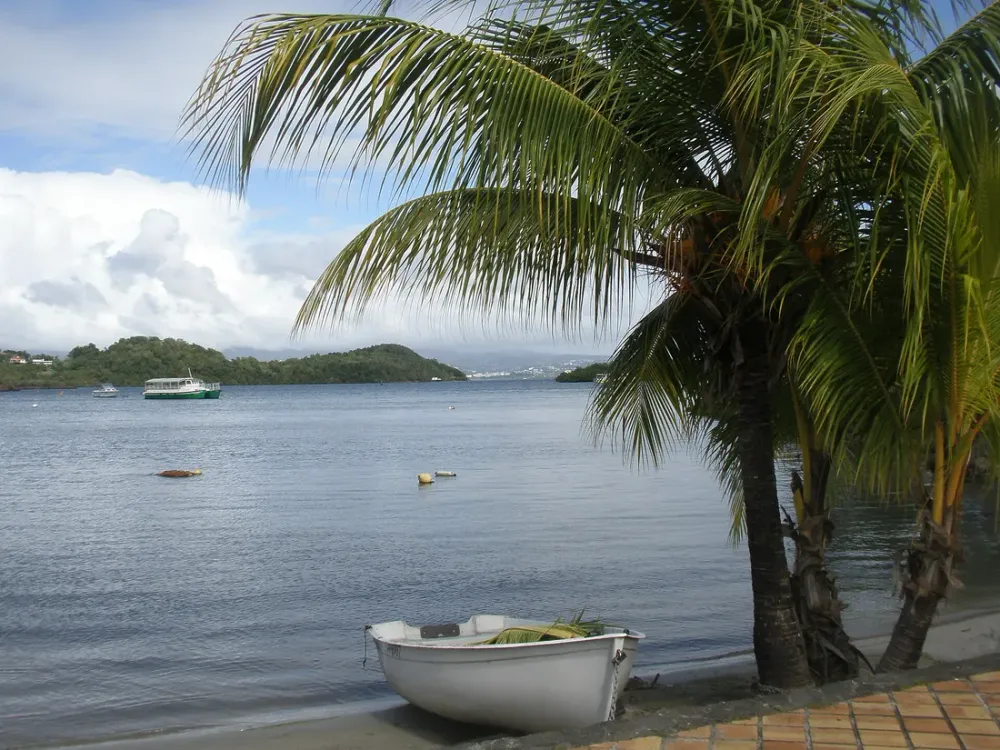
Are you preparing a job transfer, a life project or a long-term move to Martinique, with Les Trois-Îlets at the top of your list? You are right to ask concrete questions before packing your boxes. This town in the south of the island, located right across the bay from Fort-de-France, is one of the most sought-after places to settle: pleasant surroundings, a dynamic tourism economy, quick access to the prefecture by sea. But finding housing there takes method, especially when you arrive from mainland France without knowing the ground. Here is a factual guide to understanding the neighbourhoods, planning your budget, handling the administrative formalities and landing smoothly.
Where Les Trois-Îlets is located and why the town appeals
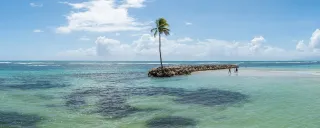
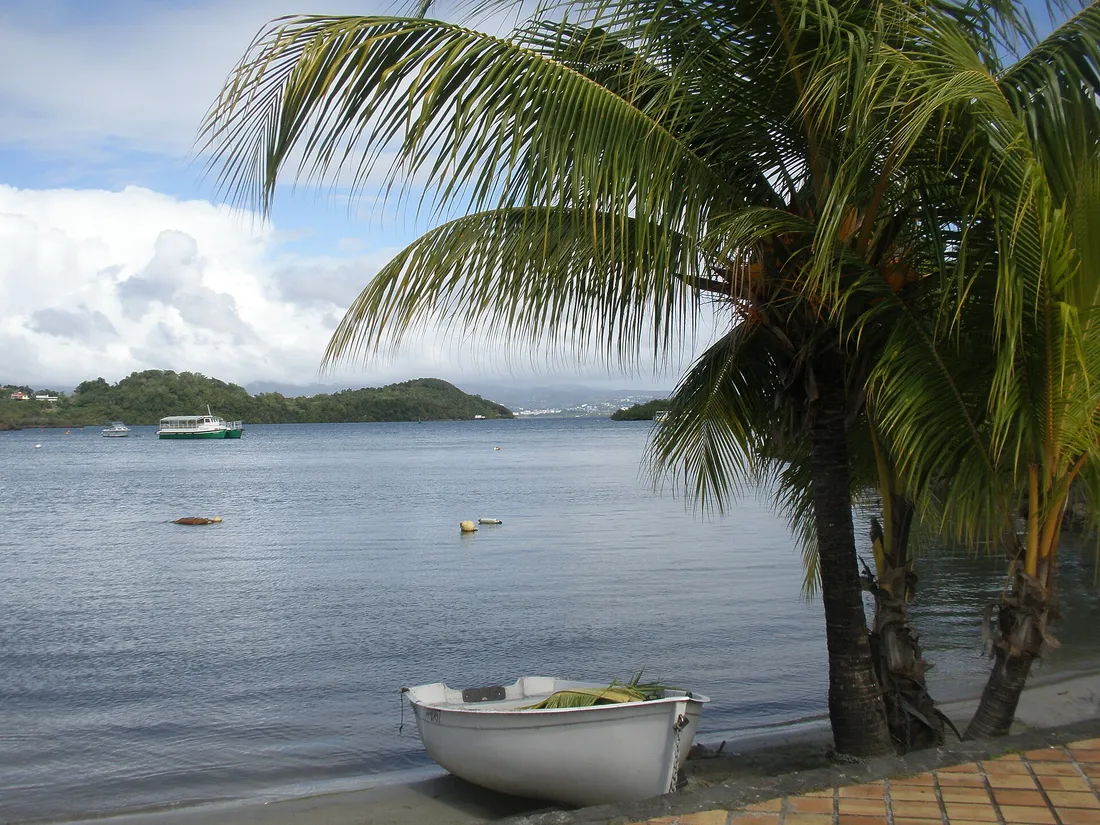
Les Trois-Îlets lies to the south of the bay of Fort-de-France, on the peninsula that closes the bay on its western side. The town takes its name from the three islets that dot its coastline. It is known worldwide as the birthplace of Joséphine de Beauharnais, the future empress, whose Pagerie estate now houses a museum.
What attracts newcomers is a rare combination of assets:
- A central position in the touristic south, halfway between Fort-de-France and the southern beaches (Sainte-Anne, Le Marin, Le Diamant).
- The sea shuttle (vedette) linking Pointe du Bout to Fort-de-France in about twenty minutes, avoiding the traffic jams on the road route.
- A well-developed range of services thanks to tourism: restaurants, shops, marina, water sports, golf.
- A living environment between sea and mornes, with accessible beaches and an active community life.
The flip side of this appeal is a tight housing market and some of the highest prices in the south of the island. You need to be aware of that from the outset.
Understanding the neighbourhoods of Les Trois-Îlets
The town is not just its touristic postcard. Each area has its own character and its own crowd. Choosing the right neighbourhood means avoiding unpleasant surprises once you have moved in.
La Pointe du Bout and Anse Mitan
This is the lively, touristic heart. Here you will find the marina, the hotels, the restaurants, the shops and the shuttle pier to Fort-de-France. Living here means enjoying a vibrant atmosphere and every service within walking distance. In return, seasonal crowds and property prices are the highest here. This area suits a first settling-in period well, when you want to be connected to everything without a car.
The town centre of Les Trois-Îlets
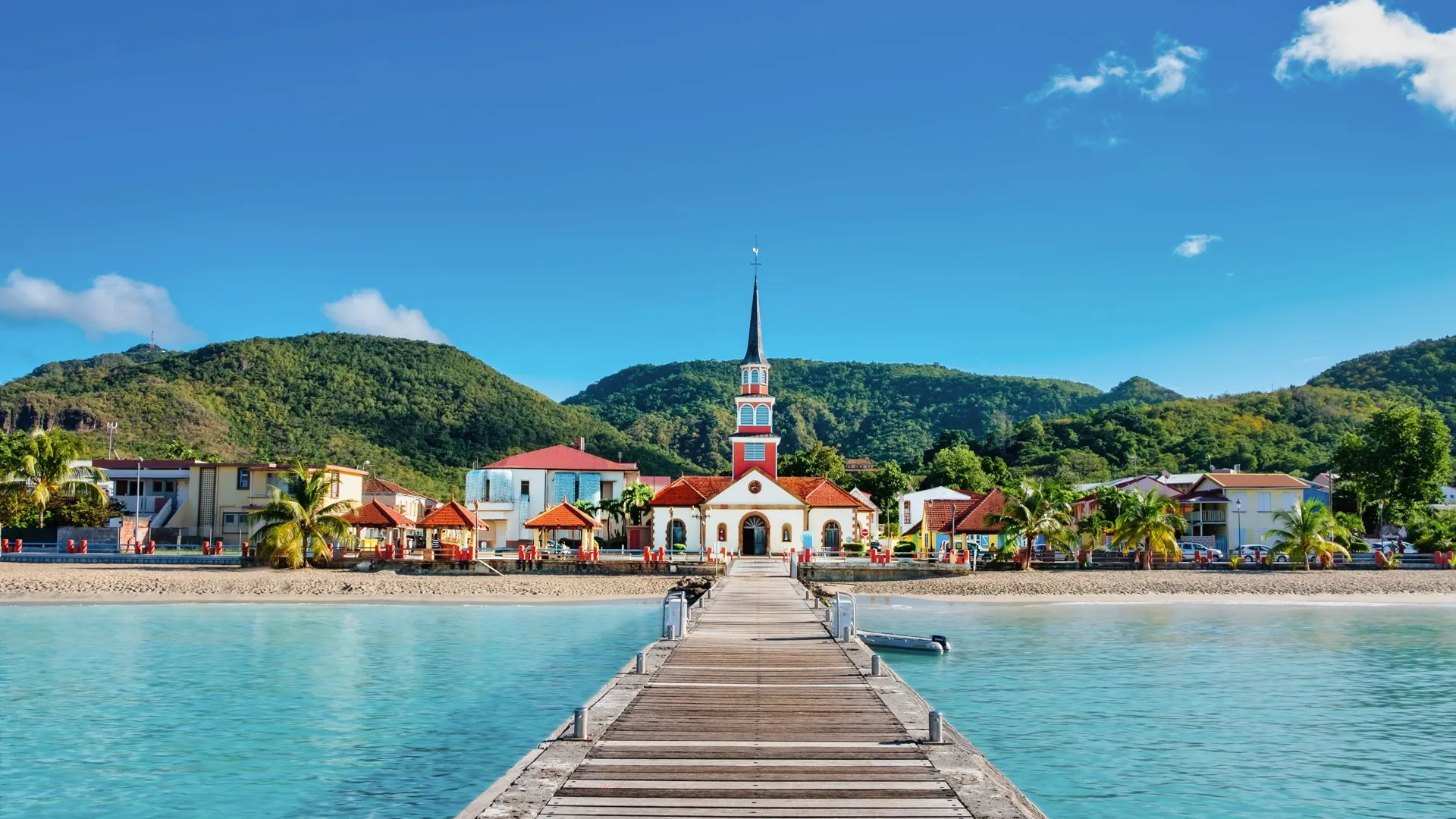
The historic bourg, around the church and the square, retains a more authentic and residential character. You will find public services, the market and a few local shops. It is a good compromise for those who want community life rather than seaside bustle.
Anse-à-l’Âne and the south of the town
Heading down towards Anse-à-l’Âne, you find a more family-friendly and quieter area, with a beach popular with locals and a shuttle service as well. Residential neighbourhoods spread across the heights, sometimes offering beautiful views over the bay.
The mornes and residential estates
Away from the coast, several housing estates and hillside neighbourhoods offer more spacious homes, often with a garden, at slightly more affordable prices than the seafront. A car becomes essential there, but you gain in peace and quiet and in living space.
Finding housing: rentals, budget and market realities
The trickiest part of any move to Martinique is housing. In Les Trois-Îlets, tourist pressure makes things even more complicated: part of the housing stock is absorbed by seasonal rentals, which reduces the long-term rental supply.
Long-term rentals: what you need to know
Finding a year-round home takes perseverance. Properties go quickly and competition is real, particularly between September and January, a period of high demand. A few benchmarks, purely indicative and variable depending on location, condition of the property and season:
- A studio or small one-bedroom flat generally rents in a range of several hundred euros per month, with a clear premium for areas close to the coast and the shuttles.
- A house with a garden up in the heights represents a significantly higher budget, often above what you would find in the more rural towns in the centre of the island.
- Utilities (water, electricity) deserve attention: electricity and water generally cost more than in mainland France, and air conditioning weighs on the bills.
These orders of magnitude change constantly. Always check recent listings and be wary of offers that seem too good to be true, frequently used to scam newcomers.
Buying property: plan ahead
If your plan is to buy, be aware that Les Trois-Îlets is among the most expensive towns in the south, driven by its tourist appeal. Take the time to observe the market on site for several months before committing, and get support from a local notaire who knows the specifics of Martinican land ownership (joint ownership, old title deeds, protected coastal zones).
The temporary housing solution on arrival
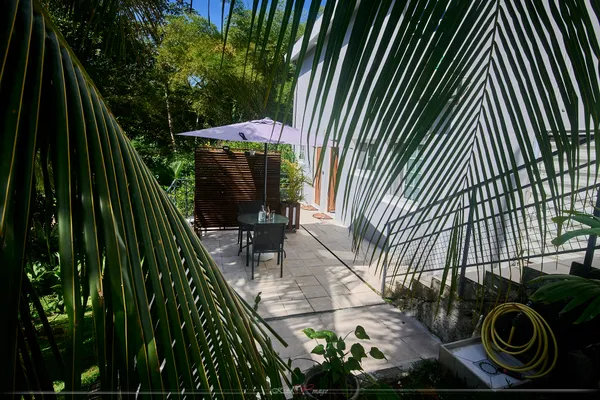
This is the most important piece of advice in this guide: never sign a long-term lease remotely, before seeing the property and the neighbourhood with your own eyes. The right method is to arrive with temporary accommodation booked (a few weeks to a few months), giving you time to visit, compare and secure a year-round rental with full knowledge of the facts. That is exactly the kind of stay our properties allow, designed for arrivals from mainland France and transition periods.
The formalities not to forget when arriving from mainland France
Good news: Martinique is a French department. You are not changing country, currency (euro) or basic social security coverage. But a few local formalities should be planned for in the first weeks.
- Notify the authorities of your change of address (tax office, CAF, social security, bank, employer).
- Get in touch with the CGSS (Caisse Générale de Sécurité Sociale), the body that manages social security and benefits in Martinique.
- Open or adapt a bank account with a bank that has local branches to make daily life easier.
- Enrol the children in school: the school rhythm and holiday calendar may differ from mainland France.
- Check your home insurance policy, particularly the cyclone/storm cover, which is essential here.
- Register your vehicle if you are importing it, or buy one locally (essential outside areas served by the shuttle).
- Register on the town’s electoral roll if you are settling for the long term.
Bear in mind that some formalities take longer than in mainland France. Plan ahead and put together a complete file (proof of address, ID documents, bank details) to avoid back-and-forth trips.