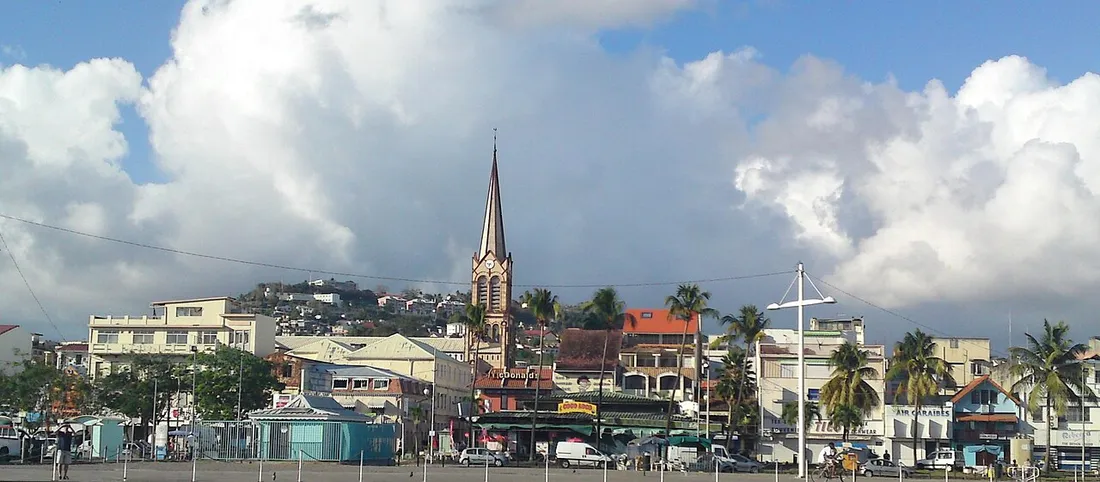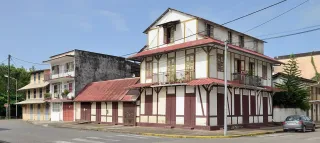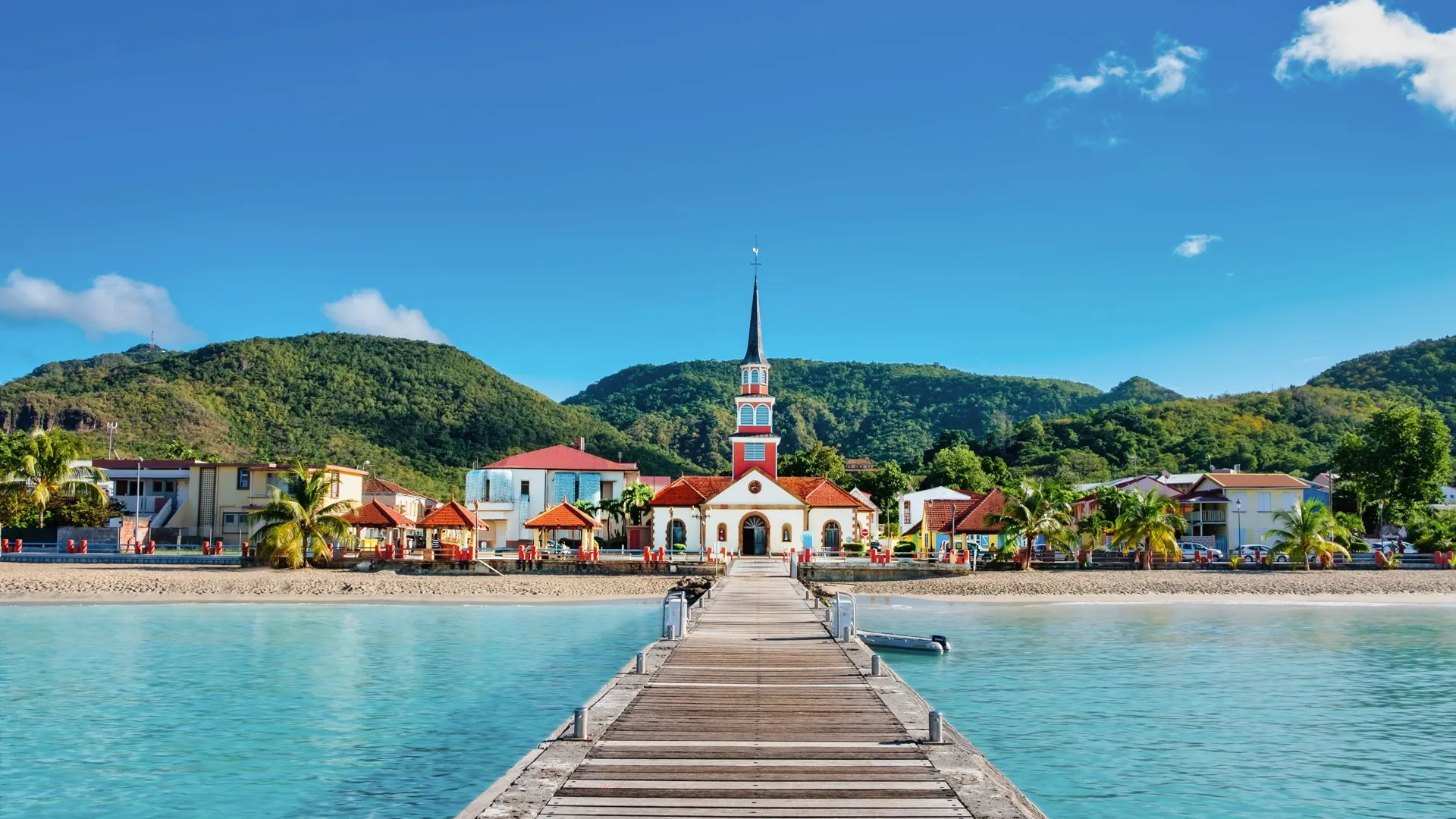
Most owners I work with in Martinique make the same mistake: they set a single yearly price, sometimes two (“high” and “low” season), and never touch it again. The result is that they undersell their Trois-Îlets villa during Carnival week and leave it empty over a Tour des Yoles weekend, exactly when local demand is going through the roof. Dynamic pricing for a Martinique rental is precisely about letting your nightly rate breathe in step with the island’s events calendar: it is probably the most powerful — and the most neglected — profitability lever in the French overseas market. As a resident and short-term rental manager here, I’ll share a hands-on method: which peaks to calibrate, how much to raise, how to adjust minimum stays, and where to set the dial between occupancy and price in this very particular island context.
Why dynamic pricing is essential in Martinique
We are in a French overseas department (capital Fort-de-France, around 360,000 inhabitants), where you pay in euros, where French and Creole are spoken, with -5h in winter and -6h in summer compared with Paris. In this island market, demand is not linear: it concentrates around a few extremely tight windows, separated by long lulls. Applying a flat rate means underselling your peaks and staying invisible in the troughs.
Three features make yield management of a furnished rental in the French Caribbean different from mainland France:
- Pronounced seasonality: the dry season, the Carême, from December to April, is the best period (ideal climate, maximum occupancy). The hurricane season, from June to November, drives tourist demand down — except for specific events that wake it back up.
- Local and diaspora demand: many mainland-based Martinicans return home for Carnival or the year-end holidays, draining supply on dates that generalist guides ignore.
- Costs inflated by the octroi de mer: linen, appliances and furniture cost more here, so every well-placed euro of rate counts even more.
In practice, maximizing the income of a Martinique rental is not about the average price, but about your ability to capture the few dozen nights when demand is ready to pay 50, 80, sometimes 120% more.
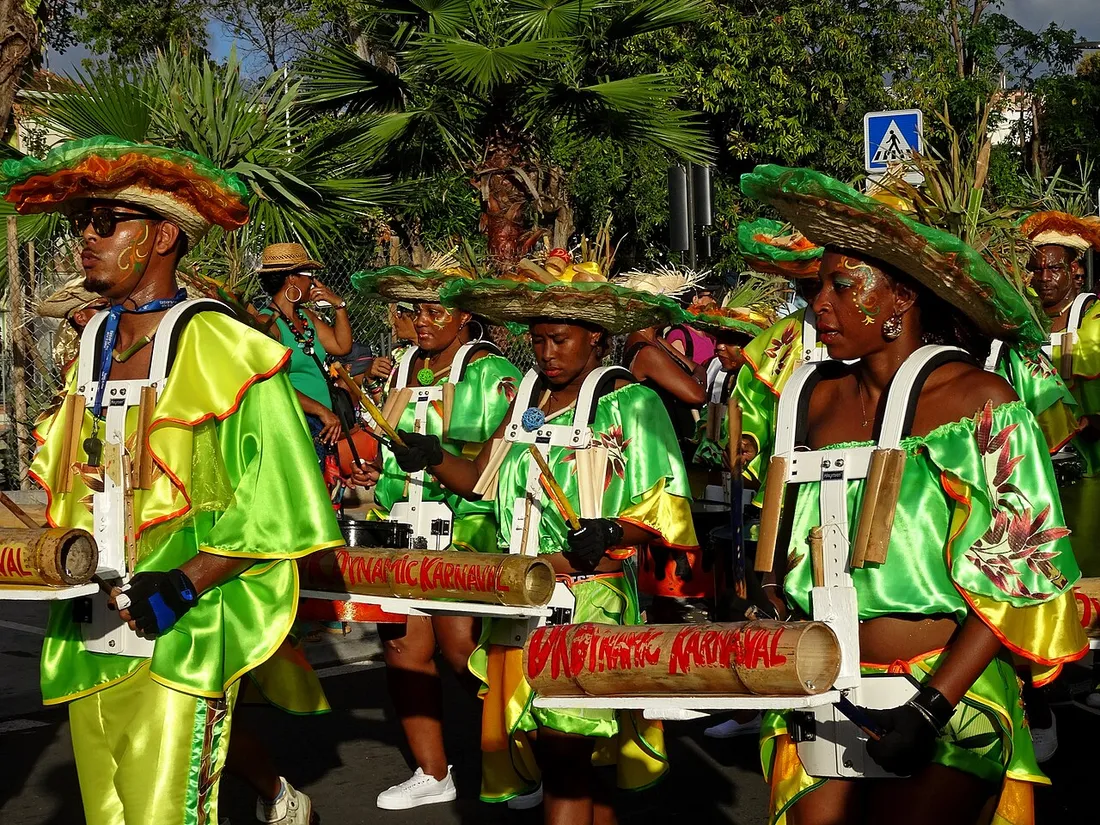
Martinique’s events calendar: your pricing grid
The foundation of successful dynamic pricing is an annual calendar of peaks, ranked by intensity. Here is the one I use to set rates on the island.
The major peaks (premium pricing, very early booking)
- Carnival (February-March): the absolute pinnacle. In 2026, Mardi Gras falls on 17 February and Ash Wednesday on the 18th; from Dimanche Gras to Ash Wednesday, the whole island converges on Fort-de-France and the best properties are gone by autumn. This is the window where the Carnival nightly rate climbs the most.
- The year-end holidays (20 December - 3 January): Christmas and New Year’s in the heart of the dry season, with a strong diaspora return and mainland visitors fleeing the winter. Sustained demand across two full weeks.
- The Tour des Yoles Rondes (late July - early August): eight days of racing around the island, with stages at Le Robert, Le François, Sainte-Anne and Les Trois-Îlets. This is the event that rescues the low hurricane season: a localized peak right where occupancy would otherwise collapse, especially in the stage-finish towns.
The secondary peaks (moderate increase, not to be missed)
- Easter and Pentecost: the matoutou crabe tradition on the southern beaches (Sainte-Anne, Le Marin), long weekends in high demand among locals.
- The May long weekends and the regional school holidays (February, Easter, summer, All Saints’): mainland family travelers plan their stays around them.
- Patron saint festivals and the Tour des Communes (cycling) depending on your town: a useful one-off local influx for that micro-market.
To build your grid, cross this calendar with your location: a furnished rental in Le Robert benefits fully from the Yoles, a property in Schœlcher captures Carnival. Our complete guide to Martinique lists the key highlights that help refine this work.
Calibrating your rates: how much to raise per event
Here are realistic multipliers to apply to your dry-season base price — not fixed rules, but starting points that I then adjust based on the observed booking rate.
- Carnival: +40 to +80% in the central towns (Fort-de-France, Schœlcher, Le Lamentin), +20 to +40% in the South, farther from the parades.
- Year-end (Christmas/New Year’s): +30 to +60% across the whole island, with a premium for sea-view and pool properties.
- Tour des Yoles: +30 to +70% in the stage-finish town on the evening concerned, +15 to +30% in neighboring towns.
- Easter / long weekends / school holidays: +15 to +30% depending on how tight the week is.
A telling example with figures. Take a one-bedroom in Les Trois-Îlets rented at €95 per night during an “ordinary” Carême. At +50% during Carnival week, it rises to around €140 per night; at +45% during New Year’s week, to around €138. Across these two windows combined (10 to 12 nights), the surplus often exceeds €450 to €550 compared with a flat rate — for the same property, the same cleaning, the same effort.
Two professional reflexes go hand in hand with these multipliers: open your calendars early (6 to 9 months before the big peaks) to capture the diaspora’s advance bookings, and monitor the take-up rate — a window that fills in a few days was underpriced (raise the remaining nights), while a calendar still frozen at 3 months calls for a notch less.
Direct booking: extra margin on the peaks
On the platforms, traveler service fees inflate the total paid by 12 to 16%, which caps what you actually collect on an expensive night. It is precisely on the peaks that direct booking with no platform fees makes the biggest difference: at the same displayed price, you capture more and the traveler often pays less. At Hostel Toucan, we pair this direct booking with free cancellation up to 7 days before arrival, which reassures guests booking far ahead on event dates.