Organising an event in French Guiana — a trade show in Cayenne, a film shoot in Kourou, a construction project along the coast, a corporate seminar or a mission lasting several weeks — almost always means finding somewhere for people to stay: technical crews, contractors, speakers, artists, staff on assignment. The real headache isn’t just finding beds, it’s doing it cleanly from an administrative standpoint: an invoice in the company’s name, payment by bank transfer, an expense report that sails through accounting without a single question, and ideally recoverable VAT. This is precisely where para-hotel accommodation comes into its own, halfway between a conventional hotel and a peer-to-peer holiday rental.
This article takes a practical look at how to house staff and contractors in French Guiana without turning every booking into an administrative file. We cover invoicing, VAT, bank transfers, long stays, and the local realities specific to the territory (Cayenne, Rémire-Montjoly, Matoury, Kourou) that change everything when it comes to logistics.
Why professional event accommodation is a category of its own
Putting up two friends for a weekend and housing eight technicians for three weeks for a corporate event have nothing in common. In the second case, accommodation becomes a line of expenditure that must be justified, charged to a budget, possibly re-invoiced to an end client and validated by an accounting department.
The specific needs of a professional event stay are generally:
- An invoice in the company’s exact legal name (registered name, company registration number, address), not a simple receipt made out to an individual.
- Payment by bank transfer, often mandatory above a certain amount and incompatible with many consumer platforms.
- A legible expense report that the employee or accountant can file without back-and-forth.
- Flexibility on dates (events get pushed back, shoots run long, a speaker arrives early).
- Suitable spaces for working: reliable Wi-Fi, a table for laptops, parking for equipment, sometimes a kitchen to cope with irregular hours.
Conventional peer-to-peer holiday rentals meet these needs poorly: invoicing in an individual’s name, card payment through a platform, no VAT, and limited flexibility. Hotels handle the administrative side better but are expensive over time and rarely offer an entire home with a kitchen for a team.
The para-hotel difference: company invoice, bank transfer and VAT
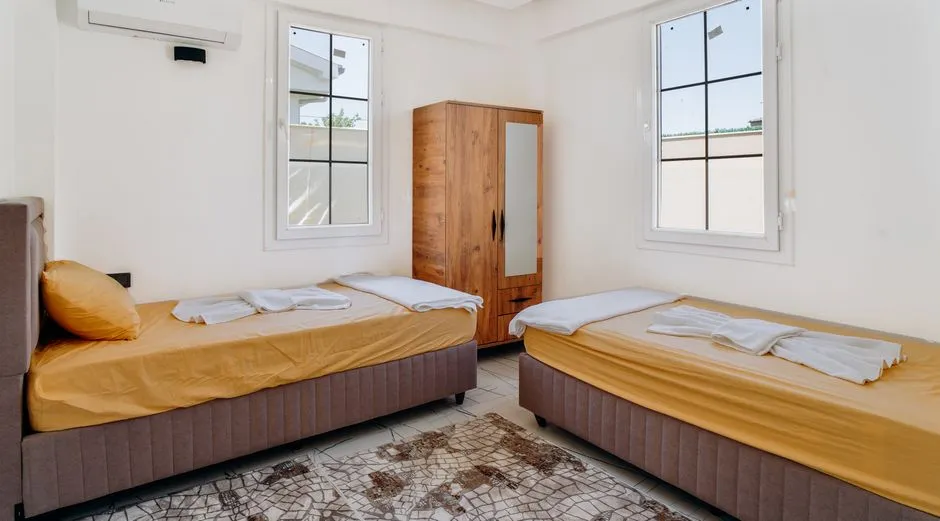
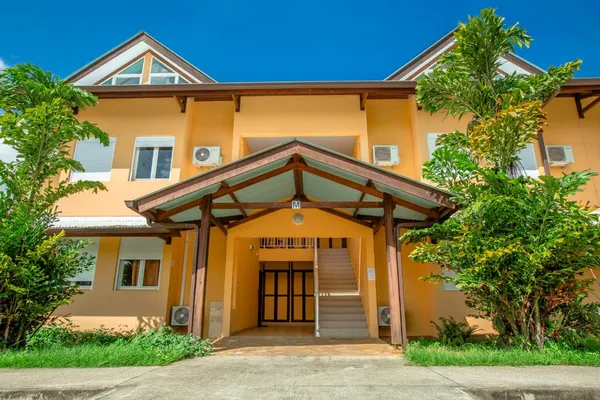
Para-hotel accommodation is a category that combines an apartment- or villa-style home with hotel-like services. In practical terms, for a business, it changes three essential things.
A proper invoice in the company’s name
When accommodation is operated within a structured professional framework, it can issue a fully compliant invoice: the client’s registered company name, company registration number, address, breakdown of nights, stay dates, amount excluding tax, VAT rate and amount, and total including tax. It is this invoice, and not a simple proof of payment, that allows the company to record the expense and, where applicable, re-invoice it to its own client.
Payment by bank transfer
Many finance departments refuse — or strictly limit — personal credit card payments for significant accommodation amounts. Bank transfer, with an IBAN and a file reference, remains the B2B standard. Being able to settle a stay by transfer, on presentation of a quote and then an invoice, makes life far easier for the accounting department and spares employees from fronting substantial sums.
VAT: to be checked case by case
One of the strengths of the para-hotel framework is that the service can be subject to VAT. For a VAT-registered business, VAT charged on accommodation may, depending on the nature of the expense and the applicable regime, be recoverable. A word of caution: recovering VAT on staff accommodation is governed by precise rules and varies depending on whether the people involved are company directors, employees or third parties. This point should always be confirmed with your accountant. The useful message here is simple: ask for an invoice that shows VAT, and let your accountant decide on recoverability.
Real-world use cases in French Guiana
French Guiana concentrates several types of events and missions that generate a recurring need for professional accommodation.
Space and technical missions around Kourou
The Guiana Space Centre permanently attracts technical teams, subcontractors and contractors on assignment. Launch campaign periods create demand peaks in and around Kourou. Housing a team for several weeks, with company invoicing, is a classic requirement — and local hotel capacity fills up fast during peaks.
Trade shows, seminars and corporate events in Cayenne
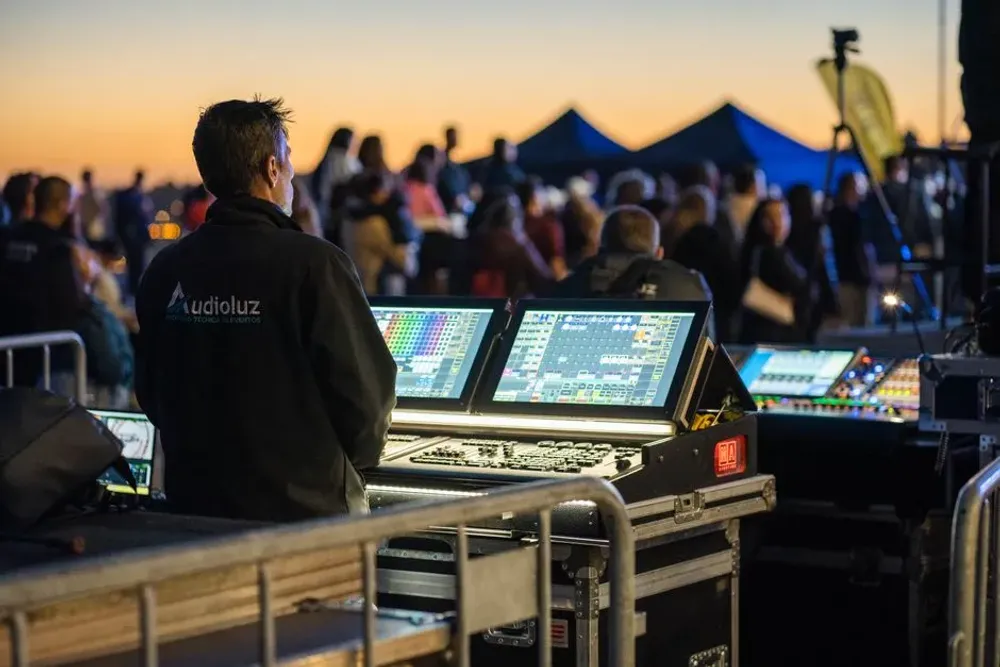
Cayenne and its urban area (Rémire-Montjoly, Matoury) concentrate most of the territory’s institutional and economic activity. A seminar, a training course, a trade show or a regional meeting brings in speakers and staff who need several nights’ accommodation, often with a constraint of staying close to the venue.
Film shoots, productions and news coverage
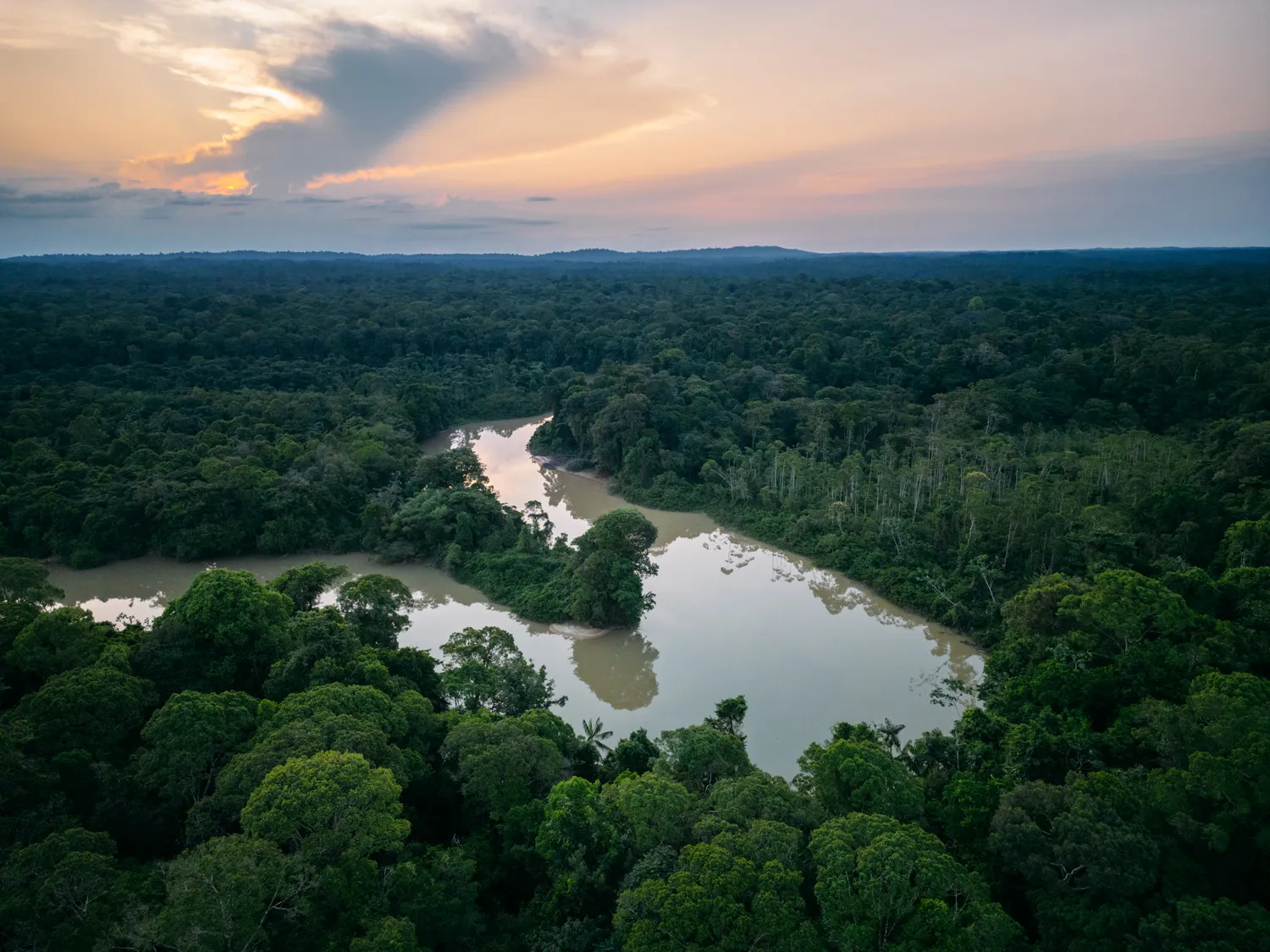
French Guiana — with its rainforest, the Maroni river, the Îles du Salut and its heritage (the penal colony, Cayenne’s Creole architecture) — attracts film crews and production teams. These teams need a base for equipment, flexibility on dates, and invoicing to the production company.
Construction projects, technical assessments and long missions
Construction, energy, telecoms, technical assessments: many professional missions run over several weeks or months. Housing one or more employees in an entire home often works out cheaper than a hotel over time, with the comfort of a kitchen and a living space.
What it costs: indicative benchmarks
Rates vary considerably depending on the season, location, size of the property and length of stay. Here are a few strictly indicative benchmarks, to be confirmed with a personalised quote.
- Seasonality: French Guiana experiences demand peaks, particularly during the dry season (roughly July to mid-November) and during major events or launch campaigns. During these periods, availability shrinks and rates rise. Booking ahead remains, as a general rule, the best way to save.
- Length-of-stay effect: the longer the stay, the lower the nightly rate tends to be. A stay of several weeks is generally negotiated at a price well below the equivalent in individual nights — the order of magnitude depends on each property and the period.
- Entire home vs rooms: for a team, taking over an entire villa or a large apartment can, depending on the configuration, work out cheaper per person than individual hotel rooms, while also providing shared living spaces.
These ranges are no substitute for a quote. The actual amount depends on your dates, your headcount and the level of service required. For precise pricing, the simplest approach is to contact us with your dates and number of people.