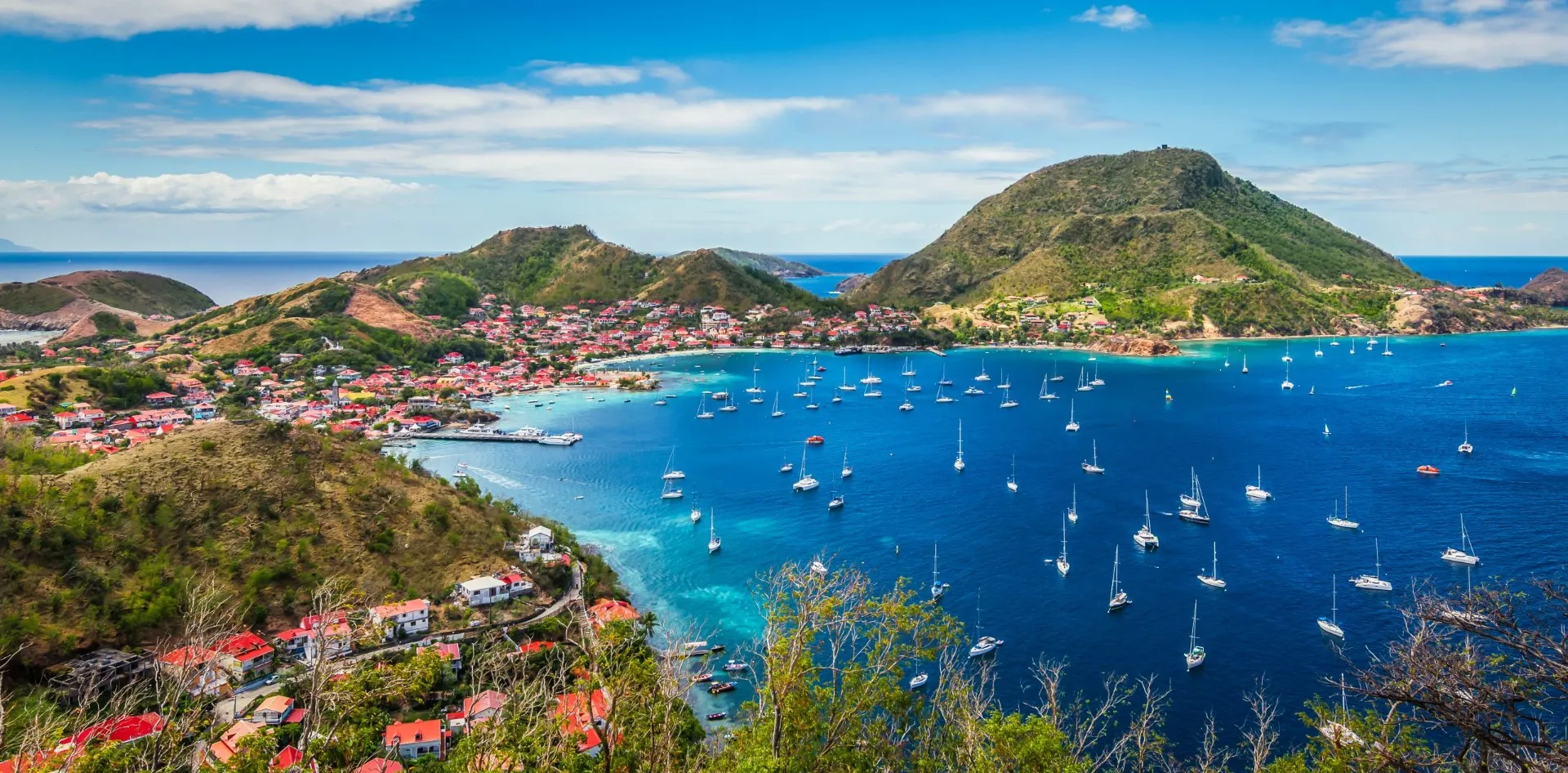

Whether you are preparing a job transfer, a professional project or a whole new life in the tropics, the question of the cost of living in Guadeloupe always comes up first. The reality is nuanced. Some expenses are higher than in mainland France, particularly anything imported, while other budget lines can even out depending on your lifestyle. This article gathers concrete, indicative benchmarks to help you build a realistic budget before you arrive, whether you are aiming for Pointe-à-Pitre, Basse-Terre, Le Gosier or a more rural town. The figures quoted are ranges given for guidance only: they vary with the season, the neighbourhood, the size of your household and your spending habits.
Why life costs more in Guadeloupe
Guadeloupe is an archipelago, and that insularity weighs directly on prices. A large share of everyday consumer goods is shipped in by sea from mainland France or Europe, which adds freight, handling and storage costs. On top of that come the octroi de mer (a tax specific to French overseas territories applied to many products) and the margins tied to a small market.
In practice, this translates into:
- More expensive food, especially for national brands and imported processed products.
- Prices for appliances, electronics and furniture that are often higher than on the mainland.
- Fuel and energy whose rates remain a sensitive issue.
- On the flip side, local produce (fruit, vegetables, fish, spices) that can be very affordable when you buy at the market or straight from the grower.
The average price gap with mainland France on food is regularly flagged as significant by the overseas price observatories. Bear in mind that a “100% national brands” basket will cost markedly more than one mixing local produce and discount chains.
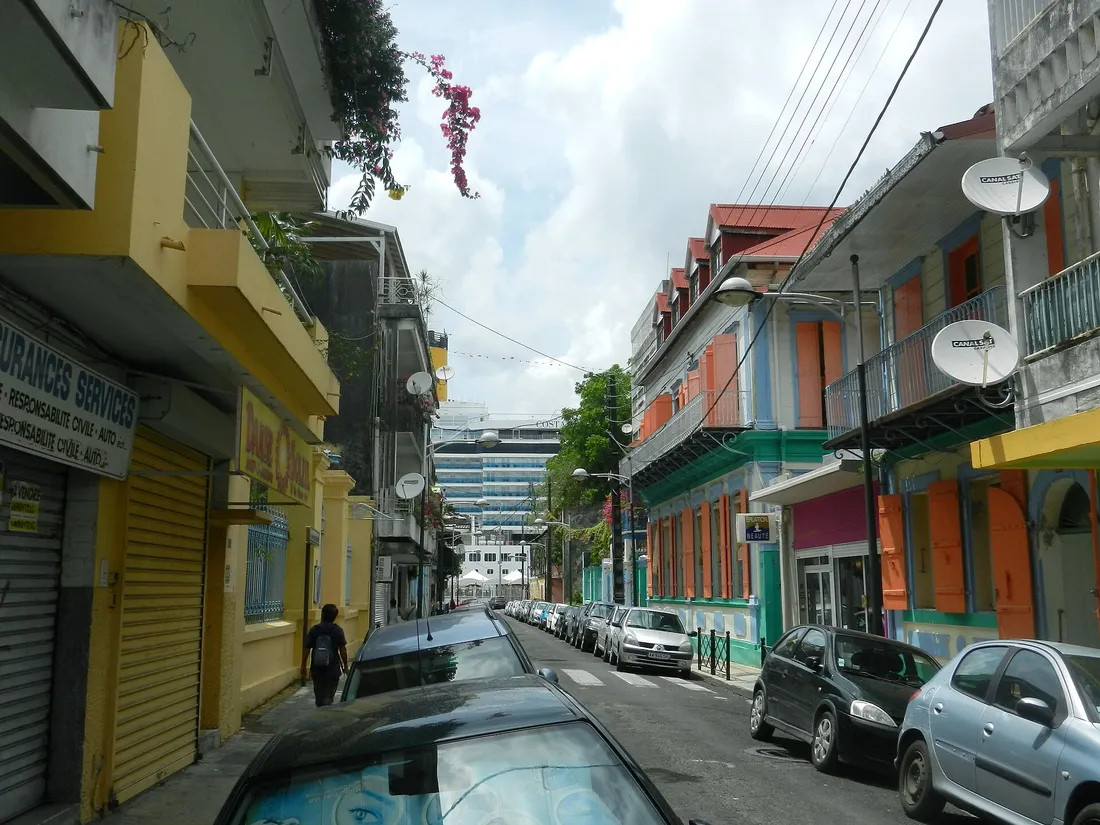
Housing: the line that shapes everything
Housing is, as everywhere, the expense that determines your budget the most. In Guadeloupe, rents vary sharply depending on the town, proximity to the sea and the standard of the property.
The areas and what they really mean
- Le Gosier, Sainte-Anne, Saint-François: the tourist Riviera of southern Grande-Terre. Sought-after seaside setting, some of the highest rents in the archipelago, strong demand.
- Pointe-à-Pitre, Les Abymes, Baie-Mahault: the economic and commercial hub (the Jarry zone in Baie-Mahault is the leading employment area). More contained rents, a varied offer, services close at hand.
- Basse-Terre, Saint-Claude, Gourbeyre: on the prefecture and Soufrière volcano side, a greener and quieter atmosphere, often a little more affordable.
- Le Moule, Petit-Bourg, Lamentin, Capesterre-Belle-Eau: more residential or rural towns, good space-for-money if you are willing to drive.
As a guide, for a furnished property expect a studio or one-room flat in a low to mid range, a one-bedroom noticeably more, and a villa with outdoor space considerably more again, especially near the southern tourist coast. Prices climb in high season and in sought-after areas.
Furnished, unfurnished or temporary
On arrival, many newcomers underestimate how long it takes to find THE right home: viewing places, comparing neighbourhoods and understanding real commuting times to work or school all take time. Signing a long-term lease from a distance, without having seen the neighbourhood or tested the journeys, is a risky bet.
A cautious approach is to book temporary furnished accommodation for your first few weeks, giving you time to search calmly on the spot. That is exactly what our property management service and our accommodation offer: arrive, drop your bags, then look for your permanent home with full knowledge of the ground.
Food and everyday shopping
Your grocery budget depends enormously on how you balance imported and local products.
Where to shop
- Supermarkets (hypermarkets and supermarkets): found in Baie-Mahault, Les Abymes, Le Gosier and Basse-Terre. Higher prices on national brands, but budget ranges are available.
- Markets: Pointe-à-Pitre (Saint-Antoine market), Sainte-Anne, Saint-François, Basse-Terre. Ideal for fruit, Creole vegetables, spices and fresh fish.
- Growers and roadside stalls: bananas, yams, chayotes, pineapples and seasonal avocados at gentle prices.
- Fishmongers and fishermen: fish and lobster depending on the day’s catch.
Habits that keep the budget in check
- Favour seasonal, local fruit and vegetables over imported ones.
- Cook from scratch: imported ready meals are expensive.
- Compare own-brand and budget ranges.
- Visit markets late in the morning, when there may be room to negotiate.
A household that cooks local and seasonal can keep its bill down, whereas a household living on 100% national brands and processed products will see its food budget climb sharply.
Transport: a car is all but essential
Public transport exists (a bus network, particularly around the Pointe-à-Pitre conurbation), but the service remains limited and poorly suited to unusual hours or outlying towns. In practice, a car is indispensable for most working people and families.
To factor into your mobility budget:
- Buying or leasing a vehicle (the second-hand market is active; prices can be higher than on the mainland).
- Fuel, whose price is regulated but still a notable line item.
- Car insurance, often higher than in mainland France.
- Maintenance, with parts sometimes pricier because they are imported.
Think too about real journey times: the routes around Pointe-à-Pitre and Baie-Mahault (the Jarry zone) suffer traffic jams at peak hours. Living “close to work” has genuine value.