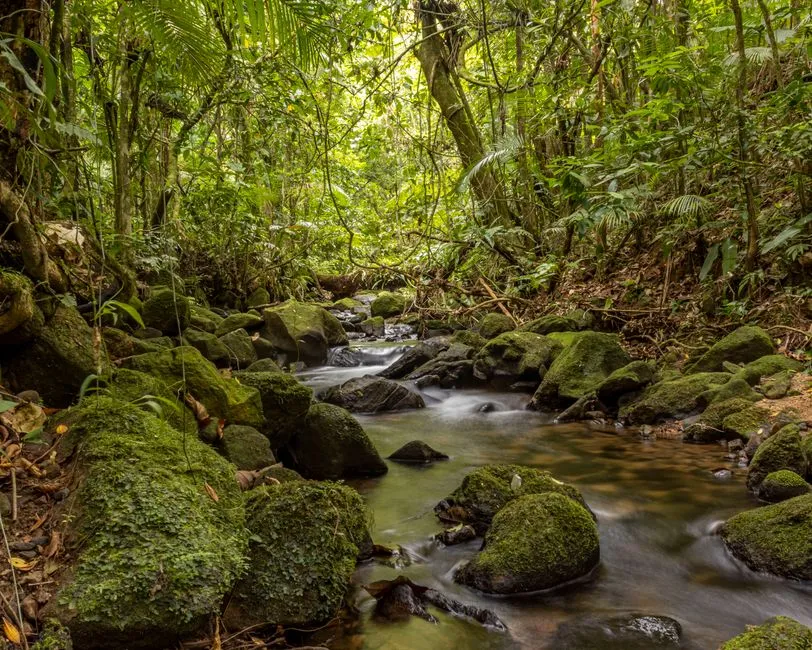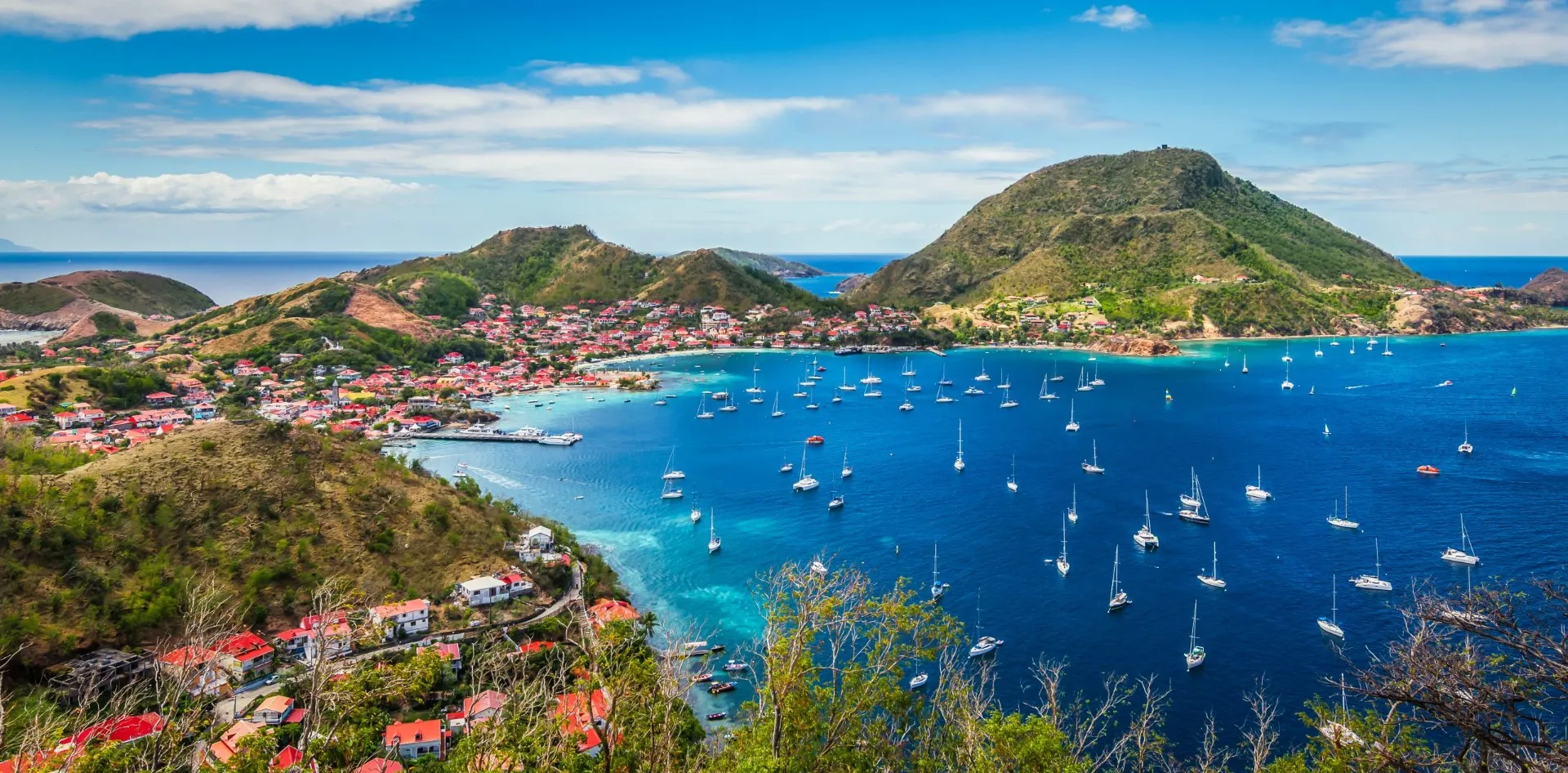
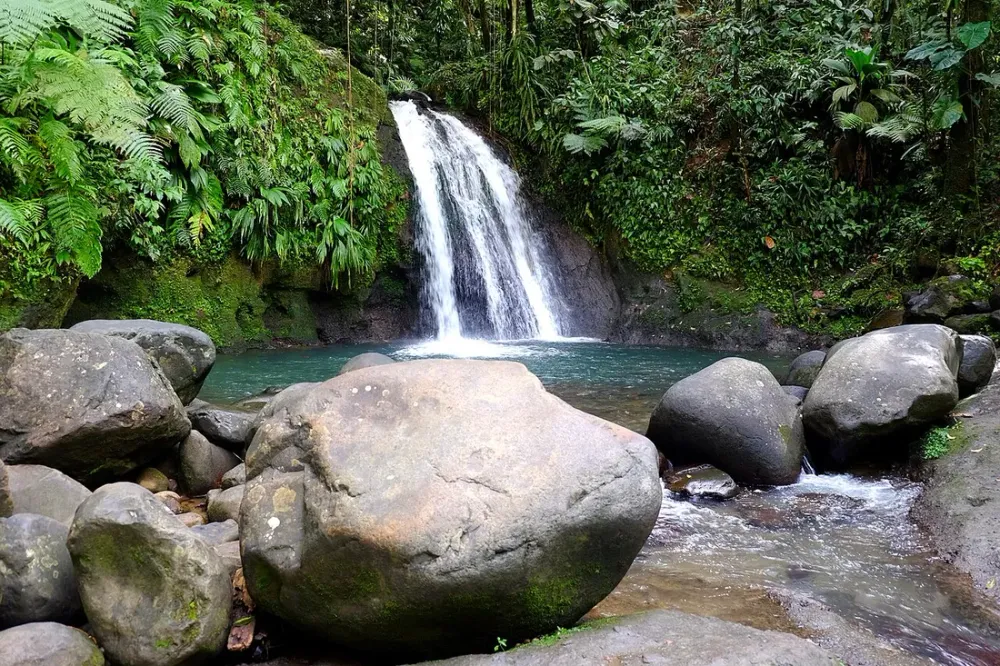
If you could only do one nature outing in Guadeloupe with kids or grandparents, this would be the one. The Cascade aux Écrevisses is the most accessible waterfall in the entire archipelago: ten minutes of walking on a flat, well-maintained trail, a freshwater pool to swim in, and the tropical forest of Basse-Terre as a backdrop. I go back several times a year, often on weekdays before 9 a.m., and here I share the essentials: access, swimming, crowd-free time slots and, above all, the golden rule for the sudden floods of the Corossol River.
The Cascade aux Écrevisses in numbers
The hard facts everyone asks me about:
- Location: Petit-Bourg, along the Route de la Traversée (D23), in the heart of the Guadeloupe National Park
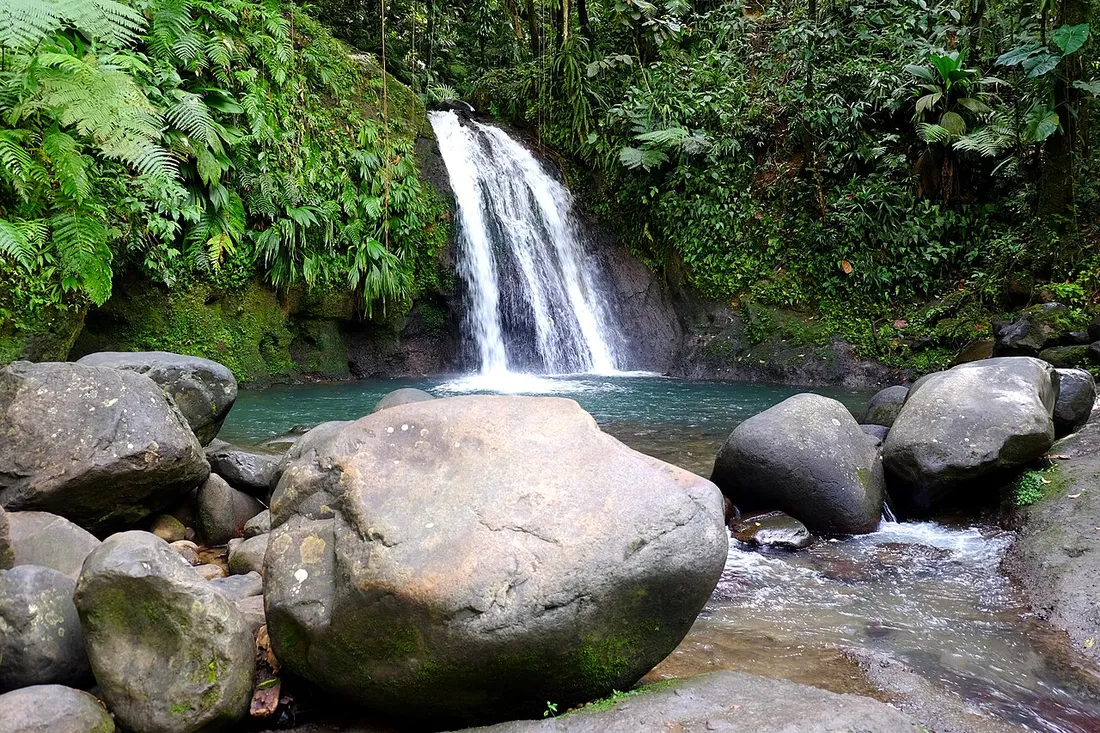
- Drop height: about 10 metres, fed by the Corossol River
- Trail: about 300 metres one way, flat and stabilised, 5 to 10 minutes of walking
- Difficulty: very easy, doable in sandals
- Price: free, parking included
- Drive time: 35 to 40 minutes from Pointe-à-Pitre, 45 to 55 minutes from Le Gosier or Sainte-Anne depending on traffic
This accessibility makes it the busiest natural site on the Route de la Traversée: several hundred visitors a day in high season (December to April). Hence the importance of timing, which we’ll come back to below.
How to reach the waterfall from the Route de la Traversée
The drive
From Pointe-à-Pitre or Grande-Terre, cross the Gabarre bridge, take the N1 towards Petit-Bourg, then turn onto the D23, the famous Route de la Traversée that cuts across Basse-Terre from east to west. The waterfall parking lot is signposted by the National Park, about 2 kilometres before the Maison de la Forêt coming from the east.
Parking is free but fills up quickly between 10 a.m. and 3 p.m. during the dry season. Two field tips:
- leave nothing visible in the car; break-ins happen here as at every natural-site parking lot;
- if the lot overflows, don’t park on the D23 roadway: the bends are blind and the gendarmerie issues fines.
The trail: ten minutes, really
From the parking lot, a wide, stabilised trail lined with railings follows the Corossol River to the foot of the falls. A wooden footbridge crosses it halfway, the best photo spot on the site. The elevation gain is almost nil: all-terrain strollers and accompanied people with reduced mobility can reach the viewing area, which is extremely rare here. It’s the easy waterfall of Basse-Terre par excellence, with no special gear or fitness required; for a real hike, the Chutes du Carbet will take over.
Swimming in the pool: what you need to know
The pool at the foot of the waterfall is one of the most popular swimming holes in Guadeloupe, and for good reason: the fresh water is cool (22 to 24°C, a real contrast with the sea at 28°C), the bottom is visible and the depth stays reasonable, about 1.50 to 2 metres at the centre depending on the flow.
My recommendations for an enjoyable and safe swim:
- The rocks are slippery: water shoes (€10 to €15 at supermarkets locally) are a game changer.
- Never dive from the rocks or the falls: the bottom is uneven and boulders surface after every flood.
- Avoid the water column when the flow is strong: it can surprise even a strong swimmer.
- No soap or shampoo: we’re in the heart of a National Park, and the Corossol River still shelters the ouassous (freshwater shrimp) that gave the site its name.
- Avoid fresh water with open wounds: the risk of leptospirosis, low but real in the West Indies, increases after heavy rain.
The swimming area is not supervised. With young children, stay in the shallow zone near the pebbles, on the left as you arrive.
Avoiding the crowds: the time slots that change everything
This is THE factor that separates a magical memory from a public-pool experience. Here’s what I observe on site, season after season:
- Before 9 a.m.: you’ll often be alone or nearly so, soft light in the canopy, hummingbirds and Guadeloupe woodpeckers active. The ideal slot.
- 9:30 – 11 a.m.: arrival of the first groups and organised excursions.
- 11 a.m. – 3 p.m.: peak crowds, especially on Sundays (picnics of Guadeloupean families, friendly atmosphere but packed pool) and during mainland school holidays.
- After 3:30 p.m.: the crowd thins out noticeably, but the light fades fast under the canopy; night falls around 5:45 p.m. in winter.
In the dry season, add 30% more people to every slot. On weekdays during the rainy season (June to November), the site regains total tranquillity, provided you watch the weather, and that’s precisely the next point.