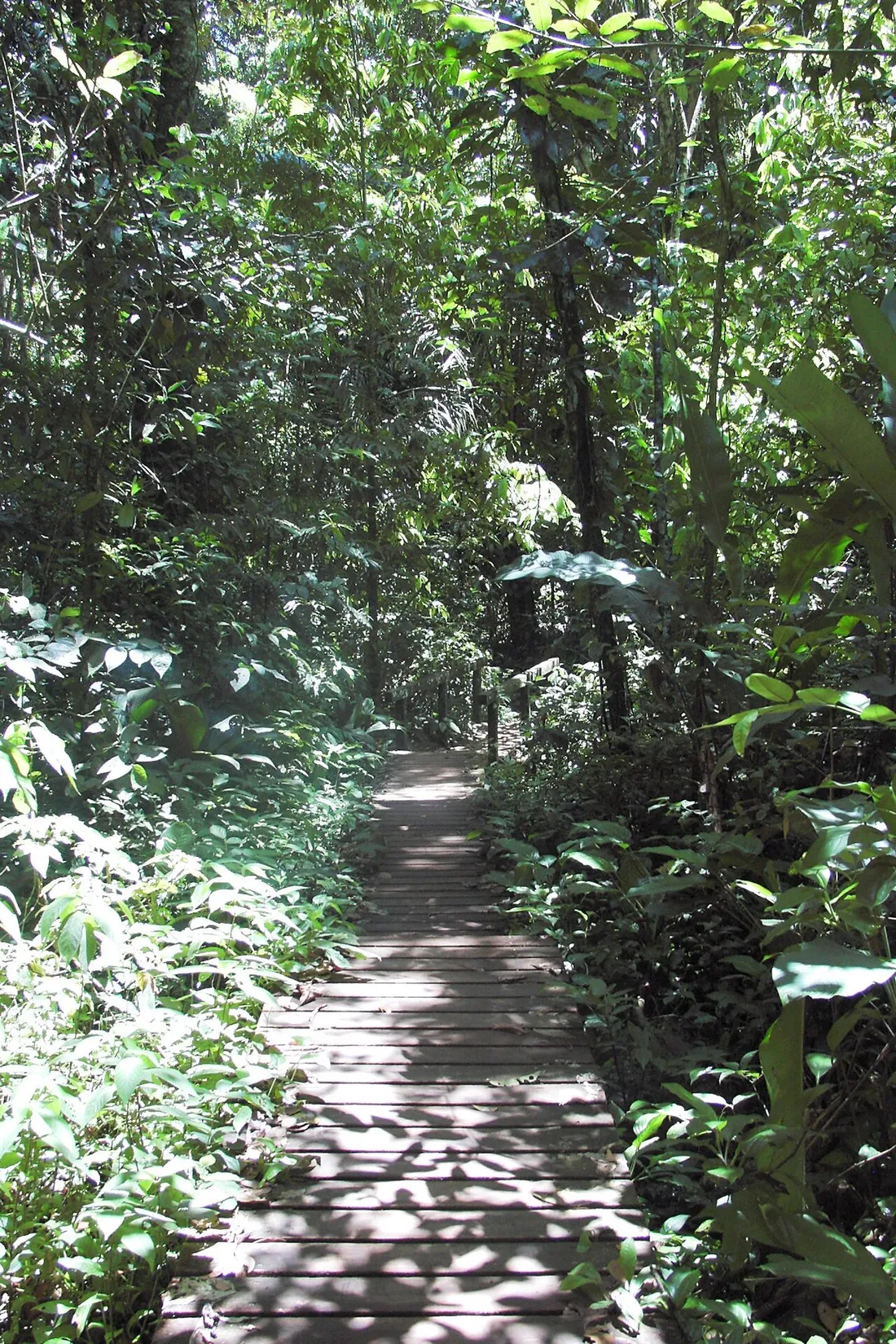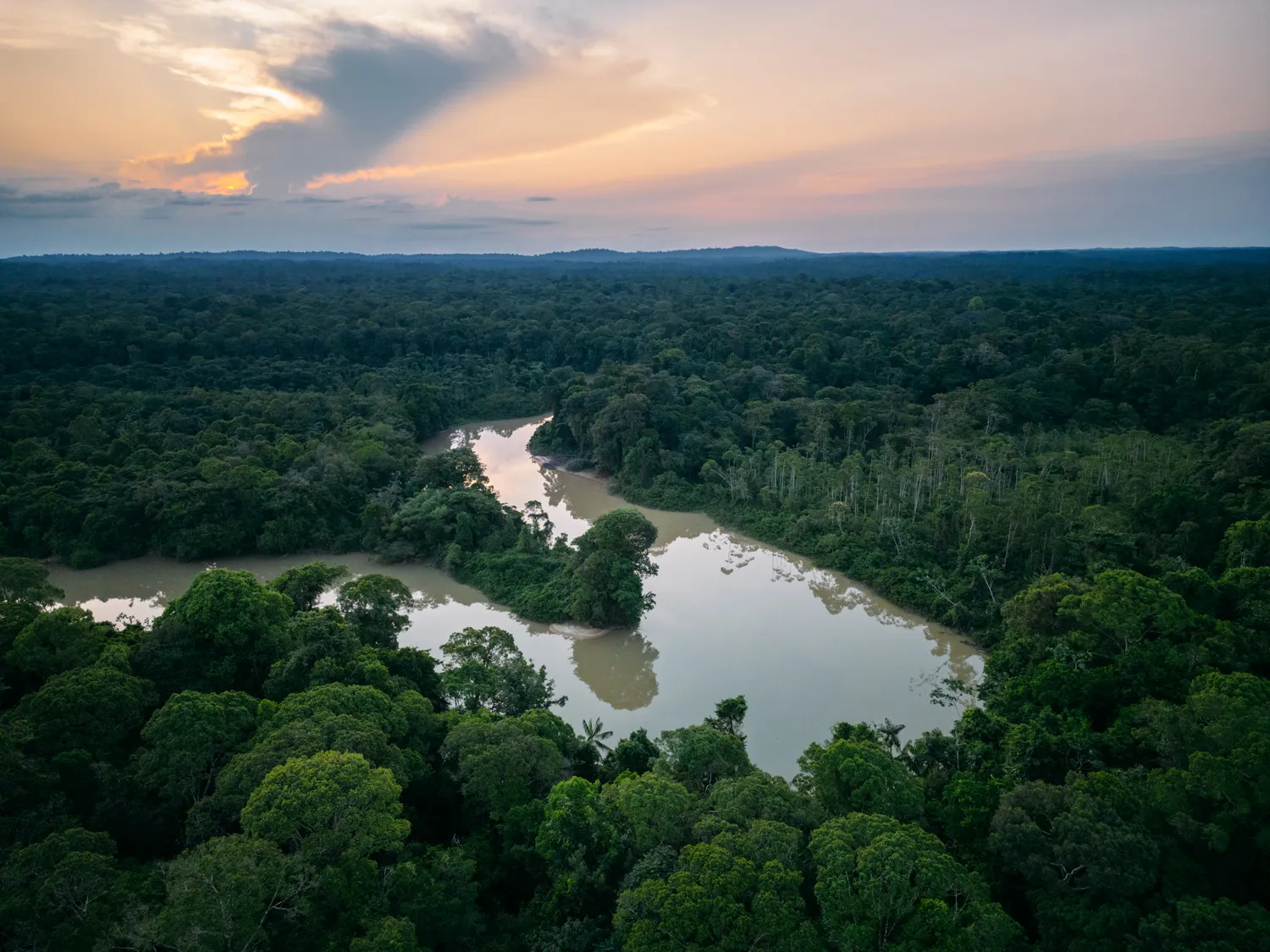
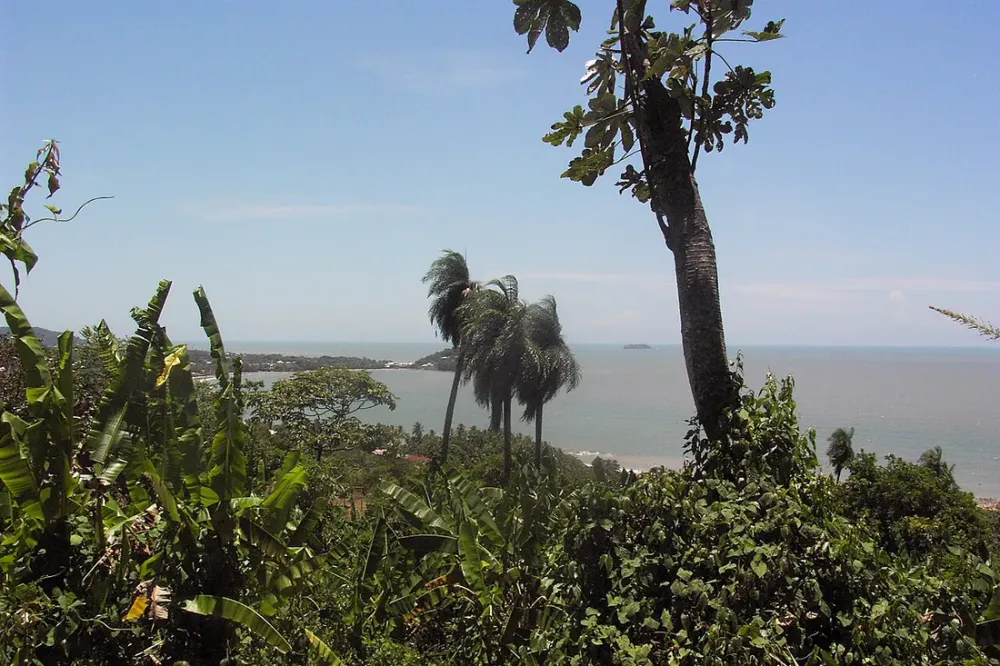
Fifteen minutes from the centre of Cayenne, a discreet trail climbs beneath the canopy to a lookout overlooking the Atlantic Ocean and the beaches of Remire-Montjoly. The Rorota Trail is arguably the most accessible hike in the metropolitan area: a short, shaded loop dotted with a lake and spectacular viewpoints. It’s the ideal outing for a first immersion in the nature of French Guiana, with the family, no gear or guide required. Here’s everything you need to know before lacing up your shoes.
The Rorota Trail at a glance
Rorota is a locally managed protected site located in the commune of Remire-Montjoly, east of Cayenne. The route is organised around a former dam lake that once supplied the town with drinking water. Today it’s a protected green lung where Sunday strollers, joggers and families cross paths.
The key figures to remember:
- Distance: about 5 km for the full loop (shorter variants possible)
- Duration: 1 hr 30 to 2 hr 30 depending on pace and observation breaks
- Elevation gain: moderate, around 150 m cumulative
- Difficulty: easy to moderate, suitable for children from age 6-7
- Access: free, parking at the entrance
- Type: woodland trail, mostly shaded
It’s this rare combination — proximity, free access, shade and panorama — that makes Rorota a sure bet. Many visitors make it their first contact with the Amazon rainforest before venturing toward more demanding sites such as the Nouragues reserve or the Kaw marshes.
Difficulty, duration and how the loop works
A route for all levels
The trail alternates between wide drivable tracks and narrower forest sections. The start of the climb takes a bit of breath, but nothing insurmountable: families with young children manage it without difficulty by taking their time. Once you reach the plateau, the terrain becomes easygoing.
Allow 1 hr 30 for the classic loop if you walk at a good pace, and up to 2 hr 30 if you make plenty of stops for photos and wildlife watching — which I warmly recommend. The route is well marked and it’s hard to get lost, but keep children in sight at intersections.
When to go: early morning
In French Guiana, the heat and humidity rise quickly. Set off before 8 a.m. or in the late afternoon (after 4 p.m.) to enjoy the cool and maximise your chances of spotting animals. It’s also during off-peak hours that the light is most beautiful at the lookout.
The dry season, from July to late November, offers the best conditions: a less muddy trail and clear skies over the panorama. In the rainy season the path remains passable but slippery; shoes with good grip become essential.
The highlight: the lookout over the beaches
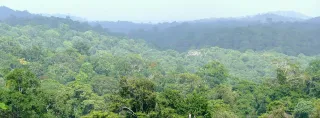
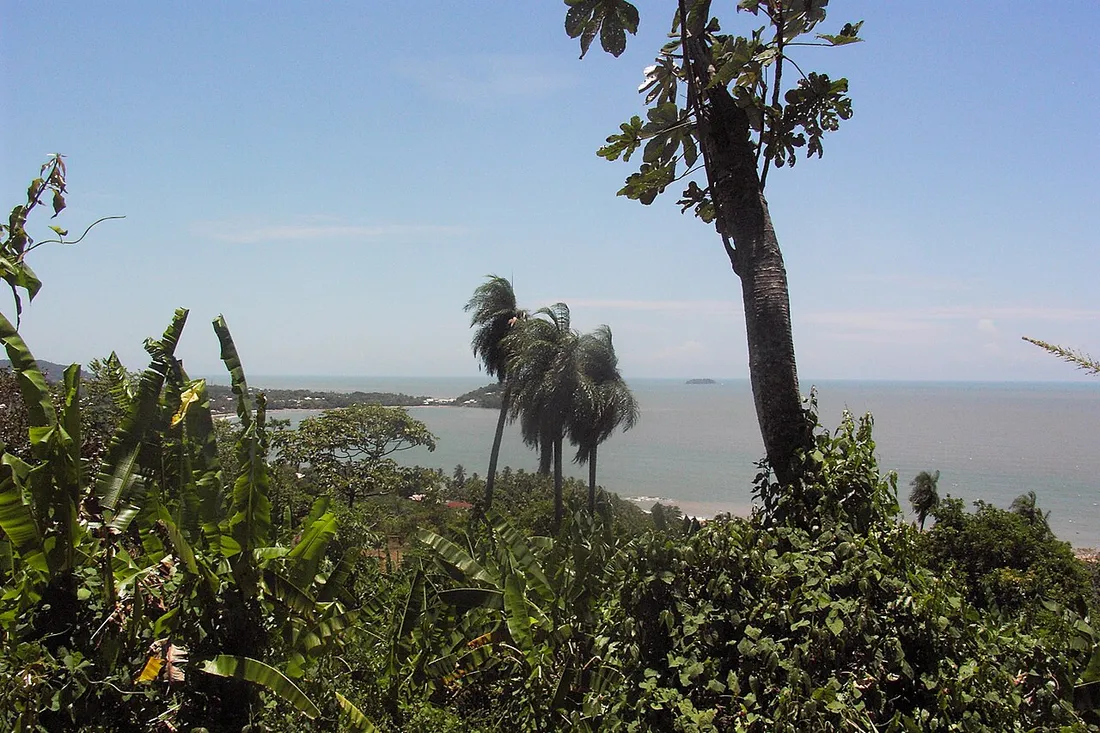
The strong point of the Rorota Trail is its view over the ocean and the three beaches of Remire-Montjoly: Montjoly, Gosselin and Pointe Buzaré. From the lookout, your gaze takes in the coastal strip, the sea laden with sediment from the Amazon (that ochre tint so characteristic of the Guiana Shield) and, on a clear day, the islets offshore.
It’s the perfect spot for a snack break. Plan to bring water and something to nibble: there’s no refreshment stand on site. The lake, for its part, offers a peaceful mirror at the halfway point, often flown over by water birds.
The wildlife to watch for on the trail
Rorota is an excellent introduction to French Guiana’s biodiversity. With no guarantee — wild fauna can’t be summoned on demand — here’s what attentive walkers may observe:
- Monkeys: golden-handed tamarins (the famous little monkey emblematic of the region) and sometimes capuchins, especially early in the morning
- Sloths: clinging high in the trees, motionless, hard to spot but very much present
- Green iguanas: on the branches above the lake
- Birds: toucans, colourful tanagers, herons and kingfishers near the water
- Morpho butterflies: their metallic blue cuts through the gloom of the undergrowth
- Caimans: discreet, sometimes visible in the lake (to be observed from a distance, without approaching the edge)
Observation tips
To boost your chances:
- Walk quietly and take regular breaks
- Look up toward the canopy: most of the wildlife is up high
- Bring lightweight binoculars if you have them
- Listen: you often locate monkeys by sound before seeing them
Remember that you’re in a protected environment. Don’t feed the animals, don’t pick anything, and carry out your waste.