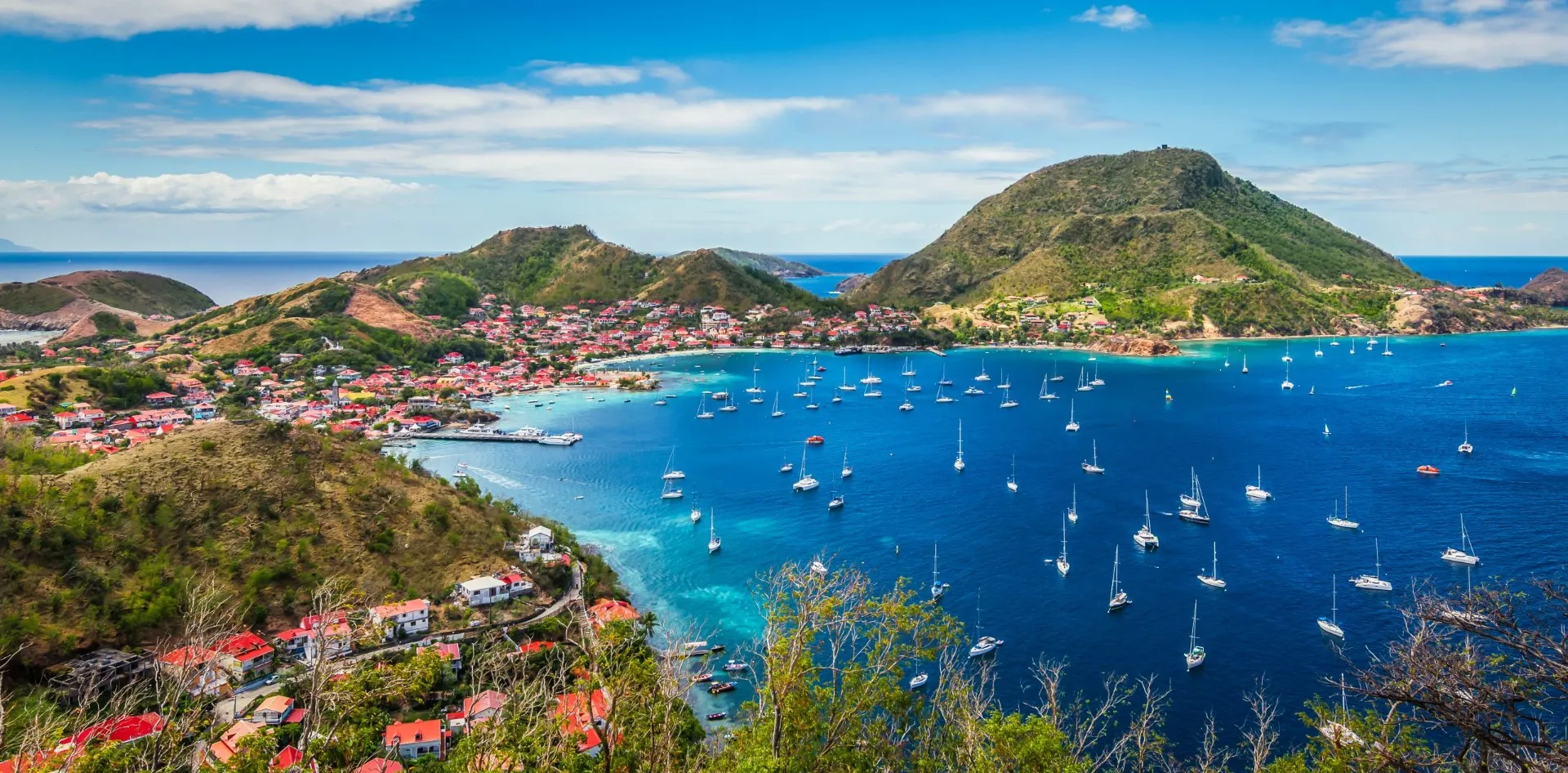

Arriving in Guadeloupe for a job transfer, a secondment or a long-term move is a real turning point: a new climate, a new geography, new bearings. The first few weeks are usually swallowed up by paperwork, the hunt for permanent housing and adjusting to the Caribbean pace of life. And yet it is precisely those first weekends that shape your relationship with the archipelago. Planned well, they help you grasp the island’s geography, scout the neighbourhoods you might want to live in and build your first routines. This guide, written for newcomers arriving from mainland France, helps you structure those first outings without wearing yourself out, while enjoying comfortable temporary accommodation as you settle in.
Understanding Guadeloupe’s geography before you set off exploring
Guadeloupe is not a single island but an archipelago. The main territory, shaped like a butterfly, is made up of two wings joined by a bridge over the Rivière Salée: Grande-Terre to the east and Basse-Terre to the west. Add to that the outlying islands: Marie-Galante, Les Saintes (Terre-de-Haut and Terre-de-Bas), La Désirade, as well as Saint-Martin and Saint-Barthélemy further north.
This distinction is essential when planning your weekends, because the two “wings” have very different characters:
- Grande-Terre is fairly flat and limestone-based, geared towards beaches, seaside tourism and business activity. It is home to Pointe-à-Pitre (the economic hub), Le Gosier, Sainte-Anne and Saint-François.
- Basse-Terre is volcanic, mountainous and lush green. It shelters the Guadeloupe National Park, the Soufrière volcano and the town of Basse-Terre, the department’s administrative capital.
Understanding this duality saves you a lot of disappointment: aiming for a rainforest hike on a Sunday when setting off from Le Gosier means a good hour on the road, sometimes more depending on traffic around Pointe-à-Pitre.
Journey times as a rough guide
As a rough guide, allow around thirty minutes between Pointe-à-Pitre and Sainte-Anne, and easily an hour to an hour and a quarter to reach the south of Basse-Terre from Grande-Terre. Traffic jams around the Pointe-à-Pitre conurbation, particularly at peak times and during the commute, can lengthen these times noticeably. Always build in a margin on your first outings.
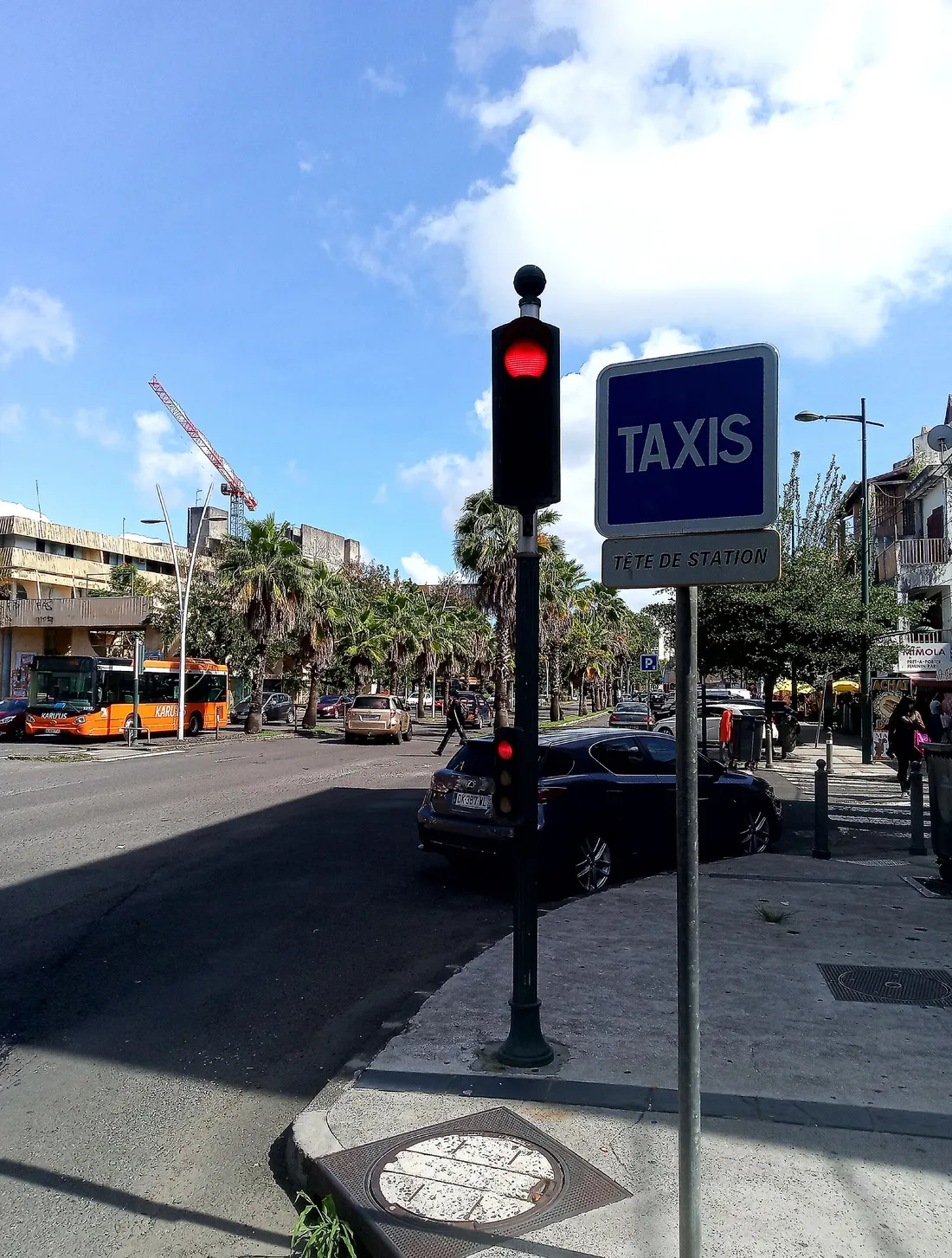
Weekend 1: getting your bearings around home
The first weekend is not about clocking up mileage. The aim is to get familiar with your immediate surroundings and sort out the day-to-day essentials.
Scouting local shops and services
Use Saturday morning to identify your anchor points: the nearest supermarket, the market, the pharmacy, the petrol station, the bakery. Markets are an excellent starting point for understanding local life. The Saint-Antoine market in Pointe-à-Pitre, the Sainte-Anne market or the one in Saint-François plunge you straight into local produce: bananas, yams, chayotes, spices, rum punches and fresh fish.
Finding your way around the beaches
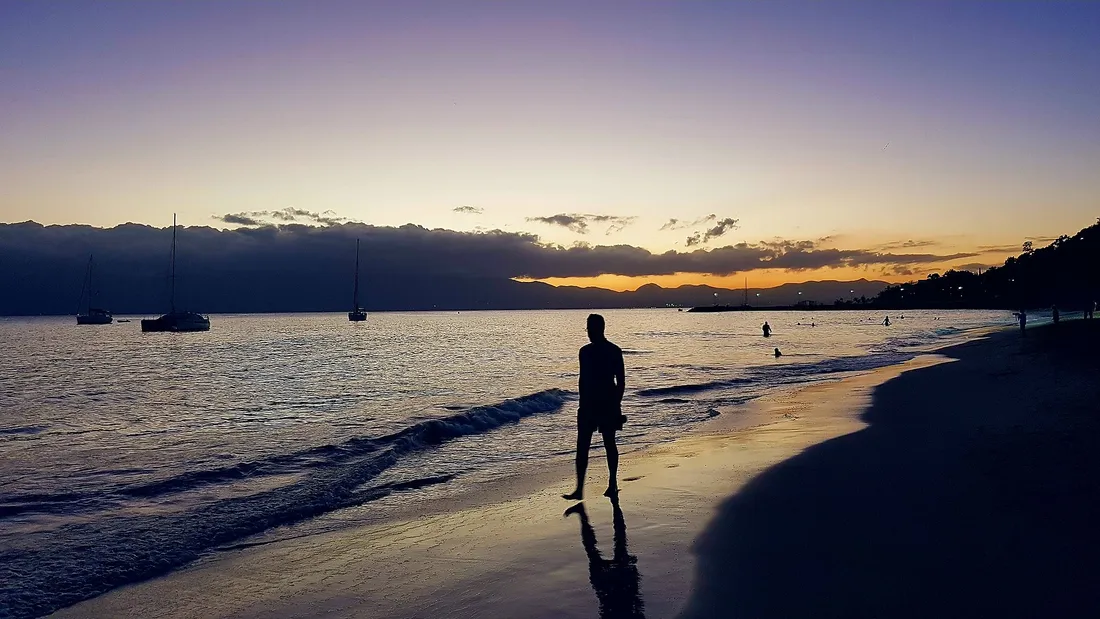
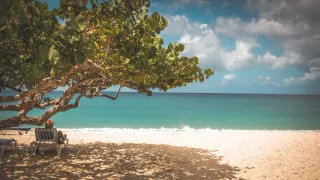
Guadeloupe has plenty of accessible beaches, and it is worth pinpointing one or two “local” ones from the very first weekend. In Grande-Terre, the beach at Sainte-Anne, the one in the centre of Saint-François or Anse à la Gourde offer calm, shallow waters. Over on Basse-Terre, the atmosphere changes: black or grey volcanic sand beaches, such as Malendure beach in Bouillante, well known for its access to the Cousteau Reserve.
- Locate the nearest supermarket, pharmacy and petrol station
- Find the local market and its opening days
- Identify two beaches reachable in under thirty minutes
- Note where your town hall and post office are located
Weekend 2: exploring seaside Grande-Terre
Once you have your bearings, Grande-Terre is ideal ground for a second weekend of discovery, with generally faster-flowing roads and sights clustered close together.
The southern Riviera: from Le Gosier to Saint-François
The coastal stretch linking Le Gosier, Sainte-Anne and Saint-François is the island’s liveliest tourist area. Le Gosier, with its islet and its nightlife, is popular with newcomers for its social scene. Sainte-Anne charms visitors with its town centre, its craft market and its family-friendly beaches. Saint-François, further east, combines a marina, a golf course and restaurants.
Pointe des Châteaux
At the eastern tip of Grande-Terre, Pointe des Châteaux is a must-see. This listed site offers a spectacular panorama over the Atlantic Ocean, with wave-battered cliffs and a summit cross reached by a short trail. On a clear day you can make out La Désirade offshore. It makes an ideal end-of-day outing, provided you bring closed shoes and water.
North Grande-Terre, more authentic
Less visited, North Grande-Terre (Le Moule, Anse-Bertrand, Port-Louis) appeals to those looking for a quieter feel. La Porte d’Enfer, with its lagoon hemmed in between two cliffs, or Pointe de la Grande Vigie, the island’s northernmost point, are worth the detour for their wild landscapes.
Weekend 3: diving into Basse-Terre’s nature
For your third weekend, change of scene and head for Basse-Terre, kingdom of rainforest and volcanic relief. Set aside a full day, as distances are longer there and roads more winding.
The Carbet Falls and La Soufrière
The Soufrière massif, an active volcano peaking at around 1,467 metres, dominates the south of Basse-Terre. Climbing it is for well-prepared walkers and depends heavily on the weather, often cloudy at altitude. Nearby, the Carbet Falls are among the most visited waterfalls: the second fall is generally the most family-friendly.
La Route de la Traversée
The D23, known as the Route de la Traversée, cuts across Basse-Terre from east to west through the heart of the National Park. It gives access to the Maison de la Forêt and the Cascade aux Écrevisses, a very popular freshwater swimming spot. Note: this road can be closed occasionally for roadworks or bad weather, so check before setting off.
The Caribbean south and diving
The leeward coast, from Bouillante to Vieux-Habitants, is a paradise for diving and snorkelling enthusiasts thanks to the Cousteau Reserve, off Malendure. The calm waters of the Caribbean coast contrast with the choppier Atlantic side.