Settling in Cayenne when you arrive from mainland France raises one very concrete question straight away: which neighbourhood should you unpack your bags in? French Guiana’s capital and its wider urban area (which includes Rémire-Montjoly and Matoury) offer very different ways of life from one district to the next — from the lively historic centre to residential estates close to the beaches, by way of the greener outlying towns. The equatorial climate, the near-necessity of a car, the pressure on the rental market and the distance from mainland France all change the equation compared with an ordinary move.
This guide reviews the main neighbourhoods and towns of the Cayenne urban area, with practical benchmarks (indicative only, as prices and availability vary a great deal depending on the season and the moment) to help you choose with full knowledge of the facts. The goal: to spare you unpleasant surprises and give you the right instincts before and after you arrive.
Understanding the Cayenne urban area before you choose
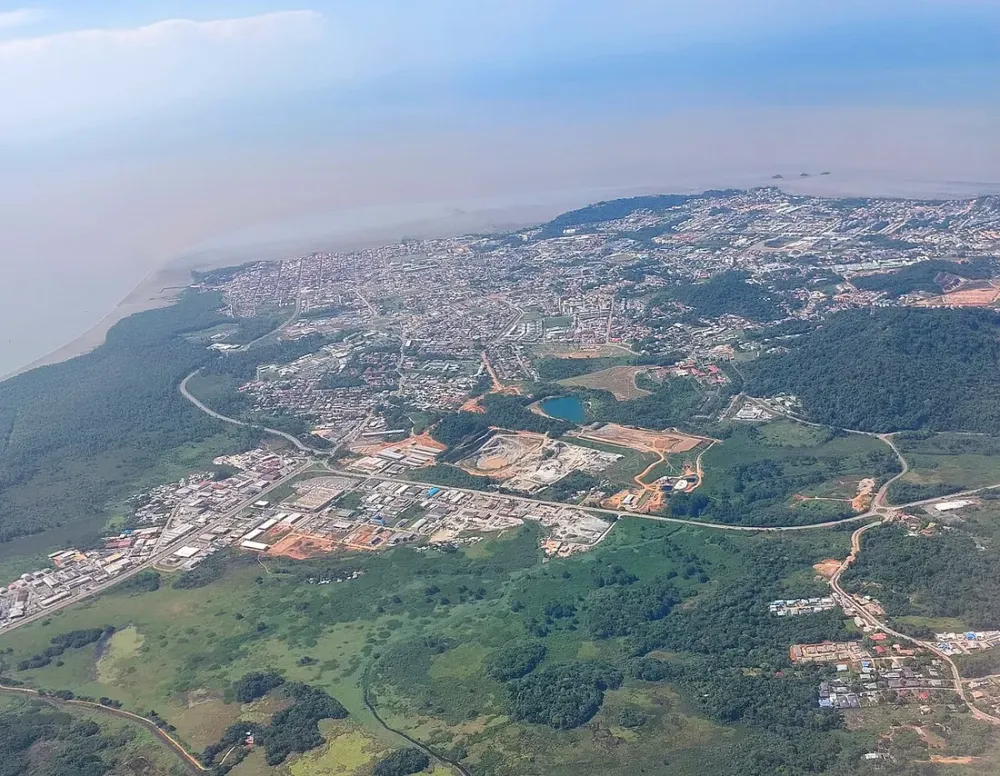
Cayenne is the central municipality, but “living in Cayenne” in the broad sense often means living in the Centre Littoral urban area, which brings together three adjoining towns:
Cayenne: the administrative, commercial and historic heart, denser and more urban.
Rémire-Montjoly: a highly sought-after residential town east of Cayenne, known for its beaches and quality of life.
Matoury: a town in the south of the urban area, home to Félix Éboué airport, mixing residential areas, retail zones and villages.
To these you can add slightly more distant towns such as Macouria (Soula) or Montsinéry-Tonnegrande, which attract those looking for more space and quiet, at the cost of longer journeys.
Two realities shape the choice of a neighbourhood in French Guiana:
A car is almost unavoidable. Public transport exists but remains limited; the vast majority of residents get around by car. Your commute will weigh heavily on your quality of life.
The rental market is tight. The supply of quality housing falls short of demand in the sought-after areas. You often need to move fast and plan for temporary accommodation while you find the right place.
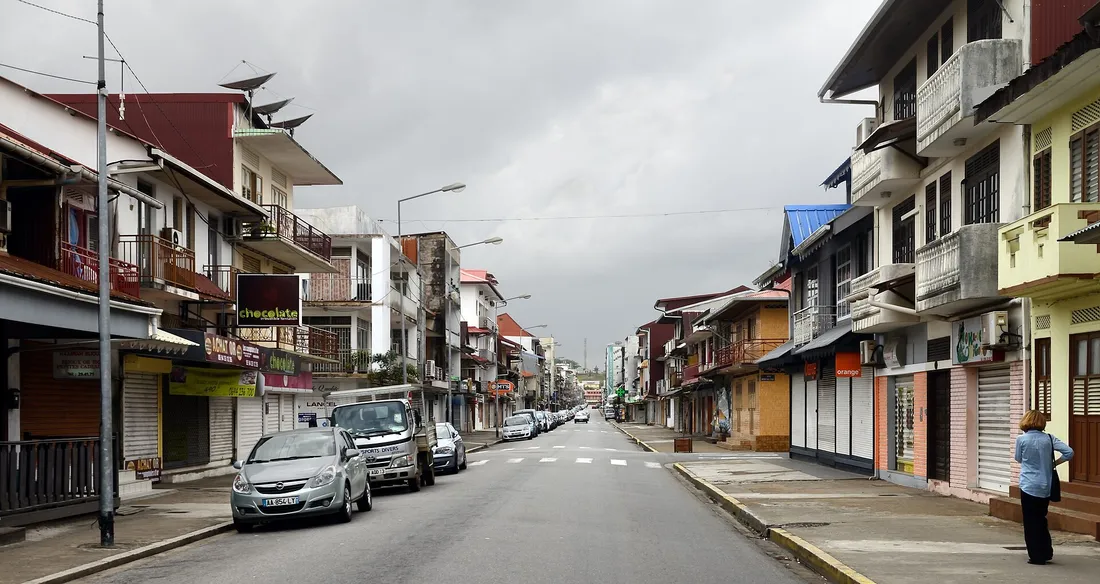
Cayenne’s city centre concentrates history and activity: the place des Palmistes, the place Victor Schoelcher and the Cayenne market (Wednesday, Friday and Saturday mornings, as a rough guide) are its landmarks. Here you will find colourful Creole architecture, government offices, plenty of shops and restaurants, and an active community life.
Living in the centre appeals to those who want to do everything on foot or with short journeys, enjoy a neighbourhood atmosphere and don’t need a large home. Areas such as the Village chinois, les Amandiers or the streets around the centre offer varied profiles.
Points to watch
Parking can be tricky and buildings are sometimes old (check the condition, the air conditioning and the sound insulation).
Some areas are livelier than others in the evening; find out about the specific street, not just the neighbourhood.
Homes with outdoor space (garden, large terrace) are rarer than on the outskirts.
The centre suits a first move well, or a single person or couple without children who want to be in touch with the city before, possibly, moving further out.
Rémire-Montjoly: residential living and beaches
Rémire-Montjoly is often the first choice for families and professionals settling in. The town is known for its beaches (Montjoly, the plage des Salines, the Rorota trail), its residential estates and an atmosphere that is greener and more open than central Cayenne.
Who is it for?
Families looking for houses with gardens, schools and easy access to the beaches.
People who work in Cayenne but want to come home to a quieter setting in the evening.
Outdoor enthusiasts (the Rorota hike, seaside sport, nature outings).
What to plan for
It is a sought-after area: quality properties go quickly and rent levels are among the highest in the urban area (as a rough guide, budget more than in the centre for an equivalent surface area with outdoor space).
Depending on the location, expect journeys to reach the centre or the retail zones, especially at peak times.
Some areas near the coast can be more exposed to mosquitoes; comfort depends a great deal on how the home is fitted out (mosquito screens, air conditioning, ventilation).
Matoury: between the airport, the shops and the villages
Matoury, in the south of the urban area, is a growing town that combines residential areas, large retail complexes (the Zone de Balata / Collery area) and proximity to Félix Éboué airport.
Strengths
Convenience: quick access to the big shops and the airport, useful if you travel often or expect family visits.
A varied housing supply, from recent estates to more spacious houses, often with an attractive space-to-price ratio compared with Rémire-Montjoly (indicative only).
Greener, more village-like areas (Balata, La Désirée, Cogneau) for those who want space.
Points to watch
The town is spread out: quality of life depends a great deal on the specific area (proximity to main roads, traffic noise, services).
As everywhere in the urban area, a car remains essential and journeys into Cayenne can be busy at peak times.
The more distant towns: Macouria, Montsinéry and green space
For those looking for more space, more nature and often a more affordable budget per square metre, the towns to the west and south of the urban area are worth a look.
Macouria (including the village of Soula): growing fast, it attracts new residents with recent estates and larger plots. The trade-off: longer daily journeys into Cayenne.
Montsinéry-Tonnegrande: very natural, valued for its quiet and large plots, but more isolated in terms of services and shops.
These choices suit people who prioritise their living environment, remote work (subject to a good connection, to be checked case by case) or a longer-term property project, and who accept being less central.
How to choose your neighbourhood: the criteria that really count
Beyond the image of each area, a few concrete criteria make the difference day to day in French Guiana:
The commute: this is often the number one factor. Test the journey at peak times if you can.
The home’s thermal comfort: air conditioning, orientation, natural ventilation and mosquito screens matter as much as the neighbourhood itself.
Safety and the feel of the street: get precise information, street by street, not just town by town.
Proximity to schools if you have children (places are in demand at certain establishments).
Access to shops and healthcare: pharmacies, supermarkets, healthcare professionals.
The overall budget: rent, but also service charges, air conditioning (a significant electricity cost) and fuel for your journeys.
Budget benchmarks (purely indicative)
Rent levels vary a great deal depending on the type of property, its condition, whether it has outdoor space and the season. As a rough guide only, central Cayenne and Matoury tend to be more affordable than Rémire-Montjoly for a comparable surface area, while the more distant towns often offer more space for a given budget. Never rely on an average: visit, compare and negotiate case by case.
Preparing your arrival: the settling-in checklist
Arriving from mainland France takes a little planning. Here is a checklist to secure your first few weeks:
Arrange comfortable temporary accommodation so you don’t sign a lease in a rush.
Open or update your rental application file (guarantees, supporting documents): landlords often ask for a solid file.
Locate your workplace on a map and test the journeys at peak times.
Arrange transport (buying or renting a car) as soon as you arrive.
Check internet/mobile coverage in the area you’re targeting, especially if you work remotely.
Plan ahead for your children’s schooling (catchment areas, enrolment, deadlines).
Take out the essential contracts (electricity, water, home insurance).
Scout out the nearby shops, pharmacy and healthcare professionals.
Get mosquito protection and adapt the home (screens, ventilation).
Stay flexible: rent first if need be, then refine your choice of neighbourhood after a few weeks on the ground.
Why temporary accommodation helps you choose well
The most common trap when you arrive in French Guiana is signing a lease remotely or in a hurry, without being able to feel a neighbourhood’s real atmosphere, test the journeys and visit in person. Using temporary furnished accommodation for the first few weeks lets you take your time, compare several areas (central Cayenne, Rémire-Montjoly, Matoury) and commit only once you are sure of your choice.
It is also a reassuring solution for a transfer, a work assignment or an arrival with the family: you are up and running from day one, without waiting to furnish an empty home. At Hostel Toucan, we offer accommodation in the Cayenne urban area designed for these settling-in stays. Discover our properties and contact us to find the right formula for your plans.
If you are instead the owner of a property in French Guiana and would like to rent it out with peace of mind, our property management service can also support you. And for more advice on living and travelling in French Guiana and the French West Indies, browse the blog.
Frequently asked questions
Which is the best neighbourhood for a family in Cayenne?
Rémire-Montjoly is often mentioned by families for its residential setting, its beaches and its schools, but it is also more sought-after and more expensive. Matoury offers a good space/budget compromise. The “best” neighbourhood depends above all on your workplace, your budget and your priorities.
Do you absolutely need a car to live in Cayenne?
In the vast majority of cases, yes. Public transport exists but remains limited, and the urban area is spread out. Arrange transport as soon as you arrive, even if that means renting a car while you get organised.
Is it better to live in the centre or on the outskirts?
Central Cayenne offers activity and services close by, ideal for a single person or a couple. The outskirts (Rémire-Montjoly, Matoury, Macouria) offer more space, more quiet and often outdoor space, at the cost of longer journeys. Many newcomers start in the centre then move further out once they are settled.
How much does housing cost in Cayenne?
Rents vary a great deal depending on the neighbourhood, the condition, the surface area and whether there is outdoor space. As a rough guide, the most sought-after areas such as Rémire-Montjoly are more expensive, while the more distant towns offer more space for a given budget. Compare several properties and visit before you commit.
How can you find housing quickly when arriving from mainland France?
With a tight market, the best strategy is to arrive with a temporary accommodation solution, prepare a solid rental application file and act fast. That stops you signing under pressure and gives you time to choose the right neighbourhood.
Preparing your move to French Guiana? Don’t sign your lease blind: book comfortable temporary accommodation in the Cayenne urban area with our properties, giving you time to try out the neighbourhoods and find your ideal base. A question about settling in? Contact us, we’ll be delighted to advise you.
Nous utilisons des cookies de mesure d'audience et de publicité pour améliorer votre expérience
et nos campagnes. Vous pouvez accepter ou refuser. Voir notre
politique de confidentialité.