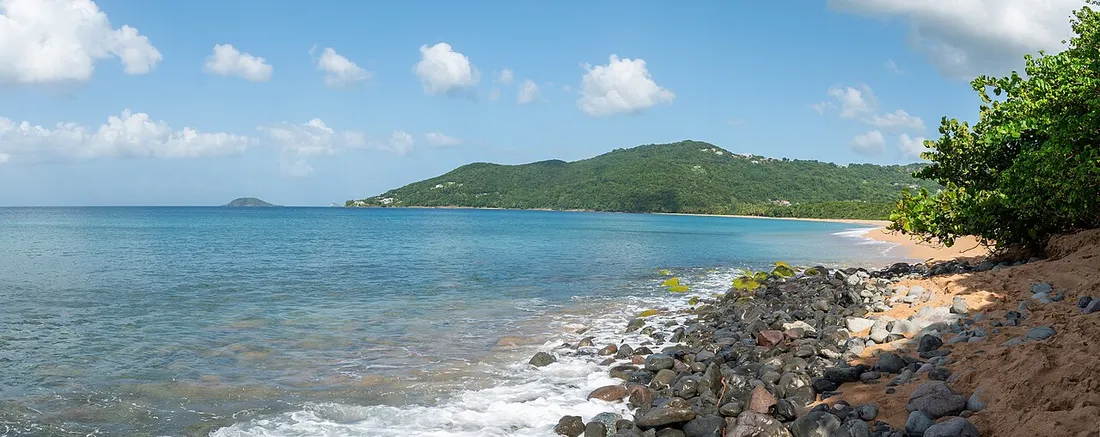
Knowing when to visit Guadeloupe is the very first question our travelers ask us on WhatsApp, often well before they even pick their accommodation. And an honest local’s answer is more nuanced than the eternal “come between December and April.” Yes, the dry season remains the safe bet. But after years living between Grande-Terre and Basse-Terre, I can assure you: there is no bad month to discover the butterfly archipelago, only months that match (or don’t) your traveler profile and your budget. Here is the real weather calendar, month by month, based on what we observe on the ground and on Météo France Guadeloupe records.
Carême and hivernage: Guadeloupe’s two real seasons
Forget the four European seasons. Here, 6,800 km from Paris (and -5h in winter, -6h in summer), the year splits into two periods that everyone names in Creole as well as French:
- The carême (December to April): the dry season. Steady trade winds, drier air, rare and brief showers. Temperatures of 24 to 29 °C, sea at 26-27 °C. This is the best time to visit Guadeloupe in the classic sense of the term.
- The hivernage (June to November): the wet season. Heavier heat (28 to 32 °C), intense but short tropical showers, often late in the day, and a hurricane risk concentrated in August-September. Sea at 28-29 °C, a real bath.
- May and November: two pivot months, often excellent shoulder seasons that are unfairly overlooked.
A detail the brochures forget: rain does not fall the same everywhere. The windward coast (Atlantic side, Le Moule, Capesterre) receives the clouds pushed by the trade winds; the leeward coast (Bouillante, Deshaies, Malendure) stays noticeably drier. And Basse-Terre, with La Soufrière rising to 1,467 m, catches up to 8 times more rain at altitude than the beaches of Sainte-Anne. A storm over the volcano therefore never means a ruined day on the lagoon side.
Month-by-month weather: a local’s calendar
December to February: glorious weather
- December: start of the carême, vegetation still green from the hivernage, 25-29 °C. The last two weeks (holidays) are the most expensive of the year: expect +30 to +50 % on accommodation and flights.
- January: trade winds well established, “cool” evenings at 22 °C that have Guadeloupeans pulling out their light sweaters. Carnival kicks off: guaranteed atmosphere on Sundays in the streets of Pointe-à-Pitre.
- February: statistically one of the driest months (around 60-80 mm of rain in Pointe-à-Pitre versus over 200 mm in September). Calm sea on the Caribbean side, ideal conditions for the Cousteau Reserve at Malendure.
March and April: end of the carême, my personal pick
- March: constant sun, but the vegetation yellows on Grande-Terre, this is the “real” carême. Crowds drop after carnival, except during Easter week.
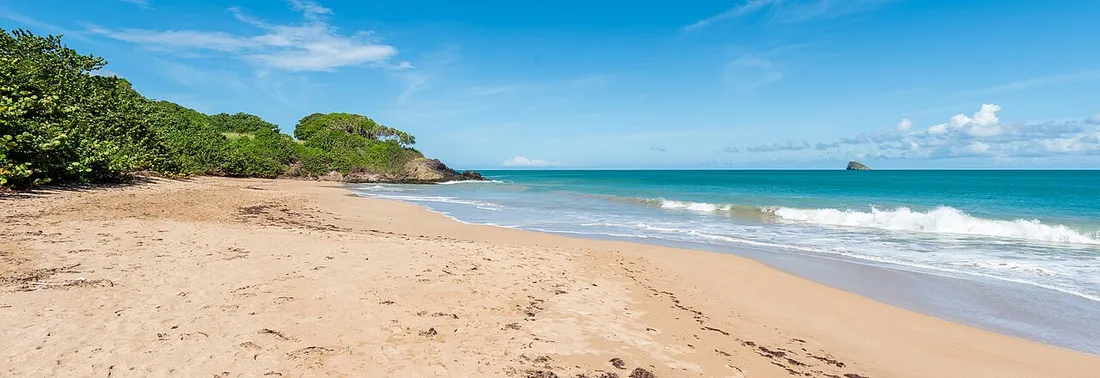
- April: my favorite month. Glassy sea, underwater visibility of 25-30 m at the Pigeon Islets, superb light over the Pointe des Châteaux, and prices that start their decline from mid-April. Hikes toward the Carbet Falls are done on dry trails.
May and June: the savvy shoulder season
- May: first showers that turn the archipelago green again, but still 7 to 8 hours of sunshine a day. Rates drop 20 to 35 % compared to February. Excellent weather-to-price ratio.
- June: official start of the hivernage, heat settling in (31 °C in the afternoon), brief showers. The sea rises to 28 °C, perfect for snorkeling at Petite-Terre.
July and August: the hot, lively summer
- July: humid but very sunny between the squalls. This is the high family season: book early, especially in Sainte-Anne and Saint-François. The Fête des Cuisinières in August and the patron saint festivals enliven the towns.
- August: hot (32 °C feels much more), thundery showers, start of the hurricane peak. Statistically, the risk of a hurricane directly hitting the archipelago during YOUR two weeks stays low, but keep an eye on Météo France alerts.
September and October: the accepted low point
- September: the wettest month and the heart of hurricane season. It is also the cheapest: Paris–Pointe-à-Pitre flights sometimes under 450 € round trip, rentals at -40 %. For flexible travelers with good cancellation insurance, the gamble is worth taking: between two systems, the days are magnificent and the waterfalls of Basse-Terre are at full flow.
- October: still humid, but the hurricane risk drops sharply in the second half. The beaches of Grande Anse in Deshaies are nearly deserted on weekdays.
November: the gradual return of dry weather
Transition toward the carême: showers space out, the vegetation is lush, prices stay gentle until mid-December. The Route du Rhum (even years) electrifies Pointe-à-Pitre at the finish. An excellent month to combine hikes, beaches and a controlled budget before high season.
Which period for your traveler profile?
Here is the decision table we share with our guests before booking:
- Families with school-age children: July (before the hurricane peak) or the February-Easter holidays. Favor the calm lagoons of Bois Jolan or La Caravelle in Sainte-Anne.
- Divers and snorkelers: February to May for maximum visibility in the Cousteau Reserve and at Petite-Terre.
- Hikers (La Soufrière, Carbet Falls): January to April, dry trails and a summit more often clear in the morning.
- Tight budgets: May-June or September-November, with 30 to 45 % savings on accommodation and car rental.
- Culture lovers: January-February for carnival, May-June for the Terre de Blues festival in Marie-Galante, November for the Route du Rhum.
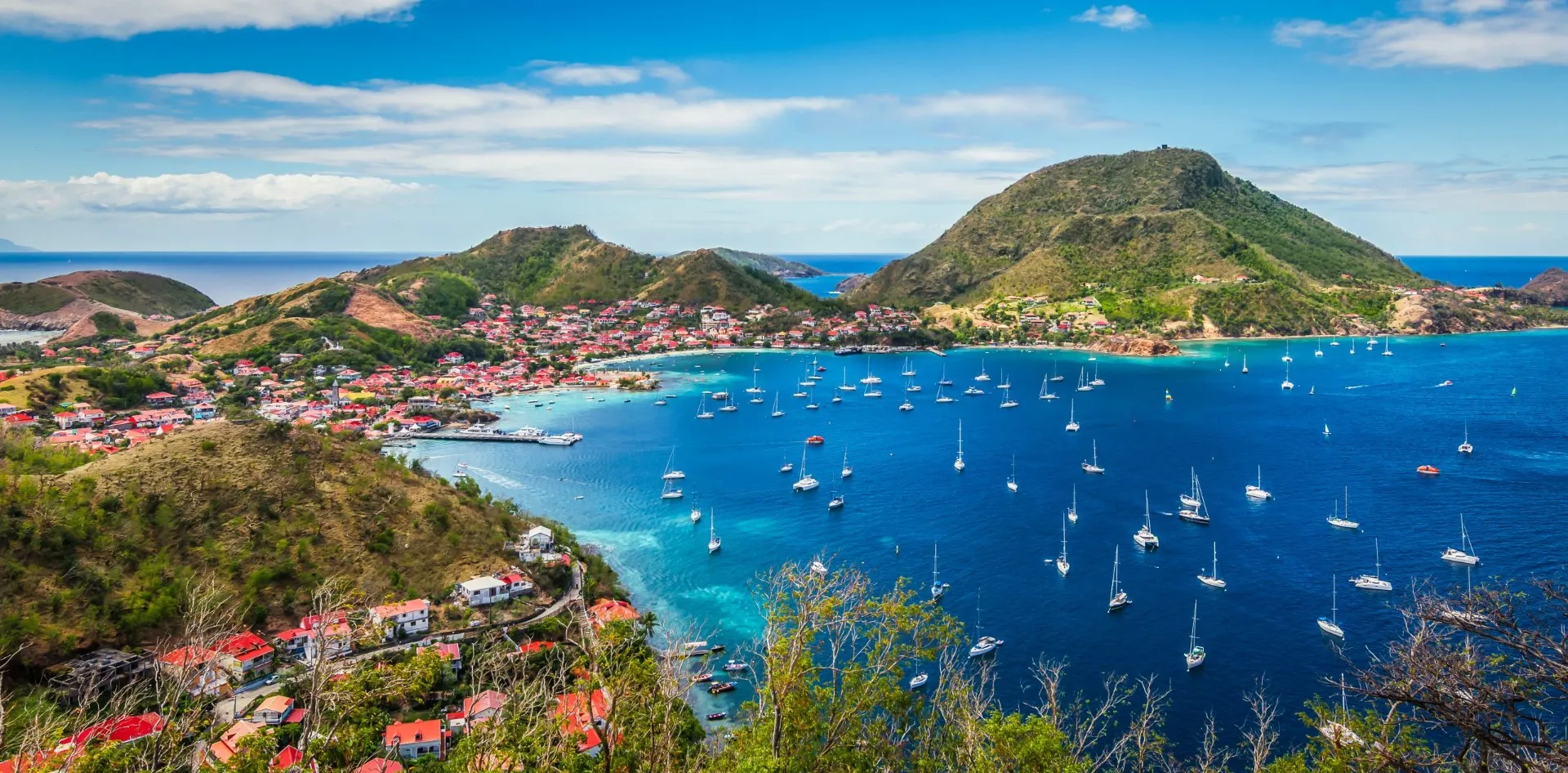
- Honeymoons and couples: April-May or late November: mild weather, quiet beaches, golden light over Les Saintes.
To build your itinerary once your dates are set, our complete Guadeloupe guide details every town, from Deshaies to Le Gosier.