You have just learned that you are being transferred to the CHU of Guadeloupe. Between the excitement of a fresh start in the tropics and the logistical head-spin of moving 6,800 km from mainland France, the housing question comes up fast. Where should you live when you work at the CHU? How much should you budget? Should you sign a lease sight unseen, or opt for temporary accommodation while you look for the right place? This guide is written for nurses, care assistants, doctors, physiotherapists, midwives and every hospital staff member preparing to relocate. It brings together concrete pointers on towns, neighbourhoods, budget and paperwork, with price ranges given as indications only, because the Guadeloupean market shifts with the season and with rental pressure.
Where the CHU is and why that changes everything
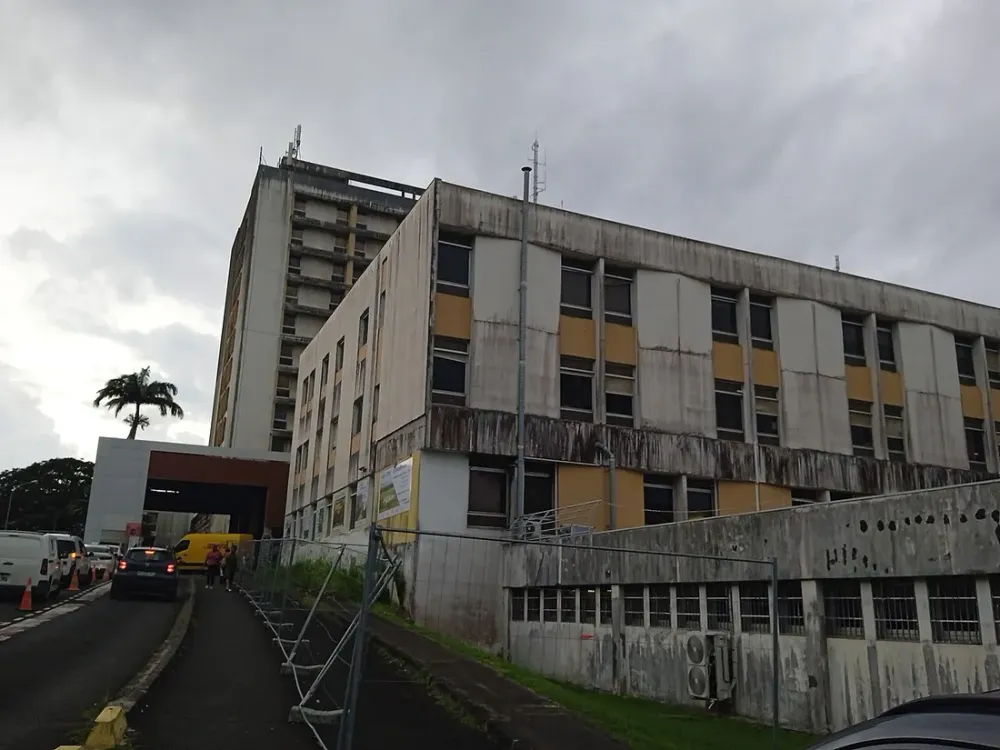
The CHU of Guadeloupe (the university teaching hospital) sits in Les Abymes, the town bordering Pointe-à-Pitre, at the heart of the Pointe-à-Pitre urban area. It is the archipelago’s main healthcare facility. Its location largely dictates your housing choice, because in Guadeloupe the home-to-work distance is measured less in kilometres than in real travel time: the roads around Pointe-à-Pitre (the N1, the N5, the boulevard des héros) suffer serious congestion at peak hours, especially in the morning between 7am and 8:30am and in the evening from 4:30pm onwards.
For a healthcare worker on shift patterns (clocking in at 6:30am, coming off a night shift, on-call duties), living near the CHU or on a free-flowing route is not a luxury but a genuine gain in quality of life. A journey that looks short on the map can turn painful if you have to cross the Gabarre bridge or central Pointe-à-Pitre at the wrong time of day.
Guadeloupe’s geography in a nutshell
The archipelago is split mainly between two wings: Grande-Terre (to the east, flatter and more urban, home to Pointe-à-Pitre, Les Abymes and Le Gosier) and Basse-Terre (to the west, volcanic and green, with the prefecture town of Basse-Terre and Bouillante). Since the CHU is in Grande-Terre, most healthcare workers settle on that side to keep commutes short.
The towns to target around the CHU
Here are the main options, with their strengths and their constraints. Rent ranges are indicative, for furnished or unfurnished properties depending on the case, and vary widely with condition, view and proximity to the sea.
- Les Abymes: the CHU’s own town. Living here cuts your commute to the bare minimum. Varied neighbourhoods, from the most residential to the most working-class; areas such as Grand-Camp or Dothémare offer affordable housing.
- Le Gosier: a highly sought-after seaside town east of Pointe-à-Pitre. Pleasant setting, close to the beaches, lively atmosphere. In return, rents are among the highest in the urban area and the drive to the CHU depends on traffic.
- Baie-Mahault: a major economic hub (the Jarry business zone), west of Pointe-à-Pitre. Plenty of shops, well served by roads. A good compromise if you are after newer housing, but beware of the Jarry bottlenecks.
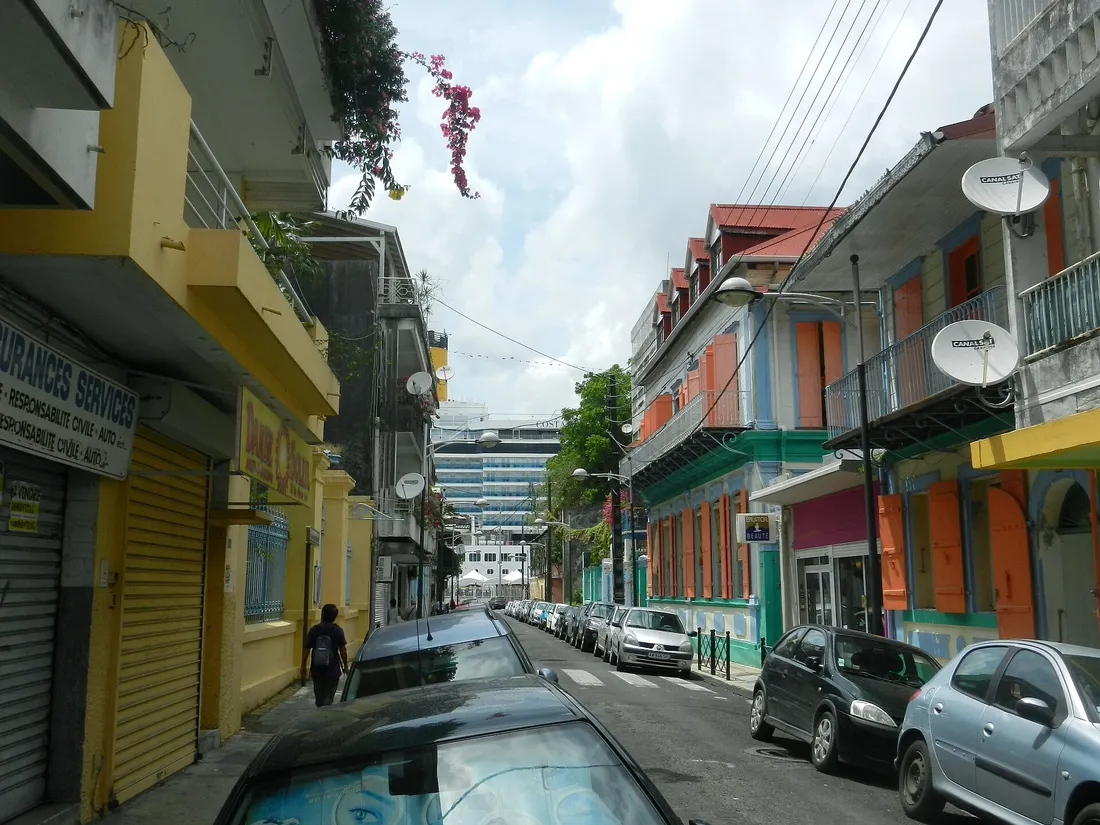
- Pointe-à-Pitre: the historic centre, denser and more urban. Handy for those who want everything on foot, less so for those seeking quiet.
- Le Moule, Sainte-Anne: further east, quieter and close to beautiful beaches, but the daily commute to the CHU gets noticeably longer.
A piece of on-the-ground advice
If you do not know the island yet, avoid signing a long-term lease from mainland France on the strength of photos alone. The reality of a neighbourhood (noise, neighbours, the property’s actual condition, exposure to bad weather) can only be judged on site. That is precisely why temporary accommodation on arrival often saves time and spares you unpleasant surprises.
Renting unfurnished, furnished, or going for temporary accommodation
Three approaches coexist, depending on your situation.
An unfurnished rental suits you if you are settling for the long haul, your furniture is following by container and you are happy with a 3-year (renewable) lease. It is often the lowest monthly rent, but moving in requires a security deposit, sometimes a guarantor, and a waiting period.
A furnished rental is ideal for a healthcare worker arriving without furniture, or for a first year. The lease is more flexible (often 1 year, or a mobility lease of 1 to 10 months for professional transfers), but rent is slightly higher.
Temporary accommodation (a stay of a few weeks to a few months) is the most flexible way to arrive with peace of mind: you drop your bags immediately, start your job stress-free, and look for your permanent home once you are on site, actually viewing properties in person. It is a very useful bridge while your container is in transit (allow several weeks of sea freight from mainland France).
The mobility lease, an ally for transfers
Remember to raise the mobility lease (bail mobilité) with landlords or agencies. Created for people on the move professionally (transfer, training, assignment), it runs from 1 to 10 months, is non-renewable, requires no security deposit, and applies to furnished housing. A transfer to the CHU falls squarely within this framework: it is a tool worth knowing about for your first move.
Budget: what to expect
The cost of living in Guadeloupe is generally higher than in mainland France, particularly for imported food and energy. On the pay side, staff of the hospital public service benefit from schemes specific to the overseas territories (uplifts, a possible relocation bonus, and in some cases a geographic hardship allowance): check with the CHU’s human resources department to find out exactly what you are entitled to, as these elements vary with status and seniority.
A few housing budget benchmarks, to be taken as indicative orders of magnitude rather than firm prices:
- Furnished studio / one-room flat: the lower end of the urban area’s range, suited to a single person starting out.
- Two- or three-room flat: the mid-range, depending on the town and proximity to the sea.
- Villa with outdoor space or a pool: the top of the range, especially in Le Gosier or by the sea.
To these amounts, add the utilities (electricity including air conditioning, water, internet), which weigh more heavily in the tropics because of air conditioning. Also plan an initial setting-up budget: security deposit, any agency fees, first purchases of equipment, and a vehicle (all but essential).
The car question
In Guadeloupe, a car is almost unavoidable for a healthcare worker: public transport exists but does not effectively cover the hospital’s shift hours. Factor this item (purchase or long-term lease, insurance, fuel) into your relocation budget from the outset.