
Getting your transfer notice for Martinique usually brings a mix of excitement and logistical vertigo. Between an assignment order that sometimes arrives late, a posting to a school in a town you have never even heard of, and a move of more than 6,800 km, housing quickly becomes the central question. Where do you drop your bags on arrival? Should you rent remotely from mainland France, at the risk of nasty surprises? How much should you budget? This article gathers concrete benchmarks to help you prepare your move as a teacher transferred to Martinique, from your first landing at Aimé-Césaire airport to signing a year-long lease. The amounts given are indicative only: they vary by town, by season and with market conditions.
Understanding the island’s geography before choosing
Martinique covers roughly 1,100 km², which is small for a French département, but the terrain and traffic jams stretch journey times considerably. Before setting your search area, first pinpoint where your school is, because it is the school that should dictate your housing choice.
The island breaks down roughly into several major living areas:
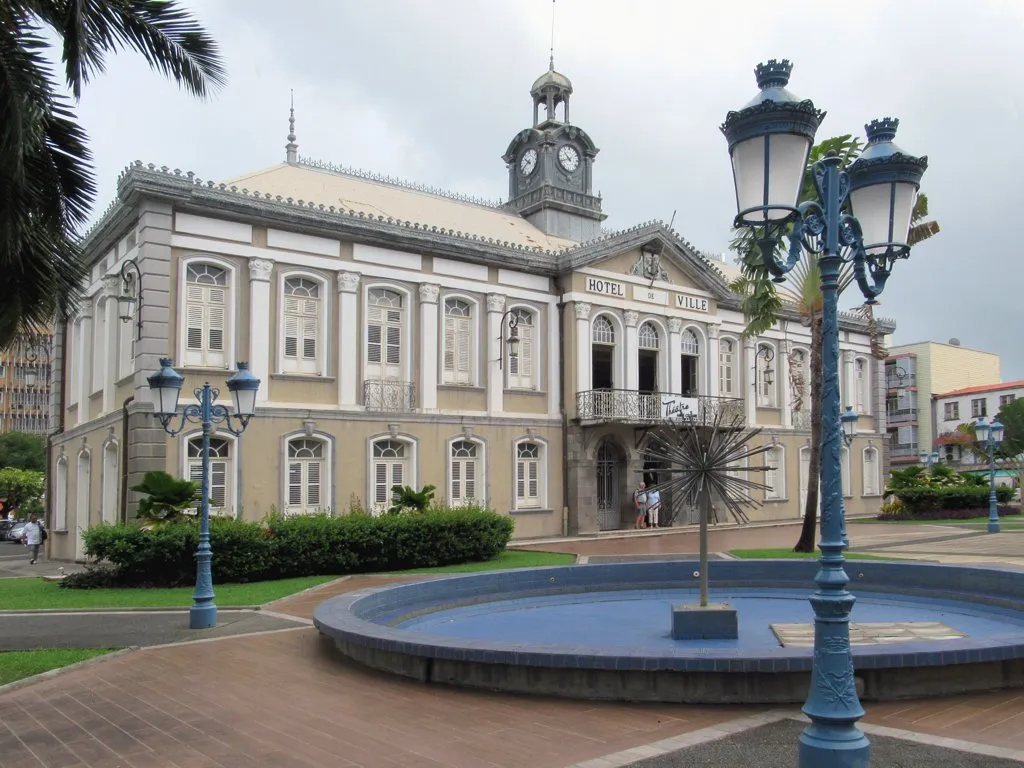
- The centre (Fort-de-France, Schoelcher, Le Lamentin): the administrative and economic heart, with a high concentration of schools, but heavy traffic at peak hours.
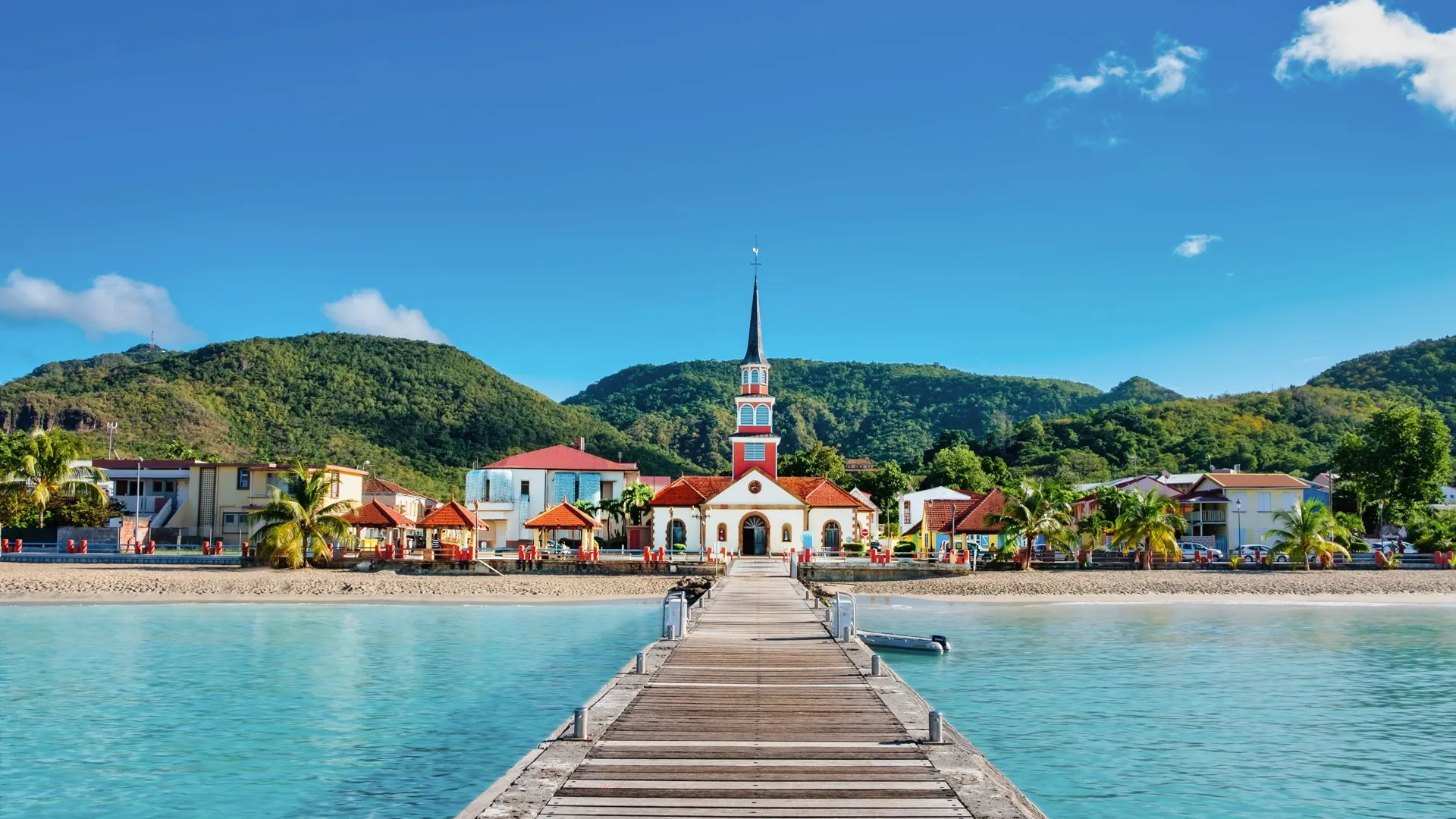
- The south (Le Marin, Sainte-Anne, Rivière-Pilote, Le Diamant, Sainte-Luce, Les Trois-Îlets): more touristy, with famous beaches, a tight rental market and often higher prices.
- The Caribbean north (Saint-Pierre, Le Carbet, Le Prêcheur): authentic and lush, but far from the main employment and retail hubs.
- The Atlantic north and centre-east (La Trinité, Le Robert, Le François, Le Gros-Morne): more affordable, with a small-town feel, but sometimes long commutes to Fort-de-France.
The golden rule: start from the school, not from the postcard
Many newcomers dream of a rental right on the water in Sainte-Anne or Les Trois-Îlets. That is understandable, but if you teach in Le Lamentin or Fort-de-France, you risk an hour on the road morning and evening in the jams on the N5 or the A1 motorway. Take the time to measure the real home-to-school journey at peak hours (on weekdays, around 7 a.m. and 4.30 p.m.) before committing.
Rent remotely or wait until you are on the island?
This is the classic dilemma of an overseas transfer. Signing a lease from mainland France is reassuring, but it exposes you to disappointments: flattering photos, a noisy neighbourhood, damp you cannot see, an underestimated distance. On the other hand, arriving with nothing lined up can be stressful.
The solution most often recommended by teachers already settled there: arrive a few days or a few weeks before the start of term with temporary accommodation, then view properties and sign on the spot. You see the real neighbourhood, you test the commute, you meet the landlord, and you avoid remote rental scams (requests for a bank transfer before any viewing, fake agents).
Precautions if you do rent remotely anyway
- Never pay any money before a viewing (in person or a live video call, not just photos).
- Check the landlord’s identity and insist on a compliant written lease.
- Be wary of abnormally low rents in a sought-after area.
- Ask for dated photos and a live video tour of every room.
Temporary accommodation on arrival
That landing pad is often the key to a successful move. Furnished accommodation for a few weeks gives you time to search calmly, recover from a several-hour time difference and handle the paperwork without the pressure of an over-budget hotel.
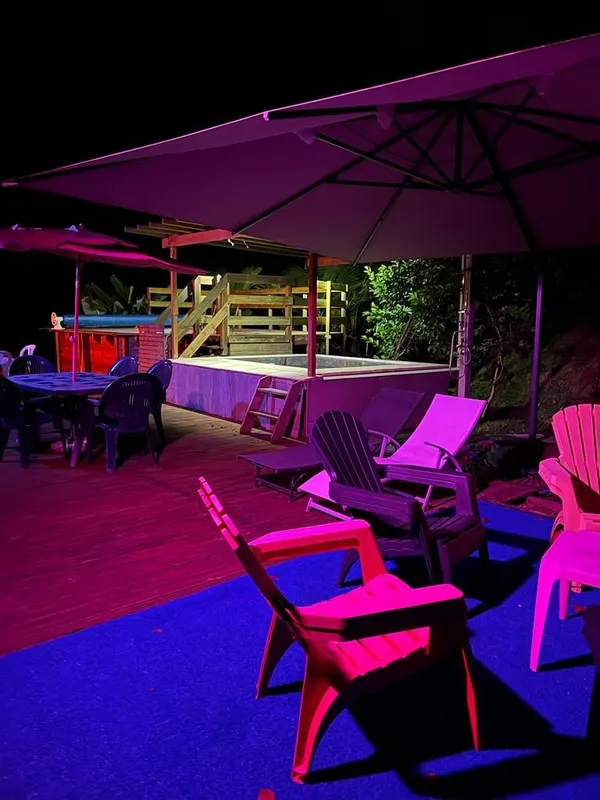
For this phase, a furnished and fully equipped home with a kitchen and wifi is ideal: you can cook, prepare your lessons for the new term and receive your post. That is exactly the kind of solution our para-hotel concierge service offers with our properties in Martinique, designed for transition stays on arrival. Feel free to contact us to set dates that cover your settling-in period.
How long should you allow?
As a guide, allow two to four weeks of transition depending on how tight the market is and how quickly you move. During the back-to-school period (July-August), rental demand rises and properties go fast: planning ahead prevents you from being stuck in temporary accommodation longer than expected.
The rental market: budget and realities
Rent levels vary widely by town, proximity to the sea and the condition of the property. The ranges below are indicative and change with the season and available supply.
- Studio / one-room flat: generally the most sought-after segment among single people on transfer; rents are higher in the touristy south than in the centre-east.
- Two- or three-room flat: suited to couples and families; towns such as Le Lamentin, Ducos or Rivière-Salée often offer better value for space than central Fort-de-France or the seaside south.
- House / villa: more common in the north and centre-east, with a garden, but far from the main hubs.
Points to watch that are specific to the island
- Damp and ventilation: favour a well-ventilated home facing the trade winds. A poorly aired property quickly develops mould and odours.
- Air conditioning: not every property has it; check, and factor its cost into your electricity bill.
- Water: cuts or rota-based supply restrictions can occur in some towns. Ask about the local area.
- Parking and mosquitoes: often overlooked, but they weigh on daily life.
Costs to plan for
- Security deposit (usually the equivalent of one to two months’ rent depending on the type of rental).
- First month’s rent in advance.
- Possible agency fees.
- Setting up utility meters (electricity, water) and an internet subscription.
- Home insurance, which is mandatory.