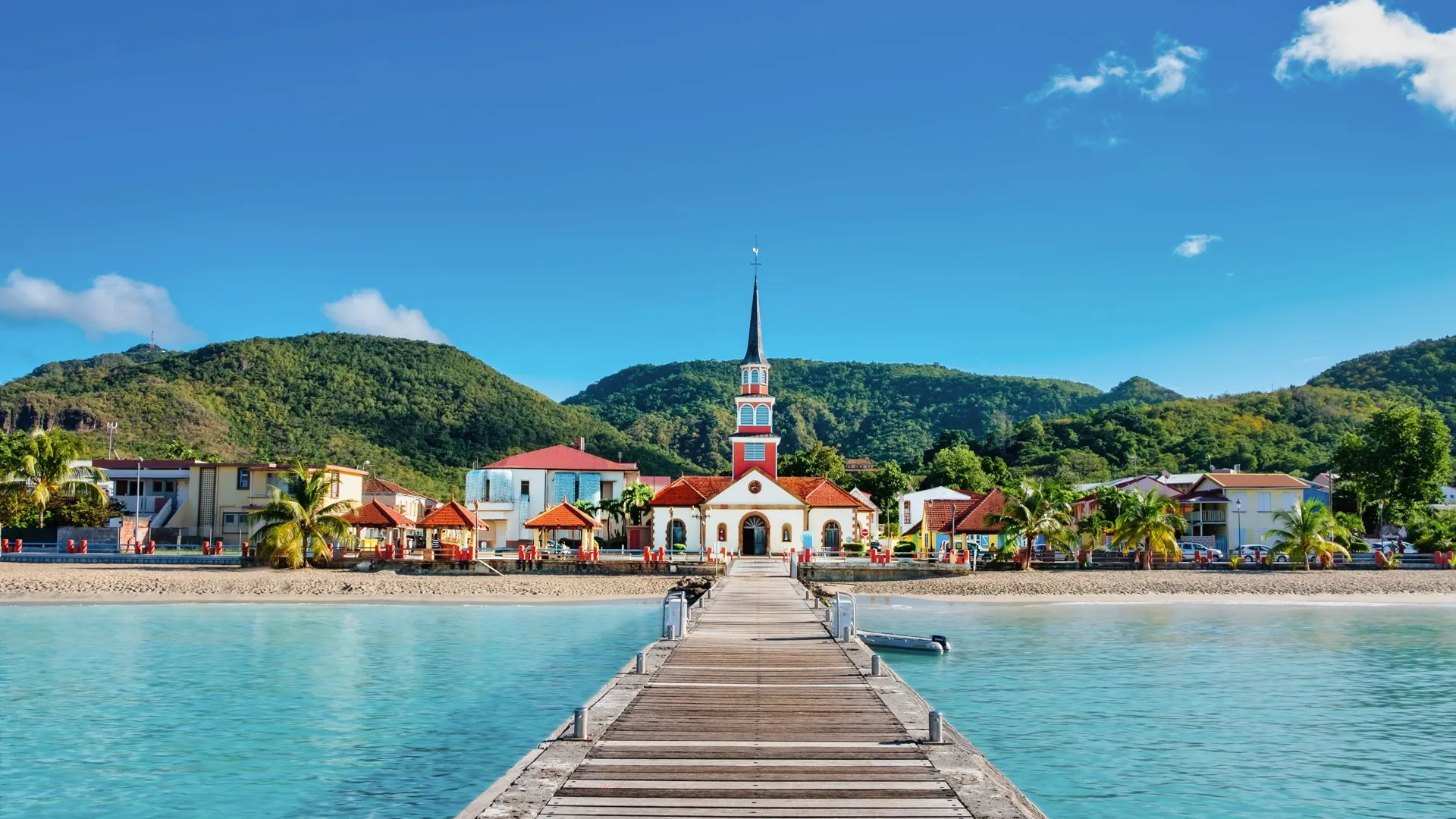
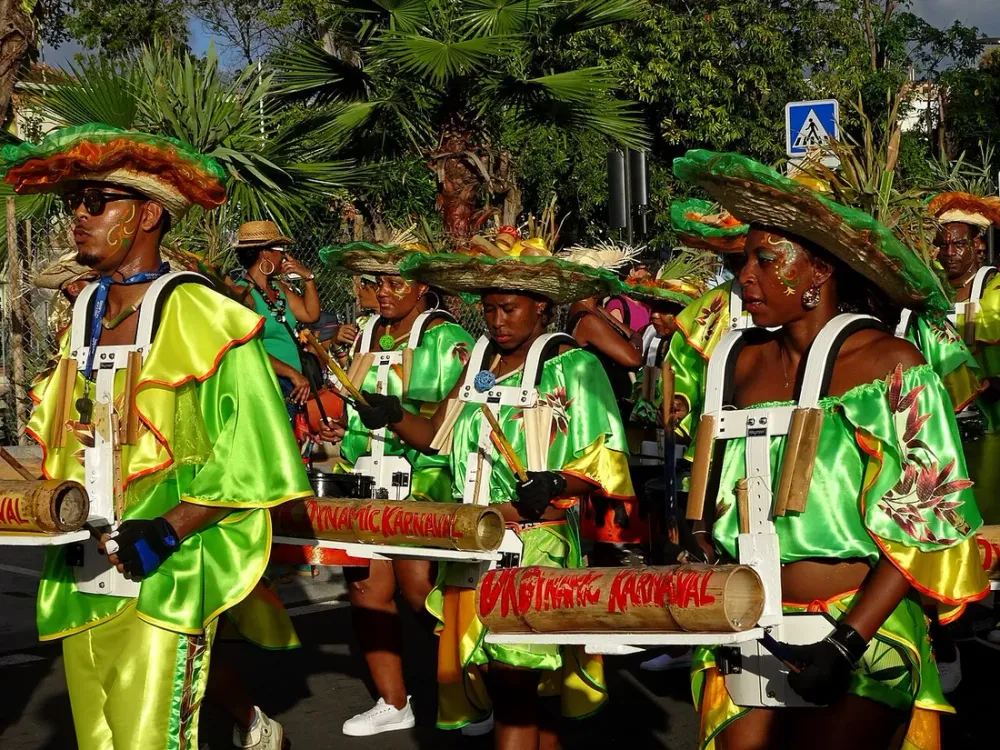
People often come to Martinique in summer for the beaches and the rum, and leave marked by something else entirely: an impromptu bèlè session on a village square, a patron-saint parade that closes off the road, the smell of skewers grilling at a neighborhood lolo as night falls. Because beyond the dry season of Carême (December to April) and the February–March carnival, the island lives a second high point, quieter but just as intense: the season of Martinique summer festivals, set to the rhythm of each town’s Martinique patron-saint feast. As a resident here and a devoted follower of these gatherings, I offer you a Martinique cultural calendar organized town by town, with a tip the guidebooks forget: these feasts drive up local demand for accommodation. Best to know it before you book.
Understanding the patron-saint feast calendar
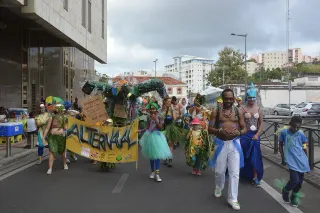
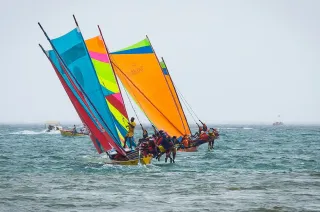
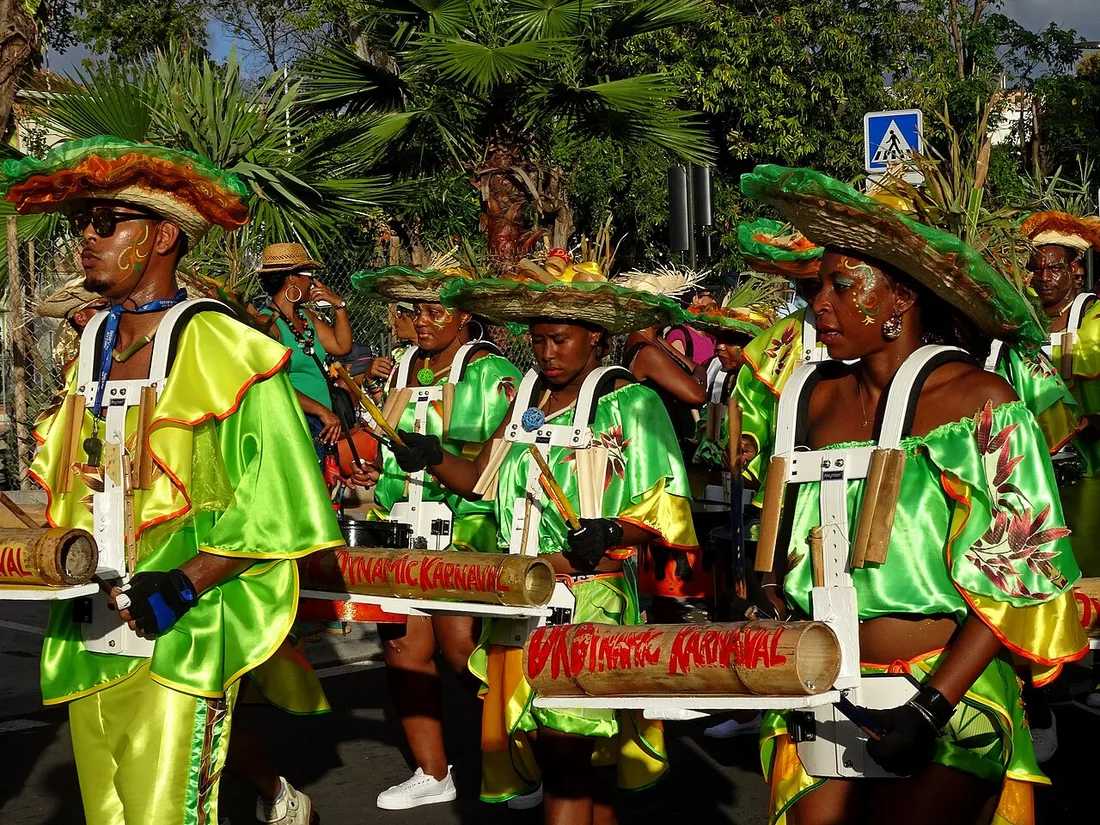
In Martinique, every town has its patron saint and its patron-saint feast, inherited from Catholic tradition but reinvented Creole-style. On paper, it’s a religious celebration; on the ground, it’s three to five days of popular festivities: Creole Mass, torchlight procession, queen pageants, yole or gommier races, dances, fairground rides and stalls of bokits, accras and boudin.
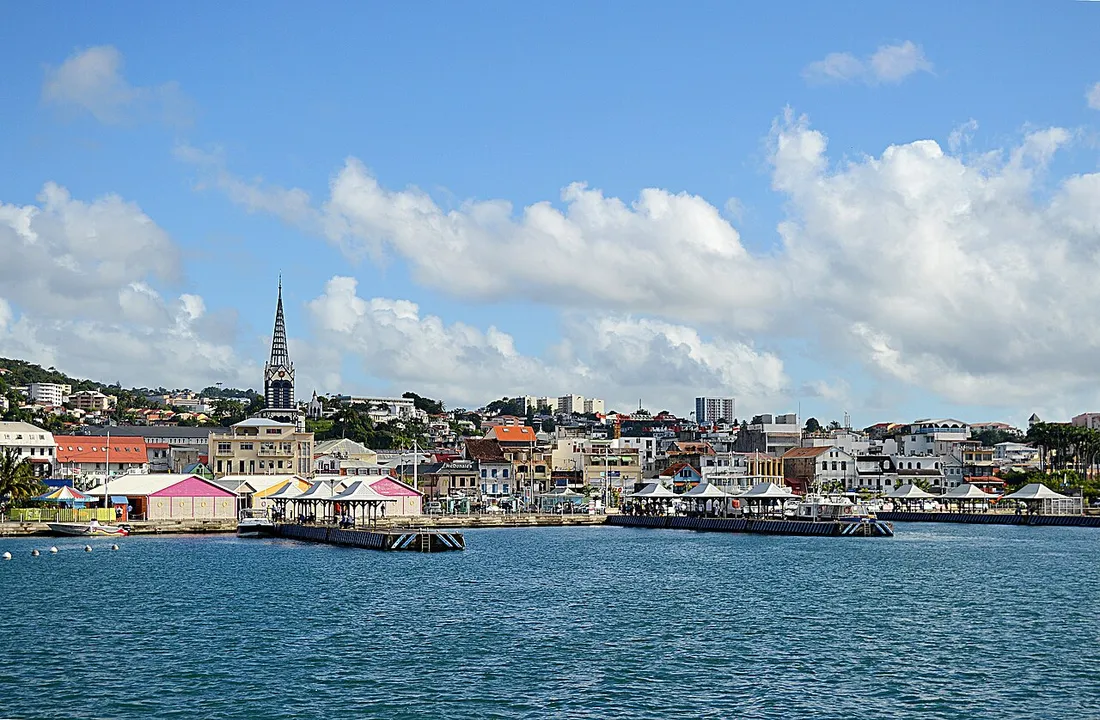
A few markers, because you’re in a French overseas department here (capital Fort-de-France, around 360,000 inhabitants): you pay in euros, people speak French and Creole, the time difference is -6h in summer compared to Paris, and the phone code is +596. Aimé Césaire airport sits in Le Lamentin, central for reaching any town in celebration.
Three things to know before planning:
- Dates move. The patron-saint feast falls around the saint’s date, but the festive program often shifts to the nearest weekend. Always confirm with the town hall or tourist office.
- Summer concentrates the biggest ones. July and August line up sporting and cultural town tours, taking advantage of the school holidays and the return of Martinicans from mainland France.
- It’s free and open to all. No booking, no ticket: you park (often far away), follow the music, and eat on the spot.
The town-by-town calendar: where and when
Here is a selection of the summer’s most notable gatherings, from the Caribbean South to the North. The dates given are usual markers: the final program is published each year by the towns.
Sainte-Luce (mid-August): the feast of the sea
Turned toward its patron saint in the heart of summer, Sainte-Luce transforms its seafront into a festive village: round yole races in the bay, zouk and bèlè evenings, a queen pageant, and a wealth of stalls along the beach. A much-loved seaside town in the South, the atmosphere is family-friendly and the sea is right there to recover between two concerts. Expect a Creole plate at a lolo for €8 to €15 and a bokit around €5 to €7.
Le Diamant (late August): a feast at the foot of the Rock
Facing the iconic Diamond Rock, the town celebrates its patron saint with a backdrop that’s hard to beat. Torchlight procession along the long beach, water races, music stages and a nighttime artisan market: Le Diamant in celebration is the Caribbean South in all its warmth, fanned by the trade winds. It’s also one of the towns where pressure on accommodation makes itself felt, the great beach already drawing big crowds in summer.
Saint-Pierre (around May 22 and summer): memory and culture
Saint-Pierre, the former capital destroyed by the eruption of Mount Pelée in 1902 (listed ruins, a town awarded the City of Art and History label), carries a unique dimension of remembrance. Beyond the commemorations of May 22 (abolition of slavery) in spring, summer brings neighborhood feasts, seafront events and cultural happenings at the foot of the volcano. A stop to pair with the ruins of the theater and Cyparis’s dungeon, and a dive on the wrecks of the bay for the experienced.
Les Trois-Îlets and the touristy South (July–August)
In Les Trois-Îlets, birthplace of Joséphine de Beauharnais, summer multiplies night markets, concerts and events around the Pointe du Bout and the Pottery Village. Thanks to the ferry to Fort-de-France, it’s an ideal base for alternating village feasts and touristic comfort.
Le François and Le Robert (late July–early August): the Atlantic in full swing
The Atlantic coast comes alive above all during the Tour des Yoles Rondes, late July–early August, with Le François and Le Robert as its strongholds. These towns also have their patron-saint feasts and summer events, against a backdrop of the fonds blancs and Joséphine’s Bathtub. If you’re aiming for that window, it’s the absolute peak of local attendance in summer.
Fort-de-France (August): the Fête des Cuisinières
It’s impossible to talk about a Martinican summer without mentioning the capital. Every August, Fort-de-France hosts the Fête des Cuisinières, a parade in madras and platters of spices by a century-old sisterhood — a pinnacle of authenticity that we detail in a separate article. The city also concentrates many cultural festivals and concerts during the season.