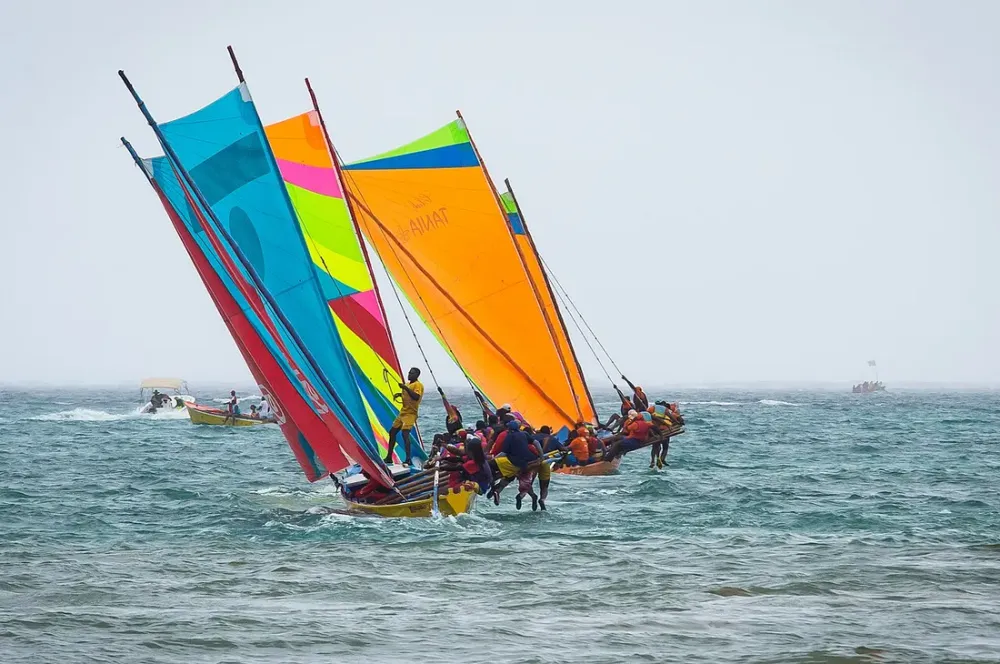
Everyone knows the Tour des Yoles, that big late-July spectacle that sets the Atlantic coast alight. But the sea is celebrated all year round here, and far more discreetly, on the Caribbean side. The most accessible and most family-friendly Martinique nautical week unfolds in the towns of the northern Caribbean coast: Schœlcher and Case-Pilote first and foremost. As an island resident and a regular at these race starts, I’m offering you a clear schedule of these nautical gatherings, far from the crowds of the Tour, with a selection of seafront stays so you can watch the sails set off, coffee in hand. To my mind, it’s the best gateway to understanding Martinique’s maritime culture without getting stuck in traffic.
Why the Caribbean coast to experience sailing differently
The leeward coast — from Fort-de-France to Saint-Pierre via Schœlcher, Case-Pilote, Bellefontaine and Le Carbet — offers a glassy sea that the Atlantic doesn’t have. The trade winds are broken by the hills, and the bays form natural amphitheatres perfect for following a race from the beach. This is where the most convivial Martinique sailing events are concentrated: neighbourhood regattas, inter-club challenges, and outings of gommiers and round yoles outside official competition.
A few markers, since you’re in a French overseas department (capital Fort-de-France, around 360,000 inhabitants): you pay in euros, French and Creole are spoken, the time difference is -5h in winter and -6h in summer relative to Paris, and the dialling code is +596. Aimé Césaire airport is in Le Lamentin, 15-20 minutes from Schœlcher. And a car is strongly recommended: budget 35 to 55 €/day to roam between the coastal towns.
Schœlcher, the maritime neighbour of Fort-de-France
Bordering the capital, Schœlcher gathers nautical clubs, pontoons and a long stretch of beaches (Anse Madame, Anse Gouraud, Fond Lahaye). It is the cradle of a very active sailing association network, where the yole and the gommier are passed down from generation to generation. The bay is enclosed enough that a Schœlcher yole regatta start can be followed entirely from the sand, without a chase boat.
Case-Pilote, one of the oldest fishing villages
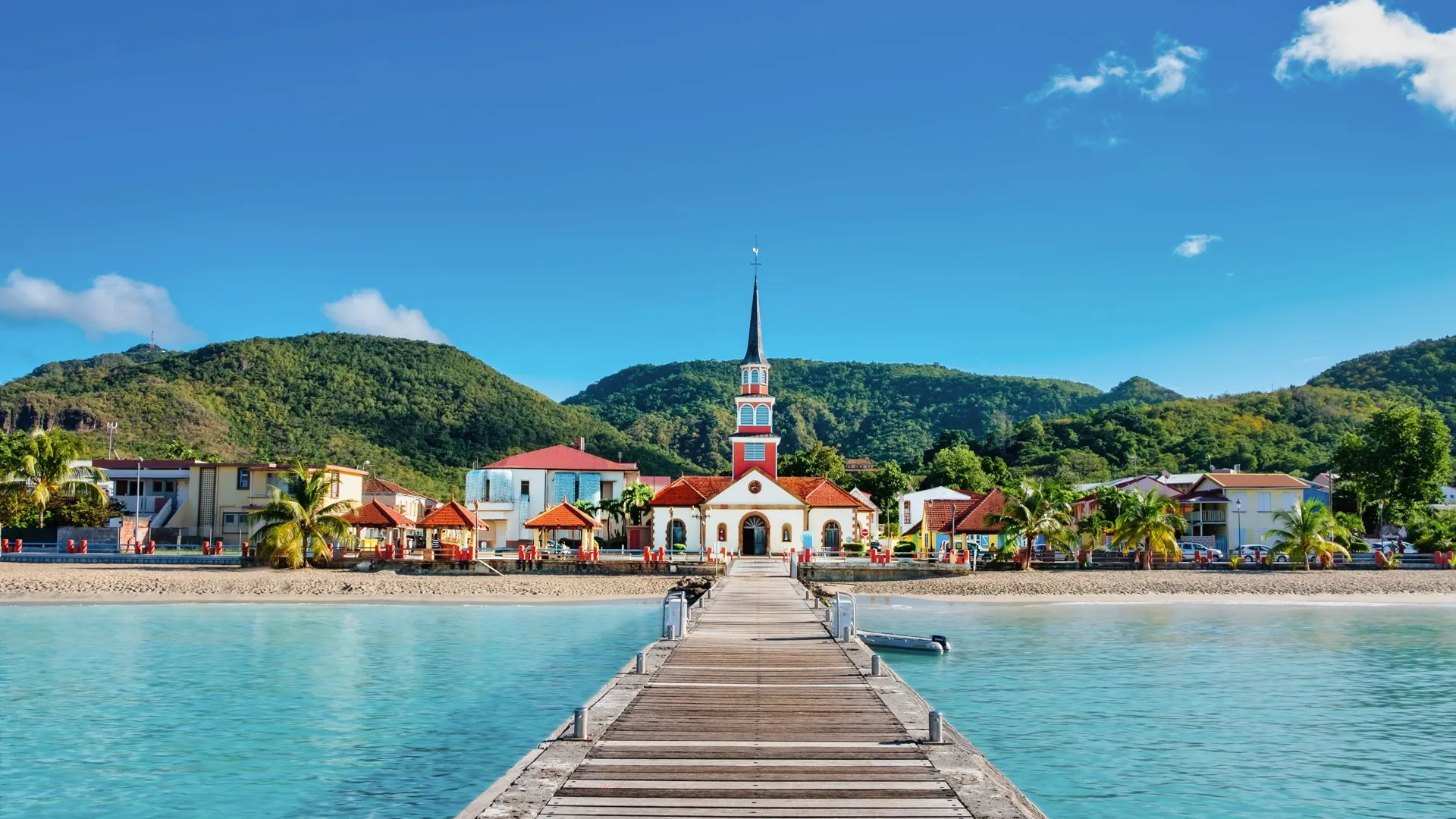
About fifteen minutes further north, Case-Pilote lines up its small colourful harbour, its listed church and a photogenic seafront. A village of fishermen-sailors, it keeps a visceral relationship with the sea: here, a Martinique sea event is never a show staged for tourists, but an extension of the village’s life. Race starts are often given at daybreak, in ideal light.
Typical schedule of a Caribbean-side nautical season
The exact dates change every year and are published by the clubs and town halls a few weeks ahead; here instead are the recurring highlights to plan your visit around. Confirm them with the local tourist offices before booking a flight.
- December to April (the Lenten season) : this is the dry season, the island’s best period, and that of the end-of-year and start-of-year regattas. Flat sea, clear sky, ideal for photographing the sails.
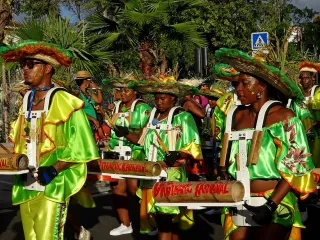
- February-March : the fervour of Carnival spills over onto the water, with festive nautical outings in several coastal towns.
- May to July : the inter-club challenges and selection trials build momentum, rehearsing ahead of the big summer events.
- Weekends and patron saint feasts : each town sets its regatta around its festival (the sailors’ Saint-Pierre, for example), with blessing of the sea, yole races and an evening dance.
In practical terms, a typical day looks like this:
- 7am-8am : crew briefings on the pontoon, launching of the yoles and gommiers.
- 9am-12pm : race heats in the bay, watched from the beach or a public pontoon.
- 12pm-3pm : lunch break on site — bokits, accras, grilled fish from the seafront lolos.
- 3pm-6pm : second heats, prize-giving, then a musical atmosphere (zouk, biguine) along the seafront.
The cost to attend? Free : the races are watched from public land. Just plan for something to eat (8 to 15 € a meal in a lolo) and, optionally, a sea outing with a local club to follow the fleet up close (often 30 to 60 € for a half-day).
Understanding the yole and the gommier before watching
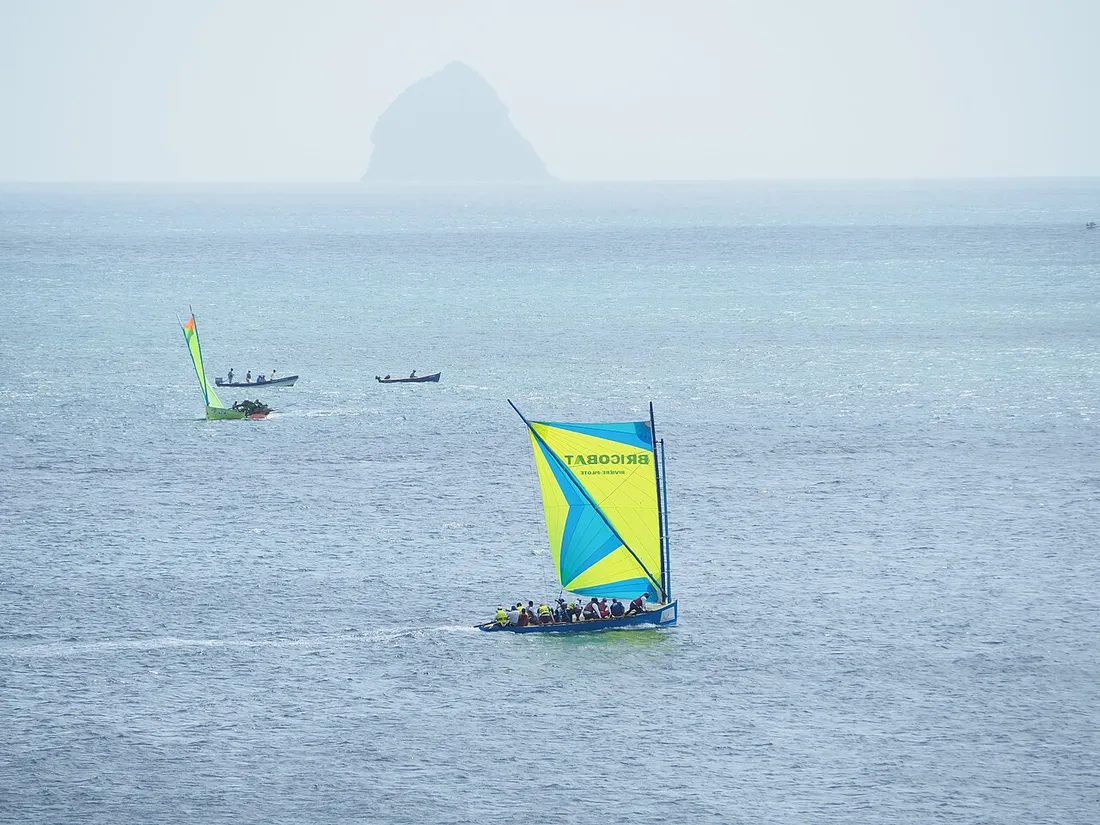
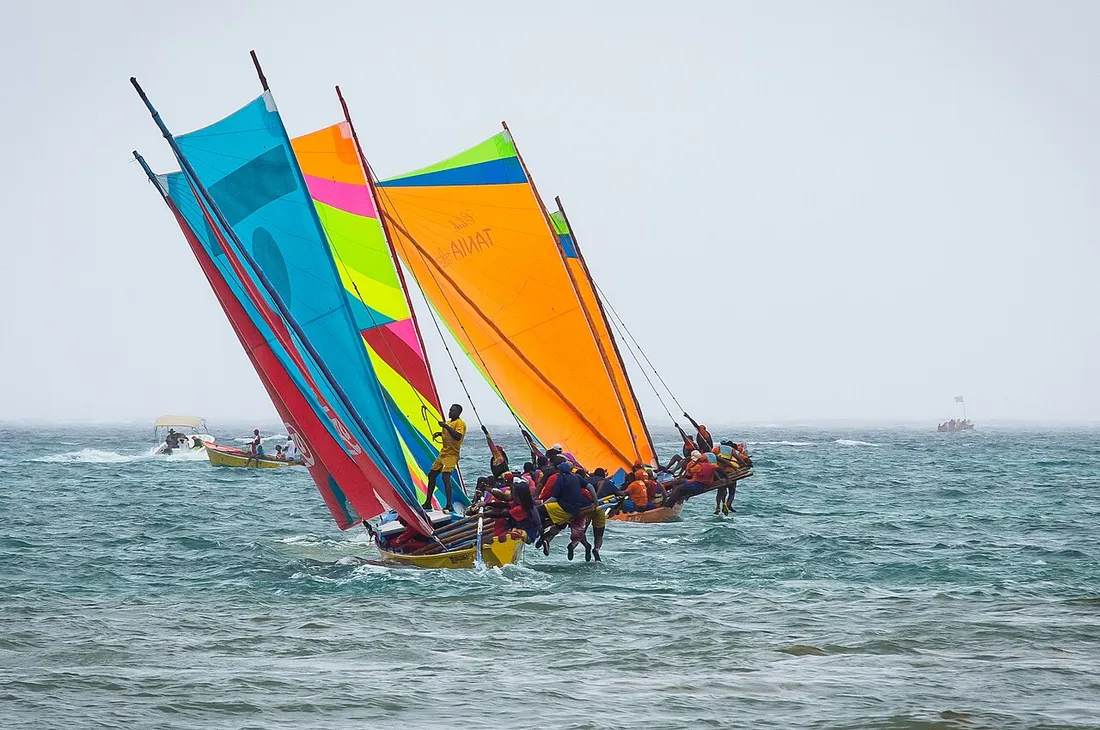
To fully enjoy these Martinique sailing events, it’s best to know what you’re looking at. The round yole is a round-bottomed boat, without keel or centreboard, that stays upright only through the balance of its crew suspended on long poles — the bois de dressage. It has been inscribed since 2020 on UNESCO’s intangible cultural heritage list. The gommier, meanwhile, is the fishing canoe once carved from a single trunk, the direct ancestor of the yole, still raced in regattas on the Caribbean coast.
On the water, the eye quickly catches on:
- The multicoloured square sails, each in the colours of a sponsor or a neighbourhood.
- The crew members balancing above the void, who shift with every tack to avoid capsizing.
- The conch shells blown from the shore to salute the boats.
It’s a sport of patience and coordination, very different from leisure sailing. A Caribbean-side regatta, shorter and easier to read than a Tour stage, is honestly the best format to get started.