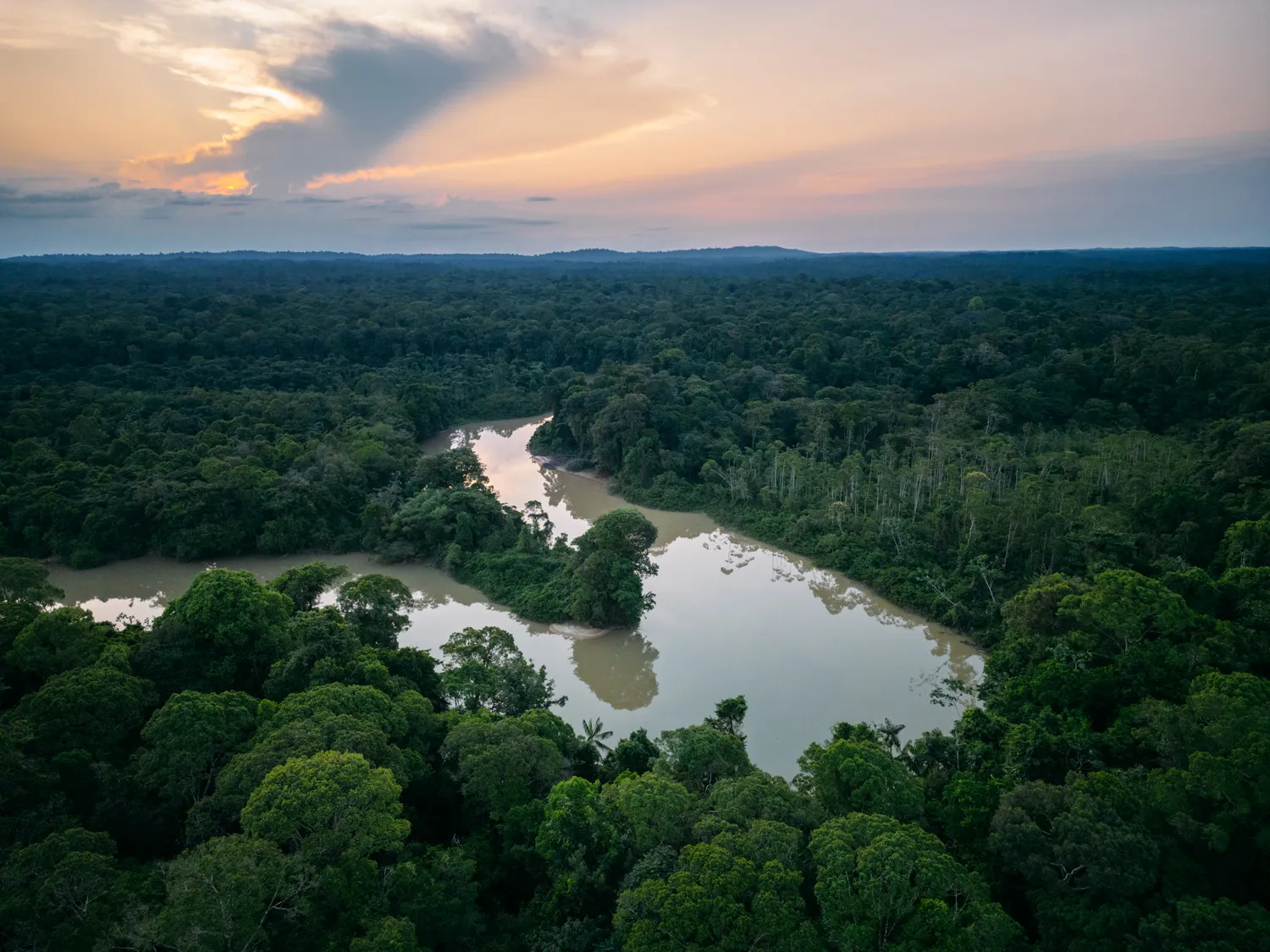

Arriving in French Guiana from mainland France means setting down your bags in a stretch of Amazon rainforest the size of Portugal, nearly 7,000 km from Paris. Whether you are coming for a civil service transfer, a post at the Guiana Space Centre, a contract in healthcare or education, or simply to change your life, settling in is about much more than finding somewhere to live. The real challenge, the one that separates a successful move from a difficult year, is building a network: neighbours, colleagues, associations and communities who will open the right doors for you. French Guiana is a multicultural territory — Creoles, Bushinengue, Amerindians, Hmong, mainland French, Brazilians, Haitians, Surinamese — and the key to fitting in is curiosity and patience. This guide brings together concrete pointers for your first few weeks.
Understanding the territory before building ties
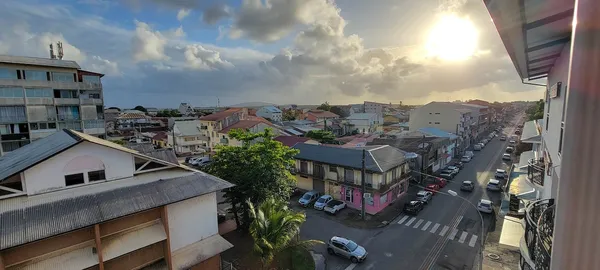
You do not settle in the same way depending on where you land. Most of French Guiana’s population is concentrated along the coast, and each area has its own atmosphere.
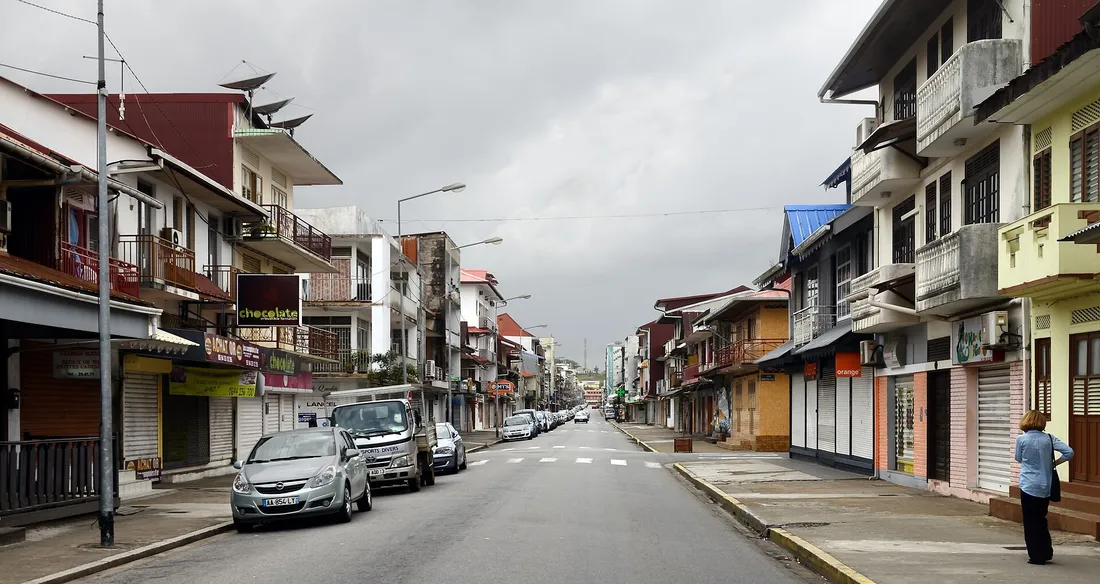
- Cayenne and its urban area (Rémire-Montjoly, Matoury): the administrative and economic heart. This is where you will find the prefecture, the CTG (Collectivité Territoriale de Guyane), the Cayenne hospital, most public services and the densest network of associations. Neighbourhoods such as the town centre, Montabo, Baduel and Zéphir each have their own character.
- Kourou: the town of the Guiana Space Centre. A highly cosmopolitan population, many managers and families on assignment, and a network of clubs and associations structured around the space industry.
- Saint-Laurent-du-Maroni: the second largest town, on the border with Suriname, shaped by the history of the penal colony and a strong Bushinengue and Surinamese presence. More of a river-town feel, with a village-style network.
- Inland and river communes (Maripasoula, Grand-Santi, Camopi, etc.): reachable by pirogue or plane, they call for specific preparation and deep cultural immersion.
In your first few days, take the time to map out your real day-to-day area: where you work, where you will do your shopping, where your children will go to school. Your network will be built first and foremost around these anchor points.
The climate and the pace matter too
French Guiana lives to the rhythm of two main seasons: a rainy season (roughly from December to June, with a lull around March) and a dry season (from July to November). The humidity and heat impose a calmer pace. Many association and sports activities are timed for the cool of the early morning or late afternoon. Accepting that rhythm is already the beginning of fitting in.
Your first administrative steps
Building a network is all well and good, but a newcomer first has practical priorities. Sorting them out quickly frees up your mind for social life.
- Open or transfer a local bank account (useful for direct debits and certain services)
- Register with the CGSS (Caisse Générale de Sécurité Sociale, the equivalent of CPAM/URSSAF in French Guiana)
- Update your address with the tax office, the CAF and your employer
- Find a GP (waiting times can be long, so plan ahead)
- Have your vehicle serviced or adapted: a car is all but essential outside town centres
- Register on the electoral roll of your commune of residence
- Check school enrolment procedures with the education authority and the town hall
As a rough guide, allow several weeks for all of these steps to fall into place. Do not aim for “everything sorted in three days”: the overseas administrative pace calls for patience.
Finding housing: the first building block of integration
Housing is often a newcomer’s first headache. The rental market in French Guiana is tight, particularly in the Cayenne urban area and in Kourou, where demand from managers and families on transfer is strong.
Take your time before signing
The classic mistake is signing a lease remotely, without having seen the neighbourhood, the air conditioning, the orientation or the surroundings. Poorly insulated housing can quickly become uncomfortable in an equatorial climate. The most reassuring approach is to arrive, settle into temporary furnished accommodation, then search on the ground with full knowledge of the facts. That way you can visit, compare neighbourhoods and avoid committing in haste.
That is exactly what our concierge service offers with our accommodation: furnished, move-in-ready places to cover your first few weeks while you look for a long-term rental. A stable base makes the whole process of settling in far simpler.
Budget pointers (indicative)
Rents vary widely depending on the commune, the surface area and the condition of the property. Purely as a guide and depending on the season, a furnished studio or one-bedroom flat in the Cayenne urban area sits noticeably higher than in provincial mainland France, life in French Guiana being generally more expensive (transport, imports, energy). Allow some margin in your relocation budget and do not rely on a single figure: ask for several quotes and compare.
Building a network: where to start
A network does not fall from the sky: you have to make it happen. Here are the most effective levers for a newcomer.
Neighbours and work
Your first allies are your neighbours and your colleagues. In French Guiana, word of mouth is king: for a reliable tradesperson, a good address, a nursery place or an administrative tip, a well-informed neighbour is worth ten online searches. Take the time to say hello, to accept an invitation, to join a farewell or welcome drink. Creole conviviality is cultivated through these small gestures.
At work, many employers (the hospital, the national education system, CNES and its subcontractors, local authorities) are used to welcoming people on transfer and sometimes have dedicated support. Do not hesitate to ask whether there is a welcome association for newcomers or a relocation contact person.
Associations and clubs
This is probably the fastest way to meet people around a shared interest:
- Cultural associations: very numerous, they carry the multi-ethnic richness of the territory (Creole dance, Bushinengue, Hmong and Brazilian cultures, and more).
- Sports clubs: football, running, swimming, water sports, hiking. Walking and trail-running groups are particularly active and welcoming.
- Parents’ associations: an excellent entry point when you arrive with a family.
- Nature conservation and discovery associations: sea turtle watching outings at Rémire-Montjoly during nesting season, birdwatching, mangrove exploration.
Events and places to be
Nothing beats real contact. The Cayenne market (place du Coq, very lively at weekends) is an institution: you meet every community there, and taste awara broth around Easter, colombo, Chinese soups and local fruit juices. Carbets, neighbourhood parties and the events around the Guianese Carnival (one of the longest and liveliest in the world, running from Epiphany to Ash Wednesday) are all opportunities to mix into local life.
- The Carnival and its “touloulou” balls: essential for understanding the Guianese soul.
- Concerts, night markets and neighbourhood car boot sales.
- Weekend nature outings (islets, beaches, hiking trails) where it is easy to meet other enthusiasts.
Online groups, to be used with discernment
Mutual-help groups for newcomers exist on social media (housing tips, furniture sales, administrative questions). They can be genuinely useful, but they do not replace human contact. Use them as a starting point, not as a substitute for real life.