Hostel Toucan — Apartments & Hotels
Menu

Settling in

Banking and mobile in French Guiana: setting up as a newcomer

Published on July 30, 2026 · by Ismael Samuel

Banking and mobile in French Guiana: setting up as a newcomer

You’ve just set your bags down in French Guiana, or you’re preparing your transfer from mainland France? Once the plane ticket and the housing are sorted, two formalities top the list: opening a local bank account and getting a mobile line that actually has signal once you’re past the Balata roundabout. These two steps condition almost everything else: receiving your salary, paying your rent, signing a lease, taking out insurance, or simply calling a tradesperson. Good news: since French Guiana is a French department, the euro is legal tender and the banking framework is identical to the mainland. But a few local particularities, occasionally longer processing times and very uneven network coverage are worth anticipating. This guide walks you through it step by step, with indicative benchmarks to avoid unpleasant surprises.

Do you really need a local bank account in French Guiana?

No, there is no legal obligation: your mainland account remains perfectly valid in French Guiana, with the same French IBAN, the same cards and no exchange fees since you stay within the eurozone. Many newcomers do in fact keep their original account for the first few weeks.

In practice, though, opening an account with a bank that has a local presence brings several concrete advantages:

  • Face-to-face contact: for a first car loan, a mortgage or simply an authorised overdraft, a physical branch in Cayenne, Kourou or Saint-Laurent-du-Maroni makes conversations much easier.
  • Cash withdrawals: French Guiana remains a territory where cash circulates a great deal (markets, small shops, inland communes). A fee-free ATM network within reach is genuinely useful.
  • Local account details: some employers, social housing landlords and local authorities appreciate (without requiring) bank details tied to a branch in the territory.
  • Being close by when there’s a problem: blocking a card, getting a cashier’s cheque, depositing cash… everything is simpler with a branch a short drive away.

Online accounts: an option that makes sense here

Fully online banks and neobanks work in French Guiana just as they do elsewhere, as long as you have a valid French postal address and an internet connection. They can serve as a quick stopgap while you finalise opening a branch account, or as a lasting solution if you don’t need a counter. One caveat, though: depositing cash is often impossible or charged for, which can be limiting in a territory where cash is still very present.
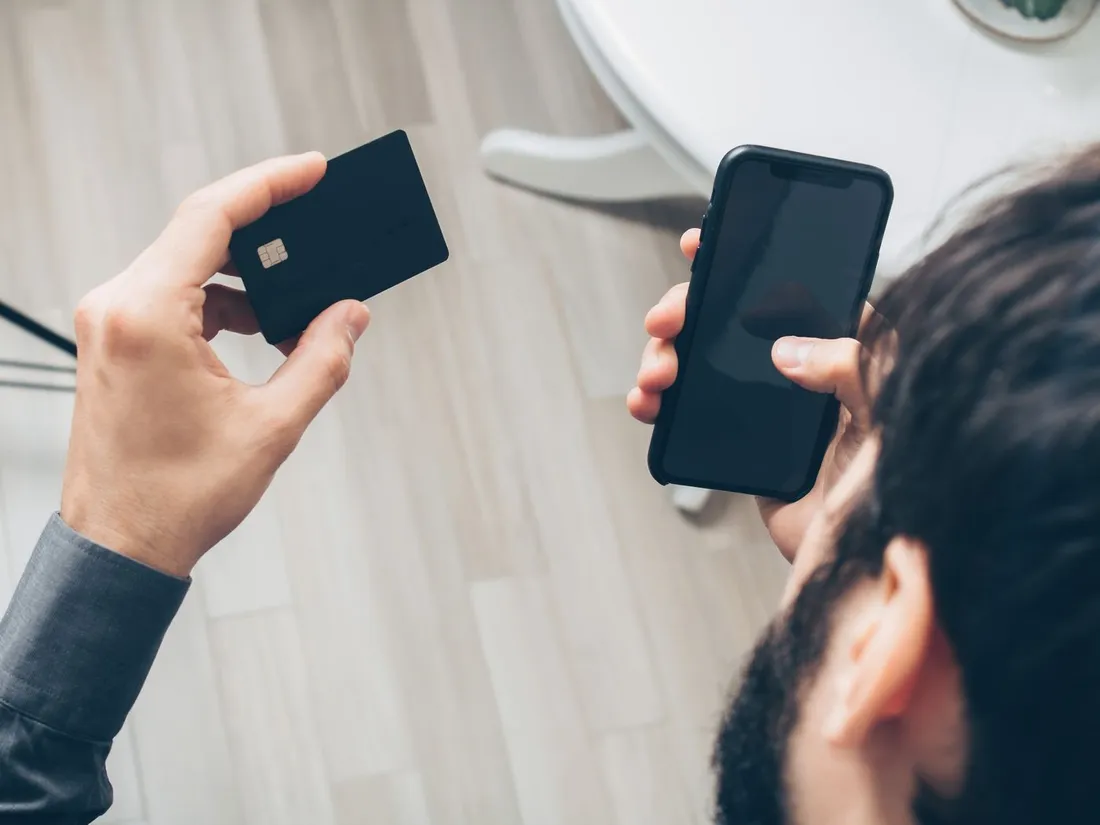
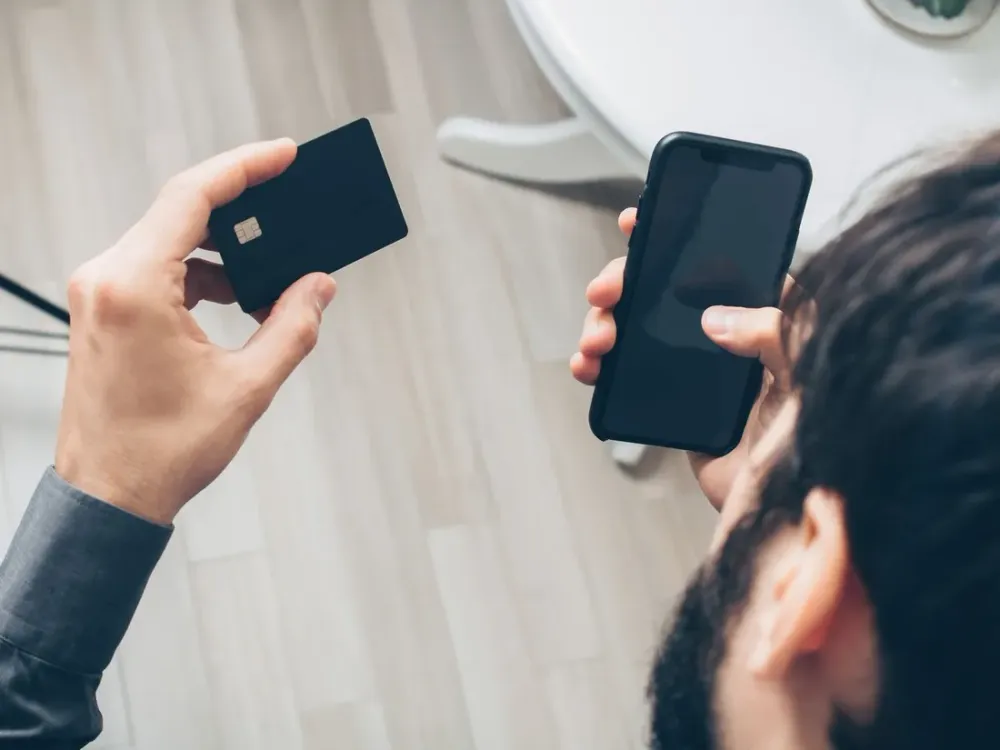
Nouvel arrivant tenant une carte bancaire dans une main et un smartphone dans l'autre, symbolisant l'ouverture d'un compte et d'une ligne mobile
Compte bancaire et ligne mobile : les deux premieres demarches a regler en arrivant en Guyane — © Photo Mikhail Nilov (Pexels)

Which banks will you find on the ground?

The Guianese banking landscape mixes large national networks with regional players more deeply rooted in the French West Indies and Guiana. In Cayenne and the main communes you’ll find well-known national brands, alongside mutual and regional banks specialising in the overseas territories. Most branches are concentrated along the coast, where the bulk of the population lives: Cayenne and its urban area (Remire-Montjoly, Matoury), Kourou, and Saint-Laurent-du-Maroni in the west.

What to check before choosing

Rather than focusing on a brand, compare on the criteria that genuinely matter day to day in French Guiana:

  • The density of the ATM network near your home and workplace.
  • Account maintenance and card fees, indicatively in the range of a few euros a month up to several dozen euros a year depending on the card tier you choose.
  • Cash deposit conditions (machine available, limits).
  • The quality of the mobile app, particularly useful when you live far from a branch.
  • How long it takes to receive your card and chequebook, which can be a little longer than on the mainland due to shipping.

Take the time to visit a branch and ask your questions: it’s also a chance to gauge how available the adviser is, a criterion that weighs heavily over the long term.

The documents you’ll need to open an account

Opening a bank account in France, French Guiana included, follows strict identification rules. Put together a complete file before your appointment: it saves you back-and-forth trips, precious when you’ve just landed and everything needs doing at once.

Here is the list of documents generally requested:

  • A valid form of ID (national identity card or passport).
  • A proof of address less than three months old (electricity or water bill, rent receipt, or a hosting certificate together with the host’s ID).
  • Proof of income or situation (employment contract, latest payslip, transfer letter, tax assessment).
  • An initial deposit, depending on the bank.
  • Where applicable, your tax number or a declaration of tax residence.

The proof-of-address headache

This is often the number one sticking point for a newcomer: how do you provide proof of address when you’ve only just arrived and don’t yet have a lease or an electricity contract in your name? Several solutions exist:

  • A hosting certificate written by the person putting you up, together with their ID and one of their own proofs of address.
  • A lease agreement as soon as it’s signed, even a recent one.
  • For those in temporary accommodation while looking for permanent housing, a stay certificate or an accommodation invoice can sometimes do the job: check with the bank you have in mind.

If you’re looking for a comfortable, well-located landing base while you assemble your file, our accommodation — furnished and fully equipped — gives you a stable address during those first administrative steps.

How much time should you allow?

Don’t count on opening a fully operational account in a single morning. As an indication, here are the timelines to anticipate:

  • The opening appointment: from a few days to two weeks to get a slot, depending on how busy the branch is.
  • File validation: quick if all documents are in hand, longer if anything is missing.
  • Receiving your bank card and chequebook: generally allow one to two weeks, sometimes more, as mail delivery to French Guiana can stretch the timeline compared with the mainland.

Practical tip: keep your mainland bank card active throughout the transition period. It will cover withdrawals and payments while you wait for your new card, at no charge within the eurozone.

Getting ahead before you even leave

If your plans are already firm, you can start some steps from the mainland. Informing your current bank of your move to French Guiana, checking your withdrawal and payment limits, and comparing local offers in advance will save you precious time on arrival. Opening an online account before departure can also act as a safety net.
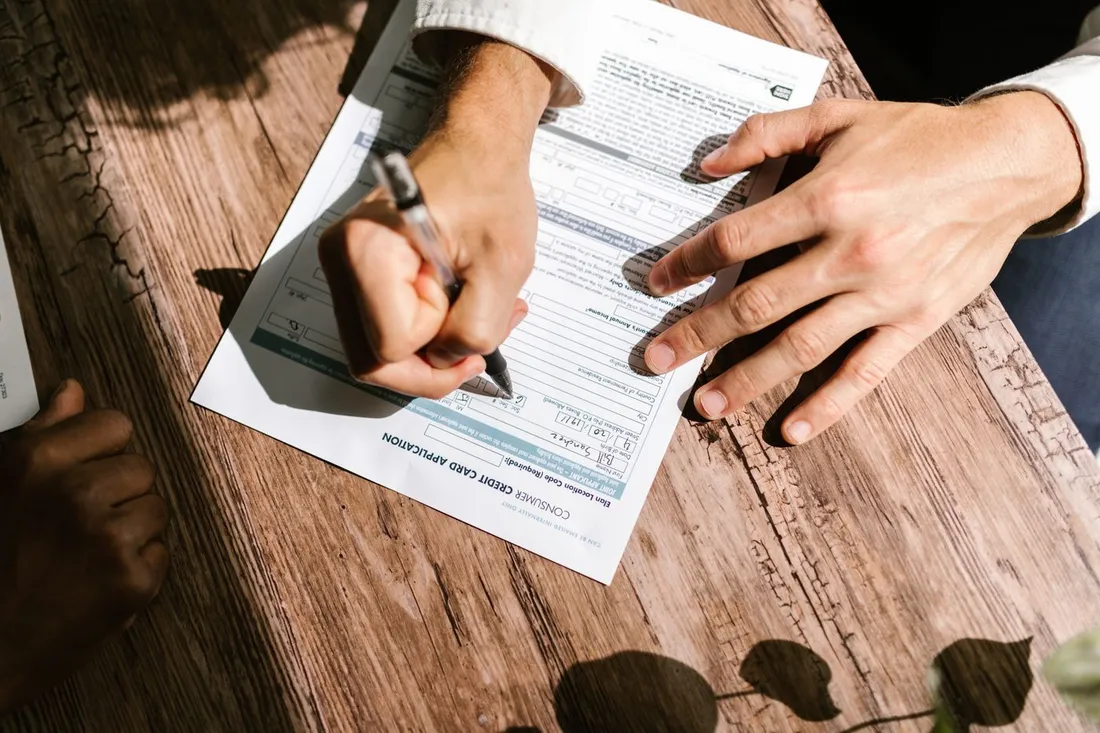
Deux personnes remplissant un formulaire d'ouverture de compte bancaire sur une table en bois, stylo a la main
Un dossier complet (piece d'identite, justificatif de domicile, revenus) accelere l'ouverture du compte — © Photo RDNE Stock project (Pexels)

Mobile phones: getting signal everywhere is a real issue

On to the second pillar of settling in: the mobile line. In French Guiana, all the major national operators are present, often through subsidiaries or brands dedicated to the overseas territories. Your mainland plans work while roaming, but a local plan is preferable if you’re settling for the long term, particularly for data and calls within the territory.

Network coverage, the decisive criterion

This is THE point not to overlook. French Guiana is an urbanised coastline and an immense forested interior. Along the coastal strip — Cayenne, Remire-Montjoly, Matoury, Kourou, Saint-Laurent-du-Maroni and the main road corridors — 4G coverage, and increasingly 5G, is broadly satisfactory. Move inland, however, along the Maroni or Oyapock rivers, or into isolated communes such as Maripasoula, Camopi or Saül, and the network becomes scarce or non-existent.

Before committing, get into these habits:

  • Consult the coverage maps published by the operators and the telecoms regulator for your exact commune.
  • Ask the residents of your future neighbourhood: reality on the ground sometimes differs from the maps.
  • Favour flexibility at first: a prepaid SIM card or a no-commitment plan lets you test real coverage before tying yourself down.

Prepaid SIM or contract plan?

For a newcomer, a prepaid SIM card has real appeal: available quickly in store with just an ID document, it makes you reachable immediately, without waiting for your bank account to open (which is essential for a monthly direct debit).

Once your local account is open and your coverage confirmed, you can switch to a monthly plan, often better value on data. As an indication, mobile plans in French Guiana sit in ranges comparable to the mainland, with entry-level offers at a few euros a month and generous data plans above that. Prices and data allowances vary with promotions and the season, so compare when you’re ready to sign up.

Internet at home

Think about your fixed connection too. Fibre is being rolled out gradually along the Guianese coast, particularly in the Cayenne urban area, but it isn’t available everywhere. Depending on your home, you may have to rely on ADSL, fixed 4G/5G, or even satellite in the most remote areas. Check whether your address is eligible before signing a lease if remote working is one of your requirements.

Checklist for your first financial steps

So nothing gets forgotten in the whirlwind of arrival, here’s a condensed roadmap:

  • Keep my mainland bank card active for the transition.
  • Gather my ID, proof of address and proof of income.
  • Book appointments with one or two local banks to compare.
  • Buy a prepaid SIM card on arrival so I’m reachable.
  • Check network coverage in my future neighbourhood before choosing a plan.
  • Open my account, collect my bank details and pass on my new information (employer, landlord, insurers).
  • Check fibre/ADSL eligibility for my home.
  • Switch to a monthly mobile plan once coverage is confirmed.

Getting organised from temporary accommodation

The experience of many newcomers confirms it: how comfortable those first weeks are depends heavily on where you land. Handling all these steps — bank, mobile, permanent housing search, starting a new job — is far less stressful from a furnished, well-connected home with a fixed address for your paperwork. It saves you shuttling between precarious lodgings and branch offices, and gives you time to compare banking and phone offers calmly.

That is precisely what we offer through our concierge and serviced-accommodation business. Whether you’re an individual relocating or a professional passing through, our concierge service and our accommodation are designed to make your landing in French Guiana easier. And if you’re an owner looking to make the most of a property for this kind of relocation stay, getting in touch is the first step.

Frequently asked questions

Can I live in French Guiana with only my mainland bank account?

Yes, absolutely. French Guiana is in the eurozone and your French IBAN is fully valid there, with no exchange or withdrawal fees within the zone. Many newcomers keep their original account, at least at first. Opening a local account mainly brings proximity (branch, cash deposits, loans) for those settling long term.

How long does it take to get a bank card?

As an indication, generally allow one to two weeks after your file is validated, sometimes a little more due to mail delivery times to French Guiana. Keep your old card active during this transition period so you’re never stuck.

Which mobile operator should I choose in French Guiana?

All the major national operators are present, but the real criterion is network coverage at your exact address. It’s decent along the coast and the main routes, but weak inland. Consult the coverage maps, ask residents of the neighbourhood, and test first with a no-commitment prepaid SIM.

How do I provide proof of address when I’ve just arrived?

Several options: a hosting certificate from the person putting you up (with their ID and one of their own proofs of address), your lease as soon as it’s signed, or in some cases a temporary accommodation invoice. Check with the bank, as accepted documents vary from one institution to another.

Is a neobank or a bank with branches better?

It depends on your needs. A neobank is quick to open and handy as a stopgap, but cash deposits are often limited — a real drawback in a territory where cash circulates a lot. A bank with a physical branch is invaluable for loans, cashier’s cheques and human contact. Many people combine the two.

In short: arrive with peace of mind

Opening an account and a mobile line in French Guiana is nothing insurmountable as long as you plan ahead: a complete file, a comparison of local banks, a prepaid SIM so you’re reachable straight away, and systematic checking of network coverage. The secret is not to rush everything — and for that, having a comfortable place to land changes everything.

Preparing your move to French Guiana? Give yourself calm first weeks by booking furnished, connected temporary accommodation among our properties while you finalise your paperwork. A question about your stay or your relocation plans? Don’t hesitate to contact us, and find more practical advice on the blog.

🧭 Which stay suits you?

3 questions, 20 seconds.

Also read