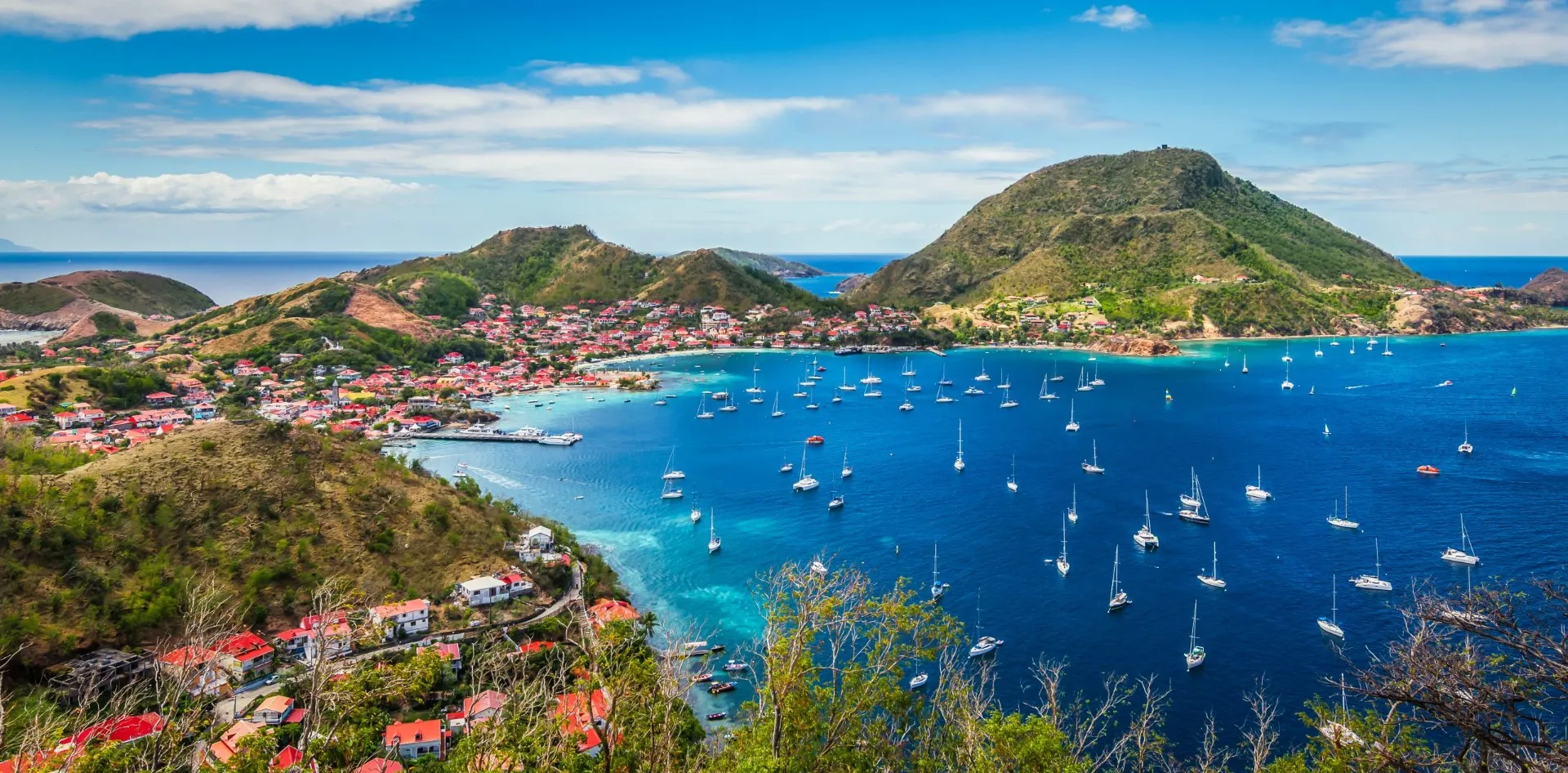
A sea-urchin sting at La Caravelle, a brutal sunburn after a day on Petite-Terre, a child’s ear infection at 10 p.m. on a Sunday: in ten years on the archipelago, I’ve tested just about every scenario. Good news: emergency care in Guadeloupe works just like in mainland France, with the SAMU, public hospitals, private clinics and a dense network of pharmacies. But the archipelago stretches across two wings and several islands: when you need to act fast, it pays to know who to call and where to go from your rental. Here is the memo we hand to our travelers.
Emergencies in Guadeloupe: the numbers to save before you fly
First reflex, even before you finish packing: save these numbers in your phone. Guadeloupe’s dialing code is +590, but the short numbers are called just as they are from a French mobile on the spot.
- 15 — SAMU Guadeloupe: life-threatening medical emergency, advice from a duty doctor 24/7. It’s also the line that directs you at night to the right service or the on-call pharmacy.
- 18 — Fire and rescue (SDIS 971): accident, fire, drowning, coastal sea rescue or hiking rescue (heavily called on the trails of La Soufrière and the Carbet falls).
- 17 — Police / Gendarmerie: theft, assault, road accident with injuries.
- 112 — European emergency number: works from any mobile, even with no credit or local SIM card.
- 114 — Emergencies by text for deaf or hard-of-hearing people.
- 196 — CROSS Antilles-Guyane: emergency at sea (kayak, diving, sailing). Essential if you’re sailing toward Les Saintes or Marie-Galante.
- Poison control center (Paris, responsible for the Antilles): 01 40 05 48 48, reachable 24/7.
A resident’s tip: write the exact address and GPS coordinates of your accommodation near the front door. In the nameless lanes of Deshaies or the residential complexes of Saint-François, that’s what saves rescuers precious minutes. Every property managed by Hostel Toucan has an “emergencies” sheet posted in the kitchen.
Hospitals in Guadeloupe: where to go depending on where you’re staying
The archipelago has one university hospital (CHU), a public hospital center on Basse-Terre and several private clinics with emergency departments. The right choice depends mainly on the town where you’re staying.
Grande-Terre side and the Pointe-à-Pitre area
- CHU de la Guadeloupe (Les Abymes / Pointe-à-Pitre): the flagship, adult and pediatric emergencies 24/7, the only full technical platform on the archipelago (interventional cardiology, intensive care, level 3 maternity ward). Plan on roughly 25 minutes from Sainte-Anne (20 km), 40 minutes from Saint-François (35 km), 15 minutes from Le Gosier outside rush hour.
- Clinique des Eaux Claires (Baie-Mahault): private emergencies, handy if you’re staying on the Jarry side or if the CHU is overwhelmed. Up-front payment is possible for foreign visitors, then reimbursed by their insurance.
- Polyclinique de la Guadeloupe (Les Abymes): another private option for minor trauma care.
Basse-Terre side
- Centre Hospitalier de la Basse-Terre (CHBT): emergencies 24/7 for the whole south of Basse-Terre. About 30 minutes from Bouillante via the leeward coast, 45 minutes from Les Trois Crêtes.
- From Deshaies, paradoxically, the CHU des Abymes is often faster (about 1 hour via the Côte-au-Vent than via the south): check the traffic before setting off, and the 15 dispatcher will guide you.
From the southern islands
In Les Saintes, Marie-Galante and La Désirade, you’ll find doctors’ offices, pharmacies and a small local hospital center in Grand-Bourg (Marie-Galante). Life-threatening emergencies are evacuated to the CHU by helicopter or fast boat: all the more reason to call 15 at the slightest doubt rather than risk the last ferry.
On-call pharmacy in Guadeloupe: how to find one on a Sunday evening
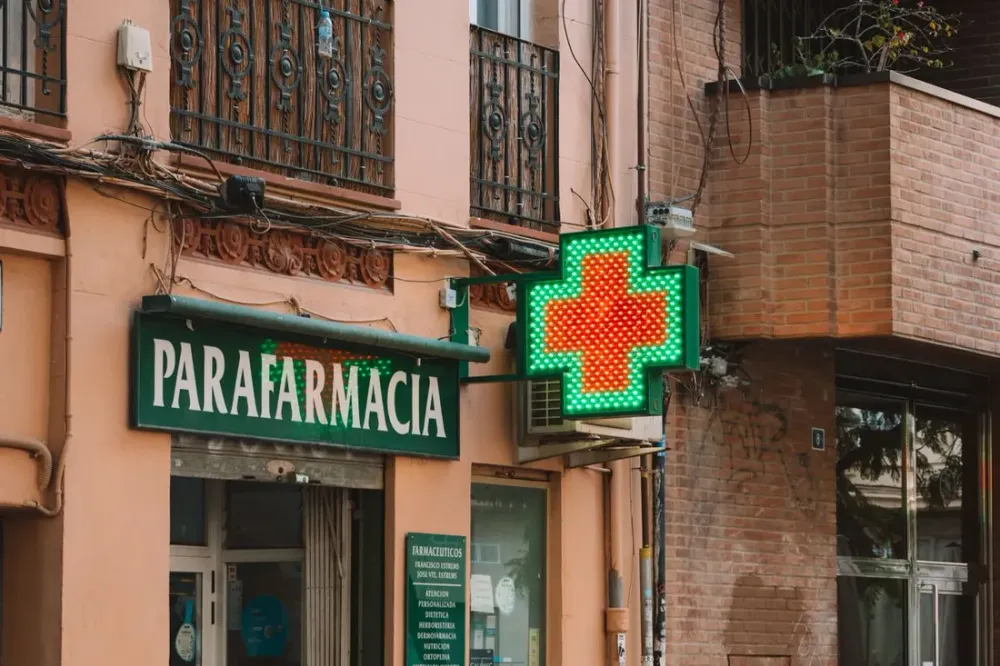
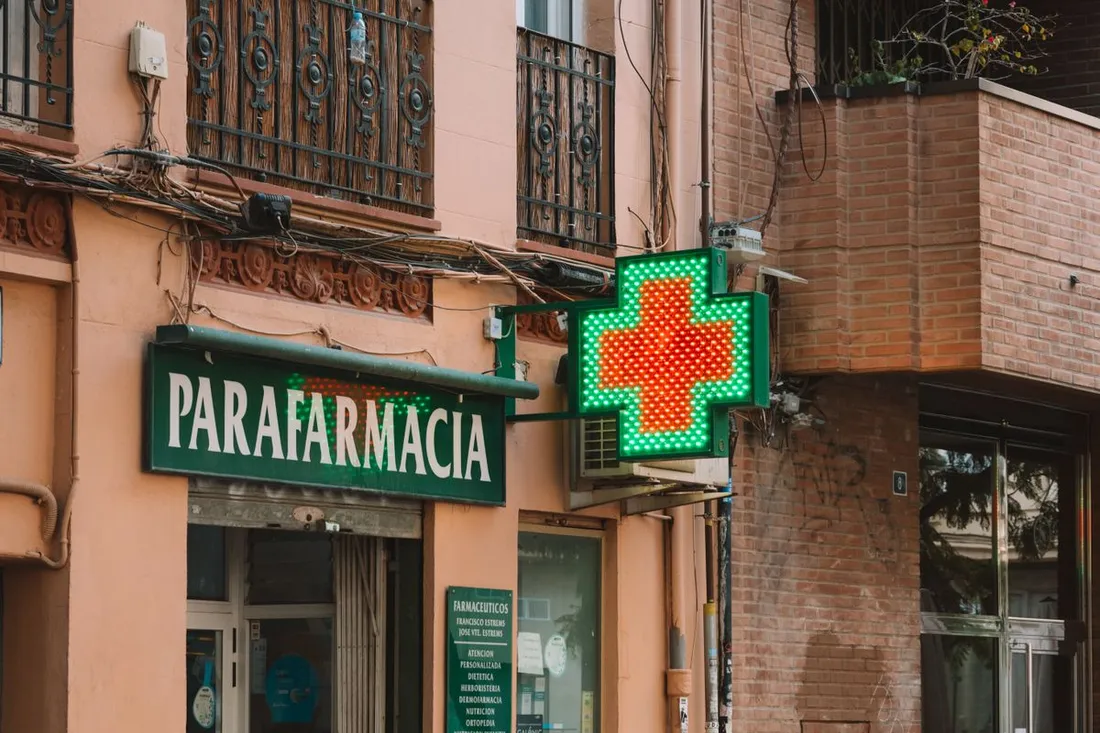
The pharmacy network is dense on both wings: you’ll spot a green cross in every main town, from Pointe-à-Pitre to Le Moule. For the on-call pharmacy in Guadeloupe, the system rotates by zone (northern Grande-Terre, the Pointe-à-Pitre area, southern Basse-Terre, the leeward coast…), with a weekly rotation. In practice, four reliable methods:
- Call 15: the SAMU dispatch knows the day’s on-call pharmacy, the safest method at night.
- Read the notice in the window of any pharmacy: the zone’s on-call rota must be displayed there.
- Check the local press (France-Antilles and its “on-call” pages) or the website of the town where you’re staying.
- Ask your concierge service: our teams answer on WhatsApp 7 days a week and send you the exact address with directions.
On the budget side: at night, on Sundays and public holidays, the on-call pharmacy charges an on-call fee of around €8 to €10 on top of the medication. A consultation with a registered general practitioner costs €30 (Carte Vitale accepted; EHIC card for Europeans, travel insurance for everyone else). Guadeloupean pharmacists are excellent advisers on tropical mishaps — stings, sunburn, motion sickness on the way to Les Saintes — call on them before crowding the emergency room.