“Should we stay in the north or the south?” Right after budget and weather, that’s the question that comes up most before a trip. And it shapes everything else: your daily drives, your beaches, the whole vibe of your holiday. Knowing where to stay in Martinique doesn’t come down to a universal ranking, but to your profile, the length of your stay and the season. After several years living on the island and guiding travelers, here’s my honest take on the beach-loving South versus the nature-rich North.
North or South in Martinique: understand the geography before you choose
Martinique is a small island of around 360,000 inhabitants, barely 70 km long from north to south. So you’d think you could do everything from anywhere: true on the map, false on the road. The mountain roads of the North are winding, the Fort-de-France conurbation (the capital) clogs up at rush hour, and a north-south crossing can take 1h15 to 1h30. Hence the importance of pinning down your base.
Three main zones shape the choice:
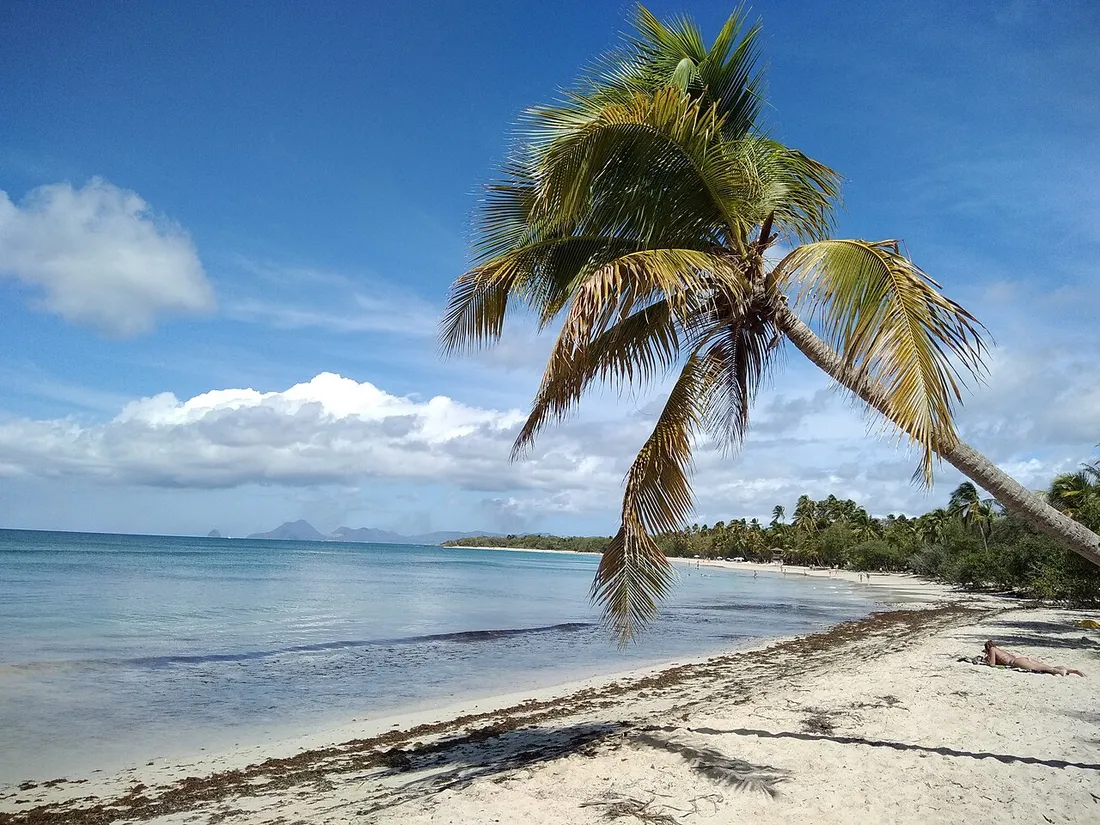
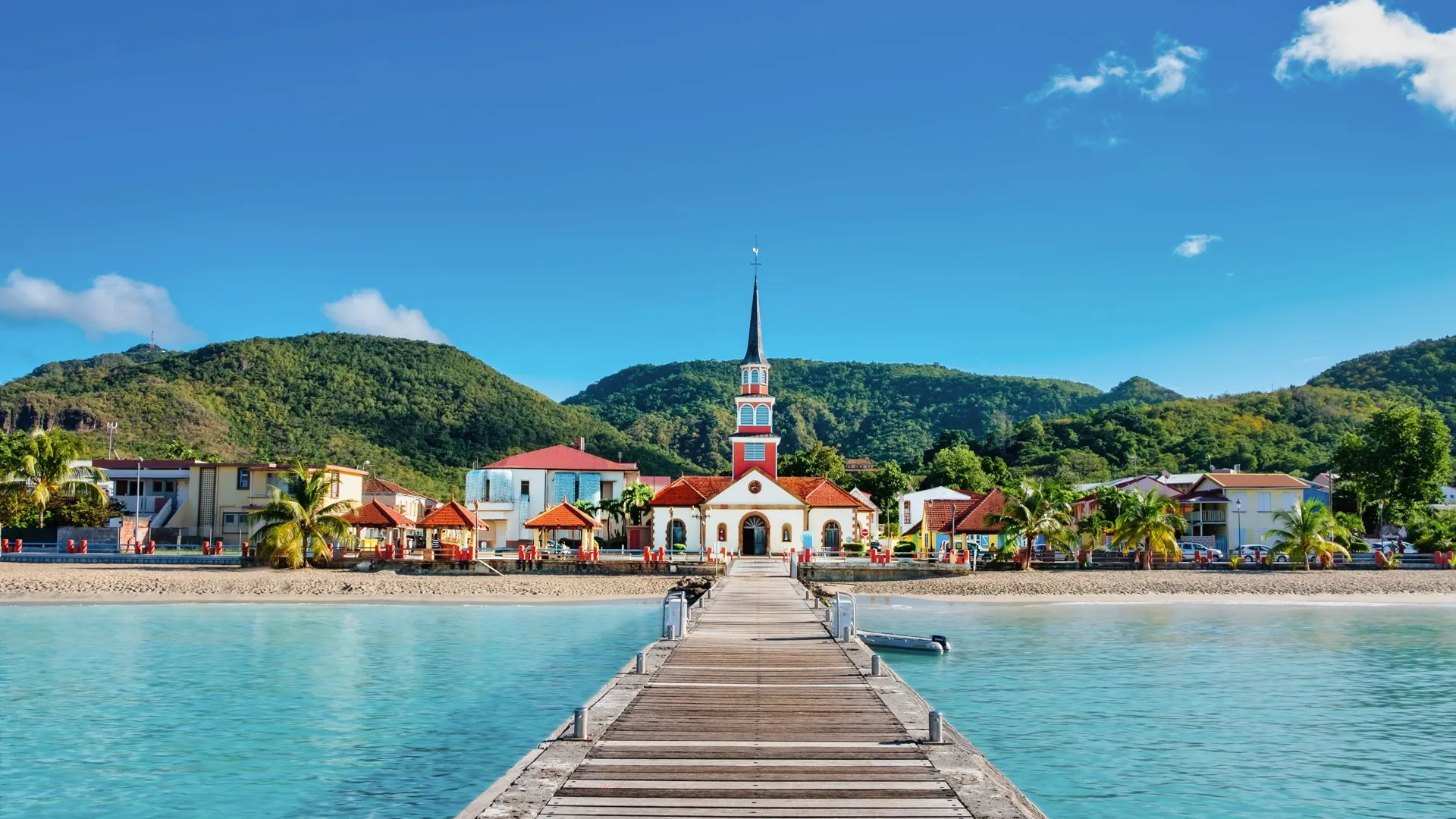
- The Caribbean South (Les Trois-Îlets, Sainte-Anne, Le Diamant, Sainte-Luce, Le Marin): postcard beaches, calm water, the driest climate.
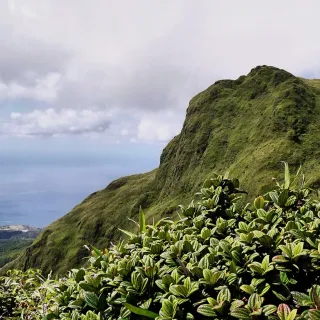
- The Caribbean North (Le Carbet, Saint-Pierre, Le Prêcheur): a volcanic coast at the foot of Mount Pelée, black sand, heritage, more greenery.
- The Center and the Atlantic (Fort-de-France, La Trinité/Tartane, Le François): transport links, surf and shallow white sandbanks, but less of a “holiday” feel as a base camp.
A car is strongly recommended everywhere, and all but essential in the North, which is poorly served by public transport.
Staying in the South of Martinique: the beach reflex
If you’re coming first and foremost for the beaches, staying in the South of Martinique near the beaches is the safest bet. That’s where you’ll find Les Salines in Sainte-Anne, Anse Dufour, Grande Anse and the famous Diamond Rock. The Caribbean Sea here is glassy, the sunshine is at its peak, and you’ll string together swimming, snorkeling with turtles and sundowners with your feet in the water.
For which profile?
- Families with children: shallow, calm water, services nearby.
- First trip or short stay: you want to see “the” Martinique of the photos, while keeping driving to a minimum.
- Couples and honeymooners: sunsets on the Caribbean side, quiet coves, great places to eat.
The key towns of the South
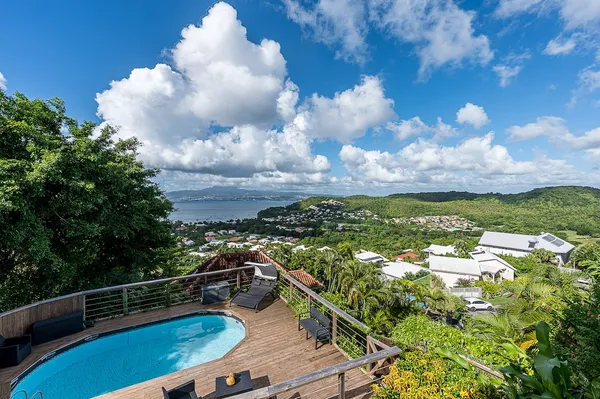
- Les Trois-Îlets: the most versatile base for a first trip. Pointe du Bout, golf, the Pagerie museum (Joséphine de Beauharnais), and the ferry shuttle to Fort-de-France that skips the traffic. This is where you’ll find the Horizon Caraïbes apartments, panoramic sea views and a pool, roomy enough for a group of eight.
- Sainte-Anne: at the very south, a beach paradise (Les Salines, Pointe Marin). A charming village, but 45 min to 1h from Aimé Césaire airport in Le Lamentin.
- Le Diamant: a long beach facing the Rock, a spectacular view, windier and with currents to respect.
- Sainte-Luce and Le Marin: a good price compromise, distilleries (Trois-Rivières, La Mauny) and white sandbanks.
On the budget side, a rental for two in the South runs around 60 to 95 € per night in low season and 90 to 140 € in high season (the Carême, December to April); a villa with a pool starts at about 180-250 € per night.
Staying in the North of Martinique: betting on nature and heritage
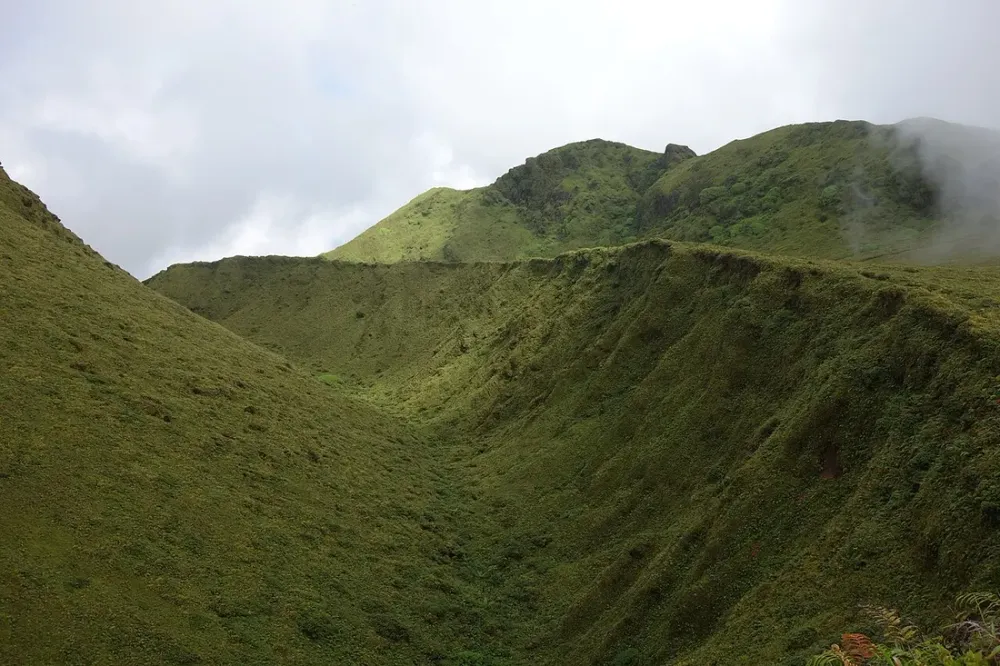
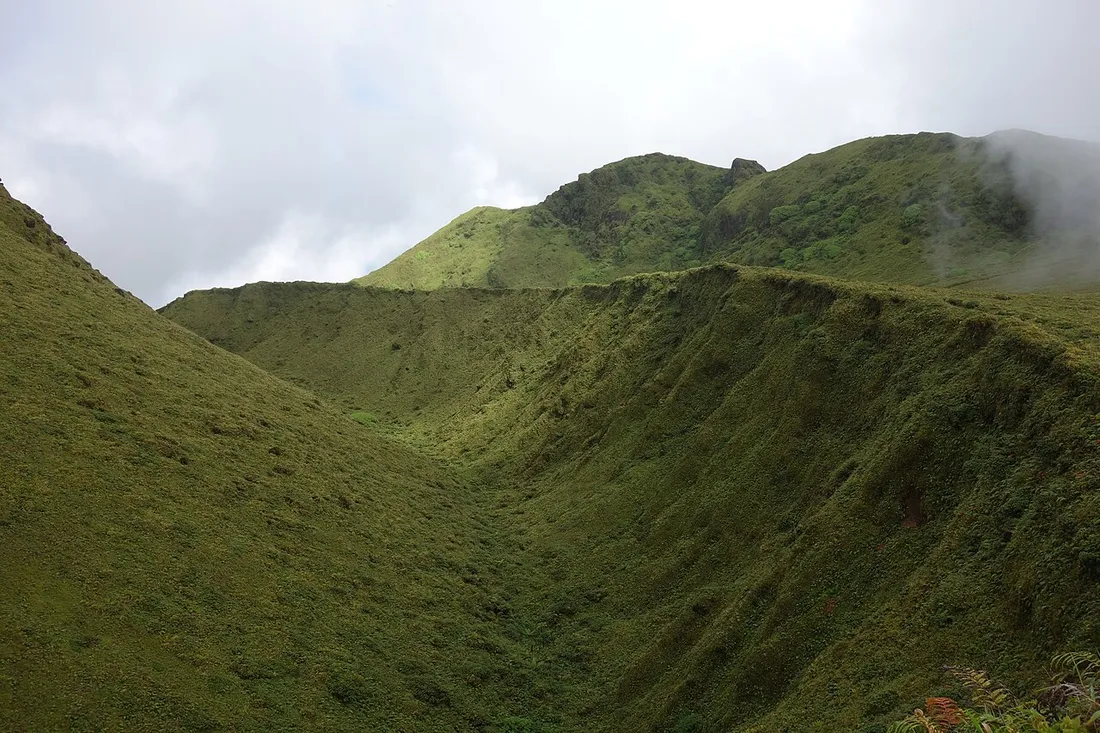
The North is another Martinique, more raw, greener, more authentic. The best area to stay in Martinique for a hiker or a history buff isn’t the South, but the north Caribbean coast. You sleep at the foot of Mount Pelée, a stone’s throw from the ruins of Saint-Pierre, a UNESCO-listed town wiped out by the 1902 eruption. The sand here is black and volcanic, and the seabeds are among the finest dive spots.
For which profile?
- Hikers and nature lovers: Mount Pelée, the Balata Garden, waterfalls, humid tropical forest.
- History enthusiasts: Saint-Pierre, the Depaz and Saint-James distilleries, the memory of 1902.
- Travelers seeking authenticity: fishing villages, a less touristy atmosphere, more beautiful light for photos.
The key towns of the North
- Le Carbet: the nature base par excellence, black-sand beaches, in the footsteps of Gauguin, 15 min from Saint-Pierre.
- Saint-Pierre: for a heritage stay at the foot of the volcano, with characterful accommodation and access to the hikes of the North.
- Le Prêcheur and Grand-Rivière: the wild far north, for walkers.
Worth knowing: the North rains noticeably more than the South. The trade winds dump their moisture on the high ground, and a short afternoon shower is common even in the dry season: that’s the price of this lush vegetation. Rental prices here are often a little gentler than in the South for equivalent comfort.
The Center and the Atlantic: the in-between options
They’re often overlooked, but these zones suit a second trip or a sporty profile:
- Fort-de-France and Schoelcher: handy without a car, for carnival (February-March) or a city break. Central, but less “dream beach”.
- La Trinité / Tartane: on the Atlantic side, for the Caravelle peninsula, its trails and the surf. A fishing-village feel.
- Le François: the gateway to the white sandbanks and the Baignoire de Joséphine, those lagoon sandbars where you bathe in waist-deep water.