When you picture Martinique, you probably think first of the turquoise beaches of the South, Les Salines in Sainte-Anne or the black sand of Anse Noire. But if you’re staying more toward the North of the island, a whole different playground awaits: that of vertical adventures in the heart of the tropical rainforest. Canyoning in Martinique and via ferrata take place in the gorges of the Pitons du Carbet, where rivers tumble down volcanic rock between waterfalls, pools and vines. Here’s a hands-on, field-tested guide to choosing your route, your operator and, above all, your weather window.
Why the North is the spot for vertical activities
Martinique’s landscape changes dramatically the moment you leave the South. In the center-north, the Pitons du Carbet rise to more than 1,100 m and rainfall is far heavier. The result: rivers with a steady flow, deep, narrow canyons and lush rainforest vegetation. It’s here, just 20–30 minutes’ drive from Fort-de-France, that the guided offering is concentrated.
The Absalon River, reached from the Balata road (above the Jardin de Balata), is the island’s historic gateway to canyoning. You’ll find sections suited to beginners as well as the experienced, set among tree ferns and clear-water pools. The other sought-after areas cluster around Fonds-Saint-Denis, Morne Rouge and the foothills of Montagne Pelée.
Short distances but a demanding road
Martinique is only 80 km long, but the North is winding and slow. Allow:
- Fort-de-France → Absalon start point: 25 to 35 minutes
- Les Trois-Îlets → Pitons du Carbet: 45 minutes to 1 hour (via the bypass)
- Sainte-Anne (South) → northern canyons: 1 hr 15 to 1 hr 30
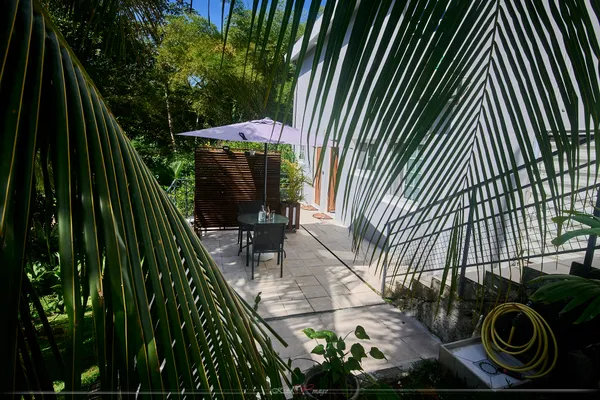
A car is strongly recommended: meeting points are often at the end of a forest track, with no public transport service. Plan for an approach walk of 15 to 40 minutes depending on the canyon. From an in-town base such as the cosy Fort-de-France apartment, about half an hour’s drive from the Absalon trailhead, you can be climbing toward the Pitons before the traffic builds up.
Canyoning: levels, durations and realistic prices
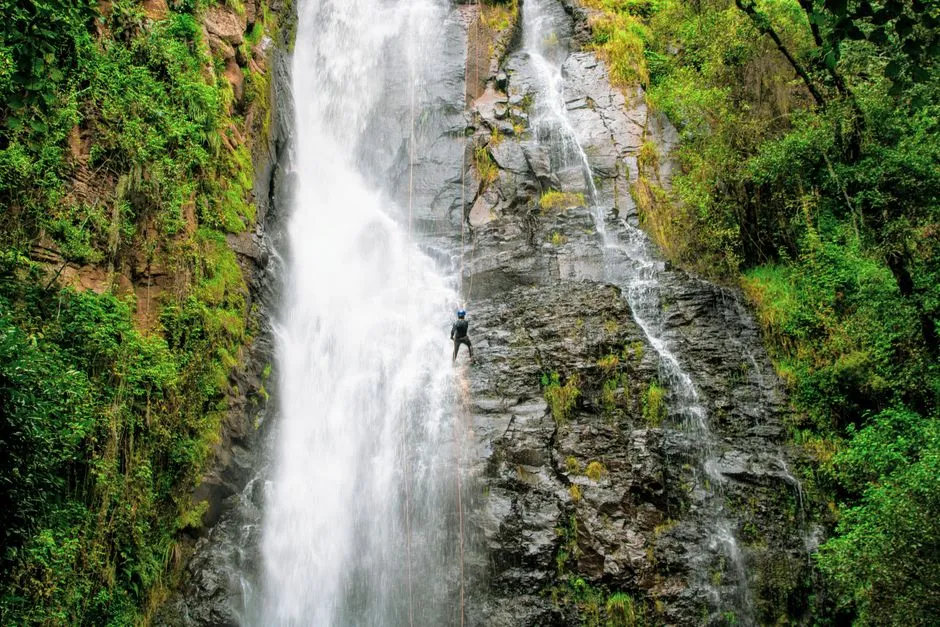
Canyoning combines abseiling, jumps (optional), natural water slides and swimming through pools. In Martinique the water stays mild (22–25 °C), which makes the activity enjoyable even over several hours.
Three levels to find your footing
- Discovery (family / beginner): short abseils of 5 to 10 m, optional jumps, little walking. Accessible from age 8–10 depending on the operator. Half a day. Ideal for a first time on the Absalon.
- Intermediate: abseils up to 15–20 m, more sustained sequences, a longer approach walk. Good physical fitness recommended.
- Sporty / committing: high waterfalls, narrow and technical sections in the gorges of the Pitons. Reserved for those comfortable in the water and at height, over a full day.
How much it costs and how long it takes
| Package | Duration | Indicative price/person |
|---|---|---|
| Discovery canyon (Absalon) | 3–4 hrs | €60–80 |
| Intermediate canyon | 4–5 hrs | €80–100 |
| Sporty full-day canyon | 6–7 hrs | €100–130 |
Technical gear (neoprene wetsuit, helmet, harness, descender) is always provided by the operator. On your side, bring: a swimsuit to wear under the wetsuit, closed sport shoes such as trainers that can get wet, a towel and a change of clothes.
Via ferrata: going vertical without rope technique
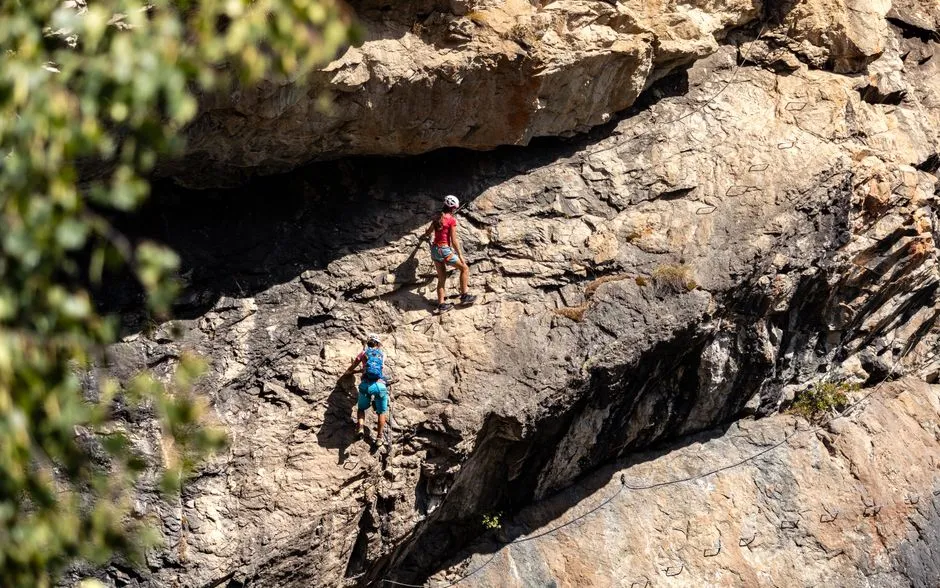
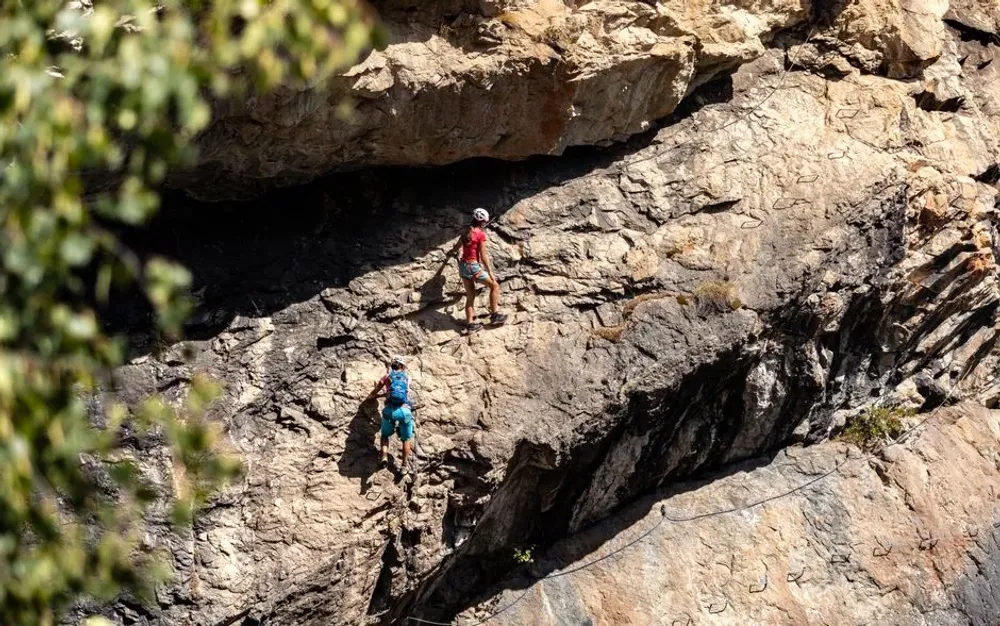
Less well known than canyoning, Martinique’s via ferrata lets you make your way along a cliff face fitted with cables, rungs and footbridges, while staying secured at all times by a double lanyard. No need to know how to climb: you simply clip and unclip your carabiners. Some northern routes mix monkey bridges, ziplines over the river and passages right up against the waterfalls — an excellent compromise for families who want a guided thrill without the technical commitment of abseiling.
Expect generally €45 to €75 per person for a half-day, gear included. It’s also a great way in before tackling a real canyon.
Choosing a state-certified operator (the non-negotiable point)
This is the single most important criterion in this article. In France — and therefore in this overseas department (DROM) that is Martinique — leading canyoning and climbing/via ferrata for payment is regulated. Your instructor must hold a state diploma (BPJEPS climbing in natural environments, DEJEPS canyoning, or high-mountain guide). Never hesitate to ask: a serious professional displays it.
My checklist before booking
- Verifiable state diploma and a valid professional card.
- Professional civil liability insurance clearly stated.
- Limited groups (ideally 6 to 8 participants per guide).
- Recent, certified equipment (ropes, harnesses, EN/CE helmets).
- Clear safety briefing at the start of the outing and adjustment of the route to the group’s actual level.
- Transparent weather policy: what happens if the trip is cancelled due to flooding?
Be wary of abnormally low offers or “guides” without a diploma you come across on social media: in a confined aquatic environment, improvising costs dearly.