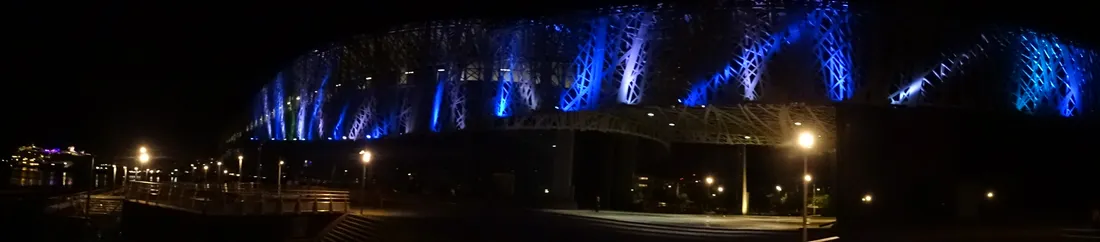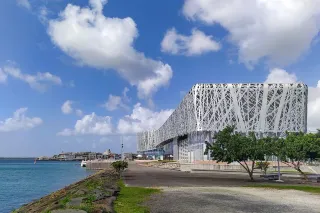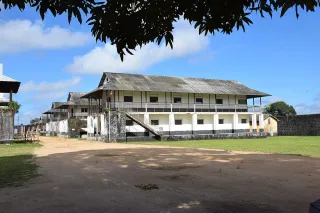
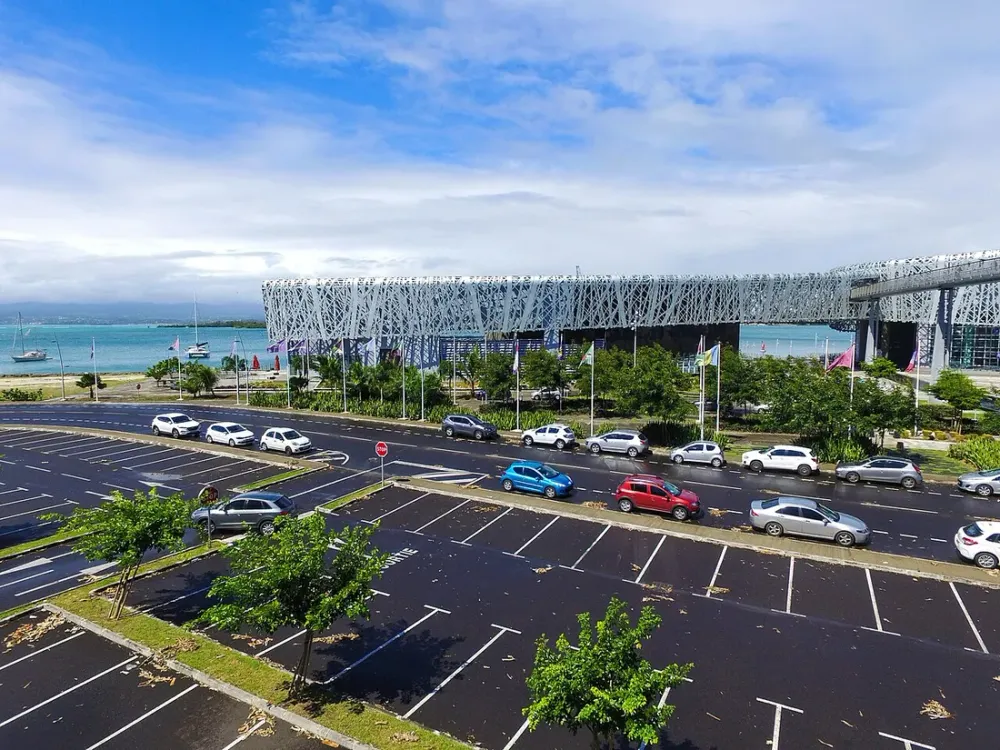
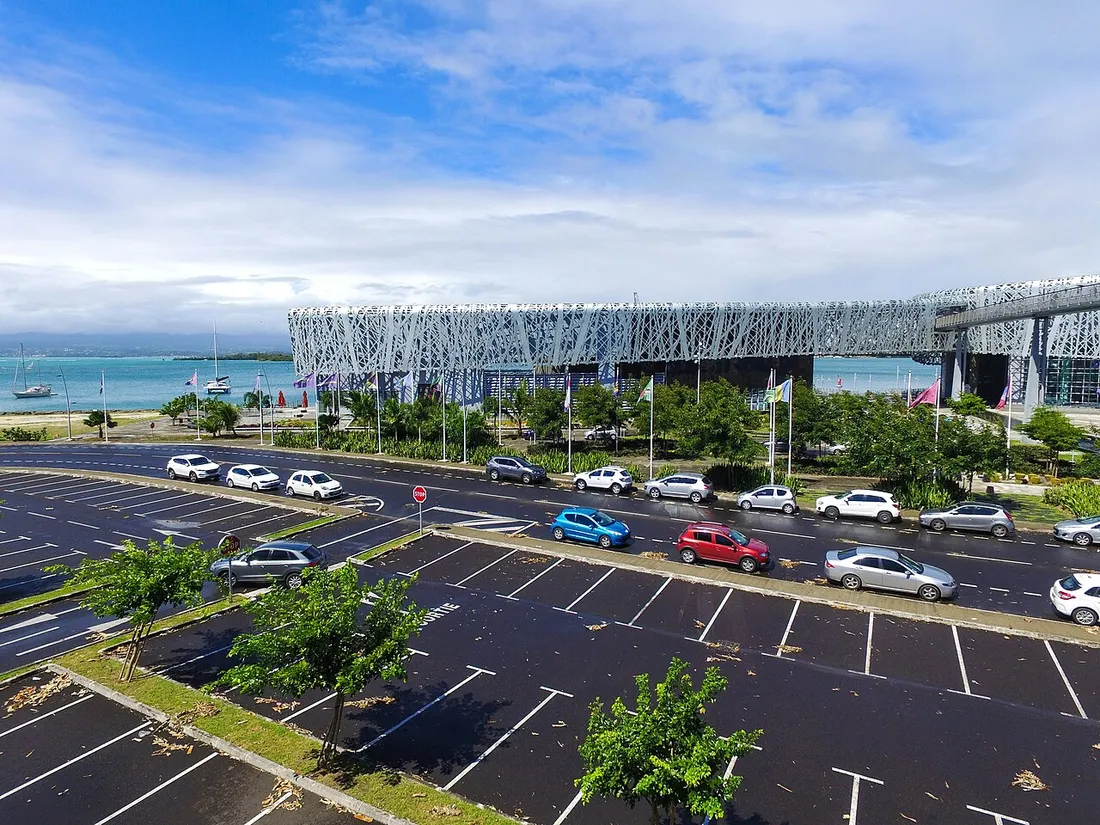
Set on the former grounds of the Darboussier sugar factory in Pointe-à-Pitre, the Mémorial ACTe is arguably the most striking cultural landmark in the entire archipelago. Its facade of silver panels evoking tree roots against a black granite wall catches the eye the moment you walk along the Darse waterfront. But behind the spectacular architecture lies what truly matters: the first Caribbean center entirely dedicated to the memory of the slave trade, slavery and their abolitions. If you really want to understand where Guadeloupe’s Creole culture comes from, its language, its music, its cuisine, this is where your stay should begin.
As residents who guide travelers all year round, we consistently place the Mémorial ACTe at the top of our recommended visits, even before the beaches. Here is our practical guide, based on hands-on experience.
Why the Mémorial ACTe is an essential stop
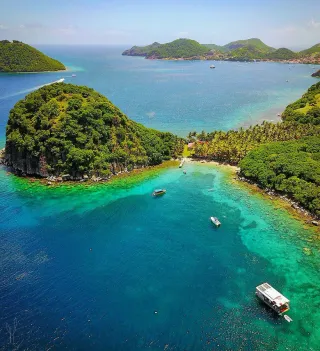
Guadeloupe is a French overseas department and region shaped like a butterfly, with its two wings: Grande-Terre, limestone and seaside, and Basse-Terre, volcanic and tropical. But this island identity is not summed up by its turquoise beaches and La Soufrière. It was born of a painful and complex history, that of millions of Africans deported to the Caribbean.
The Mémorial ACTe, inaugurated in 2015, tells this story without flinching, but also with dignity and hope. ACTe stands for “Caribbean Center for Expression and Memory of the Slave Trade and Slavery.” Understanding this narrative means grasping why Guadeloupean Creole blends French and African languages, why gwoka resounds at celebrations, and why the local cuisine is a unique fusion. Without this key, you visit Guadeloupe as a tourist; with it, you understand it from the inside.
A universal place of remembrance
The memorial is not limited to Guadeloupean history. It places slavery within a global perspective, from the triangular trade to the struggles for civil rights, all the way to contemporary forms of servitude. It is a place of remembrance that questions the present as much as it honors the past.
The permanent exhibition route
The permanent exhibition covers roughly 1,700 m² and is divided into several thematic “archipelagos,” a term chosen to evoke both dispersion and connection. The route is chronological and sensory, blending objects, works of art, audio testimonies and interactive displays.
The major stages you will move through:
- The pre-Columbian civilizations of the Caribbean, before the arrival of Europeans
- The transatlantic slave trade and the triangular trade
- The slavery system in the sugar plantations, its economy and its violence
- The forms of resistance: marronnage, revolts, emblematic figures of freedom
- The successive abolitions, including the definitive one of 1848 in Guadeloupe
- The contemporary legacies: créolité, diaspora, present-day struggles
The tone is never purely academic. Numerous artistic installations bring a powerful emotional dimension. Plan to take your time with the audio testimonies, often the most memorable moments of the visit.
The mezzanine and temporary exhibitions
Beyond the permanent route, the memorial regularly hosts temporary exhibitions of contemporary Caribbean art and cultural events. Check the program before your visit, as some periods feature concerts or lectures.
Visit duration and practical tips
Allow 1.5 to 2.5 hours for the permanent exhibition, depending on your pace and your interest in the audio content. If you add a temporary exhibition, plan for a full half-day.
Our timing recommendations:
- Morning (opening around 9 a.m.) is ideal: fewer people and welcome coolness before the afternoon heat
- Avoid visiting right after a long journey: the route is dense and requires concentration
- The audioguide is highly recommended to enrich your reading of the rooms
The building is fully accessible to people with reduced mobility, with elevators and ramps. A café and a shop are on site. Outside, don’t miss the footbridge leading to the Morne Mémoire, offering a panoramic view over the bay of Pointe-à-Pitre and the islets: a breath of fresh air after the intensity of the exhibition.
Indicative prices
Prices are deliberately accessible for a facility of this scale. As a guide:
- Permanent exhibition: around €15 full price
- Reduced rate (students, jobseekers): around €10
- Free admission for under-12s and on special days
- Audioguide: a few euros extra
We recommend checking the current opening hours and prices before your visit, as the memorial is closed on certain days early in the week.