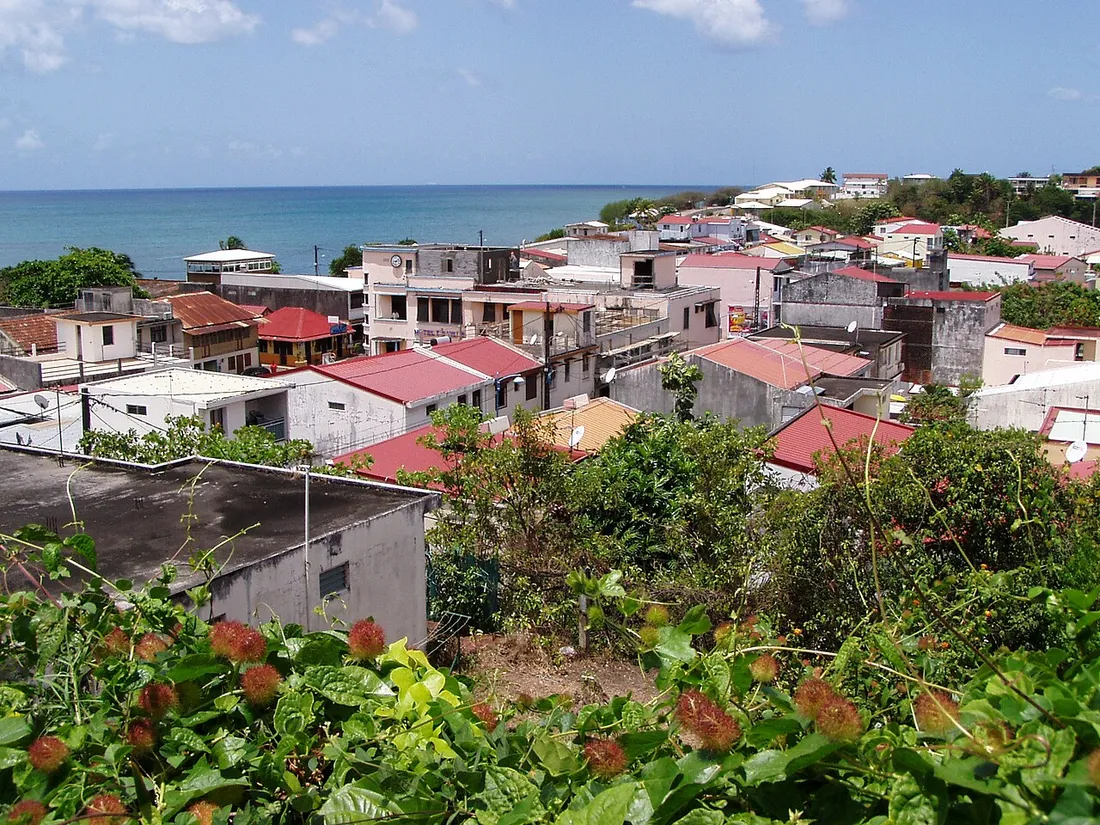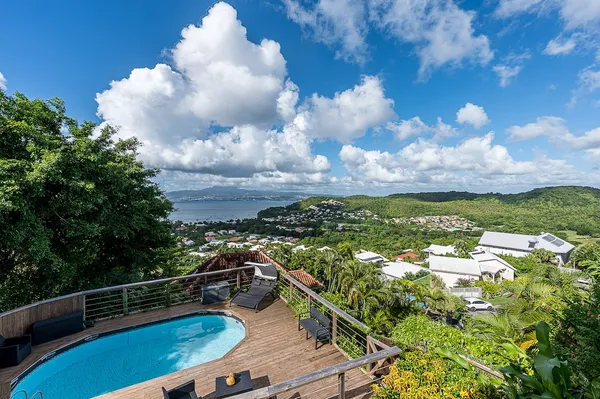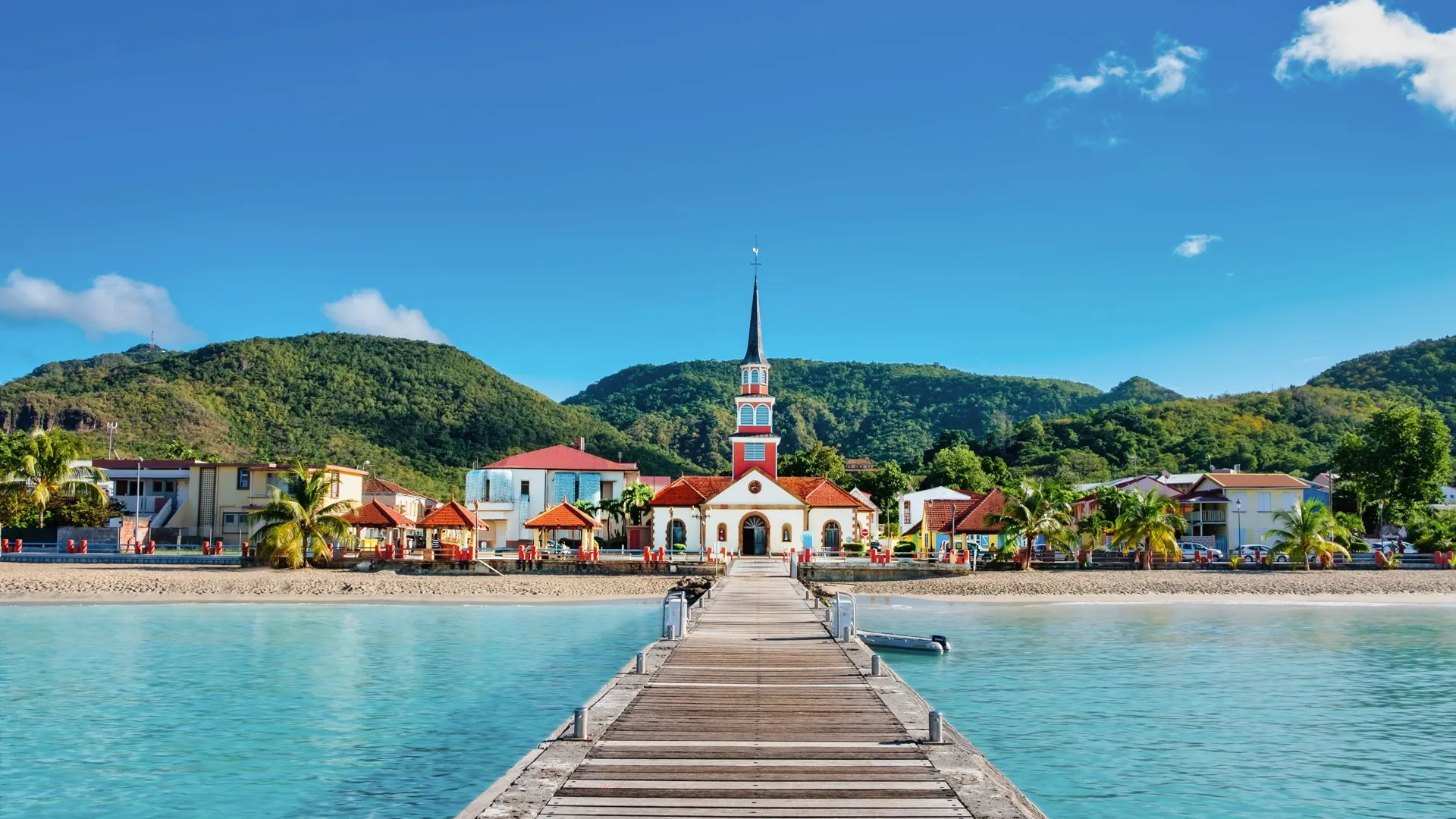
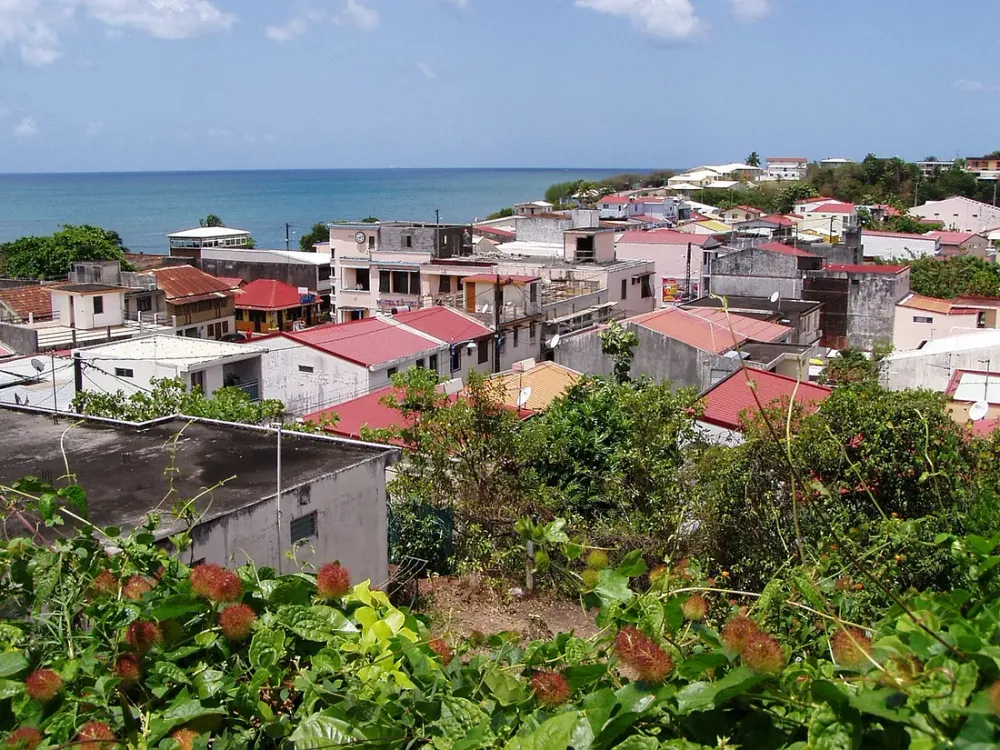
To eat and drink well in the south of Martinique, I point you toward the Le Marin – Sainte-Luce duo. Just ten minutes apart, these two villages hold the heart of Le Marin’s Martinique food scene: a lively market right by the water, two of the island’s most renowned AOC agricultural rum distilleries, and a string of seaside tables where the fish still comes straight off the morning ice. Here is my resident’s gourmet itinerary for savouring this corner of the Caribbean without falling into the tourist traps.
Le Marin and Sainte-Luce in brief: location and key facts
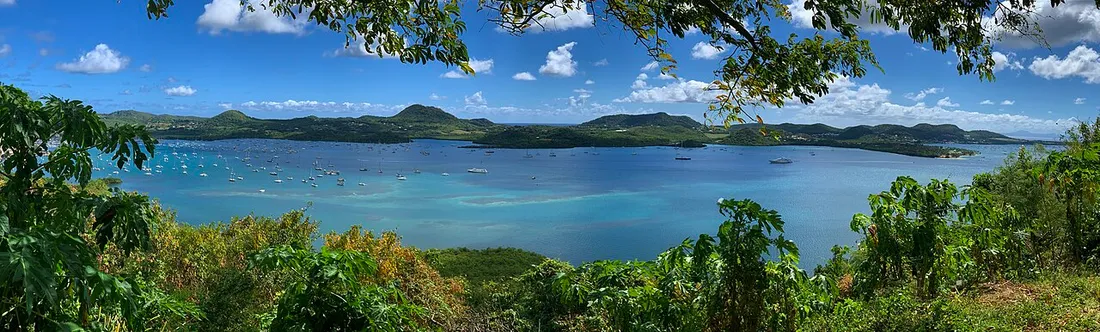
Le Marin and Sainte-Luce sit at the far south of Martinique, 40 km from Fort-de-France, the island’s main town, and a 35-minute drive from Aimé Césaire airport in Le Lamentin. Neighbours, they are separated by just 10 to 12 minutes by car. It makes an ideal base camp: Sainte-Anne and Les Salines 15 minutes away, Le Diamant 25, and the Rum Route on your doorstep.
A few useful pointers:
- Status: French overseas region (DROM), so the euro, no currency exchange or customs. Dialling code: +596.
- Languages: French and Martinican Creole.
- Time difference: -5h in winter and -6h in summer compared with Paris.
- Best time to visit: the dry season, the Carême, from December to April, perfect for stringing together market, distilleries and terrace lunches. Carnival brings the island to life in February-March.
My first piece of advice: rent a car. Between the market in the morning, a distillery at midday and a seaside table in the evening, a vehicle changes everything; the south’s public transport is too limited for a gourmet programme.
The Le Marin market: the belly of southern Martinique
You can’t talk about Le Marin’s Martinique food scene without starting with its market. Set near the waterfront, facing the first marina in the Antilles, the Le Marin market is one of my favourite weekend outings.
What you’ll really find there
On the stalls, it’s the peak season that calls the shots. Depending on the month, you’ll fill your basket with:
- Local fruits: mangoes (May to July), passion fruit, guavas, ambarella (golden apples), genips, southern pineapples.
- Local vegetables: yams, taro, chayote, breadfruit, pumpkin squash, vegetarian peppers.
- Spices: colombo powder, bay rum leaf, artisanal jams, cane syrup for ti-punch.
- Seafood when the fishermen come in: snappers, mahi-mahi, spiny lobster in season.
On the budget side, count on €2 to €4 a kilo for fruit and vegetables, €5 to €8 for a bag of colombo spices, €8 to €12 for a jar of jam. Come mid-morning, when the stall is still full.
My on-the-ground tips
- Come early on Saturday morning (before 9:30 a.m.): freshest produce, fewer crowds, available farmers.
- Bring cash: cards rarely work at the markets. There’s an ATM in the village.
- Taste before you buy: someone will gladly hand you a piece of mango.
- Grab a bag of Creole black pudding or some accras from the vendors at the edge: the local breakfast.
In a rental with an equipped kitchen, the Le Marin market transforms your stay: nothing beats a colombo simmered with your own spices, or a court-bouillon bought that very morning.
The Rum Route, southern side: Trois-Rivières and La Mauny
Southern Martinique is also sugarcane country, and therefore a land of great AOC agricultural rum. Two iconic houses can be visited just minutes apart.
Trois-Rivières distillery: the windmill icon
The Trois-Rivières distillery is the most photogenic on the island, with its famous windmill. The production unit has moved to Sainte-Luce, home to the ageing cellar and the shop. Self-guided and free visit, with a tasting included for the basic rums. On site, I taste the white rum at 50° (the absolute reference for a good ti-punch) before the aged blends. In the shop, count on €18 to €25 for a quality white rum, €35 to €60 for an aged rum, more for vintages.
La Mauny distillery: the grand classic of Rivière-Pilote
About fifteen minutes from Le Marin, the La Mauny distillery, in Rivière-Pilote, is one of the most visited on the island. Tucked into the valley, it offers a more structured tour, with an interpretive trail through the facilities.
Good to know:
- Access to the site and the self-guided trail are free; guided tours or premium tastings are paid (€5 to €15).
- Excellent value for money on the whites (€16 to €22 a bottle).
- Plan for a sober driver: the tastings come fast and the southern road is winding.
A useful reminder: Martinican rum holds the only rum AOC in the world (1996 decree), distilled from pure fresh cane juice and not molasses, hence its so-typical grassy aromas.