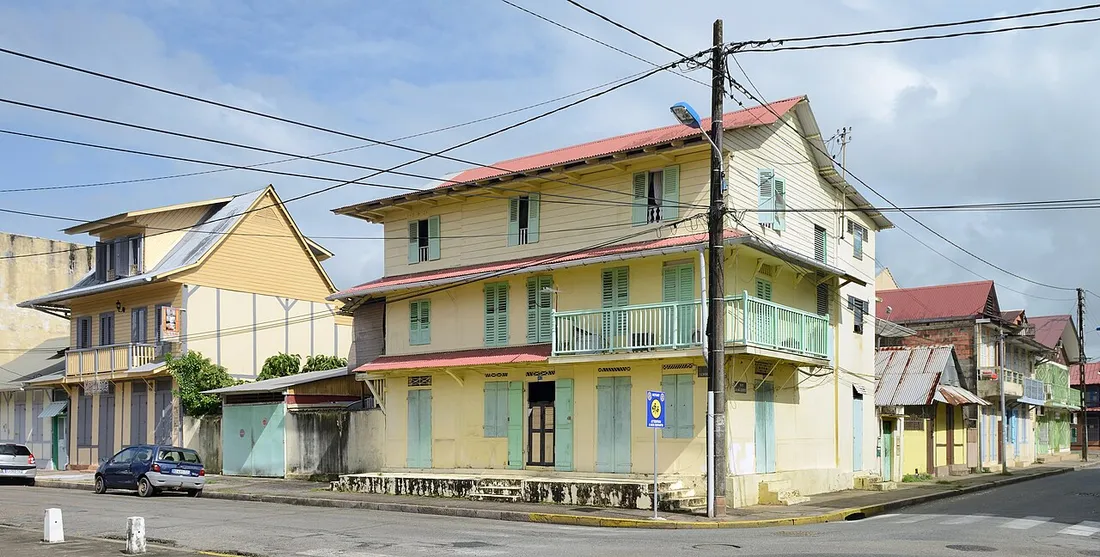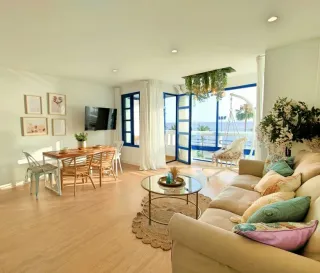

In French Guiana, nearly every family knows this scenario: a house in Cayenne, a plot of land in Roura or an apartment in Kourou left behind by a parent, and suddenly several heirs jointly own the same property. This is called indivision (joint ownership). In our territory, this status is rarely a mere legal detail: it intertwines with French Guiana’s land-title puzzle, with sometimes unclear deeds, and with families scattered across French Guiana, the West Indies and mainland France. The result: empty properties that deteriorate instead of generating income.
At Hostel Toucan, we regularly support jointly owning families who finally want to make the most of their inheritance. Here, drawing on our hands-on experience, is how to turn an inherited family property into a high-performing rental, without tearing the family apart.
Understanding joint ownership in the French Guianese context
Joint ownership describes the situation where several people hold the same property together, each owning a share (for example one third each for three siblings). In French Guiana, an Overseas Department and Region (DROM) where French law applies, the rules of the Civil Code are identical to those in mainland France. But the local context adds very real difficulties.
French Guiana’s land-title puzzle
Three local specificities often complicate inheritances here:
- Incomplete property deeds: many plots of land, especially outside the urban centres of Cayenne, Matoury or Rémire-Montjoly, have never been properly surveyed or given a clear title. Houses have been built on family land without any notarised deed.
- The weight of State-owned land: a large share of French Guiana’s land belongs to the State. Some long-standing occupations have never been regularised, which can block a sale or a rental.
- Scattered and large families: it is not uncommon to find a joint ownership bringing together eight, ten or twelve heirs, sometimes spread across French Guiana, Martinique and Paris (a time difference of -5h in winter, -6h in summer), which slows down any decision-making.
What you can do together
Good news: you don’t have to sell or exit the joint ownership in order to rent. The Civil Code distinguishes between:
- acts of administration (signing a standard residential lease, carrying out maintenance work): these require the agreement of co-owners representing at least two thirds of the rights;
- acts of disposal (selling, granting a commercial lease): these require unanimity.
For a furnished holiday rental — the heart of the French Guianese tourism market — you generally remain within the logic of administration. The two-thirds majority therefore makes it possible to act, even if a minority heir stays passive or unreachable.
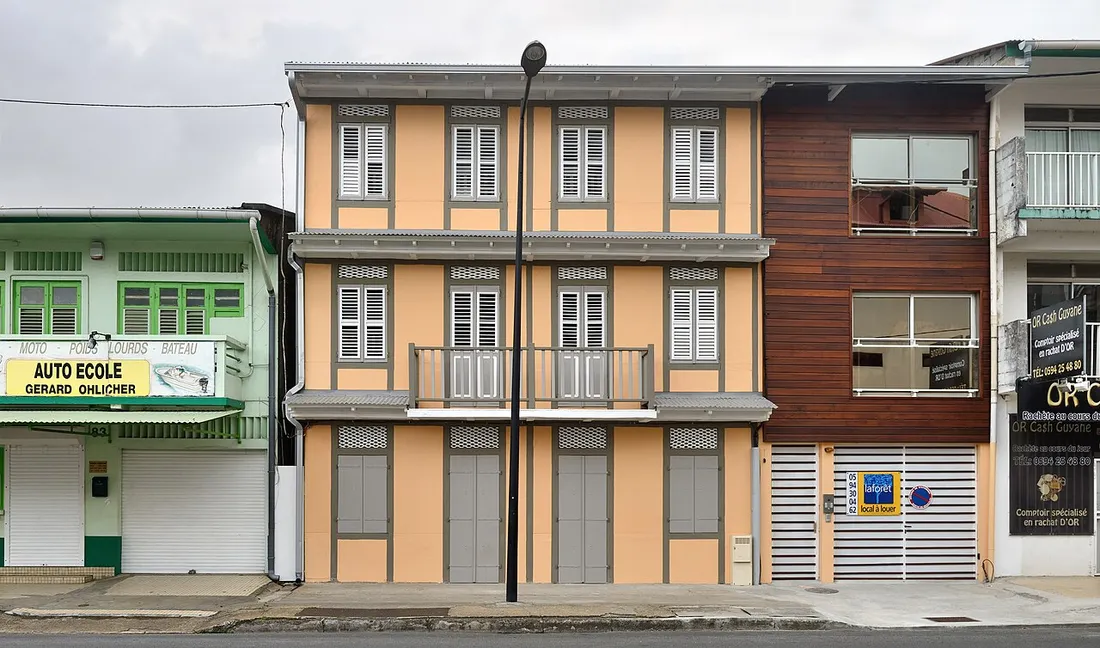
Securing the property before putting it up for rent
Before thinking about income, you need to clean up the situation. Here are the steps we systematically recommend.
1. Obtain the certificate of ownership
Visit a notary to have the property certificate (attestation immobilière) drawn up after the death, which formalises the transfer of the property to the heirs. Allow generally 2 to 6 months depending on the complexity of the estate and the availability of civil-status records. In French Guiana, plan for more time if old records have to be reconstituted.
2. Draw up a joint-ownership agreement
This is the most useful and most underused tool. This agreement, signed before the notary, can:
- appoint a joint-ownership manager (an heir or a third party) authorised to sign rental contracts and collect rents;
- set the distribution of income in proportion to the shares;
- establish the breakdown of charges (property tax, insurance, maintenance).
A clear agreement prevents 90% of the family conflicts we see arise once the money starts coming in.
3. Check that the property is compliant
A property inherited more than twenty years ago often needs upgrading: air conditioning, mosquito nets (essential against mosquitoes carrying dengue), wiring brought up to standard, treatment of the damp linked to the equatorial climate. Budget for this step before putting it on the market.
Why holiday rental is often the best option
Faced with a jointly owned property, many hesitate between selling, renting long-term or renting short-term. Holiday rental offers decisive advantages in the French Guianese context.
A market driven by a growing niche tourism
French Guiana attracts a specific clientele: families coming to watch an Ariane 6 or Vega launch from the Guiana Space Centre in Kourou (free visits), nature lovers heading for the Kaw marshes, the Nouragues reserve or the Salvation Islands, travellers heading up the Maroni river by pirogue towards Saint-Laurent-du-Maroni and its Transportation Camp. Not forgetting business tourism linked to the space sector and visiting-family tourism. The best period, the dry season from July to late November, concentrates strong demand.
Flexible and reversible income
Unlike a three-year residential lease, short-term rental leaves the joint ownership free to recover the property quickly, for example if an heir wishes to live in it or if a sale goes through. It’s a strong argument for winning over hesitant co-owners.
Realistic ballpark figures
As a guide, on the current French Guianese market:
- a well-located furnished studio in Cayenne (near Place des Palmistes or the market) or in Rémire-Montjoly rents for between €45 and €75 per night;
- a 3-bedroom family house in Matoury, Macouria or near Félix-Éboué airport can reach €110 to €180 per night in high season;
- the annual occupancy rate is often between 50 and 65% for a well-managed property, with peaks during space-launch campaigns.
Split between three or four heirs, this income turns a dormant property into an asset that at minimum covers the property tax and maintenance — often a good deal more.