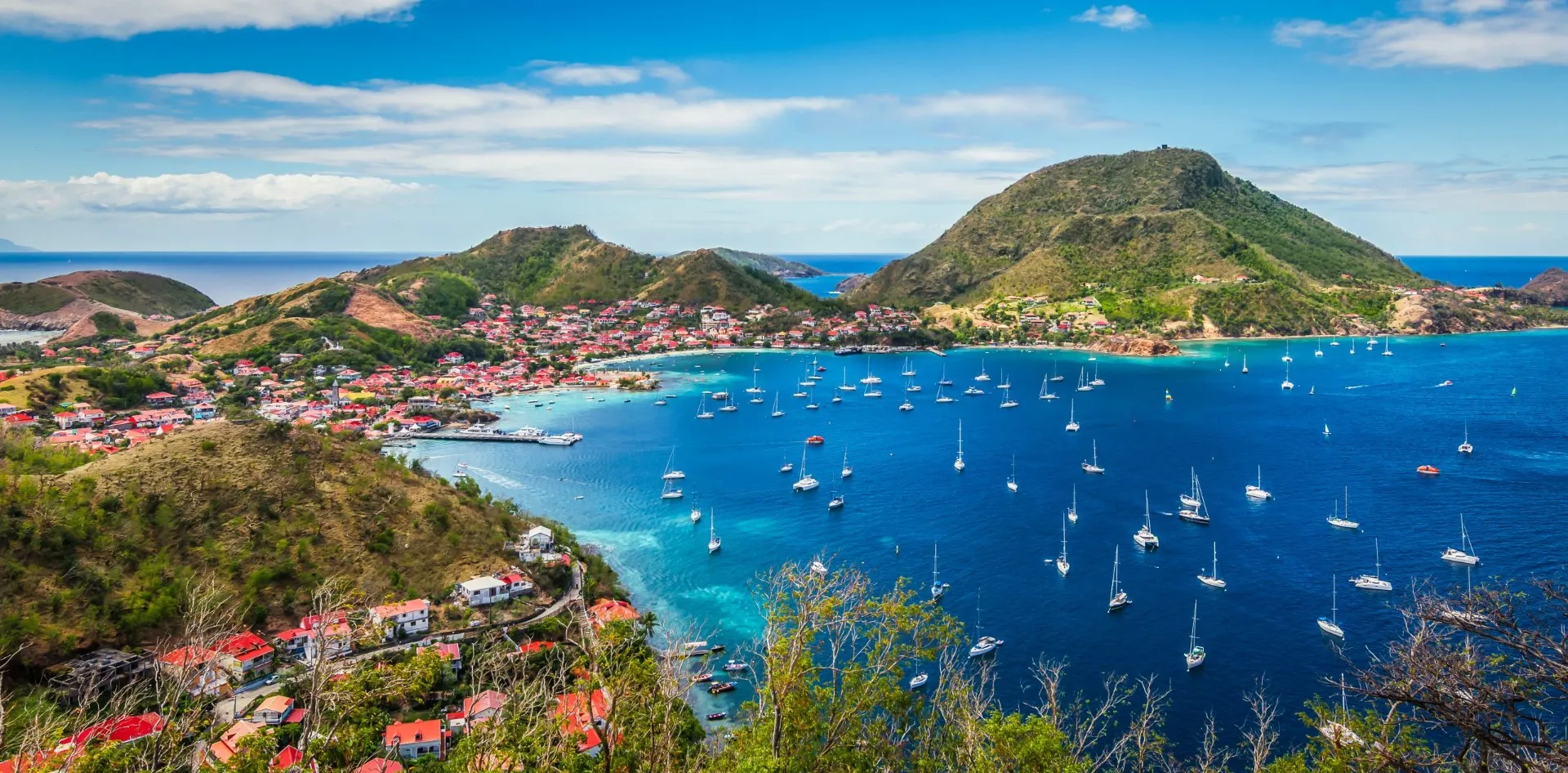

You’re settled on the Riviera du Gosier, with the beach just steps from your accommodation, and you’re looking for a short outing, car-free and family-friendly? Îlet du Gosier is without doubt Grande-Terre’s best answer. This little nugget of sand and coconut palms, set a few hundred metres off the shore, is yours in a five-minute shuttle ride or a twenty-minute paddle. Here is our complete guide, written from the field, to nail this mini family outing.
Îlet du Gosier at a glance: a postcard setting within reach
Îlet du Gosier is an uninhabited islet of about two hectares, sitting opposite the town of Le Gosier, one of the liveliest seaside resorts in Guadeloupe. As a reminder, Guadeloupe is a French overseas department shaped like a butterfly, with its two wings: Grande-Terre, limestone and beach-lined, where Le Gosier lies, and Basse-Terre, volcanic and tropical. You pay in euros, French and Creole are spoken, and the time difference with Paris is 5 hours in winter and 6 hours in summer.
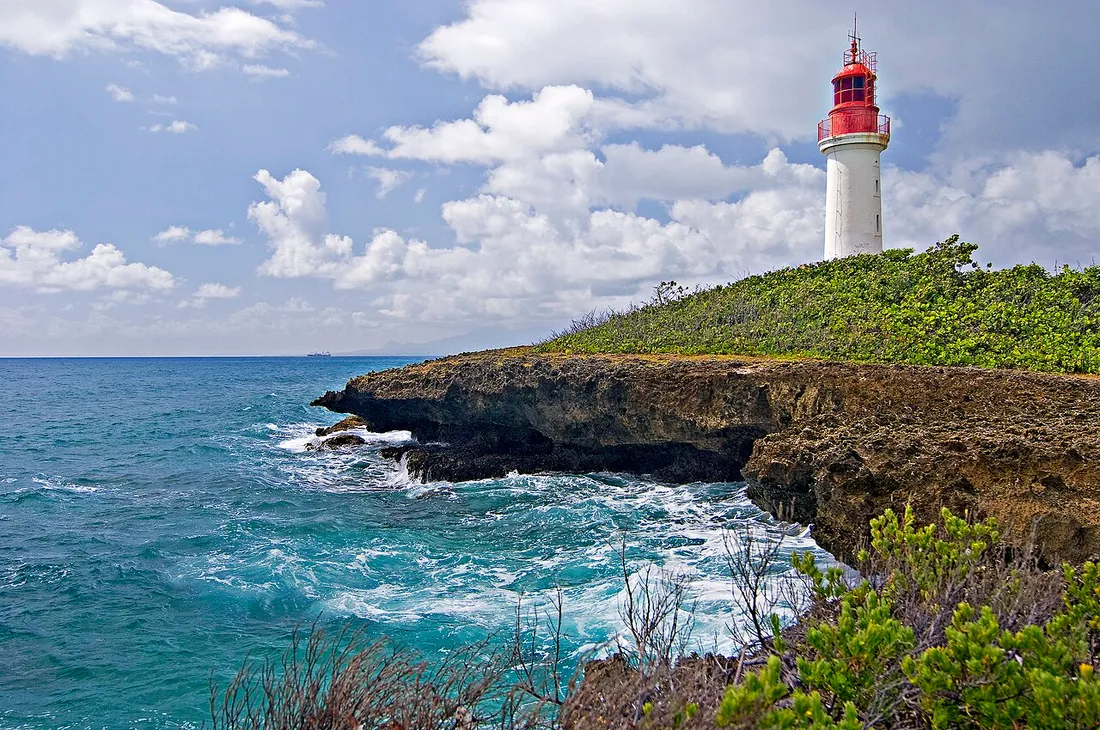
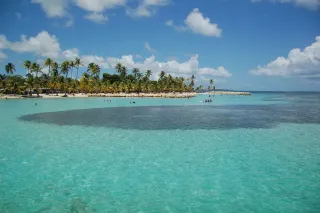
What makes the islet so special is its iconic lighthouse, a small white-and-red tower that has watched over the entrance to the bay for more than a century. Around it, shallow turquoise water, white sand, a few shady carbets and two little beach huts serving accras, grilled fish and fresh juices. It’s the perfect spot for a relaxed half-day, especially when travelling with young children who need a reassuring setting and shallow waters.
Why it’s ideal for families staying on the Riviera
- Zero car logistics: from Datcha beach (Le Gosier’s public beach), everything starts on foot.
- Ultra-short crossing: just 5 minutes, ideal for little ones who dislike long journeys.
- Calm, shallow waters: the bay is sheltered, and you can often touch the bottom over much of the islet.
- Food on site: no need to carry everything, you’ll find food and drink there.

How to reach Îlet du Gosier: shuttle or paddle
By shuttle: the simple, fast option
Maritime shuttles run continuously between Datcha beach and the islet in high season (the dry season from December to April, the best time to visit). Allow about 5 minutes for the crossing. The system is flexible: you buy a round trip, and you head back whenever you like on one of the following shuttles, with no fixed schedule.
Budget-wise, expect on average €8 to €12 per adult for the round trip, often half price for children and free for toddlers. The first rotations usually start around 9 a.m. and the last ones bring visitors back in the late afternoon, around 5–5:30 p.m. A few practical tips:
- Arrive early (before 10 a.m.) on weekends and during school holidays, as the islet fills up quickly.
- Keep your return ticket nice and dry, in a waterproof pouch.
- Let the boatman know the approximate time of your return if you have a deadline.
By paddle or kayak: the gentle adventure
For more active families, reaching Îlet du Gosier by stand-up paddle or kayak is a memorable experience. The distance is about 600 to 800 metres from the shore, or 15 to 25 minutes of paddling at an easy pace. Several rental operators on Le Gosier beach offer paddles and kayaks by the half-day for around €15 to €25, life jackets included.
Our safety recommendations, tested on site:
- Set off in the morning, before the trade wind picks up: the sea is flatter and the wind weaker.
- Make the crossing with one adult per child, and stay together.
- The return is sometimes more demanding as you come back into the wind: keep some energy in reserve.
- If in doubt about the weather or the wind, the shuttle remains the safe bet.
Tides: the key factor for a successful outing
Here’s the tip every local knows but holidaymakers often miss: on Îlet du Gosier, the tide changes everything. The tidal range is small in Guadeloupe (a few tens of centimetres), but on such a flat islet, that difference is enough to transform the landscape.
- At low tide, sandbanks emerge around the islet, creating shallow natural pools. It’s the dream moment for children: they paddle within their depth over large areas, easy to keep an eye on.
- At high tide, the islet visually shrinks and the water rises close to the coconut palms. Swimming stays pleasant but the shallow play areas shrink.
Our family tip: aim for the two hours around low tide. To plan ahead, check the Grande-Terre tide times the day before (many free apps provide them for Guadeloupe). And don’t forget the time difference: the times are in local time, not Paris time.
Snorkelling and seabeds
Around the islet, mask and snorkel reveal sandy bottoms, a few seagrass beds and small colourful fish. It’s not the Cousteau Reserve at Malendure (the No. 1 diving spot, on the Basse-Terre side), but for a first introduction to family snorkelling, the calm, shallow water is perfect. Bring your own masks to avoid rental, and apply reef-safe sunscreen.