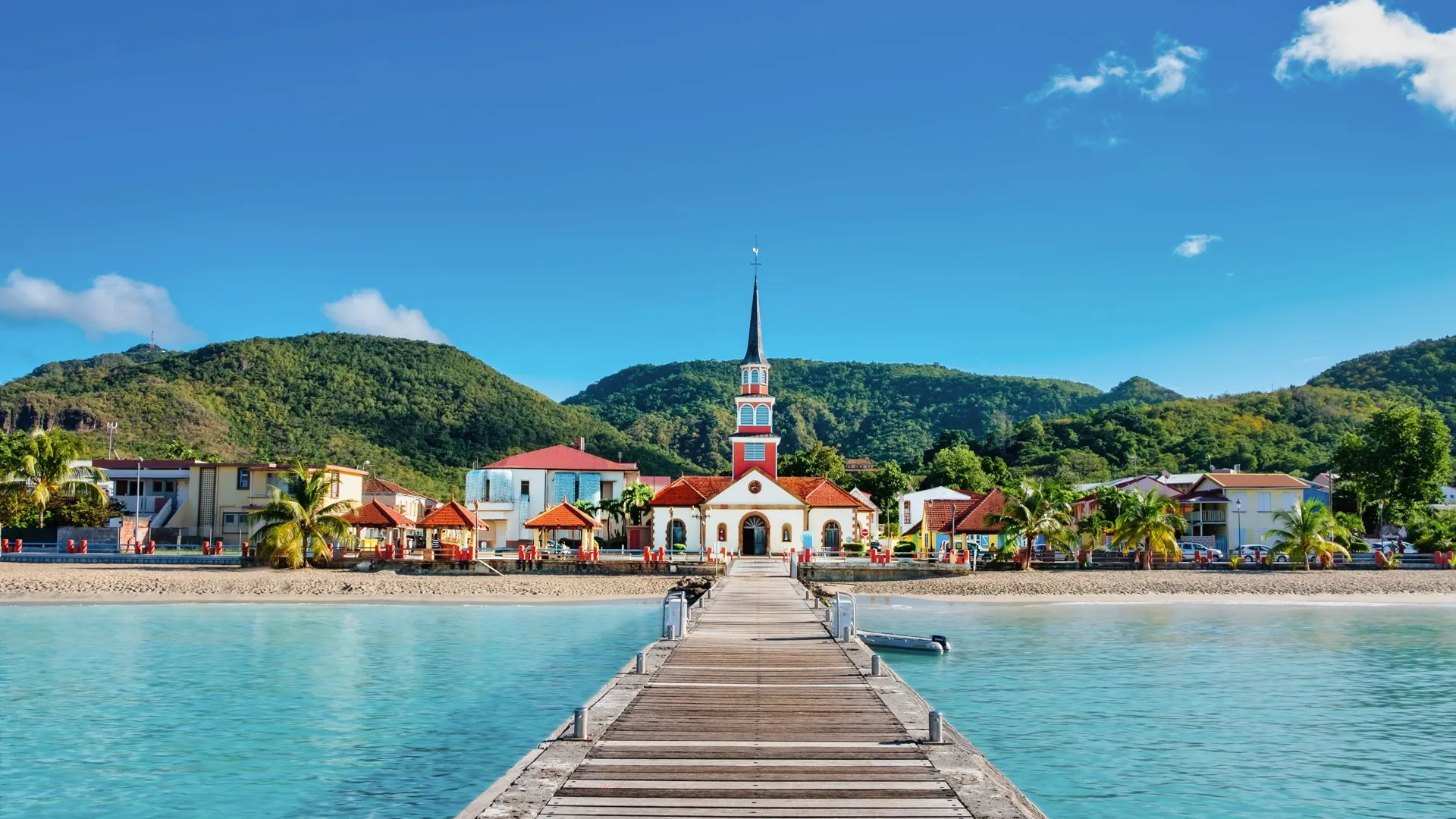
If you only had time for one cultural visit during your stay in Martinique, this would almost certainly be the one. Habitation Clément, perched on the heights of Le François on the Atlantic coast, is not just another distillery: it’s an estate of more than 16 hectares where Creole colonial history, international contemporary art, a remarkable botanical garden and, of course, one of the finest legacies of AOC agricultural rum all come together. Many visitors come for the rum and leave surprised by everything else. As residents settled on the island who regularly bring our travellers here, after a dozen visits across different seasons, we’re sharing a practical and honest guide so you don’t miss a thing.
Why Habitation Clément stands apart from other distilleries
Many people arrive in Martinique with the image of a classic distillery: a still, a shop, a quick tasting. Habitation Clément completely breaks that mould. Martinique boasts a fine Rum Route (Depaz, Saint-James, La Mauny, Trois-Rivières…), all producing that famous AOC agricultural rum distilled from pure cane juice. But Clément plays in a league of its own: here you step into a wooded park where the 19th-century Creole Master’s House sits alongside monumental works of art, century-old cellars and a botanical collection of several hundred species. The site isn’t experienced as a quick tasting stop, but as a genuine half-day cultural stroll.
It’s also a place steeped in diplomatic history: in March 1991, Habitation Clément hosted the summit between George Bush Sr. and François Mitterrand, on the sidelines of the Gulf War. The Main House preserves the memory of that meeting, adding a singular dimension to the visit. You’re not just wandering through an agricultural estate, you’re walking through a slice of Franco-American history.
Where the estate is located
Habitation Clément lies in the commune of Le François, on the Atlantic coast (eastern Caribbean) of Martinique, roughly:
- 35 to 45 minutes from Aimé Césaire airport in Le Lamentin (25-30 km)
- 35 minutes to 1 hour from Fort-de-France depending on traffic
- about 1 hour from Les Trois-Îlets and 45 minutes from the southern beaches such as Sainte-Anne and Les Salines
On an island just 80 km long, these distances remain modest, but Martinique’s road network calls for caution. A rental car is highly recommended: there’s no practical public transport link to the estate, and you’ll gain the freedom to combine it with other stops on the Rum Route. Free parking is available on site.
The visitor route: step by step
The estate’s great strength lies in the variety of its atmospheres. The visit is self-guided and signposted, at your own pace: you’re handed a map on arrival. Allow 2 to 3 hours for a complete and relaxed visit, more if you love art or photography. Here’s the order we recommend to enjoy the cool of the morning before the afternoon heat.
1. The Master’s House and Creole architecture
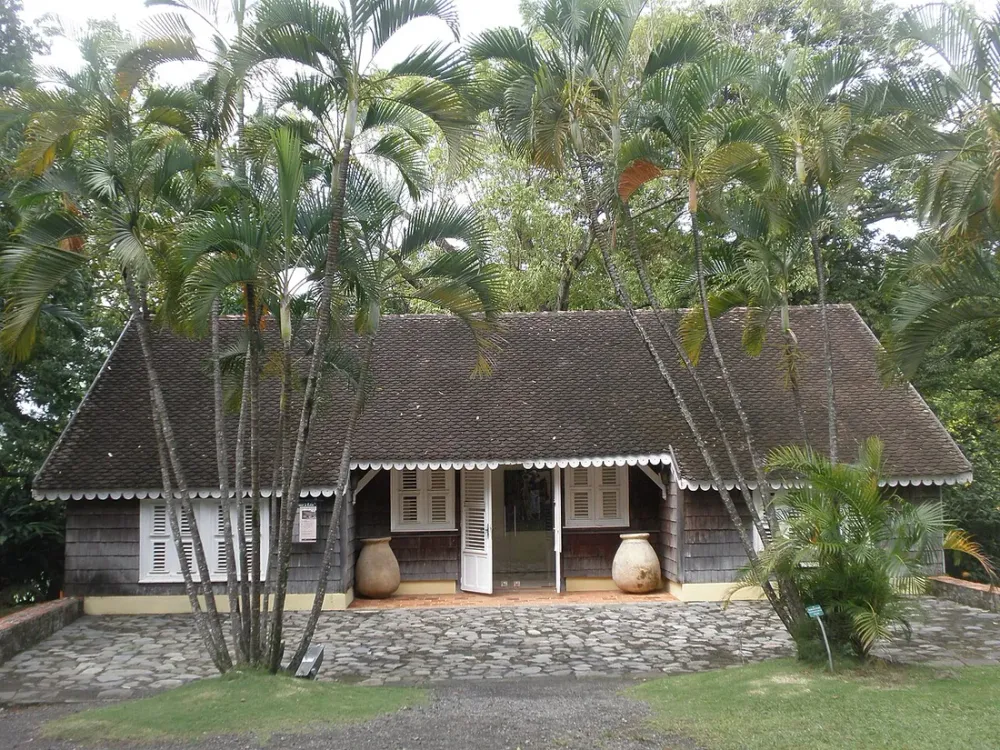
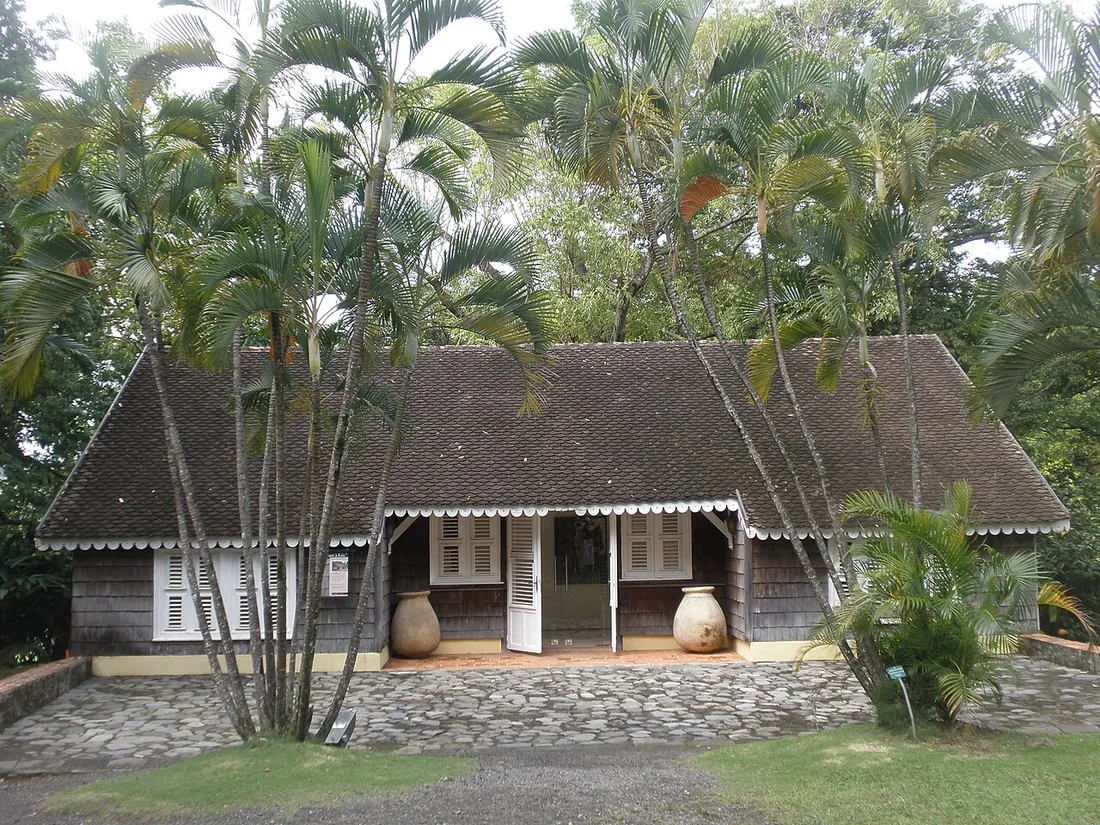
Start with the Main House, carefully restored: it’s a superb example of a late-19th-century Creole plantation house, one of the best preserved in the Caribbean. You wander through the period rooms — drawing room, dining room, bedrooms, verandas wrapping around the building, louvred shutters, colonial furniture, precious-wood panelling and an outdoor kitchen — all this tropical elegance designed to catch the slightest trade wind. This is where the history of the place, and the famous 1991 summit, is felt most strongly. Take time to sit on the gallery: the view over the park is one of those suspended moments you remember. Around the house, the manicured gardens offer the estate’s finest photo opportunities, especially in the dry season when the light is crisp.
2. The botanical garden and the palm avenue
The botanical garden is, for us, the highlight of the visit. Allow 30 to 45 minutes to explore it. The path winds between:
- a spectacular palm grove with graphic silhouettes (the avenue of royal palms is one of the most shared images of Martinique)
- century-old kapok trees, giant bamboo and collections of labelled tropical species
- a Creole orchard with its emblematic fruits
- perfectly arranged viewpoints for photography
The whole is maintained with the care of a collector’s garden, shaded and pleasant, ideal with children. While the Balata Garden further north remains a benchmark on the island, Habitation Clément’s has the advantage of combining botany, art and heritage on a single ticket.
3. The Clément Foundation and contemporary art
This is what surprises visitors most, and to our mind what sets Clément apart from the island’s other distilleries: don’t skip the Clément Foundation, a leading contemporary art foundation in the Caribbean, housed in a large building of distinctive architecture. Temporary exhibitions of Caribbean and international artists change several times a year, and monumental works are scattered throughout the park. You move from a rum barrel to a contemporary sculpture in a few steps, creating an unexpected dialogue between heritage and creation. It’s included for estate visitors; allow at least 30 minutes if an exhibition catches your eye.
4. The cellars and the art of agricultural rum
The highlight for enthusiasts: the historic heart of the estate remains the production. Martinique is the only region in the world whose agricultural rum enjoys an AOC (Appellation d’Origine Contrôlée), obtained in 1996. Unlike molasses rum, agricultural rum is distilled directly from freshly pressed pure cane juice, which gives it those characteristic herbaceous, vegetal aromas. Along the route, you’ll discover:
- the old distillery and its distillation columns (Creole column)
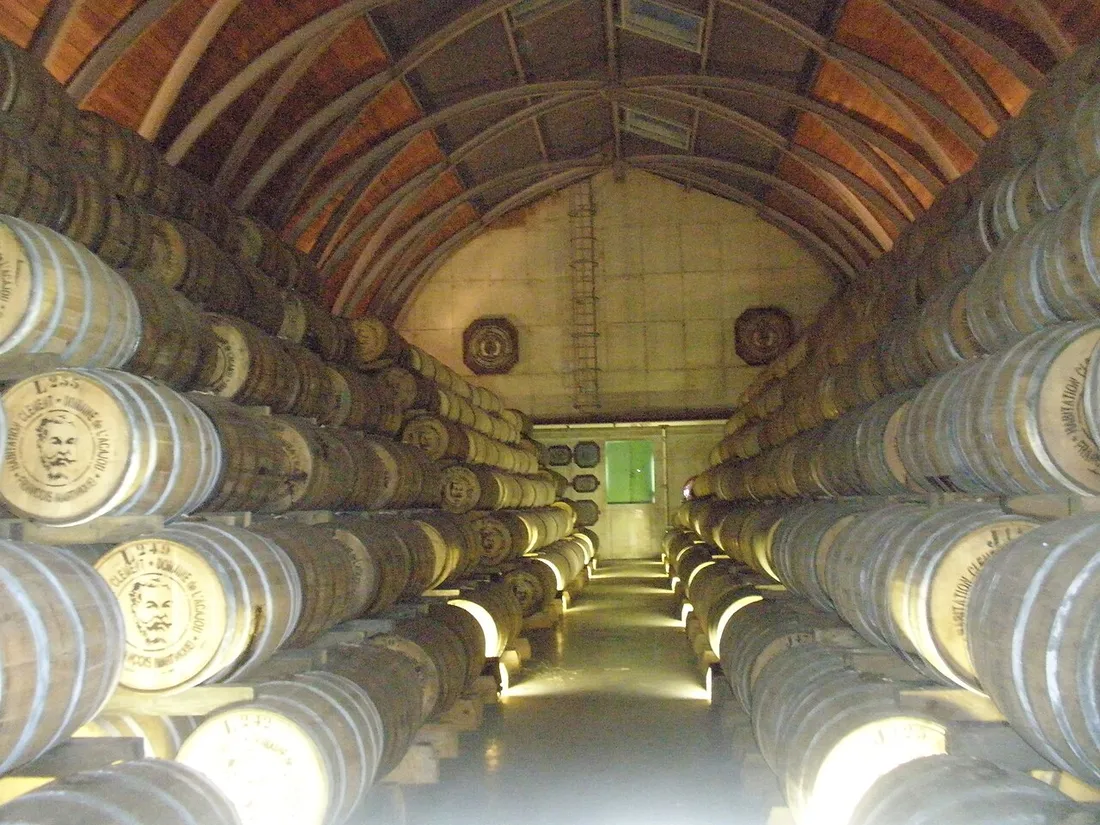
- the vast ageing cellars, where thousands of oak barrels rest in a warm, woody half-light
- the panels explaining the stages (cane crushing, fermentation, distillation, ageing) and the work of the cellar master
The smell of the cellars, that blend of wood, vanilla and cane, is an experience in itself.
5. The tasting and the shop
The visit logically ends at the tasting area, in the shop. Visitors of legal drinking age can sample (in moderation) several emblematic vintages, from white rum to the old aged bottlings that built the brand’s reputation. The shop offers the full range, including rare vintages unavailable in mainland France, perfect for taking home an authentic souvenir.
Tickets, prices and duration: the essentials
Here are the practical benchmarks to plan for (indicative 2026 prices, to be checked when booking as they change):
- Full adult price: around €16 to €20, complete route and tasting included.
- Reduced / student price: around €10 to €14.
- Free admission: generally for children under 12.
- Audio guide: available in several languages, a few euros extra.
- Recommended duration: 2 to 3 hours, more if an exhibition captivates you.
- Hours: open every day, generally from 9 a.m. to 6:30 p.m. (last entries mid-afternoon, around 5:30 p.m.).
Good to know: the ticket is valid for a single day but gives access to the entire estate (cellars, house, foundation, gardens, tasting). Buy it online in high season (December to April, and around the February-March carnival) to avoid the queue.
A local’s tips for a successful visit
- Arrive early, around 9 a.m.: the morning light is superb on the palm grove, you’ll meet few people in the Creole house, you avoid the midday heat and you keep the afternoon for the beach or the white-sand shallows.
- Bring closed shoes and water: the garden is explored on foot along paths that are sometimes long and uneven.
- A hat and sunscreen are essential, even in the dry season.
- The best period is Lent (the dry season), from December to April: clear skies, bright gardens, mud-free paths. In the wet season, the house, cellars and art Foundation make an excellent fallback in case of a tropical downpour.
- Save the tasting for last and, if you’re driving, designate a sober driver — the old vintages are generous. Avoid stringing too many distilleries together on the same day.