There are two times of year when a rental in Guadeloupe fills up effortlessly: Carnival, which stretches from Epiphany to Ash Wednesday, and the dry-season peak from December to April. Add Route du Rhum years and the Festival Terre de Blues on Marie-Galante, and you have a golden calendar. But these windows are won well in advance, not just through cleaning and photos. The furnished tourist rental registration in Guadeloupe sets the stage for everything else: without it, your listing can be blocked by the platforms at the worst possible moment, exactly when demand explodes. As a resident of the archipelago who supports hosts every day at Hostel Toucan, let me explain how to be compliant on time.
Why Register Your Rental Before Event Peaks
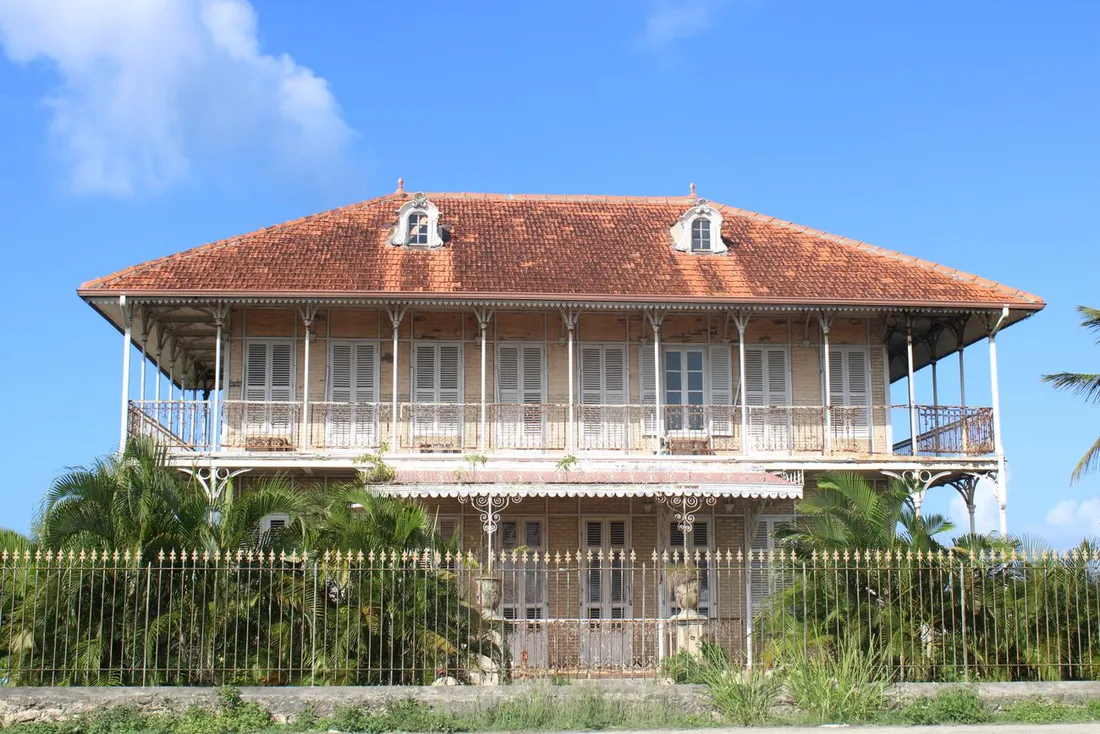
Guadeloupe is a French overseas department and region (DROM): the Tourism Code applies here word for word, just as it does in mainland France. As soon as you rent out a furnished property to a transient clientele who do not establish their primary residence there, you are operating a furnished tourist rental within the meaning of Article L.324-1-1, whether it’s a studio in Pointe-à-Pitre, an apartment facing the Sainte-Anne lagoon, or a Creole cottage on the heights of Deshaies.
When you’re aiming for the big events, it all comes down to timing. Here’s why registration must precede the event, not follow it:
- The platforms (Airbnb, Booking, Abritel) block publication without a registration number in the towns that require one. No number on December 15, no listing for the holidays.
- Tourist towns cross-check online listings against their registers, and inspections intensify during periods of high traffic.
As for penalties, nothing here is hypothetical: up to a €450 fine for failure to register, and up to a €5,000 civil fine per property where a registration number is required but missing.
The Calendar That Should Guide Your Filing
Work backward from demand. For the holidays and Carnival (December to March), aim to file your application before October, as soon as the first searches begin. For the August cycling Tour, the Route du Rhum, or off-season events, take advantage of spring, the ideal low season to handle the paperwork calmly.
The Step-by-Step Procedure: Cerfa 14004 and Online Service
Step 1: Identify the Right Town Hall and Its Regime
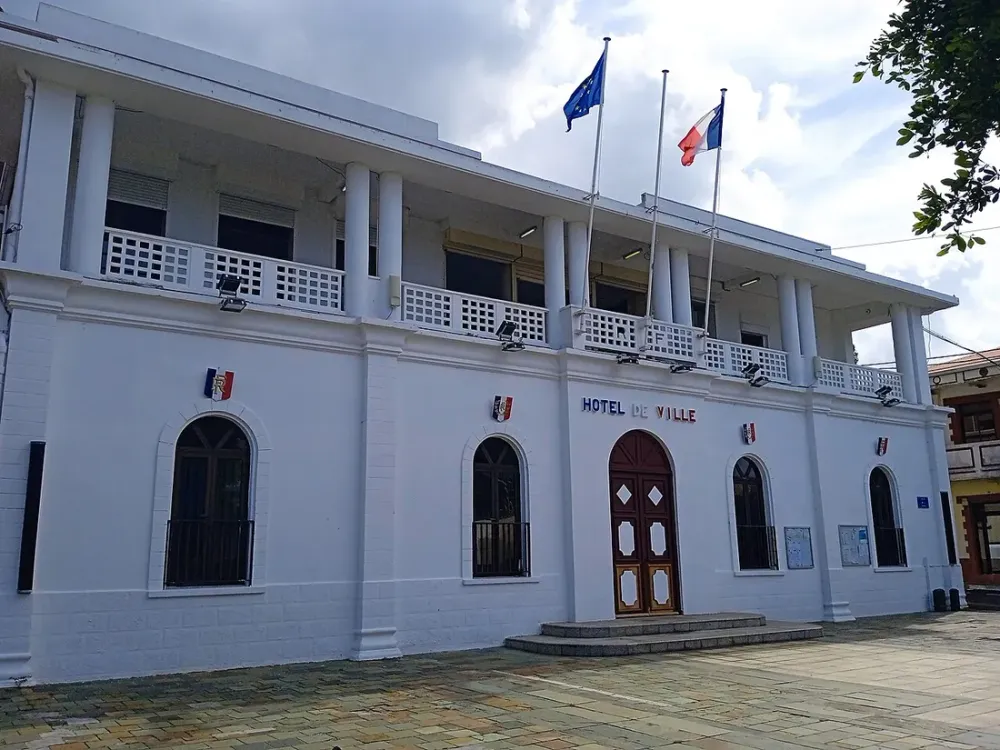
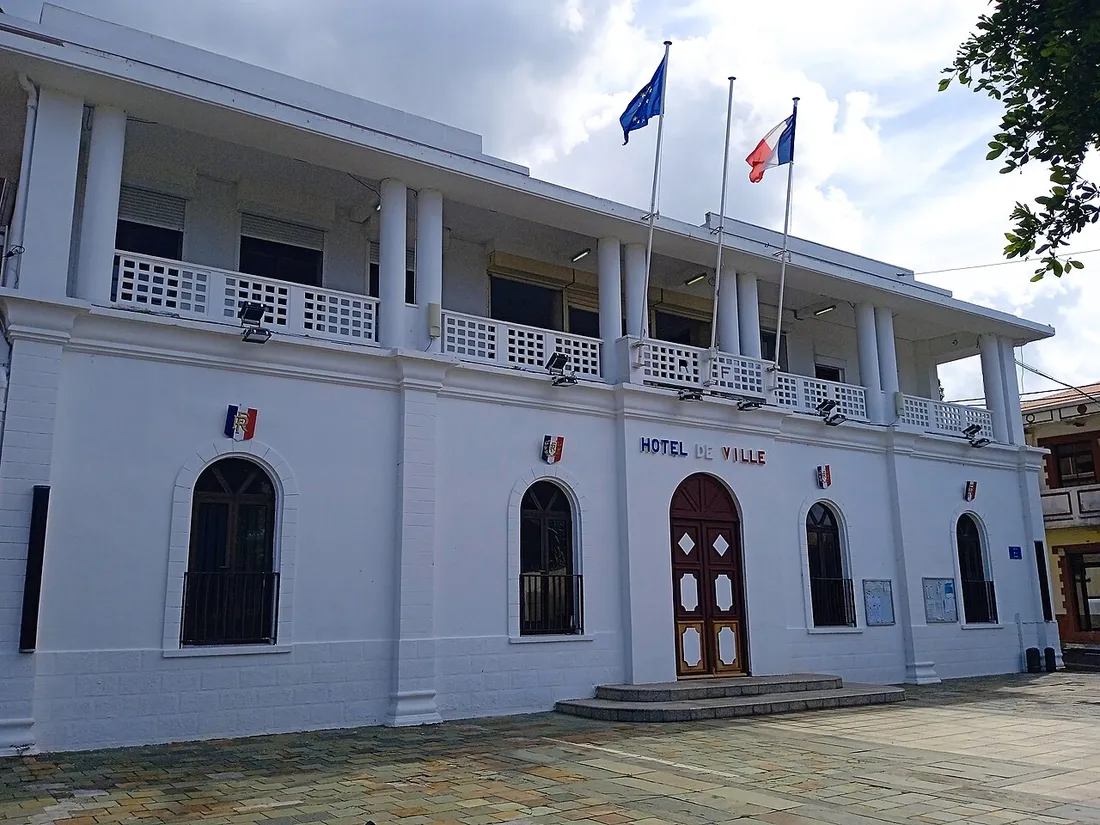
The right contact is the town hall of the municipality where the property is located, never your town of residence. In Guadeloupe, the regimes are not uniform:
- Pointe-à-Pitre and Le Gosier (CAP Excellence): a dense urban area, the most affected by registration and, potentially, by change-of-use authorization. It’s also the most sought-after sector during the mas à po of Carnival.
- Sainte-Anne, Saint-François (Riviera du Levant): highly prized seaside towns, registration in place, peak demand around Caravelle beach and the marina.
- Deshaies, Bouillante (Basse-Terre): the leeward side, near Grande Anse and the Cousteau Reserve at Malendure, with traditional town hall registration.
- Le Moule and the other municipalities: prior declaration is mandatory for any second home rented out.
Note: the law of November 19, 2024 (known as the Le Meur law) made registration universal. Since May 20, 2026, all municipalities, Guadeloupe included, rely on the national online registration service. If your town hall has not yet switched over, file the paper Cerfa.
Step 2: Fill Out the Cerfa 14004 Form
The Cerfa form no. 14004*04 is free and can be downloaded from service-public.fr. Allow 10 to 15 minutes. You provide the declarant’s identity, the exact address of the furnished rental (building, floor, lot number in co-ownership), the number of rooms, the maximum accommodation capacity in beds, and the planned rental periods.
You can file in person, by registered letter, or online. The town hall issues a receipt within about two weeks, your proof of compliance.
Step 3: Obtain and Display the Town Hall Registration Number
In municipalities with registration, the online service immediately generates a 13-character number, with the town’s INSEE code opening the sequence (for example, 97120 for Le Gosier or 97110 for Pointe-à-Pitre). This town hall registration number must appear on all your listings, on platforms as well as your direct booking page, and any subsequent change requires a new declaration.
One point I often repeat: the process is entirely free. Be wary of websites that charge €30 to €90 for a service the town hall provides at no cost.
Change of Use in Pointe-à-Pitre and Urban Areas
This is the question that comes up most often among owners in the central agglomeration. The change of use is an authorization distinct from the declaration: converting a residential premises into tourist accommodation, something certain towns under pressure may impose with per-neighborhood quotas. The change of use in Pointe-à-Pitre and in dense urban municipalities therefore warrants a systematic check, since the November 2024 law allows any municipality to activate it. My advice before investing:
- Question the town planning department in writing at the town hall or agglomeration (CAP Excellence for Pointe-à-Pitre, Riviera du Levant for Sainte-Anne and Saint-François) and demand a formal response.
- In co-ownership, re-read the co-ownership regulations: an exclusive bourgeois-residence clause may prohibit short-term rentals, declaration or not.
- If change of use applies, allow 1 to 2 months of processing, impossible to improvise the week before Carnival. An application launched in September gives you time to be ready for January.