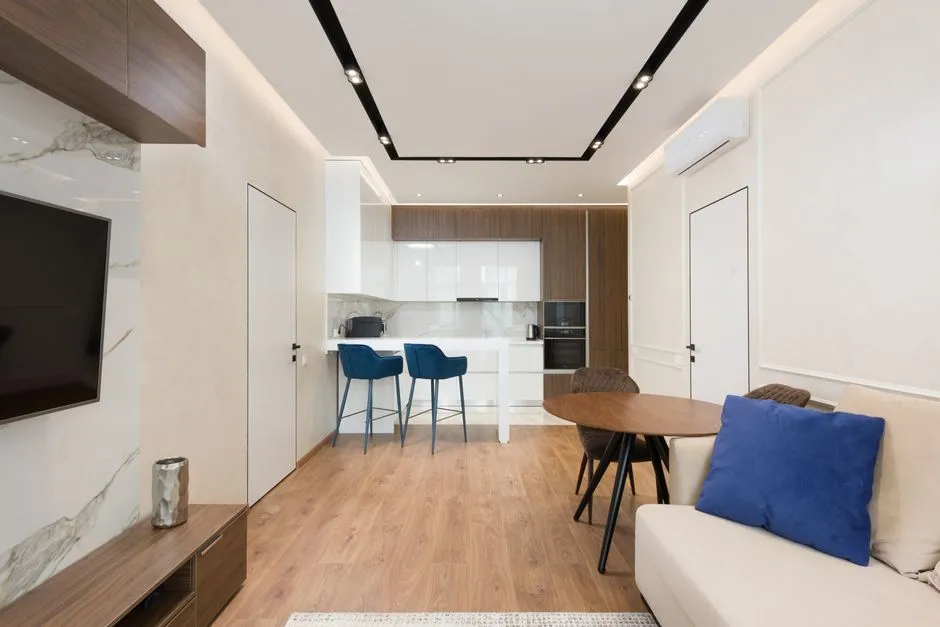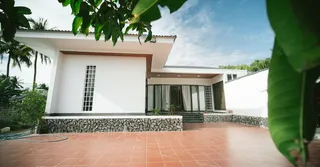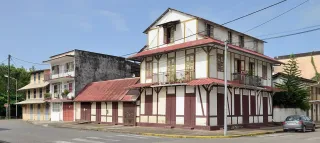
Investing in furnished property in a French overseas department that combines runaway demographics, a chronic housing shortage and the unique activity of the Guiana Space Centre: this is what makes furnished rental investment in French Guiana so distinctive. France’s Non-Professional Furnished Landlord status (LMNP) applies here just as it does in mainland France, but the playing field is nothing alike. Based on the ground for several years, I observe a market where demand structurally outstrips supply, driven by a population of around 290,000 in rapid growth and by the very specific needs of engineers, subcontractors and missions tied to the Ariane 6 and Vega launches.
This guide breaks down how the LMNP mechanism applies to the Guianese context: taxation, promising towns, types of property, realistic yields and pitfalls to avoid.
The LMNP status: a reminder of the fundamentals
The LMNP status lets you rent out a furnished home while benefiting from favourable taxation, provided you respect two ceilings: furnished rental income must not exceed €23,000 per year or must stay below the household’s other income. Beyond that, you move into the professional (LMP) category.
Two regimes coexist:
- The micro-BIC: a flat-rate allowance of 50% on rents (30% for non-classified tourist accommodation since the reform). Simple, with no heavy accounting.
- The actual-expenses regime (régime réel): deduction of real costs (loan interest, property tax, insurance, management) and depreciation of the property and furniture. This is often the regime that neutralises tax on rents for many years.
In French Guiana, a fully fledged French overseas department, these national rules apply in full. But the territory adds a decisive lever: overseas tax-incentive schemes and a tight market that secures occupancy.
The tax advantage specific to the overseas departments
French Guiana benefits from measures specific to the overseas departments. VAT is suspended there (a special rate), and above all, new rental investment can — subject to caps on rents and on tenants’ income — qualify for overseas tax reductions more generous than in mainland France. These schemes change regularly: be sure to consult a local chartered accountant and the official tax website before making any commitment. The LMNP under the actual-expenses regime remains the stable, lasting foundation.
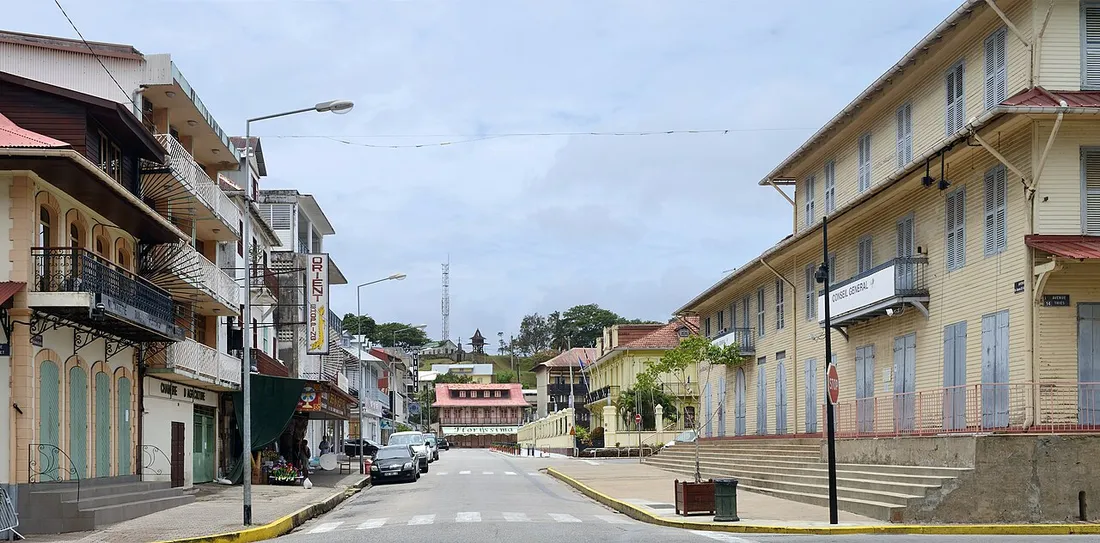
Why French Guiana is a market apart
Housing scarcity is the structuring factor here. Construction does not keep pace with demographic growth, and several tenant profiles compete for the available properties.
Demand driven by the space industry
The Guiana Space Centre, in Kourou, generates a constant stream of accommodation needs: engineers on assignment, subcontractors for launch campaigns, staff seconded during the Ariane 6 and Vega launches. These stays, from a few weeks to several months, fuel premium demand for medium-term furnished rentals — not very price-sensitive but demanding on comfort and immediate availability.
A strong public-sector and medical presence
Beyond Kourou, Cayenne concentrates administrative, hospital and educational needs. Transferred civil servants, medical interns, teachers posted for two or three years: all reliable tenants looking for a turnkey furnished home, without the cost or the delays of a full move-in.
A growing niche tourism
The dry season, from July to late November, draws visitors towards the Salvation Islands, the Kaw marshes, the Maroni River by pirogue or the leatherback turtle nesting at Awala-Yalimapo. This tourism remains confidential but high-quality, and the lack of quality accommodation creates a real opportunity for well-positioned seasonal rentals.
Which towns to target for your LMNP
The choice of town determines the type of tenant and the yield. Here are the markets I recommend studying first.
Cayenne and Remire-Montjoly
The capital and its residential neighbour form the heart of the market. Cayenne offers proximity to the market, the Place des Palmistes and the administrative offices; Remire-Montjoly, quieter and seaside, appeals to families of executives. Expect furnished rents of around €12 to €16 per m² per month depending on location.
Kourou, the space-industry value
Essential to know for anyone targeting the Space Centre’s clientele. Demand for furnished rentals there is almost inelastic during launch campaigns. A well-equipped one-bedroom flat finds a tenant very quickly. It is the most typically Guianese market.
Matoury and Macouria
Close to Félix-Éboué airport (Matoury) and developing fast, these peri-urban towns offer more affordable purchase prices and rental demand sustained by the sprawl of the metropolitan area.
Saint-Laurent-du-Maroni and Roura
Saint-Laurent, the second city and gateway to the Maroni with its Transportation Camp, is seeing some of the fastest demographic growth in France. A riskier market but with strong potential. Roura, more rural, mainly appeals to ecotourism towards Kaw and the Nouragues.
Realistic yields and budgets
Price levels remain lower than in the major mainland cities, which supports attractive gross yields.
- Furnished studio / one-room flat: purchase often between €90,000 and €140,000, rent of €550 to €750/month.
- Furnished one-bedroom flat (the flagship format for the space industry and transfers): €130,000 to €200,000, rent of €750 to €1,100/month.
- Gross yield: frequently 5 to 8%, sometimes more on medium-term furnished rentals in Kourou.
Beware of specific costs: the cost of construction and imported materials is high, tropical humidity demands intensified upkeep (air conditioning, anti-termite treatment, ventilation), and a car is indispensable, so a parking space significantly enhances the property’s value.