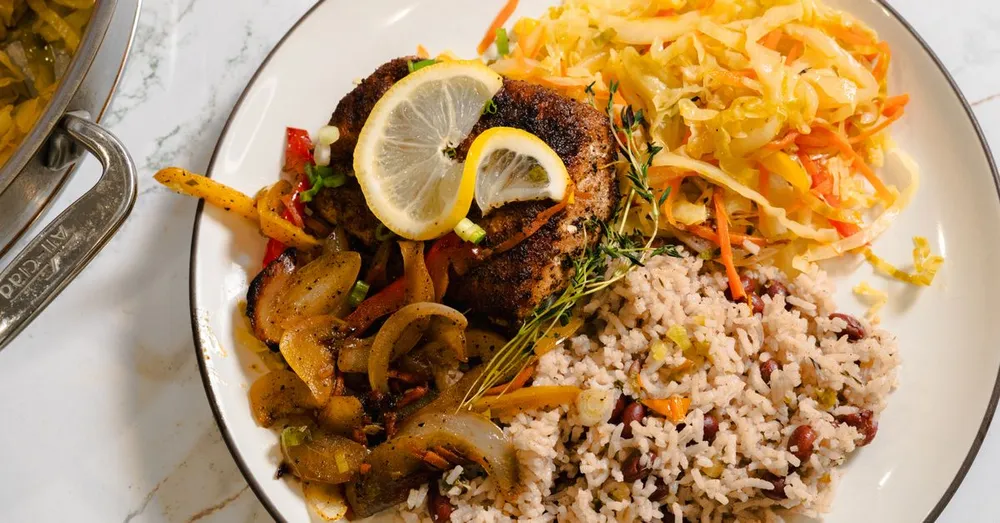
The cuisine of French Guiana is arguably one of the most surprising in all of France’s overseas territories. Here, in this Amazonian land the size of Portugal yet home to fewer than 300,000 people, culinary traditions from every continent sit side by side. When you sit down to eat in French Guiana, you are in fact tasting centuries of history: that of the Amerindian peoples, the Bushinengé descendants of the maroons, the Creoles, the Hmong who arrived from Laos in the 1970s, the Brazilians from the Oyapock border, and European flavors too. Get your taste buds ready: this culinary journey is going to make you hungry, and perhaps spark an irresistible urge to extend your stay.
A cuisine born of cultural blending
If you had to sum up Guianese cuisine in a single word, it would be mélange. No other table across the French Antilles and Guiana brings together so many influences on a single plate. The foundation is Amerindian: cassava, cultivated and processed for thousands of years, remains the staple food. Layered on top are the African traditions brought by the Bushinengé peoples (Saramaka, Aluku, Ndjuka, Paramaka), the refined spice of the Creoles, the market-gardening know-how and spring rolls of the Hmong communities, as well as the grilled meats and fruit juices of neighboring Brazil.
This mosaic is part of daily life: it is not unusual to have a Hmong soup for breakfast, a Creole colombo at lunch, and to end the day with smoked fish served on a bed of couac. To truly understand this heritage, the simplest thing is to come and savor it in person. While you explore the region from one of our accommodations, every meal becomes a little history lesson.
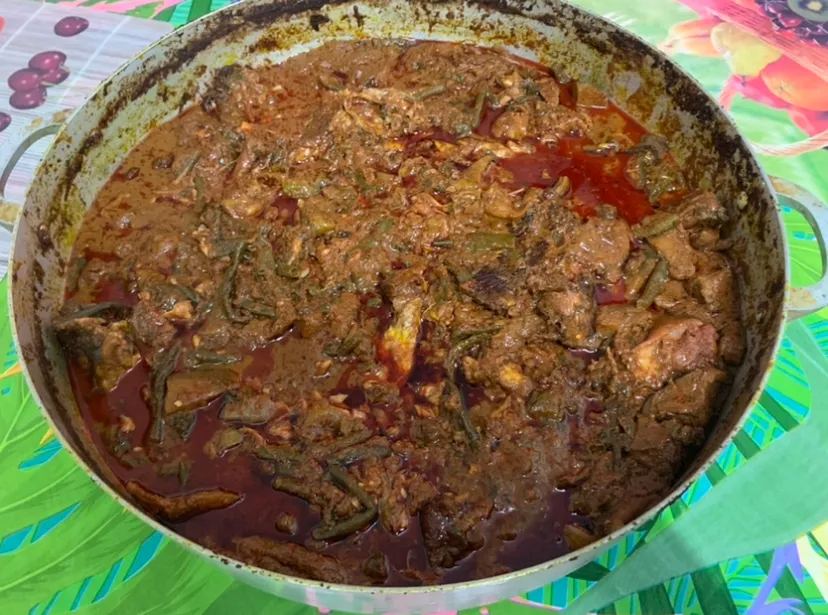
Awara broth, the signature dish of French Guiana
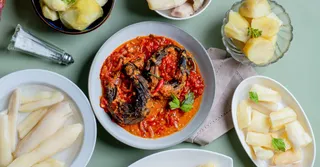
It is impossible to talk about Guianese cuisine without mentioning awara broth (bouillon d’awara), a true local culinary monument. This dish is made from the pulp of the awara, the orange fruit of a thorny palm tree, simmered at length until it forms a dense, fragrant paste. A profusion of ingredients is then added: smoked fish, cured meat, pork tails, shrimp, chicken, local spinach and vegetables.
The preparation can require two to three days of slow cooking, which makes it a festive dish rather than an everyday meal. Traditionally, it is enjoyed at Easter and Pentecost, when families gather. A persistent legend goes with it: whoever tastes awara broth is bound to return to French Guiana one day. If you are traveling outside the Easter season, keep an eye on table d’hôtes and certain restaurants that occasionally serve it on weekends.
The Creole essentials you absolutely must try
The Creole base of the Guianese table offers generous, spicy dishes you will come across just about everywhere. Here are the ones not to miss:
- Colombo — a slow-simmered stew of chicken, pork or goat, flavored with the colombo spice blend (turmeric, coriander, cumin, mustard), often served with rice and local vegetables.
- Blaff — a light, lemony court-bouillon of fish or seafood, lifted with chili, garlic and bay rum leaves, perfect for discovering the freshness of the local catch.
- Fricassée — meat or fish seared and then simmered in a fragrant sauce, varying with the catch and produce of the day.
- Game meat — rarer and sourced from the forest, you may sometimes find traditional preparations on menus served in sauce or smoked.
- Acras — crispy salt-cod or vegetable fritters, perfect with an aperitif.
Wash it all down with a well-balanced ti-punch (agricultural rum, cane sugar, lime) to start the meal the proper Creole way.
Cassava, couac and smoked fare: the Amerindian heritage
At the heart of Guianese cuisine lies cassava, a tuber transformed with know-how passed down through generations. Grated, pressed and then toasted, it becomes couac, a granular, slightly crunchy semolina that accompanies almost every dish. It is sprinkled over blaff, stirred into sauce, even served at breakfast. You will also find cassave, a thin cassava flatbread, and kwak in all its forms.
The other great tradition, inherited from the first peoples and perfected by the Bushinengé, is smoking (boucanage). Fish and meats are slowly smoked over a wood fire, which gives them an intense flavor and long shelf life. Try the smoked fish served with couac and a little chili sauce: it is the very essence of the cuisine of the interior. Along the Maroni and Oyapock rivers, these preparations are still everyday fare in the villages.