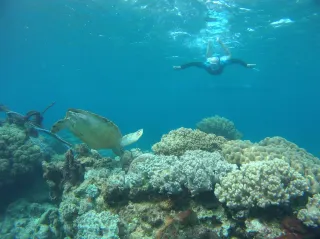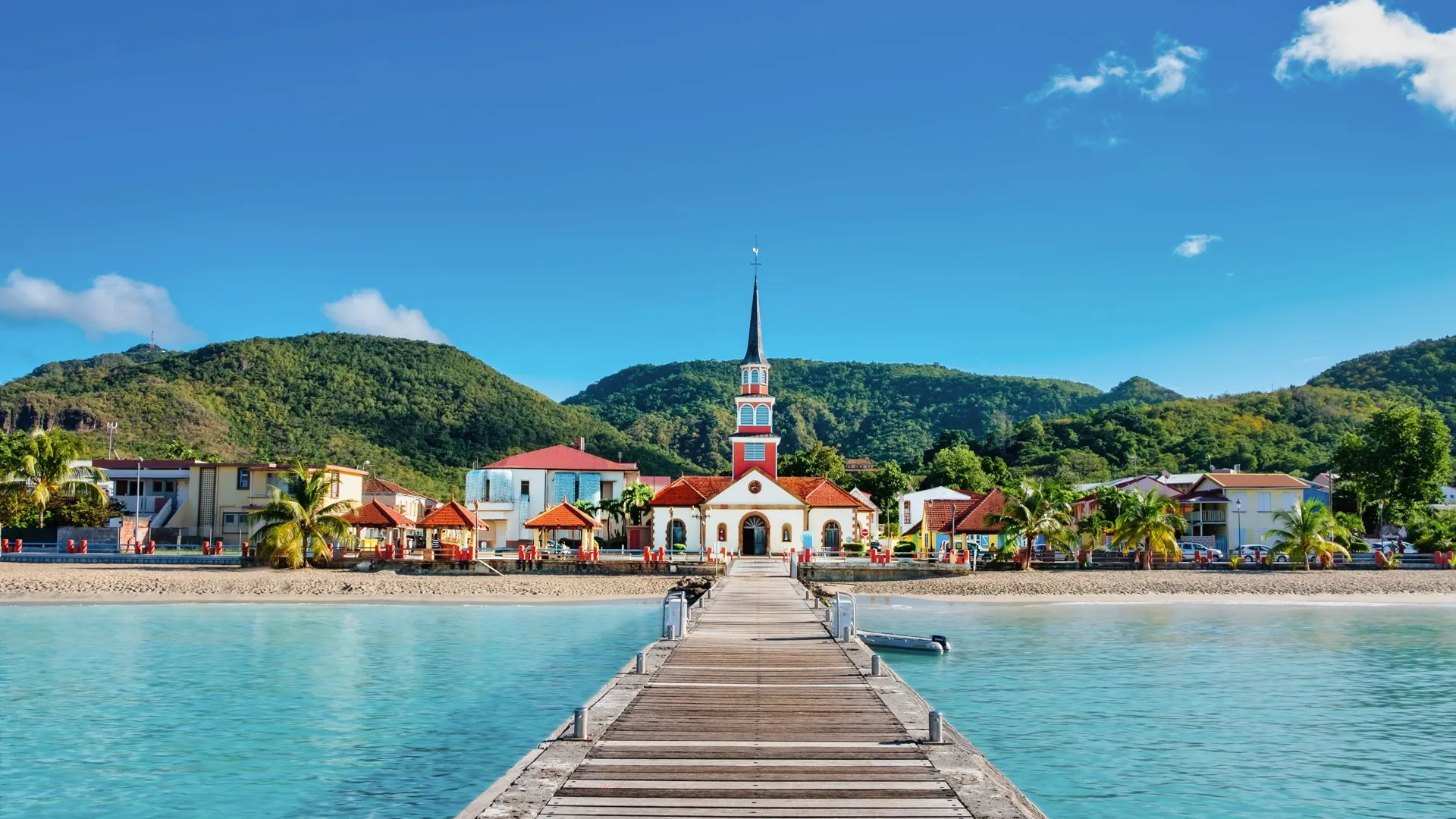
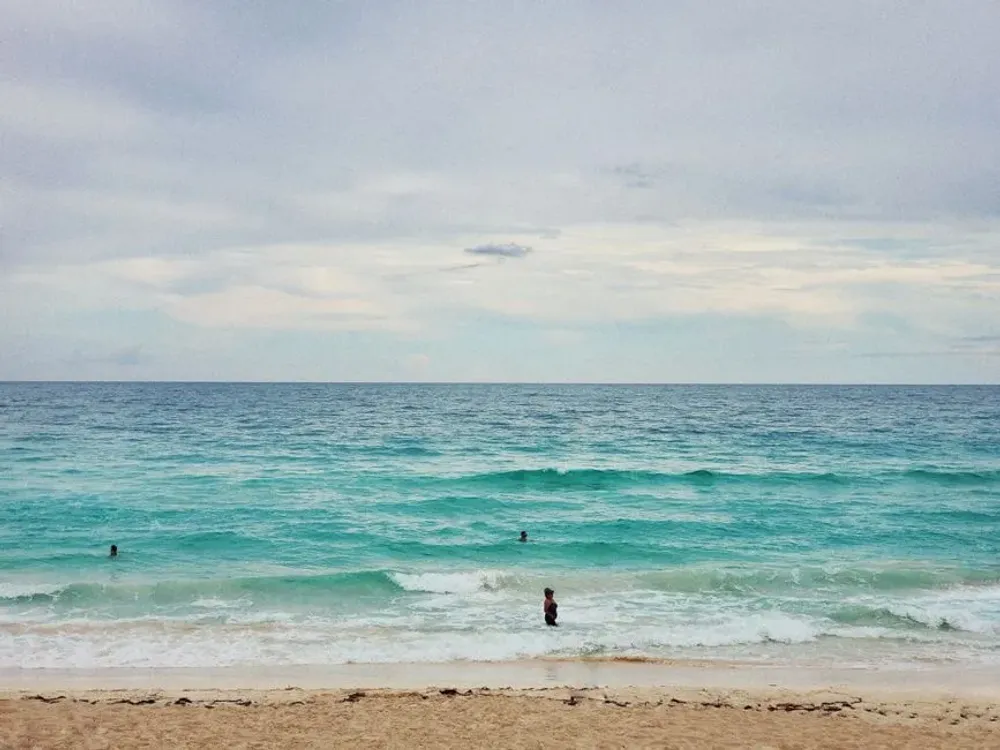
The moment you mention a trip to the French Caribbean, the same question always comes up, asked half under the breath: “And what about chlordecone—can we still swim?” I hear it every week from my guests, often right after they land at Aimé Césaire Airport. After years of welcoming travelers to the island, I believe the only good answer is a frank one—neither downplaying the issue nor fueling the panic. So here’s an honest assessment of chlordecone and swimming in Martinique: what science says, where fishing is regulated, and why you can take a dip at Les Salines with complete peace of mind.
What exactly is chlordecone?
An organochlorine pesticide spread on Antillean banana plantations from 1972 to 1993 against the weevil, chlordecone was banned in the wake of that period — yet it has never left the ground. The molecule is exceptionally stable, barely breaks down, and is expected to linger in some soils for decades, even centuries. The public health concern is real, and health authorities identify a single route of exposure: food, and only for certain products — root vegetables grown in contaminated soil, bottom-dwelling fish and shellfish from polluted areas, water from some rivers downstream of the former plantations. Our traveler’s precautions on chlordecone go through that side of the story in detail, market by market.
Pollution of the soil, not the sea
What matters for your swim is that chlordecone clings to soils and sediments and does not dissolve in seawater the way salt does. The molecule slowly migrates from farmland to rivers, then to certain river mouths and coastal mudflats, where it settles to the bottom. Sea bathing itself is therefore not a recognized route of exposure according to health authorities: you don’t get chlordecone poisoning by swimming, by accidentally swallowing a mouthful of saltwater, or by sunbathing on the sand.
Can you swim safely in Martinique?
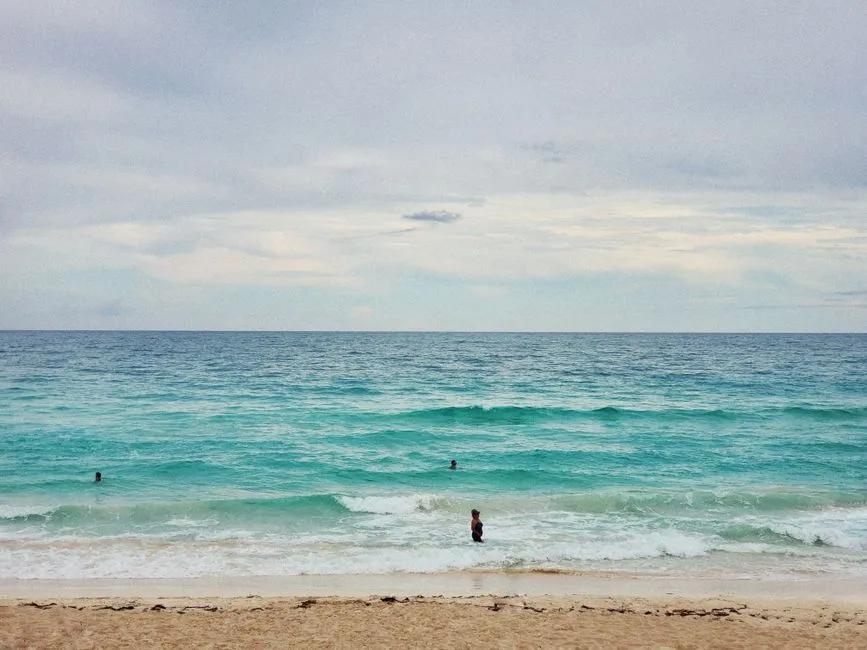
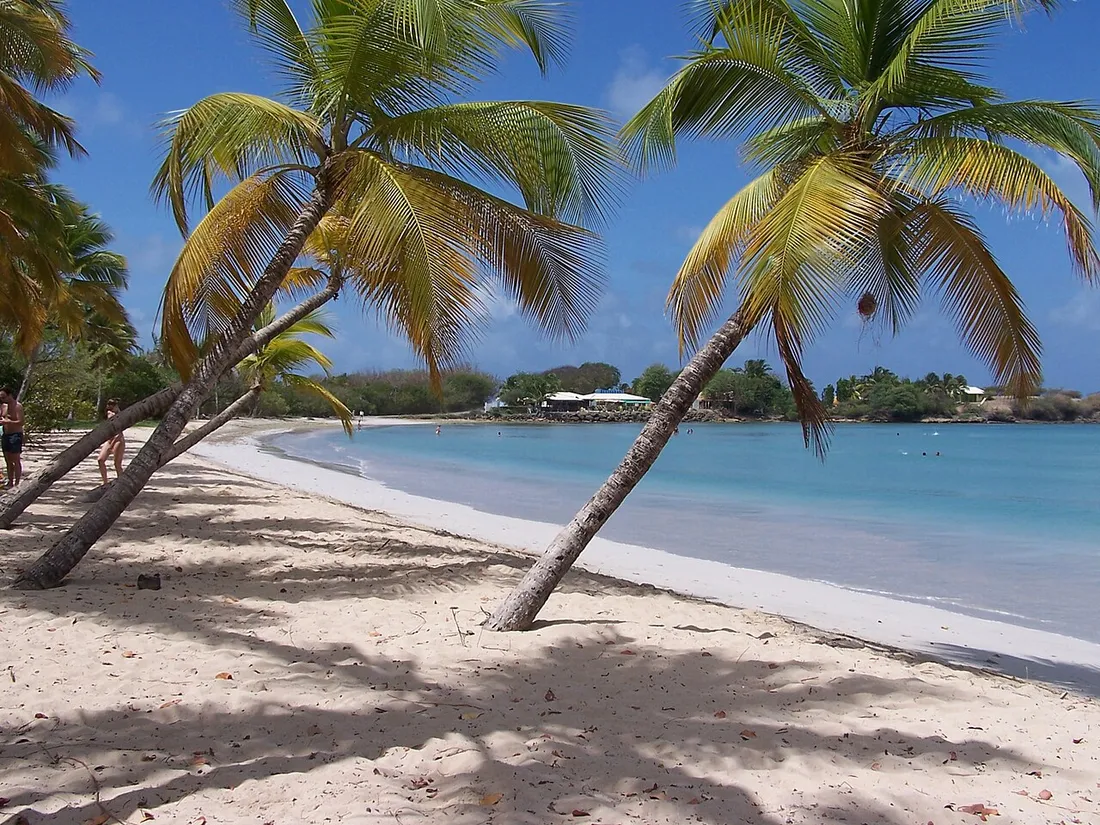
Yes. That’s the clear answer, and it rests on the consistent position of health authorities: no swimming ban is linked to chlordecone along Martinique’s coastline. The iconic beaches of the Caribbean coast and the South—Les Salines at Sainte-Anne, Anse Dufour, the black-sand Anse Noire, Grande Anse d’Arlet, Pointe Marin—are perfectly safe swimming spots in this respect.
Chlordecone is a food issue, not a seaside one: that’s the nuance to keep in mind.
The real swimming risks lie elsewhere
I prefer to redirect my guests’ attention to what genuinely deserves their caution in the water, and which has nothing to do with a pesticide: the rip currents of the Atlantic side (Tartane, the Caravelle peninsula), the sargassum on the East coast, the tropical sun, and the sea urchins on rocky bottoms. For these matters, it’s best to respect the flags on supervised beaches and favor the Caribbean coast for calm swimming. Our complete guide to Martinique details the beaches by visitor profile and season.
Beach water quality in Martinique: where to find the information
Beach water quality in Martinique is officially monitored every year. These analyses, carried out during the bathing season, focus on bacteria (microbiological contamination of human or animal origin), not on chlordecone—precisely because the latter is not a bathing parameter.
To prepare your stay, two useful habits:
- Check ARS Martinique (the Regional Health Agency). The ARS website publishes the classification of bathing waters site by site, beach by beach. It’s the official reference source for swimming in Martinique.
- Look for the signs on site. Supervised beaches display their classification and the day’s flag status. A green or orange flag concerns safety (currents, swell), not chemical pollution.
The vast majority of the island’s sites are rated as excellent or good quality. The rare temporary closures, usually after heavy rain, stem from a one-off bacteriological exceedance that quickly returns to normal.
Banned fishing zones: the real impact of chlordecone
Where chlordecone genuinely changes habits is in fishing, not in bathing. To protect the population, prefectural orders define zones where fishing is banned, coastal and in rivers, where the sediments are most heavily laden: mainly the river mouths and bays in the north and east of the island, downstream of former banana plantations, and certain Atlantic coastal areas home to bottom-dwelling species. The species that accumulate the molecule are those that forage in the sediment — certain bottom fish, spiny lobsters, and especially ouassous (large river prawns) caught in contaminated waterways.
Your plate, on the other hand, is fine: the fish sold through official channels is safe, and the pelagic fish served at restaurants, at the covered market in Fort-de-France, or sold by a licensed fishmonger comes from the open sea. If fishing is on your holiday programme, check which zones are open to anglers before you drop a line into a river or a river mouth. For the full set of habits to adopt at the market, at the fishmonger’s and on the vegetable side, see our traveler’s precautions on chlordecone.