
Are you preparing a job transfer, a relocation or a move from mainland France to Guadeloupe, and wondering what housing really costs in Pointe-à-Pitre? It is a central and entirely legitimate question: the Guadeloupean rental market has its own rules, very different from those of mainland France. Between the city centre, the surrounding metropolitan communes and the more residential areas, rent gaps can be significant. In this article, we share indicative benchmarks for 2026, a breakdown by neighbourhood and property type, along with concrete advice for avoiding the classic pitfalls of a first rental. All the figures below are ranges given for guidance only: actual rent depends on the condition of the property, its precise location, the season and your negotiation.
Understanding the Pointe-à-Pitre rental market
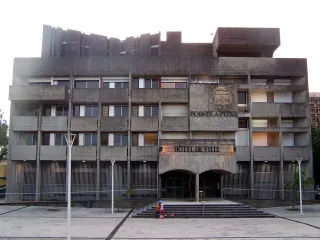
Pointe-à-Pitre is the economic and historic heart of Guadeloupe, but it is not the most populated commune (Les Abymes and Baie-Mahault both exceed it). The city is compact and dense, defined by its historic centre, its market, its ferry terminal and its immediate proximity to the CHU teaching hospital and the Jarry business zone, on the other side of the bridge, in Baie-Mahault.
When people talk about “rent in Pointe-à-Pitre”, you actually need to think at the scale of the Cap Excellence metropolitan area (Pointe-à-Pitre, Les Abymes, Baie-Mahault) and the highly sought-after neighbouring communes such as Le Gosier, Sainte-Anne or Petit-Bourg. Many newcomers who work in Pointe-à-Pitre or Jarry end up living in these adjacent communes, often for a better space-to-price ratio or a more residential setting.
What makes rents vary in Guadeloupe
Several factors weigh heavily on price, sometimes more than in mainland France:
- Air conditioning: an air-conditioned home (or one pre-fitted for it) rents for more, and the electricity bill that comes with it is a genuine budget item.
- Security and the standing of the residence: gated complexes, on-site security and private parking all push rent up.
- View and orientation: sea views and proximity to a beach or lagoon command a strong premium.
- Condition and age: older buildings in the city centre can be affordable but sometimes run-down; new builds on the outskirts cost more.
- Furnished vs unfurnished: on arrival, many people go for furnished, which is more flexible but generally pricier per square metre.
Indicative rent ranges for 2026
Here are some benchmarks, given purely for guidance, for a property in good condition in the Pointe-à-Pitre metropolitan area. They can vary considerably depending on the neighbourhood, the fittings and the season.
- Studio / one-room flat: as a guide, often between €450 and €700 per month excluding utilities.
- T2 (one bedroom): generally in a range of €600 to €900 per month depending on the commune and the standing.
- T3 (two bedrooms): frequently between €800 and €1,200 per month.
- House / villa with outdoor space: highly variable, often starting at €1,100 and able to exceed €1,800 depending on location, pool and view.
These ranges are indicative and shift with supply. The same T2 might be offered for markedly less in an older building in the centre than in a recent, secure residence in Le Gosier. Bear in mind too that quality properties go fast: being responsive counts just as much as your budget.
Don’t forget utilities and energy
The advertised rent is only part of your housing budget. In Guadeloupe, you need to plan for:
- Electricity: air conditioning and an electric water heater can noticeably inflate the bill, especially during the hot season.
- Water: the water network has historically had difficulties in certain communes (cuts, rotating supply schedules); look into the specific area.
- Building service charges: maintenance, security, green spaces, sometimes a communal pool.
- Home insurance, which is mandatory for the tenant.
Neighbourhood and commune overview
The centre of Pointe-à-Pitre
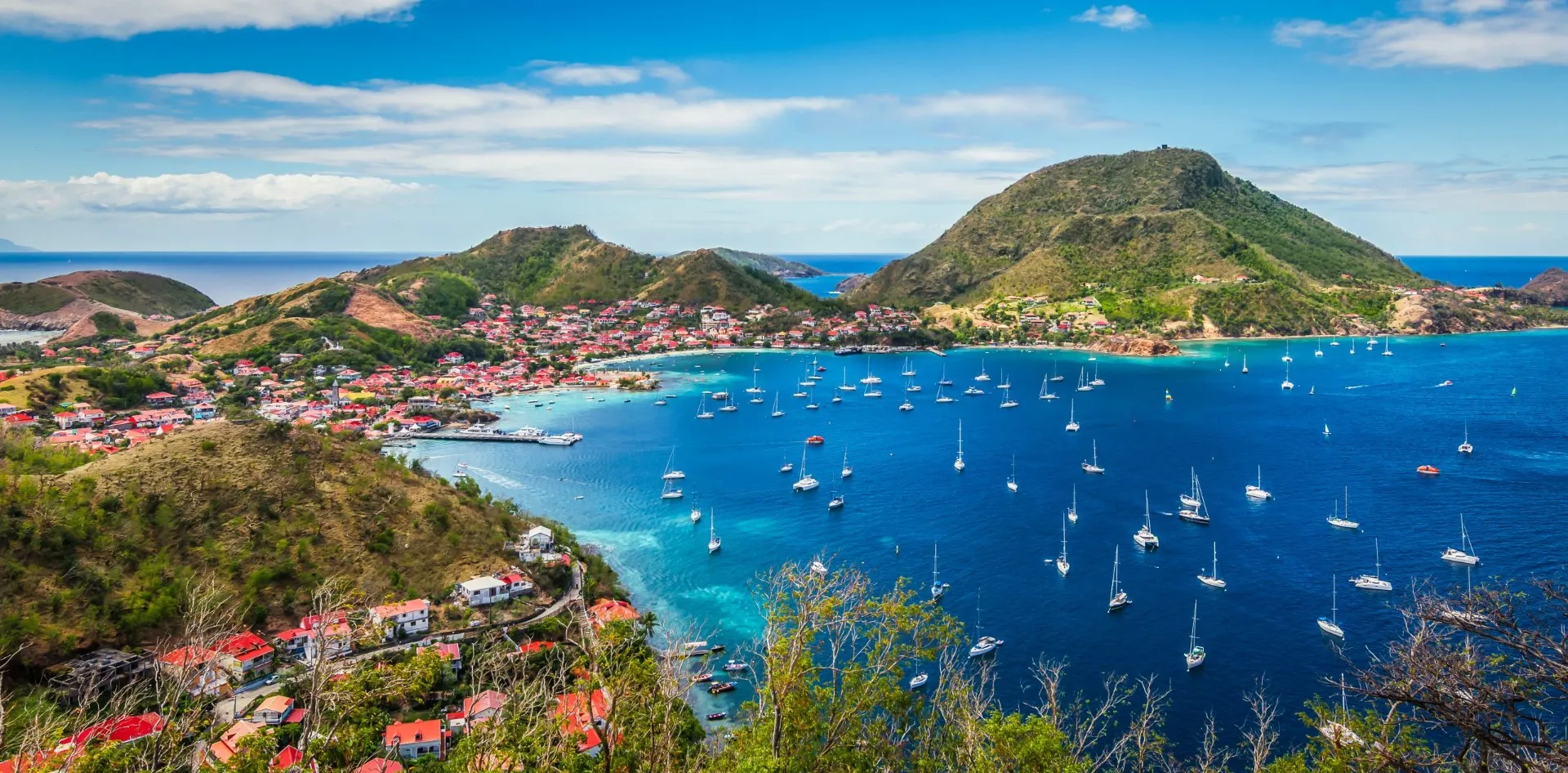
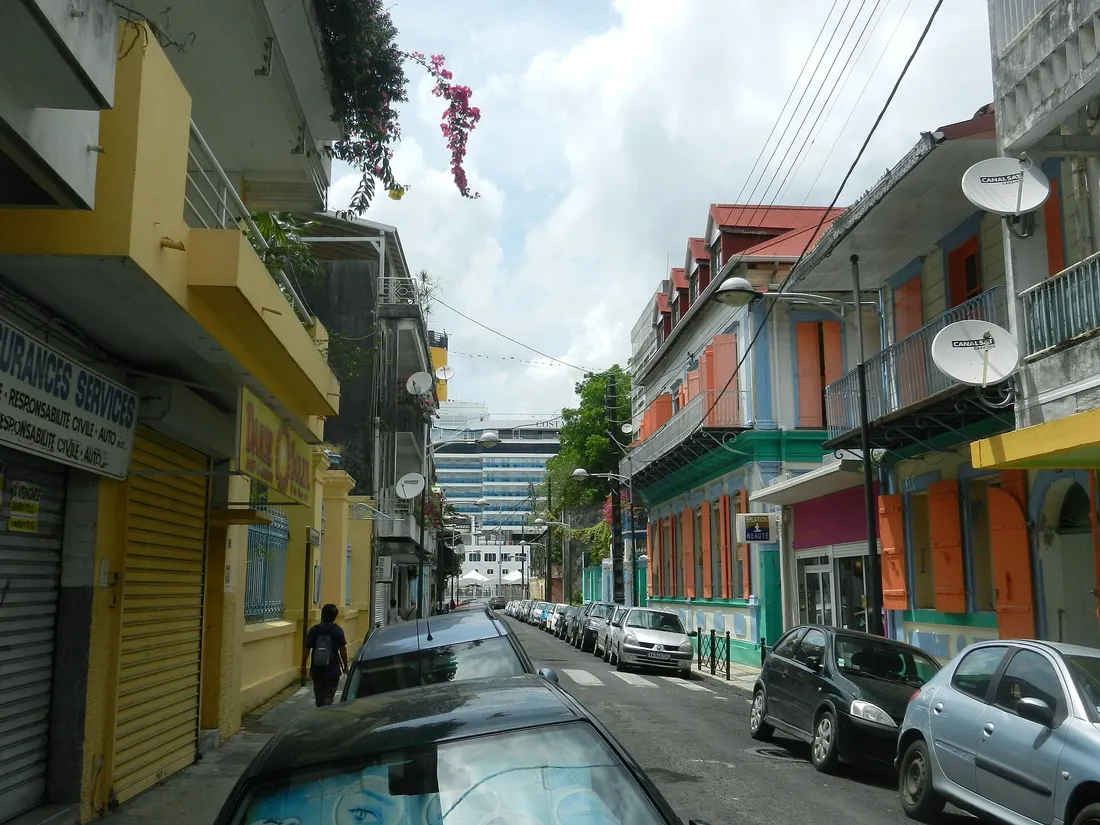
The historic city centre offers rents that are sometimes more affordable, particularly in older buildings. Everything is within walking distance: the market, shops, government offices and the ferry terminal for shuttles to Les Saintes or Marie-Galante. On the flip side, parking is difficult, some buildings are dilapidated and the urban buzz doesn’t suit everyone. It’s an interesting option for a first base, provided you view carefully.
Les Abymes
The island’s most populated commune, Les Abymes concentrates a broad supply of housing, from apartment blocks to detached homes. The areas near the CHU hospital and the university are convenient for healthcare staff and students. Prices are often gentler than in Le Gosier, with a wide diversity of districts: some very residential, others more working-class. Worth narrowing down neighbourhood by neighbourhood.
Baie-Mahault and Jarry
Baie-Mahault is home to Jarry, the largest business zone in the Caribbean: many newcomers work there. Living in Baie-Mahault or nearby cuts commuting times and avoids the traffic jams on the Gabarre bridge at rush hour. There is substantial recent supply, with modern residences, but rents follow demand.
Le Gosier
A popular seaside commune just east of Pointe-à-Pitre, Le Gosier is in high demand for its quality of life, its beaches and its upmarket residences. It is often the most expensive part of the metropolitan area for an equivalent property. Ideal if you’re looking for proximity to the sea and a residential environment, as long as you accept a higher budget.
Petit-Bourg, Sainte-Anne and beyond
Moving a little further out, Petit-Bourg (towards Basse-Terre) and Sainte-Anne (to the east, famous for its beach) offer other trade-offs. You often gain in space and peace and quiet, and lose in commuting time to Pointe-à-Pitre or Jarry. Something to weigh up according to your workplace and your tolerance for travel.
Furnished, unfurnished, temporary: which option on arrival?
One of the most common mistakes newcomers make is signing a long-term lease before even getting to know the island. Yet picking the wrong neighbourhood or commune is expensive and complicates life.
Unfurnished rental (standard lease)
This is the most economical solution over time, with a renewable three-year lease. It does, however, mean furnishing the property (appliances, furniture) and committing long term. Best chosen once you know the area well and your professional situation has stabilised.
Furnished rental
More flexible (a one-year lease, or even a mobility lease of 1 to 10 months in certain situations), furnished rental suits an arrival well. Rent per square metre is generally higher, but you avoid buying furniture and gain in flexibility.
Temporary accommodation: the ideal buffer period
Before committing, a few weeks of temporary accommodation lets you view properties on the ground, compare neighbourhoods in real conditions, test home-to-work journeys and secure a home without rushing. It is often the most cost-effective decision, because it prevents a bad lease choice. That is precisely the kind of solution we offer through our properties in Guadeloupe.