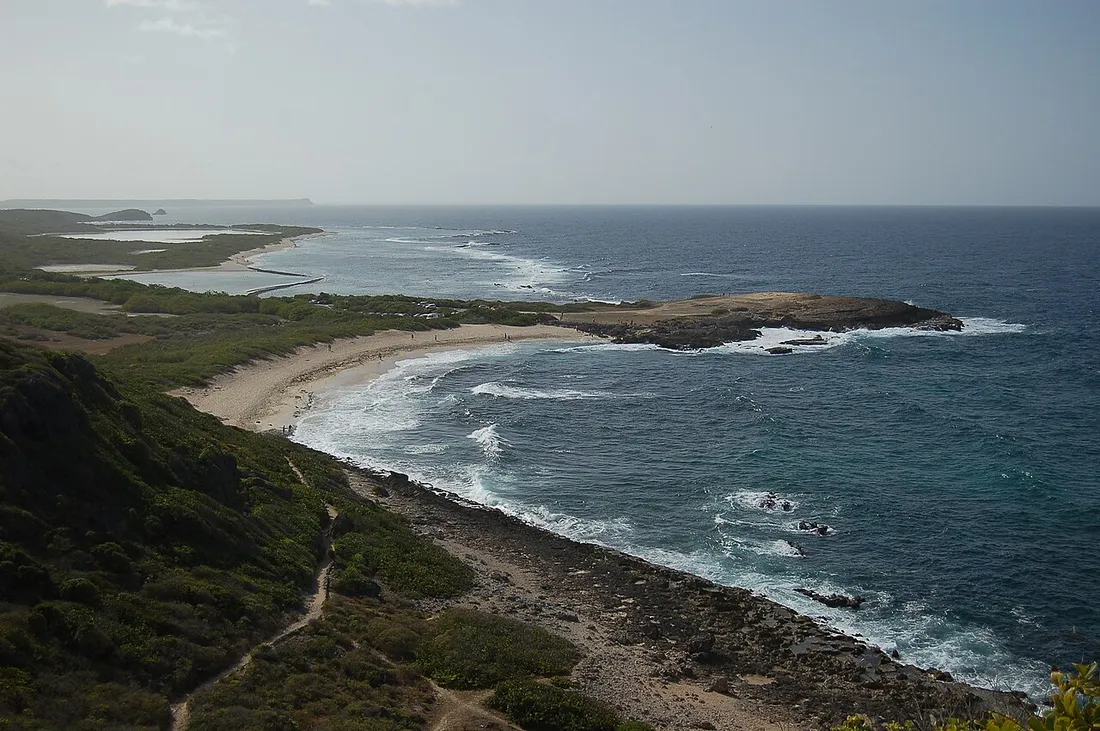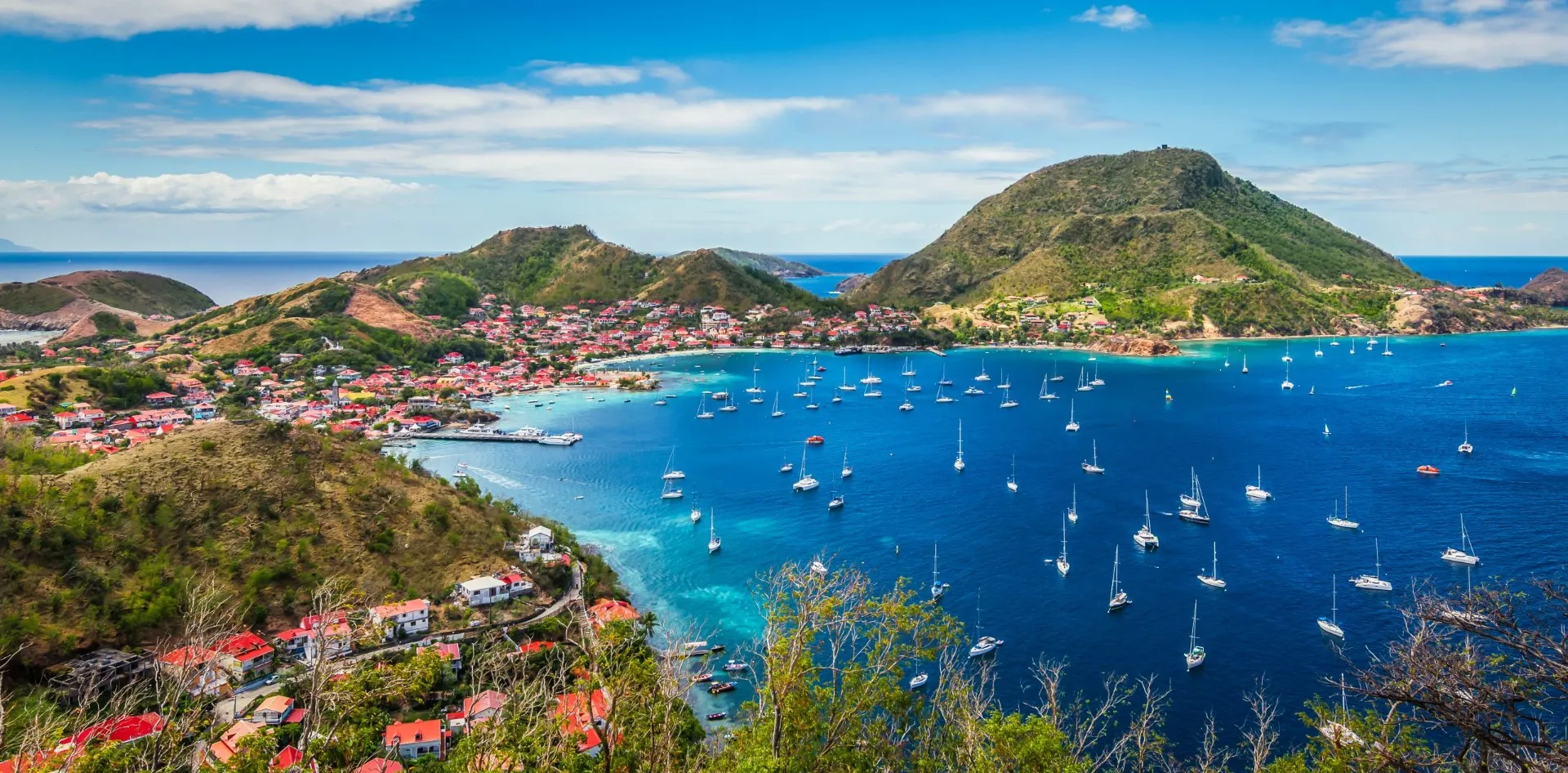
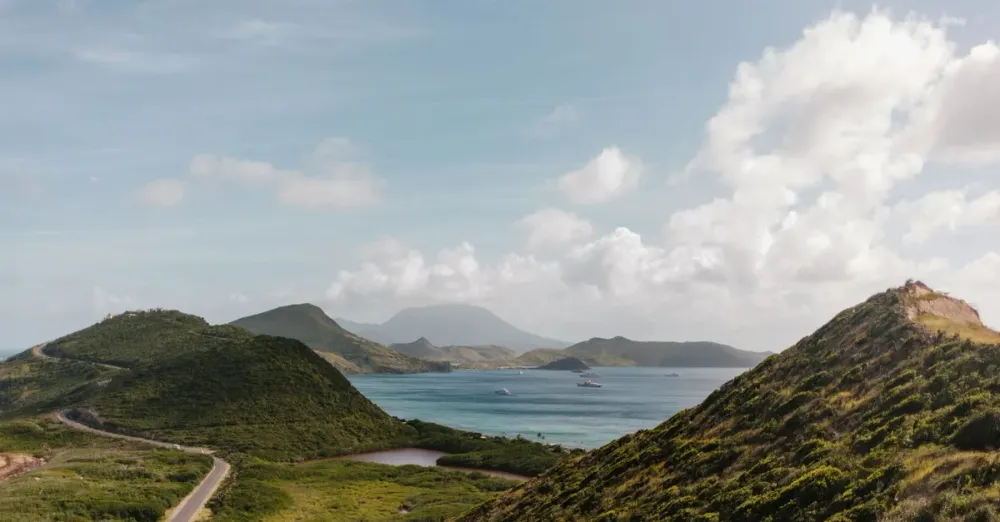
Packing for Guadeloupe is simpler than you might think — as long as you avoid three classic mistakes I see every week with travelers arriving at Pôle Caraïbes airport: too many clothes, no reef shoes, and a sunscreen that damages the coral. After several years spent between Grande-Terre and Basse-Terre welcoming holidaymakers, here’s the complete checklist of what to bring to Guadeloupe, suited to both the dry season and the rainy season.
Good news right off the bat: Guadeloupe is a French department. Euro, 220 V outlets identical to mainland France, a national ID card is enough, and your French health card works. So cross the electrical adapter and the passport off your list.
The golden rule: travel light in the tropics
It’s between 24 and 32 °C year-round, with sea water at 27-29 °C. In practice, you’ll wear the same light outfits on repeat, and everything dries within a few hours in the sun. For one week, a 10 kg carry-on is plenty for one person. The textile basics:
- 5 to 7 light tops: cotton or linen tee-shirts, tank tops. Avoid thick synthetics — you’ll sweat in them.
- 2 pairs of shorts + 1 pair of light trousers: the trousers come in handy for evenings (mosquitoes) and forest hikes.
- 2 swimsuits minimum: you’ll swim every day, and a dry swimsuit in the morning changes everything.
- 1 dress or smart shirt: for a dinner at the Saint-François marina or in Le Gosier.
- 1 compact waterproof windbreaker: essential even in the dry season. Tropical showers last 10 minutes but are intense, especially on Basse-Terre.
- 1 light sweater: for the plane’s air conditioning (an 8h30 flight from Paris) and the summit of La Soufrière, where it’s sometimes 15 °C with the wind at 1,467 m.
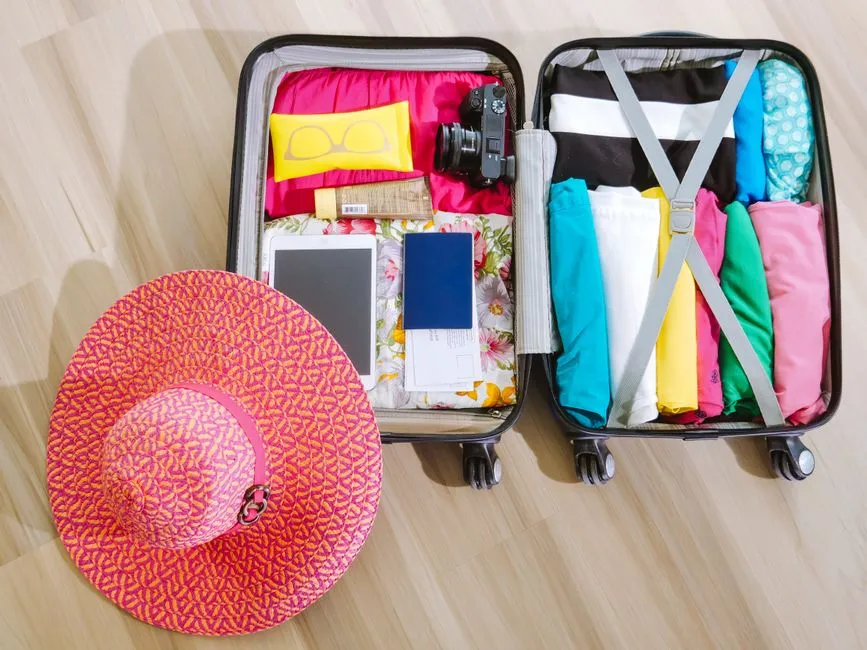
Guadeloupe packing: the 5 essentials people always forget
1. Reef shoes (the real must-have)
This is the single most useful item on the entire Guadeloupe luggage checklist. Many swimming and snorkeling spots — Malendure facing the Cousteau Reserve, the natural pools of Le Moule, certain coves at Pointe des Châteaux — have rocky bottoms, sea urchins, or coral debris. Budget 15 to 30 € a pair on the mainland; on the island it’s often 10 € more expensive and sizes sell out fast in high season.
2. Mineral sunscreen, for you and for the coral
The UV index climbs to 11+ between 11 a.m. and 3 p.m., the top of the scale. But be careful which product you choose: chemical filters like oxybenzone and octinoxate contribute to coral bleaching, and the Cousteau Reserve at the Pigeon islets is one of the most beautiful coral gardens in the Caribbean. Go for a mineral sunscreen (zinc oxide or titanium dioxide), SPF 50, “reef safe”: 18 to 25 € for a 100 ml tube, two tubes for a week for two people.
3. Insect repellent suited to the tropics
Insect repellent in Guadeloupe isn’t optional: the tiger mosquito is present all year and can transmit dengue. The “family” repellents from mainland supermarkets are often underdosed. Choose a product based on DEET 30-50% or icaridin 25% (8 to 12 € for a 100 ml spray, available at the pharmacy). Round it out with:
- long, light-colored clothing for evenings outdoors;
- an electric diffuser or coils for the terrace (3 to 5 € locally);
- a travel mosquito net if you sleep with the windows open — most of the properties we manage are already equipped with one.
4. Your own snorkeling gear
Mask and snorkel can be rented at Malendure or Sainte-Anne (5 to 10 €/day), but over a week, bringing your own quickly pays off (a decent kit starts at 25 €). A long-sleeved UV-protection rash guard (15-20 €) is a great alternative to sunscreen for long sessions — it’s what the locals wear.
5. The pocket tropical pharmacy
Pharmacies are plentiful (Sainte-Anne, Le Gosier, Pointe-à-Pitre), but some products cost 20 to 30% more than on the mainland. Slip into your kit:
- soothing after-bite gel and an antihistamine;
- disinfectant and bandages (coral and rocks scrape);
- anti-diarrheal medication, Biafine for sunburn;
- your usual medications for the duration of the stay.
Dry season or rainy season: what changes in your bag
From December to April: the dry season (carême)
This is the best time to visit the archipelago: steady trade winds, 25-29 °C, rare rain on the Grande-Terre side. The standard suitcase is enough. Add a wide-brimmed hat and category 3 sunglasses: the dry-season sun is unforgiving, especially on the white beaches of La Caravelle in Sainte-Anne or Grande Anse in Deshaies, where the glare is at its maximum.
From June to November: the rainy season (hivernage)
Hotter (30-32 °C), more humid, with frequent squalls. Adapt:
- double up on anti-mosquito supplies: this is the season when they proliferate;
- a 10-20 L waterproof bag (10-15 €) to protect your phone and documents on boat trips to Petite-Terre or Les Saintes;
- quick-drying hiking shoes rather than high leather boots: the trails to the Carbet Falls are muddy;
- more clothing for rotation: with the humidity, laundry dries more slowly, especially in Bouillante or Deshaies.
For Basse-Terre hikers
If La Soufrière or the National Park is on the agenda: trail shoes with good grip, a genuinely waterproof windbreaker, and 2 liters of water per person. At the summit, fog and drizzle are the norm even when Sainte-Anne is in full sun.