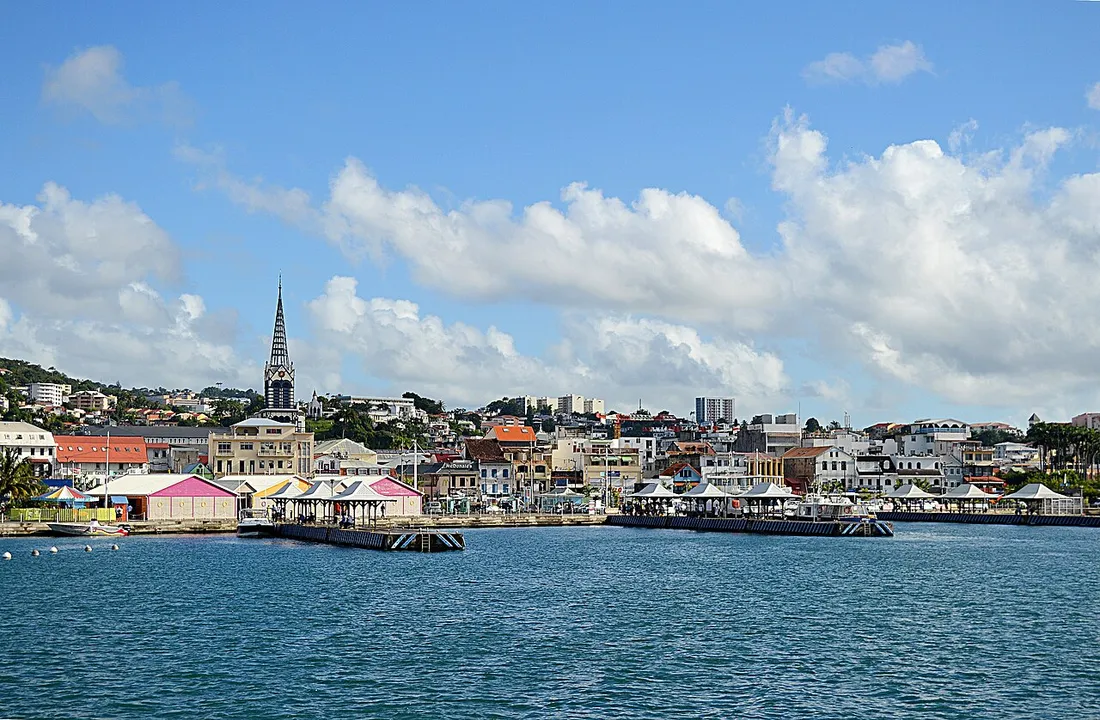
The capital of Martinique, Fort-de-France packs the very best of the Creole soul into just a few streets: a surprising architectural heritage, a market filled with the scents of spices and rum, a bay ranked among the most beautiful in the world, and lush green heights just steps from the centre. Whether you spend a few hours here between excursions or a full day, “Foyal” — its affectionate nickname — deserves to be lingered over. Here is our complete guide to knowing exactly what to do in Fort-de-France, with ideas organised by duration and real on-the-ground tips so you can enjoy it stress-free.
Why visit Fort-de-France?
Many travellers reduce Fort-de-France to a quick stopover on the way to the beaches in the south. That’s a shame, because the city tells the whole story of Martinique: the colonial era, the abolition of slavery championed by Victor Schœlcher, the rise of the sugar and rum trade, and Creole life as it is today. In a single morning, you can walk from one monument to the next, since the historic centre is compact and easy to explore on foot.
A little tip to get off to a good start: visit in the morning if possible, when the market is in full swing and the heat is still bearable. The centre is best explored on a Tuesday, Thursday or Friday, the days when commercial activity is liveliest. On Sundays, by contrast, the city is much quieter and many shops are closed.
The Schœlcher Library, a gem of metal architecture
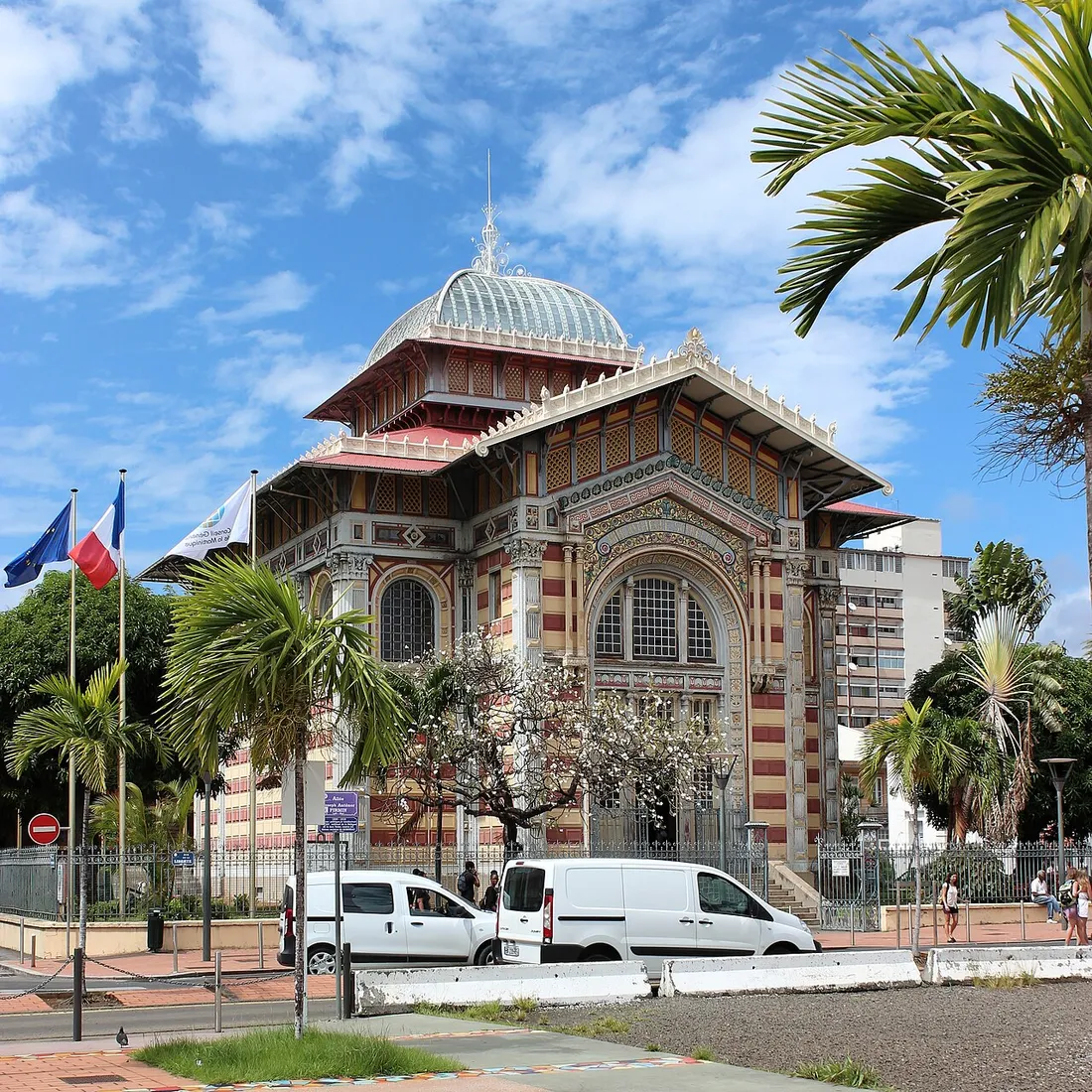
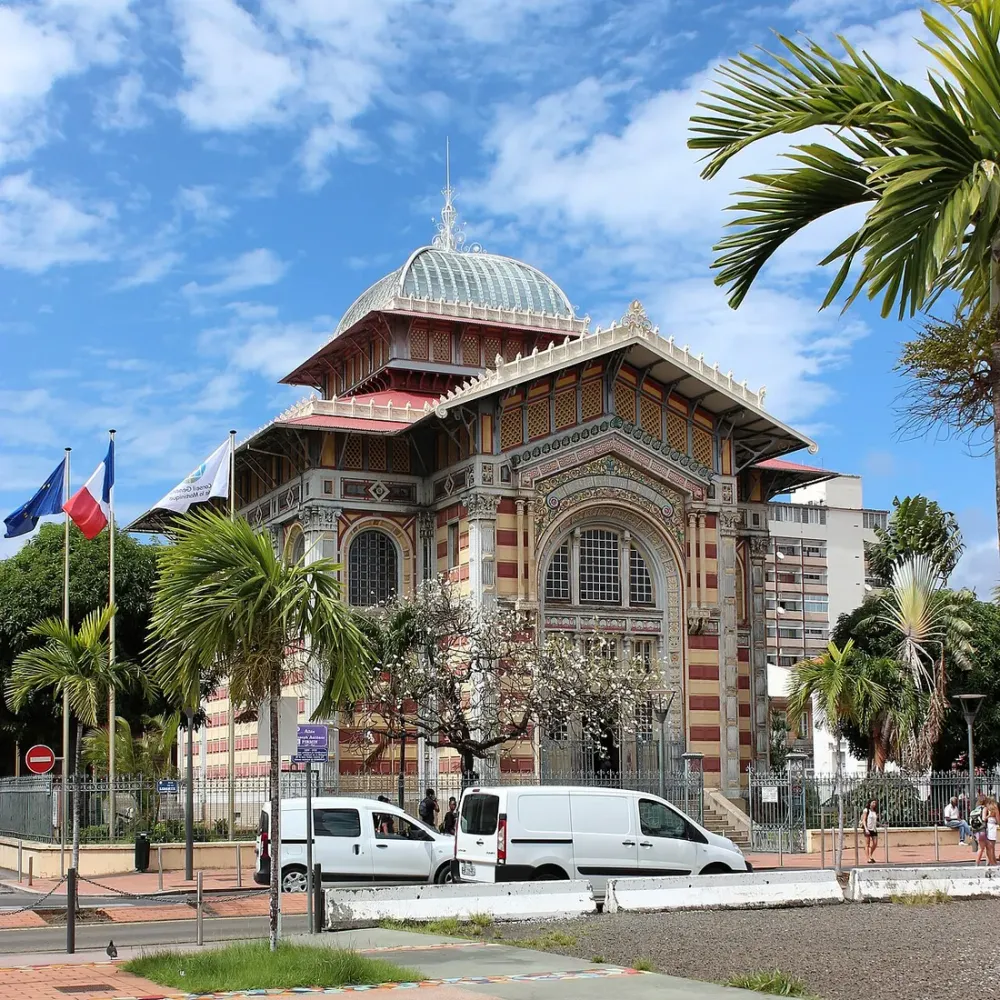
This polychrome building, with the look of a world’s fair pavilion, is impossible to miss. Designed at the end of the 19th century in the spirit of the great metal structures of the era (think Eiffel), the Schœlcher Library was first assembled in Paris before being dismantled, shipped, and rebuilt in Fort-de-France. Its colourful dome, mosaics, and iron framework make it one of the most photographed buildings in the city.
It houses part of the collection bequeathed by Victor Schœlcher, a leading figure in the abolition of slavery. Admission is generally free to admire the interior; take the time to study the glass roof and the details of the structure. It’s an excellent starting point for your stroll through the centre.
Saint-Louis Cathedral and the heritage of the centre
A few streets away, Saint-Louis Cathedral continues this fascination with metal. Its slender spire dominates the city centre, and its iron frame, designed to withstand cyclones and earthquakes, reflects the architectural ingenuity of the island. The bright interior is worth a look for its stained-glass windows and its organ.
As you wander through the neighbourhood, look up: you’ll come across beautiful façades with ornate balconies, remnants of Creole colonial architecture. The centre lends itself perfectly to free-form wandering, with no fixed itinerary. To give your visit some structure, you can link the Schœlcher Library, the cathedral, and the market into a loop of less than two kilometres.
The grand covered market: Creole flavours and crafts
The grand covered market is the beating heart of Fort-de-France. Beneath its hall, the stalls overflow with spices (colombo, West Indian bay, vanilla, chilli), tropical fruits, jams, cane syrups, and of course flavoured rums (rhums arrangés) in countless aromas. It’s the ideal place to bring home authentic, mouth-watering souvenirs.
A few practical tips:
- Taste before you buy the flavoured rums and spices: the vendors are happy to offer small samples.
- Compare from one stall to the next, as prices can vary noticeably.
- Haggling is still possible, especially on crafts and spice packets, as long as you stay polite and smiling.
- Bring a little cash, which is handier than card for small purchases.
If Creole cuisine intrigues you, the market is the perfect appetiser before exploring the island’s restaurants. To go further on the food front, take a look at our pick of the best restaurants in Martinique.
La Savane and Fort Saint-Louis, facing the bay
In the heart of the city, La Savane is a large tree-lined park opening onto the sea. People come here to catch their breath in the shade of the palm trees, watch the comings and goings of the Foyalais, and enjoy the cool air off the bay. It’s also the ideal departure point to reach the maritime shuttle pier.
Right next door stands Fort Saint-Louis, a still-active military fortress that has overlooked the bay since the 17th century. Guided tours let you discover its bastions, its cannons, and above all superb panoramas over the harbour and the city. Allow about an hour for the visit; check the opening times on site, as they can vary depending on military constraints and the season. Remember to bring a hat, water, and closed shoes, as the ramparts are exposed to the sun.