The Guiana Space Centre (CSG) in Kourou is more than just a French Guiana curiosity: it is Europe’s spaceport, the site from which Ariane and Vega rockets have been launching for more than forty years. If you are planning a trip to French Guiana, stepping through the gates of this strategic site, or even looking up at the exact moment a rocket tears off the ground, ranks among the most memorable experiences you can have in the region. The good news: the visit is accessible, free, and easier to organise than you might think, as long as you know a few rules. Here is your complete guide to visiting the CSG, understanding how to attend a launch, and combining this stop with the rest of your stay.
Why the Guiana Space Centre is unique in the world
French Guiana was not chosen by chance to host Europe’s space activities. Its proximity to the equator offers a valuable physical advantage: the Earth’s rotation is faster there, which gives rockets a natural boost and helps save fuel. Add to that a wide coastline facing east towards the Atlantic (ideal for safe trajectories over the ocean) and a sparsely populated area sheltered from cyclones.
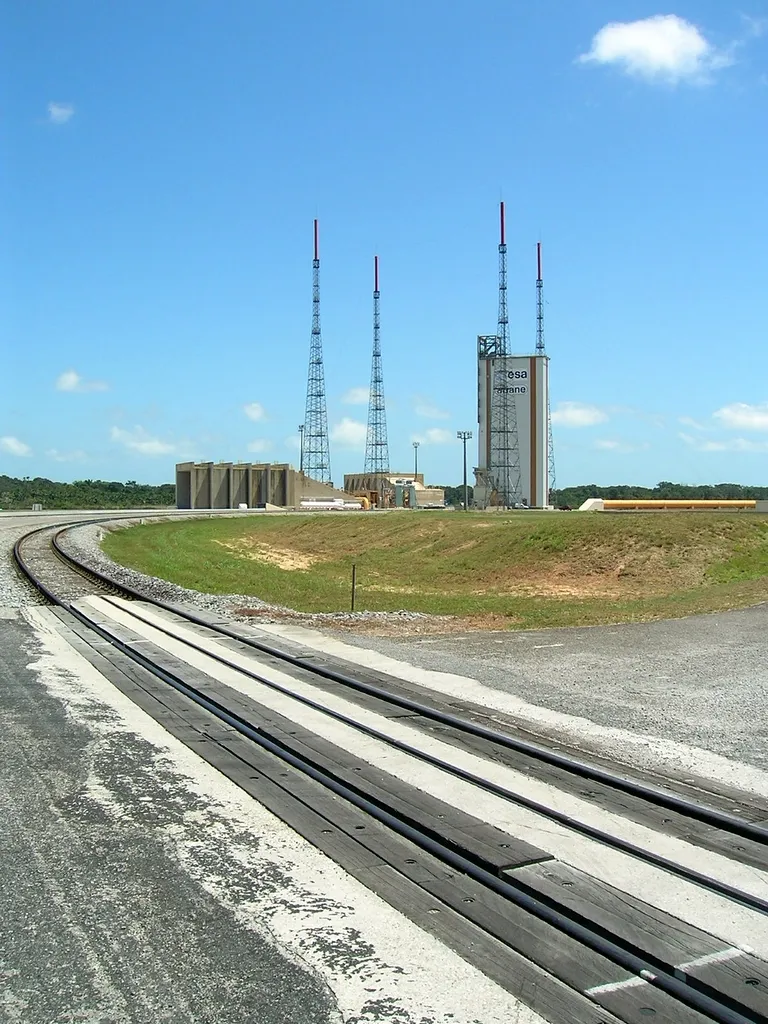
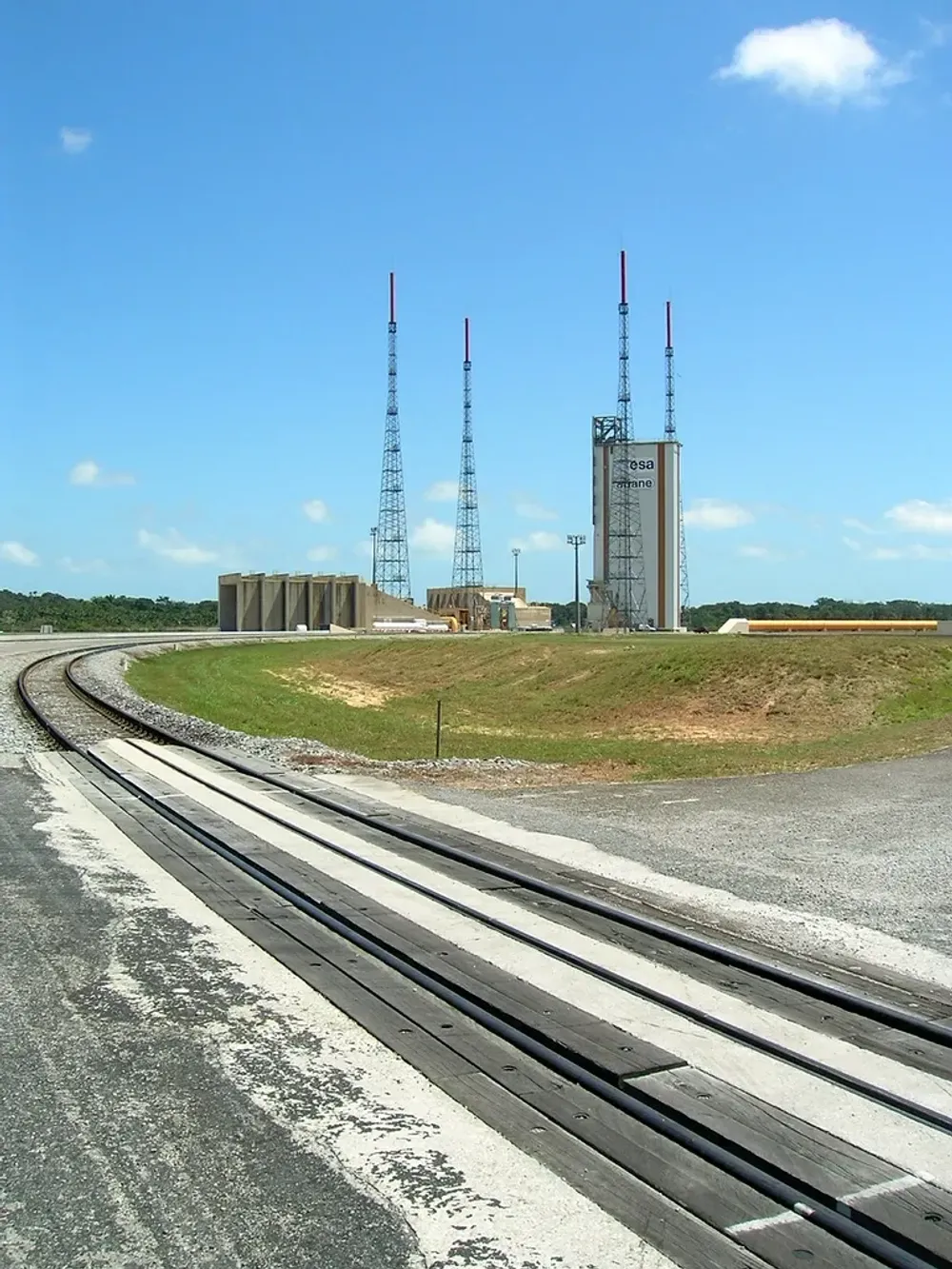
The CSG spreads across a vast territory between Kourou and Sinnamary. It houses the launch pads, the assembly buildings, the control centre, and a museum dedicated to the space adventure. Visiting this place means getting a hands-on feel for cutting-edge technology while discovering a little-known chapter of French and European industrial history.
How to visit the Guiana Space Centre
The CSG offers free guided tours, available with prior booking. This is the heart of the experience for most travellers, as it gives access to areas normally closed to the public.
A few key points to keep in mind:
- Booking is mandatory and must be arranged in advance through the CSG visitor service. Spots are limited and fill up quickly during the high tourist season.
- A valid ID is required on the day, for you and for every member of your group. No document, no entry: checks are strict, since this is a sensitive site.
- The tour lasts about half a day (allow around 3 hours). It usually takes place by bus, accompanied by a guide.
- It is held several days a week, outside of launch or maintenance periods when access may be suspended.
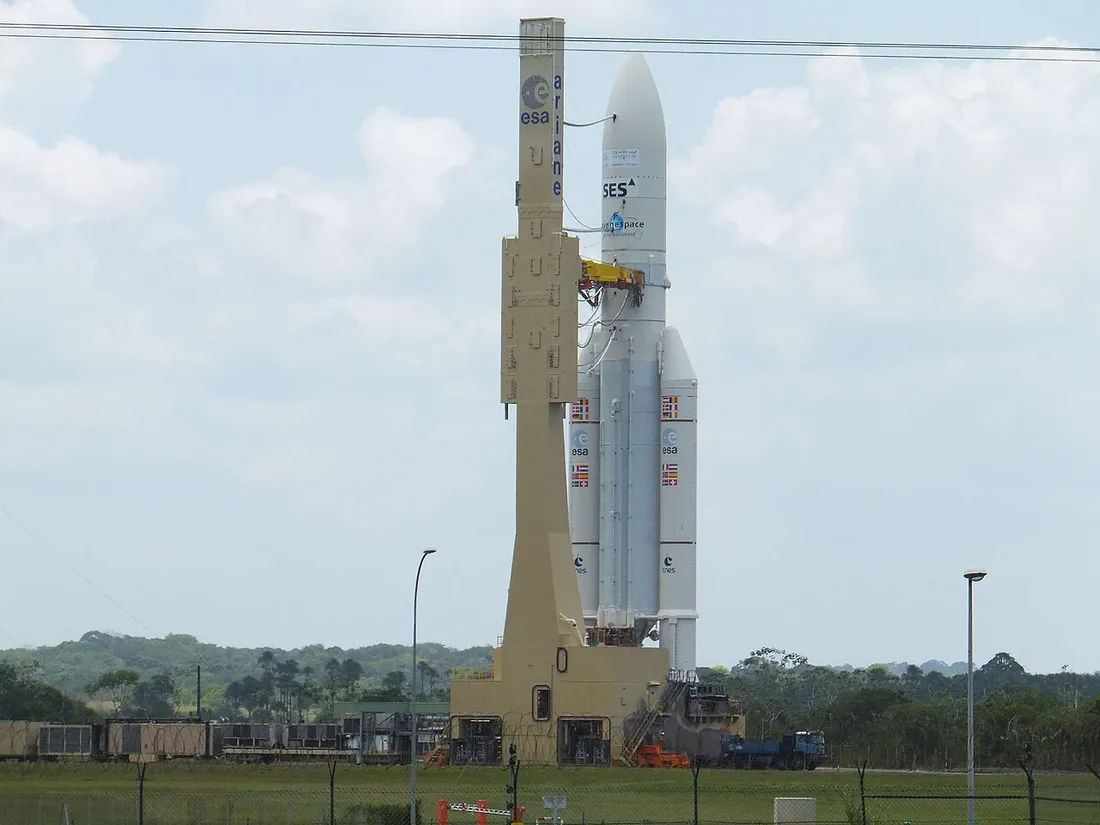
The usual programme includes discovering the Ariane and Vega launch sites, passing by the technical installations, and often a stop at the Space Museum. The exact content may vary depending on what is happening at the centre.
Practical tip: book your slot as soon as your travel dates are set, ideally several weeks in advance. Always check the current conditions and timetables directly with the CSG, as they change according to the operations schedule.
Minimum age and accessibility
Access to the guided tour is subject to a minimum age (often around 8 years, to be confirmed with the centre when booking). Very young children are generally not admitted on the bus tour for safety and logistical reasons. If you are travelling as a family with young children, the Space Museum remains an excellent alternative, more fun and with no age restriction.
The Space Museum: not to be missed
Alongside the guided tour, the Space Museum is well worth the trip on its own. There you can explore the history of space exploration, how launchers work, life-size models, authentic objects, and interactive spaces that appeal to enthusiasts and children alike.
It is the ideal option if:
- you are travelling with young children who are not admitted on the guided tour;
- you were unable to book a slot for the launch site;
- you want to dig deeper before or after your visit.
Allow 1 to 2 hours to enjoy it at your own pace. Check the opening days and times, which may differ from those of the guided tours.
Can you watch a rocket launch?
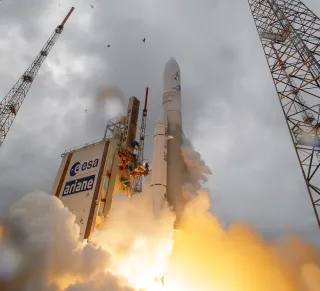
Yes, and it is undoubtedly the most powerful memory you will bring back from Kourou. Watching an Ariane or Vega rocket lift off, feeling the rumble rise in your chest a few seconds after the burst of light, is an emotion that is hard to put into words.
There are several ways to watch a launch:
- From the CSG’s official observation sites, closer and more supervised, with prior registration. These spots are in very high demand and subject to conditions (a minimum age is often required, and ID is checked).
- From public viewpoints around Kourou (seafronts, beaches, high points), freely accessible but further away.
- From a distance, from Cayenne or the coastal road, where you can catch the rocket’s ascent on a clear day.
How to maximise your chances
- Keep an eye on the launch schedule, published in advance by the space operators. Never plan your entire trip around a single date.
- Register early for the official sites as soon as registration opens, as demand often exceeds supply.
- Build in flexibility: a launch can be postponed by a few hours, a few days, or even longer, for weather or technical reasons. This is common and perfectly normal.
- Keep a night or two of margin in your itinerary around the announced date, to absorb any shift.
Important: we deliberately give no specific dates, times, or prices here, as this information changes constantly. Always refer to the official CSG channels for up-to-date details.