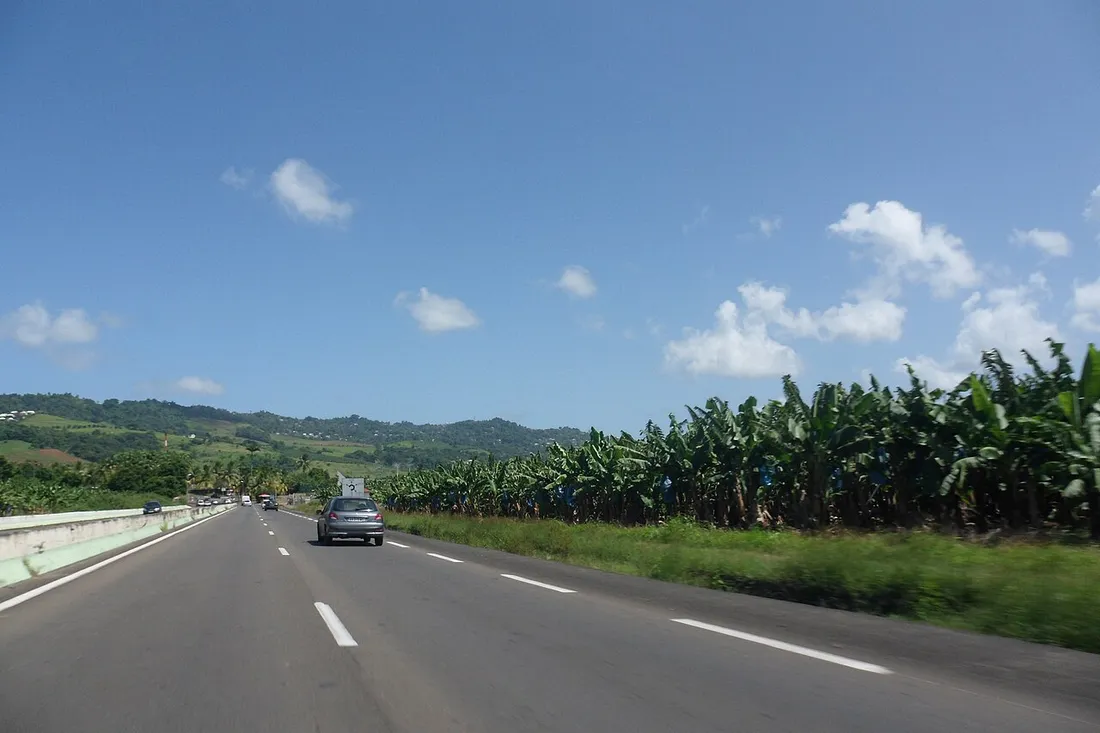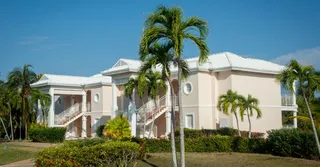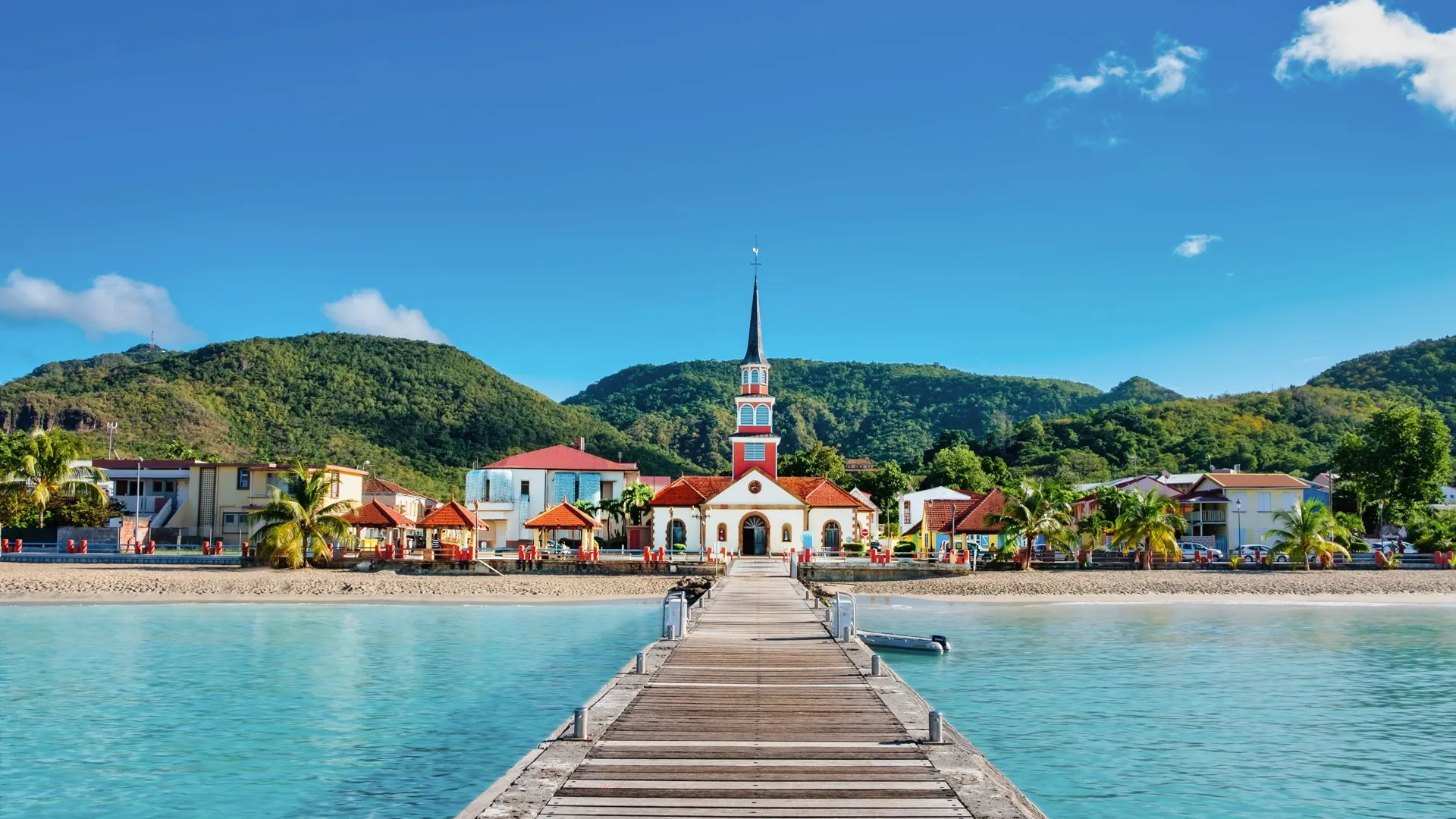
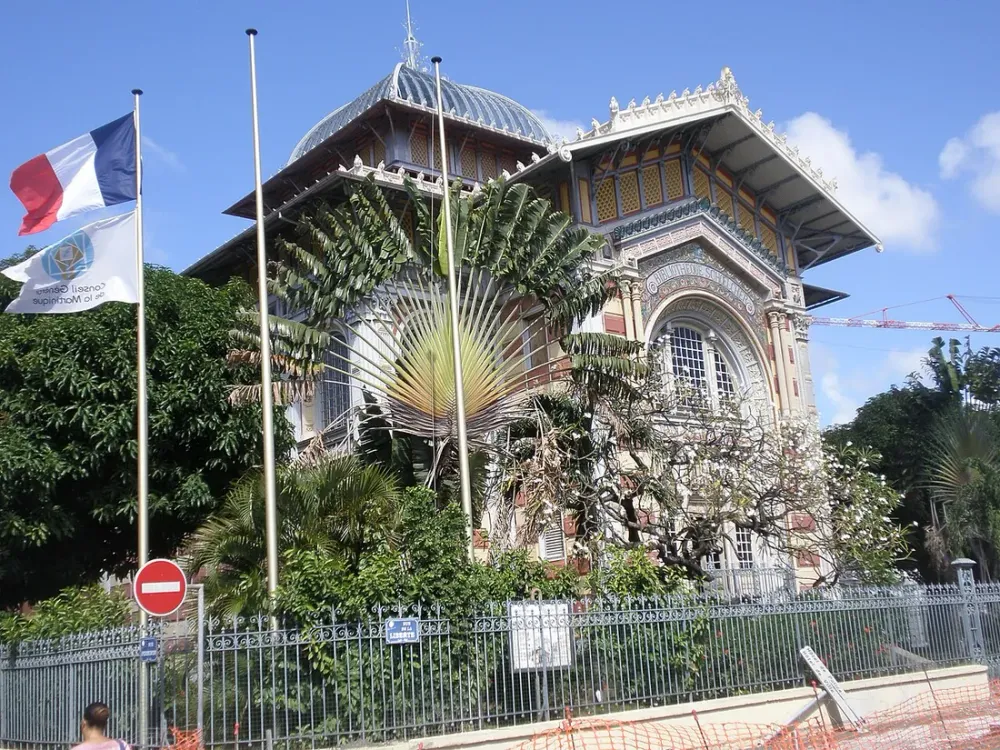
When an investor talks to me about Martinique, they talk about Les Salines, Le Diamant, Sainte-Anne. Never Le Lamentin, rarely Schoelcher. Yet as a rental manager based on the island, I see what those beachfront villa listings hide: the seaside south rents for three months and hunts for travelers the other nine, while the Fort-de-France metro area runs all year long. Investing in Schoelcher or Le Lamentin doesn’t mean giving up the Caribbean dream: it means targeting a quieter but more steady market, that of medium-term rentals and business clientele, where Martinicans actually live and work.
Investing in the Fort-de-France metro area: a market tourists overlook
Martinique is a French overseas department of roughly 360,000 inhabitants, whose administrative center is Fort-de-France. Around the capital orbits a metropolitan area that concentrates employment, government, the university campus, and the island’s only airport. Schoelcher and Le Lamentin are its two lungs: one residential and student-driven, the other economic and logistical.
This zone changes the very nature of the investment. In the south, you live by seasonality: the dry season, the Carême, from December to April, fills up strongly (carnival in February-March), then the cyclone-prone summer hollows out occupancy. In the metro area, demand depends not on tourist weather but on the cycles of local life: university terms, professional relocations, business travel, temporary rehousing. It’s a countercyclical market: an excellent diversification tool for an owner already invested on the coast, or a safer entry point for a first-time investor. Three targets stand out here — the student and young professional (Schoelcher), the business traveler and transit passenger (Le Lamentin), the resident on the move — and none of them cares about the color of the sand: they all care about location, comfort, and the reliability of the welcome.
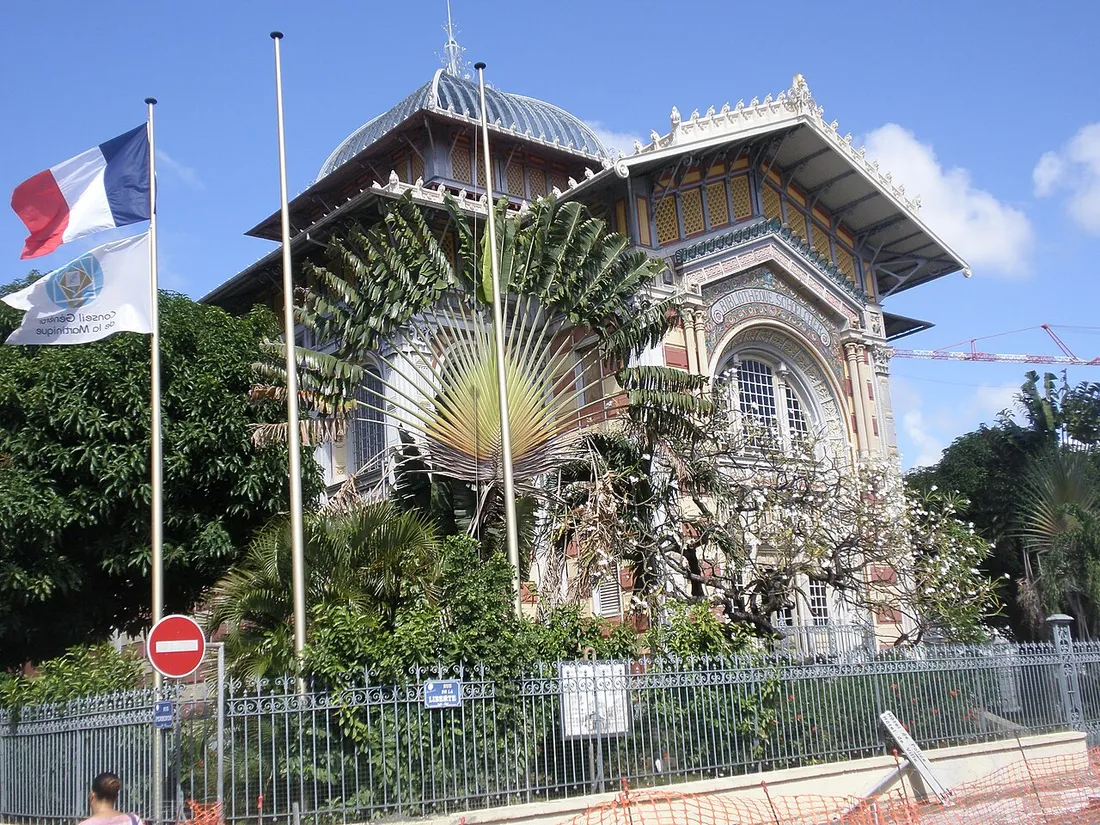
Schoelcher: campus, residential life, and medium-term rentals
Schoelcher borders Fort-de-France to the northwest, along the bay. A sought-after residential town, it hosts the University of the Antilles campus, whose student presence shapes part of the year-round rental demand.
The campus and medium-term lever
Medium-term rentals (one to ten months) are the core target here. Master’s students, doctoral candidates, visiting lecturers, hospital interns, young professionals in their first posting: all seek a furnished, turnkey home, without the three-year lease of unfurnished rentals. The mobility lease (bail mobilité) secures these durations with controlled turnover. Realistic ballpark figures for furnished rentals in the town:
- Studio: €550 to €750/month all charges included.
- One-bedroom (T2): €750 to €1,000/month.
- Family two-bedroom (T3): €1,000 to €1,400/month.
The yield doesn’t have the peak of a successful seasonal rental in high season, but it is steady, barely sensitive to sargassum, cyclones, or tourist trends, with turnover costs far lighter than short-term rentals.
Mixing medium- and short-term
Schoelcher doesn’t rule out short-term rentals in the Fort-de-France metro area: bay views, urban beaches (Anse Madame, Anse Collat), and downtown Fort-de-France ten minutes away. During carnival, the Tour des Yoles (late July), or major events, overnight demand climbs and so do the rates. The strategy I recommend: medium-term from October to June (the university year), switching to short-term during the peaks and summer, when students vacate. Still, you need responsive local management to orchestrate these shifts without leaving the property empty.
Le Lamentin: airport, business parks, and corporate clientele
Le Lamentin is Martinique’s economic heart: the Aimé Césaire airport, vast business and commercial parks, corporate headquarters, and a major share of the island’s employment. For an investor, the driver is no longer leisure tourism but business travel.
The business target and “near the airport”
A furnished Airbnb near the airport in Martinique answers a concrete, creditworthy demand:
- consultants, technicians, and executives on assignments of a few days to a few weeks;
- transit passengers or those on extended layovers, as long-haul flights require;
- resident families awaiting housing, in mid-move, or during renovations.
This clientele values criteria very different from the vacationer’s: high-performance Wi-Fi, a workspace, parking, a washing machine, proximity to main roads and the airport, late self-check-in. They often book midweek, just when the seaside empties out: the calendar fills in rather than competes with a leisure rental.
More accessible entry prices
Another rarely highlighted advantage: an entry ticket often lower than the touristy southern coast. For the same surface area, a T2 in the metro area frequently trades below the levels of Sainte-Anne or Les Trois-Îlets, where the “sea view” premium inflates prices: you find them more easily at €130,000 – €200,000. A better rent-to-purchase-price ratio, and therefore a better starting point.