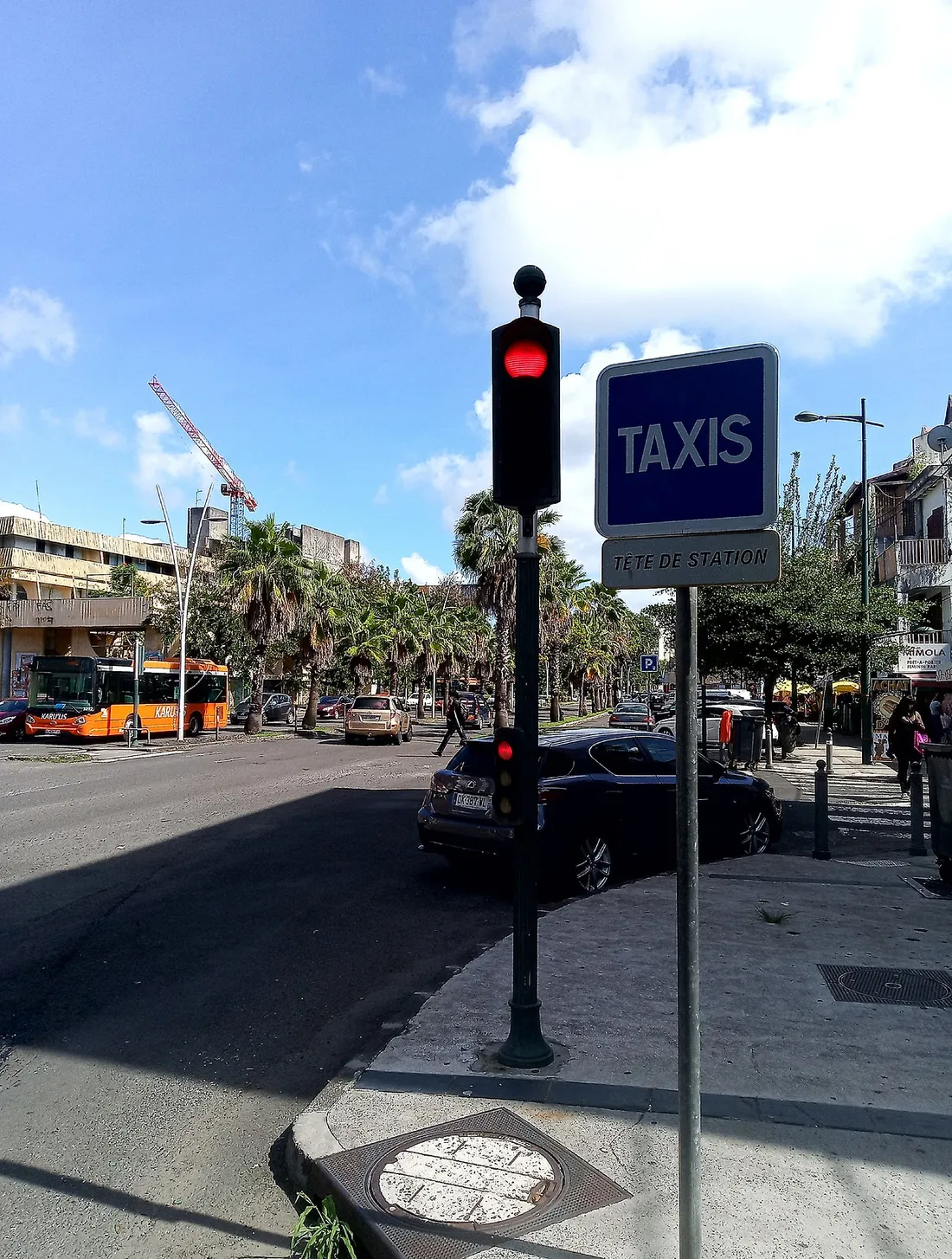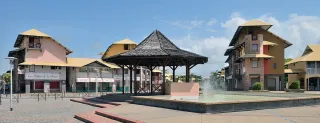

Seasonal rentals in Guadeloupe are too often reduced to the waterfront villas of Sainte-Anne or Deshaies. Yet the economic heart of the butterfly-shaped archipelago beats elsewhere: in Pointe-à-Pitre, where the port, the university hospital (CHU), the university, and the nearby Jarry business district set the pace. Here, guests do not come for the coconut palms but to work, get medical care, study, or support a hospitalized relative. Entrusting this kind of property to a Pointe-à-Pitre property management service follows a very different logic from the coastline: less tourist seasonality, more recurring demand, but regulatory and condominium constraints specific to the urban environment. Here is the essential, after several seasons managing apartments in urban areas of Grande-Terre.
Why the urban rental market of Pointe-a-Pitre stands apart
Guadeloupe has around 380,000 inhabitants, a large share of them in the Cap Excellence conurbation (Pointe-à-Pitre, Les Abymes, Baie-Mahault). This is the true economic center of gravity of the overseas department, not to be confused with the administrative prefecture, Basse-Terre, 1 hour 15 minutes by road to the south.
Three engines fuel a short- and medium-stay rental demand that the beaches do not generate:
- The health hub: the CHU de la Guadeloupe (in Les Abymes, on the edge of Pointe-à-Pitre) is the largest hospital in the Antilles-Guyane region. It draws healthcare staff on assignment, medical interns, accompanying families, and patients in long-term care.
- The economic fabric: the industrial and commercial zone of Jarry, in Baie-Mahault, is one of the largest in the Antilles. Consultants, technicians, and site managers come and go on assignments lasting from a few nights to several weeks.
- University and culture: the Fouillole campus (Université des Antilles) and the Mémorial ACTe attract students, visiting speakers, and a passing urban tourism, often in transit before a flight from Pôle Caraïbes airport, 10 minutes away.
The result: a Pointe-à-Pitre short-term rental market that is more steady throughout the year, less dependent on the dry season (December–April) than the seaside, and driven by professional guests largely indifferent to sargassum or the weather.
A clientele that changes everything in management
The business Airbnb in Guadeloupe does not have the same expectations as a couple on their honeymoon. On our urban properties, travelers look for:
- A flexible arrival, often late, after an 8-hour flight from Paris (time difference −5h in winter, −6h in summer, dialing code +590).
- A work corner and a reliable connection, sometimes a second bedroom to work in.
- Proximity to the CHU, the port, or Jarry, and clear parking — a sensitive point in a dense city center.
- Longer stays (1 to 4 weeks), a fully equipped kitchen, and fresh linens.
This recurrence is an asset: a well-located property runs at 65–75% annual occupancy, more stable than a beach villa.
Condominium and change-of-use constraints
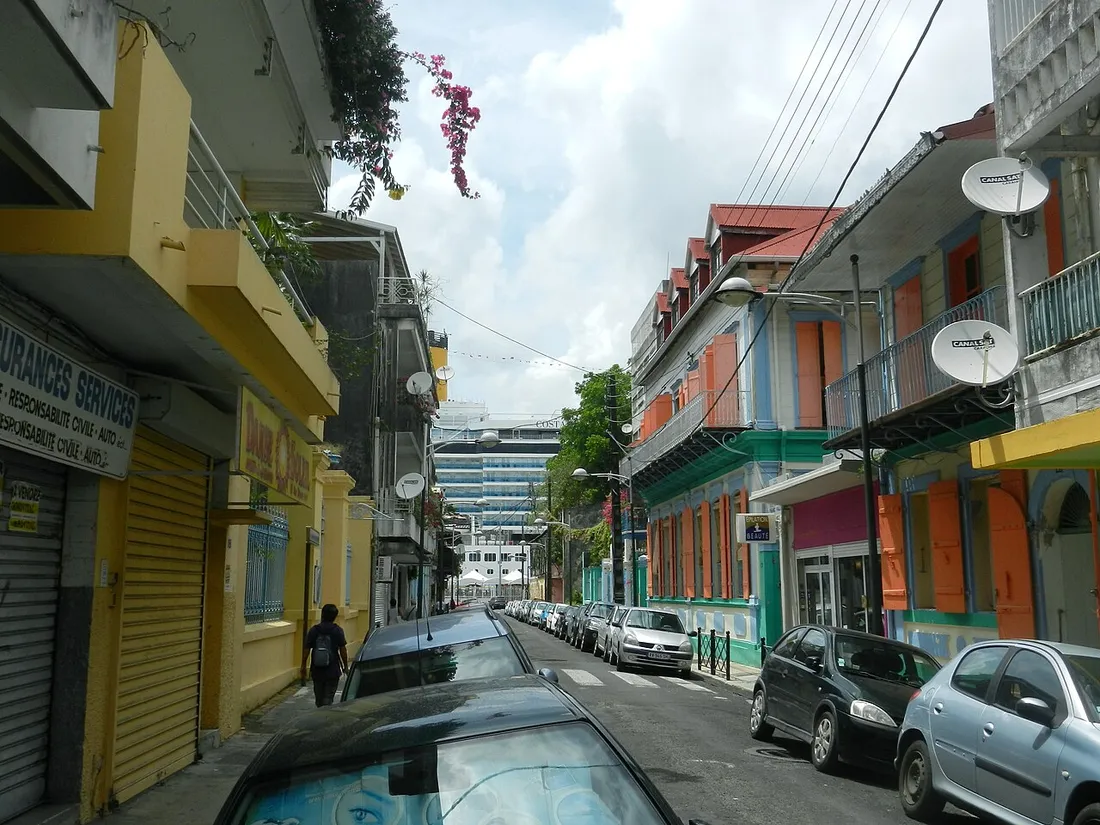
This is the point that competitors avoid and that truly sets urban-area rentals apart: in Pointe-à-Pitre, you rarely rent a standalone house, but most often an apartment in a condominium. Two levels of rules apply.
The condominium bylaws
Before any short-term rental, reread your bylaws. Many buildings include a “bourgeois residence” clause or provisions framing commercial activity and comings and goings: a furnished tourist rental may be restricted there, or even prohibited. Also check:
- The use of common areas (elevator, lobby, trash room) and the allocation of charges.
- The nuisance rules: a poorly managed furnished rental means the risk of complaints from the building manager and tensions with neighbors.
- Any potential approval from the general assembly depending on the bylaws.
Our reflex in property management: secure compliance upfront rather than discovering the problem after a complaint.
Change of use and the registration number
The urban tourist furnished rental in an overseas department like Guadeloupe follows the same principles as in mainland France, with procedures set municipality by municipality:
- Declaration at the town hall and a registration number to display on listings (Airbnb, Booking, direct site), via online service or Cerfa form depending on the municipality.
- Change-of-use authorization: converting a dwelling into a furnished tourist rental may require it in dense zones. The rules evolve and differ from Le Gosier or Sainte-Anne; a precise review is essential before purchasing.
- Collection of the tourist tax remitted to the local authority.
Our complete Guadeloupe guide places Pointe-à-Pitre within the logic of the archipelago. In urban settings, legality is not a detail: it is the condition for publishing and lasting.
Maintaining an urban property in a tropical climate
No direct sea salt as on the seafront, but the city center accumulates other constraints:
- Humidity: between July and November (the rainy season), humidity often exceeds 80%. A studio closed up for two weeks takes on a musty smell; ventilation, mechanical ventilation, and a dehumidifier are a must in vacant properties.
- Air conditioning: non-negotiable for a business clientele (€900 to €1,500 for an installed split unit, plus annual servicing). On short, frequent stays, linens and bedding wear out fast: 3 sets per bed and rigorous tropical housekeeping.
- Cyclone season (June–November): even in the city, securing balcony furniture and a post-alert inspection within 24 hours are essential.