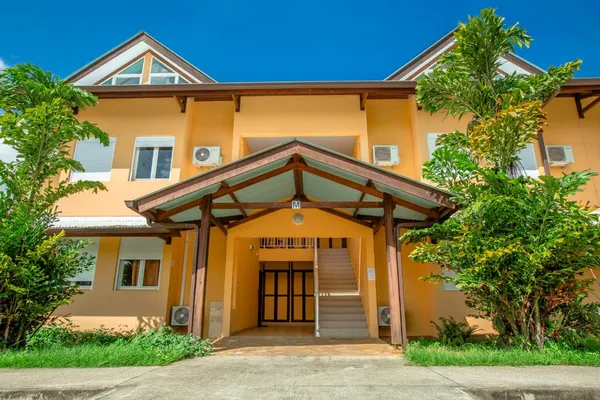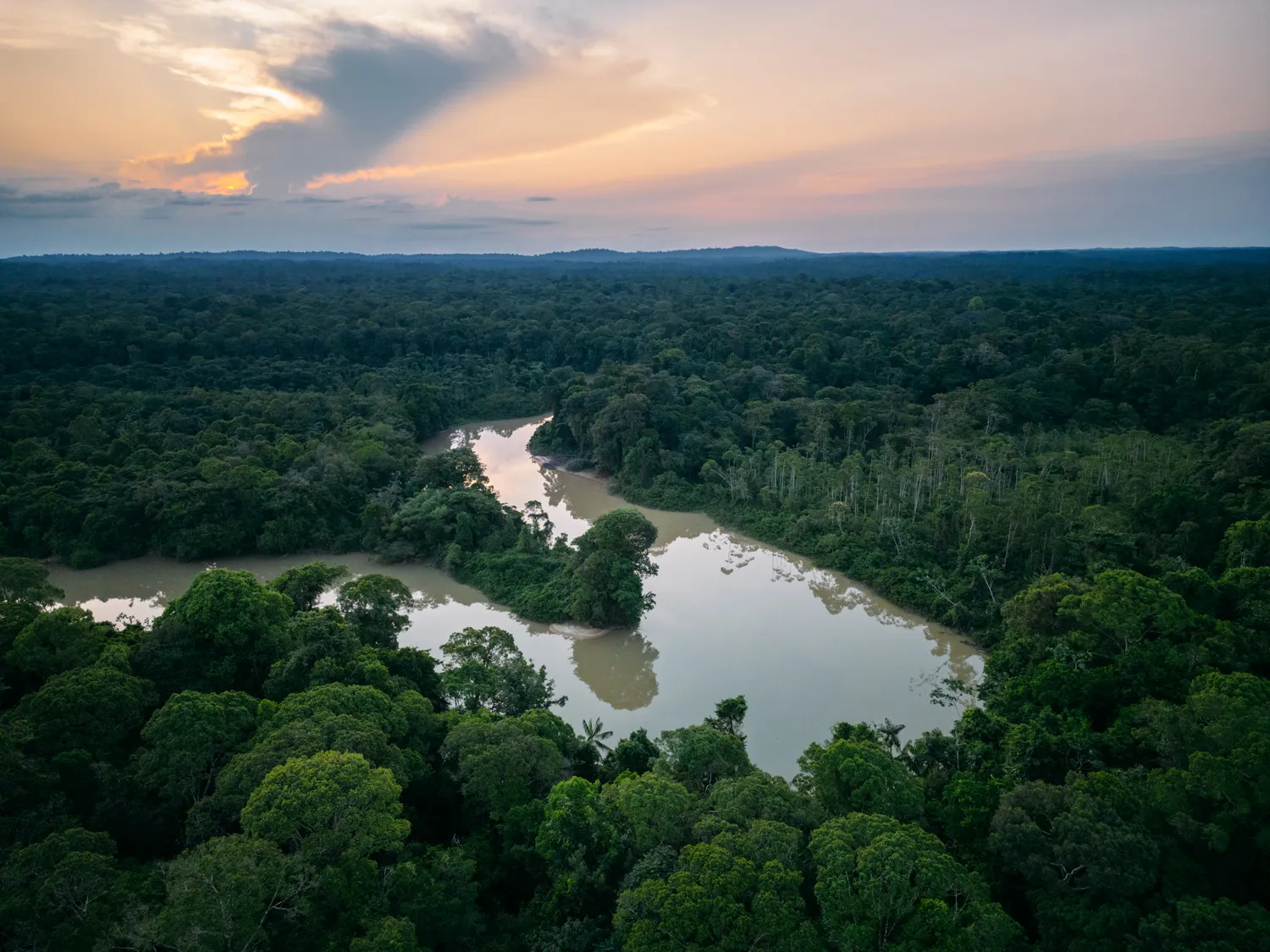

You have just learned that you are being posted to French Guiana and you would rather live off base, or perhaps you simply have no access to service housing? Whether you are a gendarme, a member of the armed forces in French Guiana (FAG), a legionnaire or support staff, settling into this overseas territory takes a little preparation. The Guianese rental market has its own rules, its own neighbourhoods, its own timeframes and its own climatic realities. This article takes a concrete look at how to find a roof in Cayenne, Kourou or Saint-Laurent-du-Maroni, what budget to plan for as a rough guide, what steps to take ahead of time from mainland France, and how to handle the tricky first few weeks before you have signed a lease.
Living off base: what it actually changes
Choosing civilian housing rather than barracks or service accommodation means more independence and more comfort for the family, but it also means taking on the search, the lease, the inventory of fixtures and the furnishing. Depending on your status, you may be entitled to certain allowances or benefits linked to overseas mobility: check in advance with your personnel office, with the social services of the armed forces or of the gendarmerie, because the conditions change over time and depend on your situation (single, in a couple, with children).
A few structural points to keep in mind:
- French Guiana is a French overseas department: you are in France, with the euro, the social security system, the labour code and mainland tenancy law (the 1989 act).
- Distances and the state of the road network matter: housing “close to work” can radically change your daily life.
- The equatorial climate (hot and humid all year round, with a marked rainy season) shapes your housing choice: ventilation, air conditioning, mosquito screens, orientation.
- The rental market is tight in sought-after areas: it is far better to plan ahead than to arrive and improvise.
Where to look, depending on your posting
Most of French Guiana’s population is concentrated along the coast. Your posting largely determines the area to target.
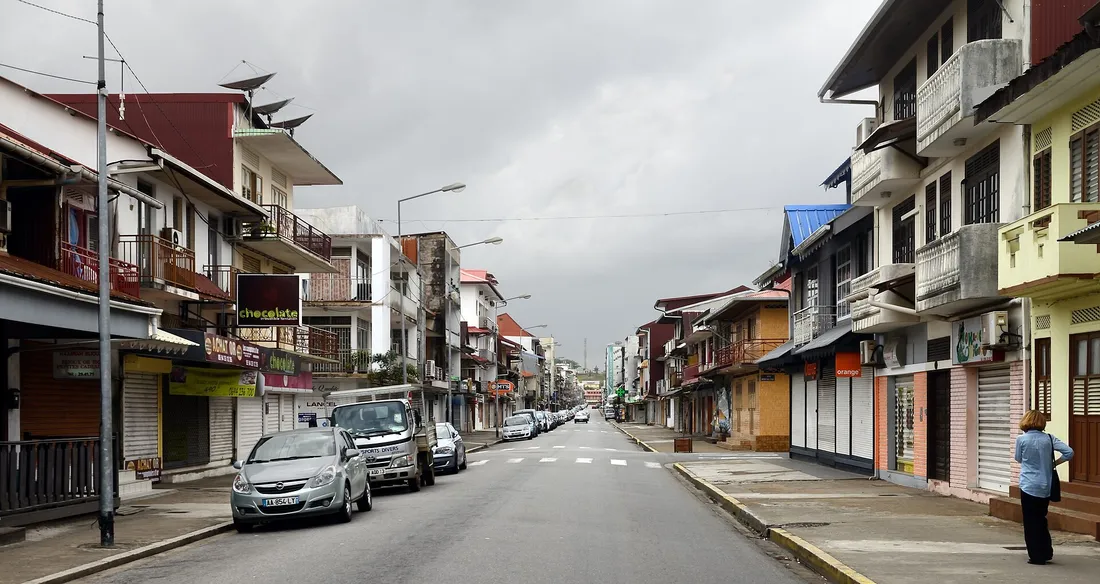
Cayenne and its urban area (Rémire-Montjoly, Matoury)
Cayenne is the capital and the main population centre. If you are posted to Cayenne or its surroundings, several areas come up regularly:
- Rémire-Montjoly: a residential municipality popular with families, with access to the beaches (Montjoly, Gosselin), houses with gardens and recent developments. Property here tends to be more expensive.
- Matoury: close to Félix-Éboué airport, growing fast, offering a good compromise between price and amenities.
- Montabo, Bourda, Baduel (Cayenne): residential neighbourhoods of Cayenne, convenient for those working in the centre.
- The centre of Cayenne offers older housing, sometimes with Creole charm, but also parking issues and wear and tear to watch out for.
Kourou
Home to the Guiana Space Centre, Kourou has a residential fabric built around space activity and a military presence (including the Foreign Legion’s 3rd REI). The market there is specific: a lot of housing tied to institutions, but also civilian supply. Target neighbourhoods based on proximity to your unit and to amenities.
Saint-Laurent-du-Maroni and the west
The territory’s second city, on the border with Suriname, Saint-Laurent is seeing strong population growth. Quality rental supply is more limited there than in Cayenne, and demand is sustained. If you are posted to the west, plan further ahead and broaden your criteria.
Housing budget: some indicative benchmarks
Rents in French Guiana vary considerably depending on the municipality, the condition of the property, and whether it has air conditioning, a garden or a secure garage. The figures below are given purely as a guide and change with the season, the supply and the location. Always check actual listings at the time of your search.
- Studio / one-room flat: the lower end of the market, often sought by those posted without their family.
- Two- or three-room flat: the heart of family demand; price gaps between Rémire-Montjoly and a more outlying municipality can be significant.
- House with garden: a higher budget, in high demand, to be secured early.
Beyond the rent, factor the following into your overall budget:
- The security deposit (generally one month’s rent excluding charges for an unfurnished rental, under the 1989 act).
- The charges (water, refuse collection) and above all electricity: air conditioning can weigh heavily on the bill, to be considered according to the season and your habits.
- Home insurance, which is compulsory.
- Furnishing if the property is rented unfurnished: budget for furniture and appliances suited to the climate.
Tip: always ask the landlord or the outgoing tenant for the actual amounts of the latest electricity bills. This is often the item that surprises newcomers.
Planning ahead from mainland France: the key steps
The classic difficulty with an overseas posting is having to look for housing remotely, without being able to visit. A few useful reflexes:
- Start early, as soon as your posting is confirmed, because the good properties go fast.
- Beware of fraudulent listings: never transfer a “reservation” payment before you have a signed and verified lease. A common scam is to ask for a deposit on a property that does not exist.
- Favour local estate agencies and reputable networks to secure the transaction remotely.
- Ask for video-call viewings and recent, dated videos.
- Use the word of mouth of your future unit: colleagues already on the ground know the neighbourhoods, the reliable landlords and the pitfalls.
Checklist before departure
- Confirm your exact posting and your precise place of work
- Check any entitlements (mobility allowances, benefits) with the personnel office / social services
- Put together your rental application file (ID, proof of income, posting order)
- Book temporary accommodation for your arrival (before you have a lease)
- Plan the container / overseas removal (long shipping times) or opt for furnished housing
- Take out home insurance ready to activate the moment you get the keys
- Plan to update your utility contracts (electricity, internet) and get a local bank account if needed