
Setting down your bags in Guadeloupe after a job transfer or a decision to change your life means swapping mainland grey skies for trade winds, volcanic hills and lagoons. But between the euphoria of arrival and the return of everyday routine, there is a phase that is often underestimated: actually settling in. Finding housing, activating your social security rights, getting medical care, registering your car, working out where to shop at the best price… so many steps that, on an archipelago, sometimes take on a particular flavour.
This guide is written for the newcomer arriving from mainland France — a transferred civil servant, an employee taking up a post, a family starting over or a retiree — who lands in Guadeloupe and is looking for reliable bearings for those first few weeks. Everything below is given as a general indication: administrative processing times, prices and availability vary with the season, your situation and the organisation involved. The aim is to save you time and spare you unpleasant surprises.
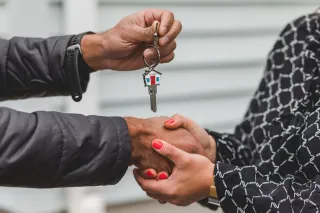
Finding somewhere to live: start with the transition phase
The newcomer’s first mistake is wanting to sign a lease from mainland France, without having seen the property or the neighbourhood. In Guadeloupe more than anywhere else, the immediate surroundings change everything: exposure to the trade winds, how close the nearest secondary school is, the real commuting time at rush hour, noise levels, flood risk in the rainy season. Nothing replaces being there in person.
The safest strategy is to book temporary accommodation for the first few weeks, giving you time to look around calmly. That leaves you free to visit properties, compare towns and negotiate without the pressure of an overpriced hotel room or a colleague’s sofa.
The main areas to settle in
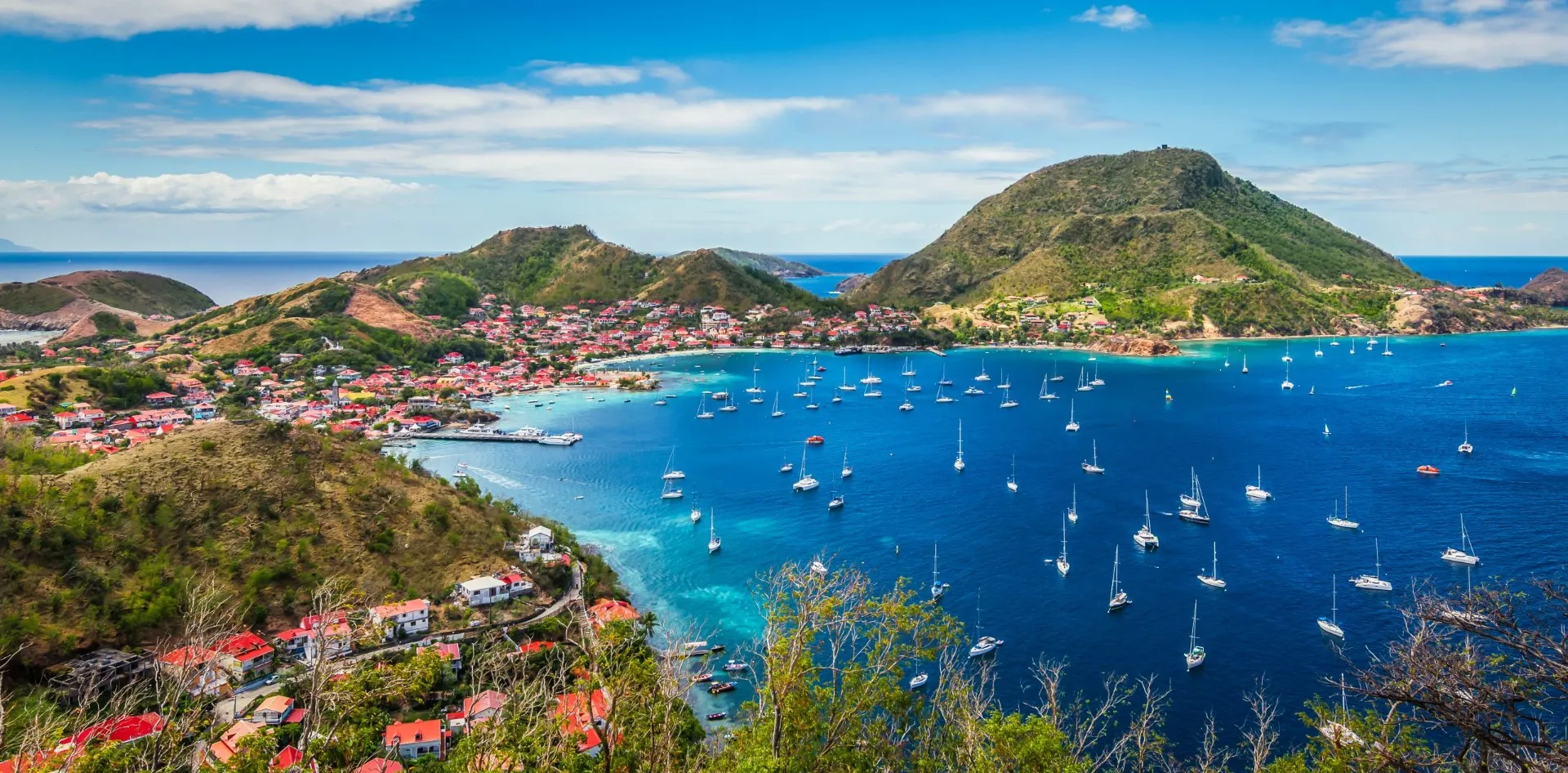
Guadeloupe reads like a butterfly with two very distinct wings:
- Basse-Terre (the mountainous western wing): the prefecture town of Basse-Terre, Saint-Claude and the cooler high ground, the leeward coast (Deshaies, Bouillante, Pointe-Noire) prized for its quiet and its beaches, and Petit-Bourg and Lamentin closer to the economic hub.
- Grande-Terre (the flatter eastern wing): Les Abymes and Pointe-à-Pitre form the urban and hospital core, Le Gosier attracts many newcomers and working professionals, Sainte-Anne and Saint-François appeal for their beaches but sit further from services, and Le Moule retains a more authentic character.
- The southern islands (Marie-Galante, Les Saintes, La Désirade): best kept for those who embrace the island pace and the constraints of ferry connections.
The Baie-Mahault – Les Abymes – Le Gosier triangle concentrates jobs, big-box retail, the Jarry business park (the largest industrial estate in the French West Indies) and the teaching hospital. It is often the most rational starting point for anyone working in the Pointe-à-Pitre conurbation.
Renting long term
For a long-term lease, expect to provide the usual documents (proof of income, ID, possibly a guarantor). Rents vary considerably depending on the town and how close you are to the sea; as a general indication, expect a premium for properties with a view or beach access, and gentler rates inland and on Basse-Terre. Air conditioning, the presence of a hurricane-proof shelter and the condition of the roof (sheet metal vs concrete slab) are criteria worth taking seriously.
To view properties stress-free during this search phase, take a look at our rentals: a comfortable base beats a lease signed in a rush.
Healthcare: activating your rights and finding a doctor
Social security and the carte Vitale
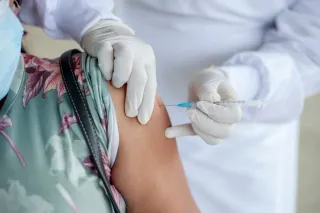
In Guadeloupe, general-scheme health insurance is managed by the CGSS (Caisse Générale de Sécurité Sociale de la Guadeloupe), not by a CPAM as in mainland France. When you arrive, if you change département, your file has to be transferred to the CGSS. Tell your original fund about your move and update your address: your carte Vitale remains valid, but your file is transferred. Processing times vary depending on the period, so plan ahead and keep your treatment receipts in the meantime.
Remember too to update your mutuelle (top-up health insurance) with your new address, and to check its network of local practitioners.
Doctors, specialists and hospitals
Healthcare provision is concentrated in the Pointe-à-Pitre conurbation:
- The CHU de la Guadeloupe, in Les Abymes, is the archipelago’s main hospital.
- The Centre Hospitalier de la Basse-Terre serves the west of the island.
- Private clinics and numerous private practices complete the network.
Some specialities are less densely covered than in mainland France: for an appointment in ophthalmology, dermatology or certain highly specialised fields, waiting times can be long. As a general indication, it is better to book your follow-up appointments well in advance and to bring, right from the start, a stock of any long-term medication along with your recent prescriptions.
Prevention in a tropical climate
Newcomers need to adopt a few health habits specific to the tropics:
- Arboviruses transmitted by the tiger mosquito (dengue in particular) circulate at certain times. Prevention comes mainly down to mosquito control: repellents, covering clothing in the evening, and eliminating standing water around the home.
- Heat and humidity expose you to dehydration and heatstroke: drink regularly, protect yourself from the sun, and schedule physical activity for the cooler hours.
- Chlordecone, a pesticide used in the past in banana plantations, has left soil contamination in certain areas. Check with local authorities before eating fish and shellfish from certain coastal zones, or root vegetables from gardens located in affected sectors.
- Sun exposure is intense all year round: high-factor sunscreen, a hat and hydration are not optional.
Paperwork, banking and admin
The administrative switch-over
Changing département triggers a series of updates you must not forget:
- Report your change of address (tax office, social security, top-up insurance, bank, employer)
- Transfer your health file to the CGSS of Guadeloupe
- Update your vehicle registration document within the legal deadline after the move (done online)
- Re-register on the electoral roll of your new town
- Transfer or take out home insurance suited to hurricane risk
- Enrol the children in their new school (Guadeloupe education authority)
- Open or adapt a local bank account
Banking and money
Guadeloupe uses the euro: no currency exchange or conversion to worry about. The major national banking brands are present, alongside well-established regional players. Keeping your mainland account works fine, but having a local contact makes transfers, direct debits and obtaining credit locally much easier. Check any ATM fees and favour a bank with branches near your home.
Tax and purchasing power
The French overseas départements benefit from specific tax arrangements (notably a reduced VAT rate and an income tax allowance within certain limits). These rules change: check with the tax office and, if your situation is complex (rental investment, starting a business), with a professional. On the cost of living, some imported products are considerably more expensive than in mainland France, while local produce (fruit, Creole vegetables, fish, rum) remains affordable at the market.
Transport and getting around day to day
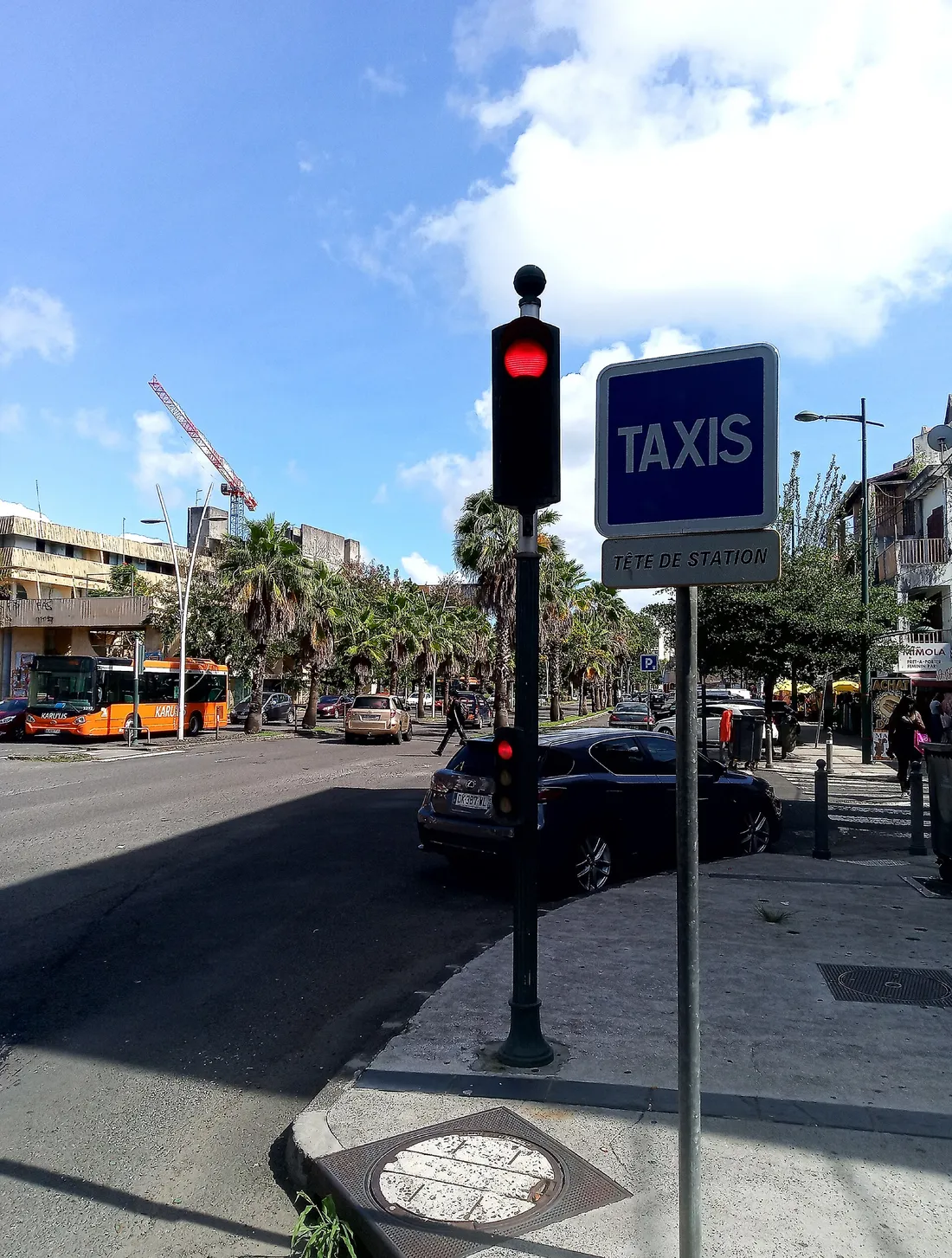
In most cases, a car is essential in Guadeloupe. Public transport does exist but mainly covers the conurbation’s main routes, and the timetables do not always suit everyone’s schedule.
A few pointers for the newcomer:
- Shipping your car over by container from mainland France or buying one locally: both options have merit. Sea freight has a cost and a lead time (several weeks); buying locally avoids the wait, but the second-hand market can be tight.
- Traffic jams around Pointe-à-Pitre, Jarry and on the routes into the conurbation at rush hour are a fact of life. A trip that looks short on the map can take a while in the morning and at the end of the day.
- Pointe-à-Pitre – Le Raizet airport (Guadeloupe Pôle Caraïbes) links the archipelago to mainland France and the neighbouring islands.
- Ferry services serve Marie-Galante, Les Saintes and La Désirade, departing notably from Trois-Rivières, Saint-François or Pointe-à-Pitre depending on the operator.
Adapt your vehicle to the terrain: working air conditioning, tyres in good condition for the mountain roads of Basse-Terre, and vigilance about corrosion caused by sea air.