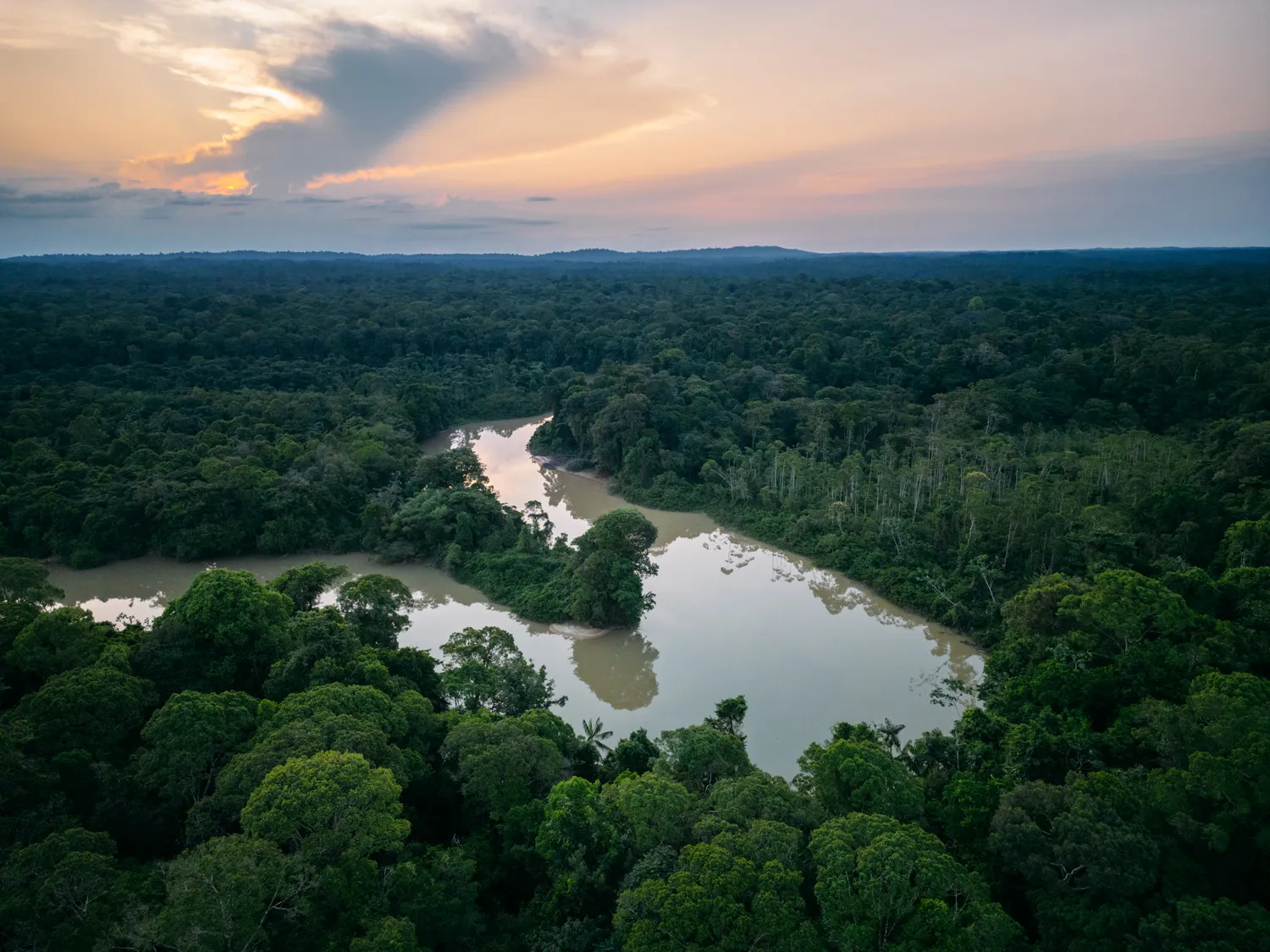

Moving to French Guiana from mainland France means changing continents while staying in France. You keep your nationality, your social security number and your rights, but you enter a territory with its own local institutions: the CGSS replaces the CPAM, the CAF has a dedicated branch, tax rules include overseas provisions, and many procedures are handled in person, sometimes with longer lead times than in mainland France. For a relocated employee, a civil servant, a healthcare worker, a teacher or an entrepreneur, the first few weeks are busy: finding housing, opening a bank account, enrolling the children in school, transferring health cover. This guide walks step by step through the administrative formalities for a stress-free move to French Guiana, with practical pointers adapted to the territory (Cayenne, Kourou, Saint-Laurent-du-Maroni, Matoury, Rémire-Montjoly). Timeframes and costs are given as a rough guide only: they vary with your situation, the season and the institution.
Before you leave: what to plan from mainland France
Some steps are best started before you even unpack. French Guiana is far away (more than 7,000 km, roughly 8 to 9 hours’ flight from Paris), and settling as much paperwork as possible in advance saves you from scrambling on arrival.
- Notify your current institutions: report your change of address to your CPAM, your CAF and your tax office. Transferring your file to French Guiana can take several weeks.
- Gather your supporting documents: ID, bank details (RIB), tax assessment notice, proof of address, family record book, employment contract or employer’s certificate, career statements. Make digital copies of everything.
- Plan your arrival accommodation: homes on the French Guianese market go fast and remote viewings are tricky. Temporary accommodation for the first few weeks gives you time to search on the ground.
- Check your vaccinations: yellow fever vaccination is compulsory to live in French Guiana. Get it done before you leave if you haven’t already.
- Prepare the move: sea freight (container) to Dégrad-des-Cannes often takes several weeks. Pack a “survival” bag with the essentials to tide you over until your belongings arrive.
Pre-departure checklist
- Report your change of address to the CPAM, the CAF and the tax office
- Scan all important supporting documents
- Book temporary accommodation for your arrival
- Check your yellow fever vaccination (compulsory)
- Organise freight or transport for your belongings
- Request an up-to-date health insurance entitlement certificate
Health cover: switching to the CGSS of French Guiana
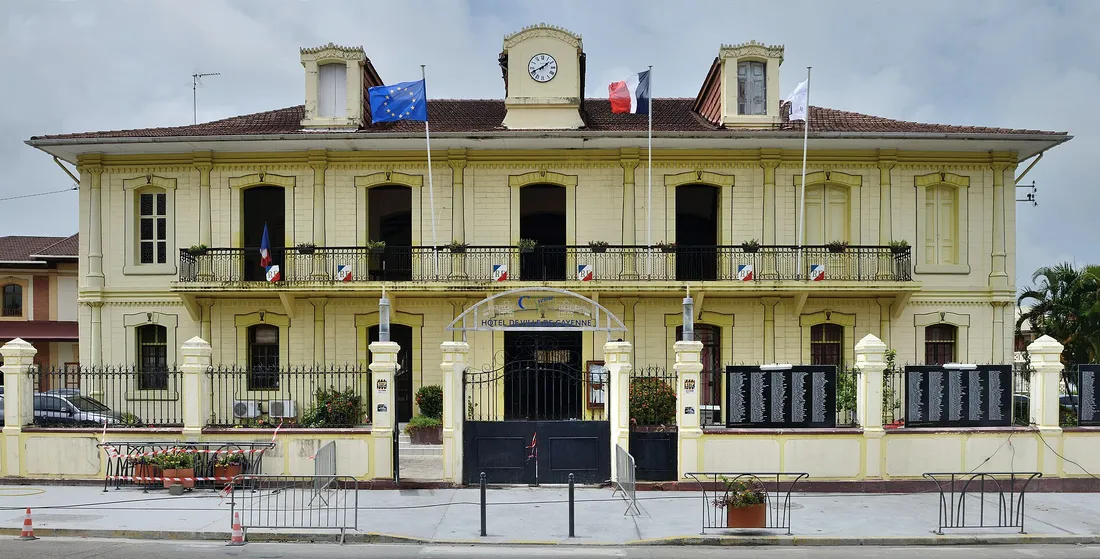
In French Guiana, health insurance is not managed by a CPAM but by the CGSS (Caisse Générale de Sécurité Sociale) of French Guiana. It is the single body covering health insurance, family benefits in certain cases, contribution collection (the equivalent of URSSAF) and general-scheme pensions. Your social security number does not change: it is your rights and your file that are attached to the local fund.
How to transfer your file
Registration with the CGSS usually happens automatically when you declare your new French Guianese address on your ameli account, or through your new employer. You can also visit a CGSS reception desk (in Cayenne in particular) with your ID, bank details and proof of address. Remember to:
- Update your address on your ameli account;
- Link a new carte Vitale if needed;
- Choose a local GP (medical density is lower than in mainland France, so plan ahead);
- Check your top-up health insurance (mutuelle) and how it covers you locally.
The health picture to know about
Healthcare is concentrated along the coast: the main hospitals are in Cayenne (Centre Hospitalier de Cayenne), Kourou and Saint-Laurent-du-Maroni. Inland and along the rivers, access to care relies heavily on remote prevention and care centres. If you settle outside the larger towns, identify the nearest healthcare professional as soon as you arrive. As a rough guide, getting an appointment with some specialists can take longer than in mainland France.
The CAF: family allowances and benefits
The CAF of French Guiana handles family benefits, housing allowances (APL/ALF/ALS), the RSA income support, the prime d’activité top-up and other social benefits. As with health insurance, your file needs to be attached to the local branch.
What you need to do
- Create or update your account on caf.fr, declaring your new French Guianese address.
- Report your change of circumstances (move, and possibly changes to your household composition or income).
- Apply for housing benefit as soon as your lease is signed: APL or ALS can significantly reduce your rent, subject to income conditions.
- Provide supporting documents: lease, bank details, tax assessment notice, proof of income.
Note: some family benefits have specific scales or top-ups in the overseas departments. Don’t assume the amount you received in mainland France still applies: run a simulation on caf.fr with your new situation. Amounts and eligibility are indicative and depend on your household.
Self-employed workers and business founders
If you are coming to start a business (property management, crafts, retail, services), your social protection as a self-employed worker will come under the CGSS. Overseas businesses benefit from specific contribution exemption schemes (for eligible zones and sectors). Check the details for your particular sector, as the rules change over time.
Tax: how it works in French Guiana
French Guiana is a French department: you remain subject to income tax on the same principles as in mainland France, but with significant overseas specifics.
What changes for income tax
- Overseas tax reduction: taxpayers resident in French Guiana benefit from a reduction in their income tax, up to a certain limit. The rate and cap differ between French Guiana/Mayotte and the French West Indies. The administration applies this automatically based on your tax return.
- Pay-as-you-earn withholding: this still applies. Remember to update your rate if your income changes with the relocation (cost-of-living bonuses, remoteness allowances for public sector staff).
- Tax return: you file your income as usual with the relevant public finance centre. Report your new address so you are attached to the right office.
VAT and local taxes
In French Guiana, VAT is generally not applicable, which affects displayed prices. Local taxation (property tax, and residence tax in some cases) follows national rules with municipal variations. If you are considering investing in rental property, be aware that there are overseas-specific tax relief schemes, which are regulated and subject to conditions: get support from a professional rather than relying on promised returns. No return is guaranteed.
Useful rules of thumb
- The cost of living is generally higher than in mainland France, particularly for imported goods (food, appliances) — as a rough guide, budget more for your grocery shopping.
- Relocated public sector staff often receive salary top-ups, which are taxable.
- Keep all your moving receipts: some costs linked to a work relocation may be taken into account.