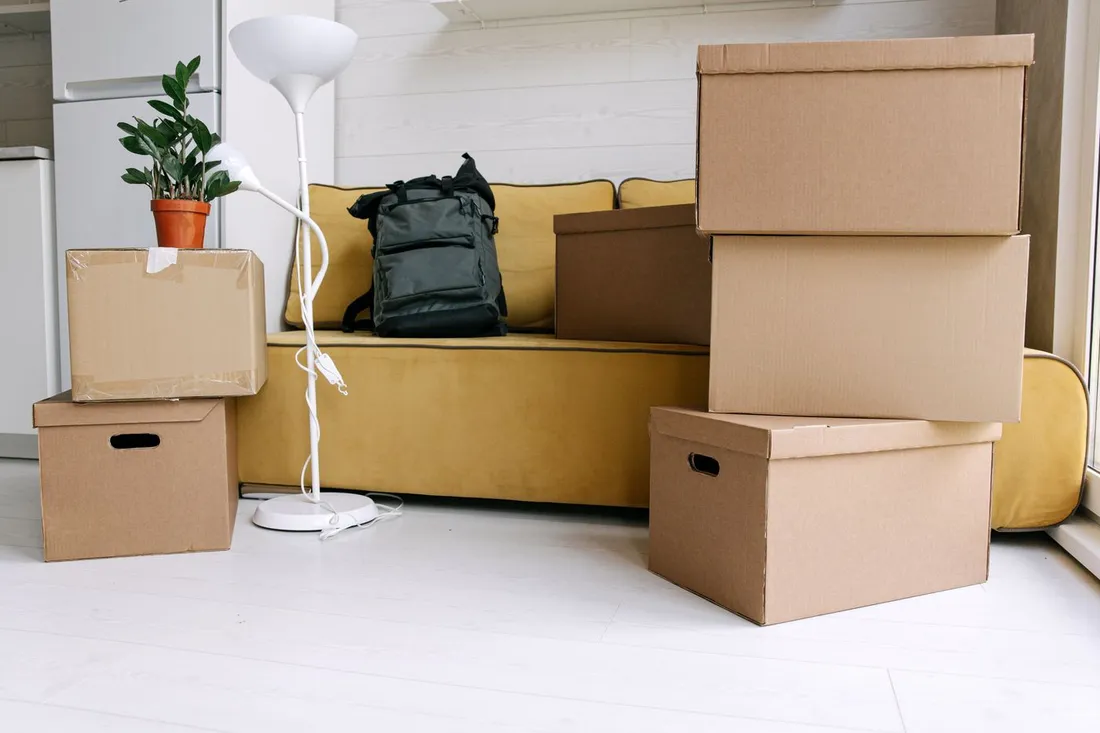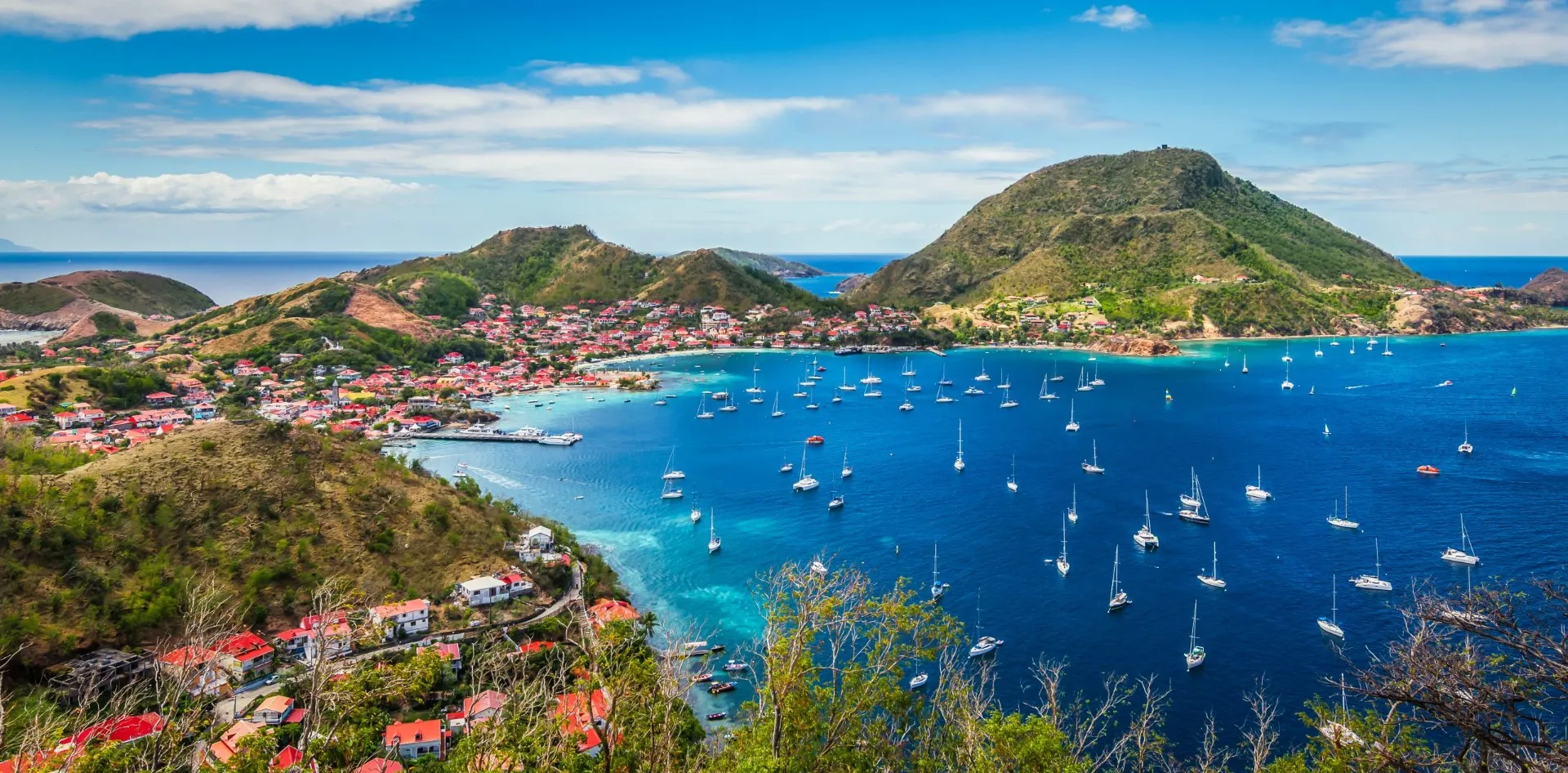
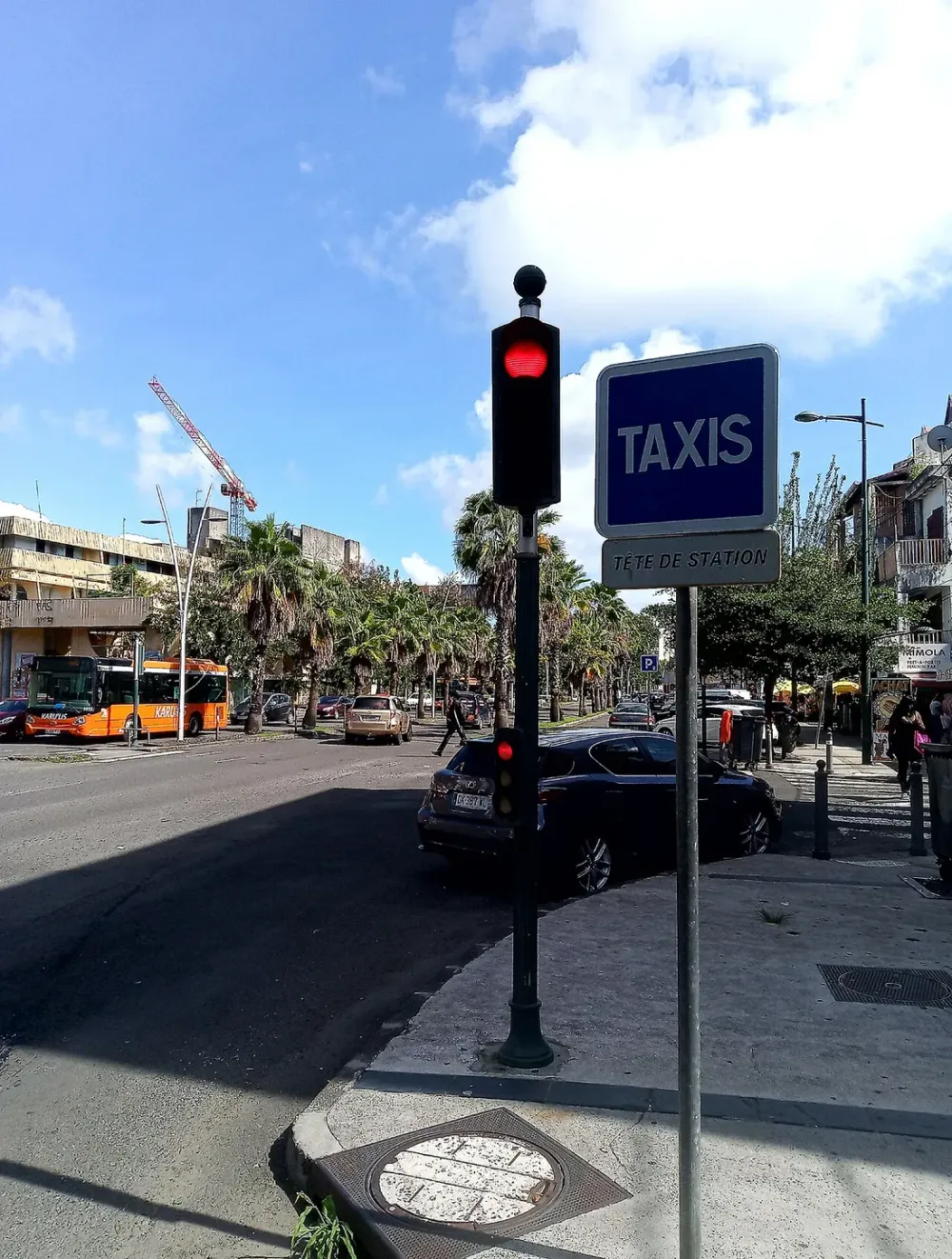
Leaving mainland France to settle in Guadeloupe, whether for a job transfer, a life project or a career change, is an adventure that takes months of preparation. Unlike a standard move within mainland France, relocating to a French overseas department involves maritime logistics, longer lead times, a different cost of living and adapting to a tropical climate and a rich Creole culture. This guide brings together the practical benchmarks you need to organise the shipping of your belongings by container, handle the paperwork, choose your town, find housing and settle into life on the archipelago. All figures quoted are indicative: they vary considerably depending on your situation, the season, the service providers and freight rates.
Planning ahead: your countdown timeline
A move to Guadeloupe is ideally planned 4 to 6 months in advance. The main constraint is sea freight: a container takes several weeks to cross the Atlantic, and departure slots from mainland ports (Le Havre, Montoir, Fos) are far from daily.
Here are the key stages to sequence:
- 6 to 4 months before: estimate your volume, request quotes from international movers, book your arrival accommodation.
- 3 months before: book the sea freight, notify your employer or school, cancel or transfer your contracts (energy, internet, insurance).
- 2 months before: sort, sell or give away what you won’t take, start packing non-essential items.
- 1 month before: finalise administrative formalities, book your flights, arrange care or transport for your pets.
- Departure week: container loading, handing over the keys, flight to Pointe-à-Pitre (Guadeloupe Pôle Caraïbes airport, in Les Abymes).
Should you take everything?
Not necessarily. Freight is expensive and some belongings suffer from sea transport and humidity. Many newcomers choose to travel light and buy appliances and part of their furniture locally. Conversely, quality furniture, books and personal items are often worth the journey. Do the maths: above a certain volume, a container becomes cost-effective; below that, groupage (sharing a container) or even buying locally may be cheaper.
Container shipping: understanding your options
Shipping your belongings comes down to three main formulas.
Full container load (FCL)
You rent an entire container, usually 20 feet (around 33 m3 of usable space) or 40 feet (around 67 m3). This is the solution for a full family home. You control the schedule and your belongings travel alone.
Groupage (LCL)
You only pay for the volume you occupy in a container shared with other customers. Attractive for small volumes (studio, partly furnished one-bedroom), but lead times can be a little longer since the container waits to be filled.
Door-to-door or port-to-port
- Port-to-port: the mover takes charge of your belongings at the departure port and delivers them to the arrival port (Baie-Mahault, Guadeloupe’s main port). Loading and inland transport are up to you. Cheaper, but more logistics on your shoulders.
- Door-to-door: the provider handles everything, from packing at your home to delivery at your new address in Guadeloupe. More comfortable, more expensive.
As an indication, a 20-foot container door-to-door often falls in a range of several thousand euros, varying widely according to the period, the actual volume and the packing services included. Always request at least three detailed quotes and check what is covered (insurance, handling, customs clearance, delivery to your floor).
Octroi de mer and taxation
Guadeloupe applies the octroi de mer, a tax specific to French overseas regions that is added to the price of many imported products. For a move of used personal belongings you have owned for a certain period, an exemption scheme generally exists under the transfer-of-residence rules, subject to conditions and supporting documents. Check with customs and your mover, who usually handles the customs formalities.
Choosing your town and neighbourhood
Guadeloupe is an archipelago. The main island is butterfly-shaped with two wings: Grande-Terre (to the east, flatter, drier, geared towards tourism and administration) and Basse-Terre (to the west, mountainous, volcanic, greener and wetter). Add to that the nearby islands: Marie-Galante, Les Saintes, La Désirade.
The main activity hubs
- Pointe-à-Pitre, Les Abymes and Baie-Mahault: the island’s economic and commercial heart, on Grande-Terre. Baie-Mahault is home to the vast industrial and commercial zone of Jarry, the leading employment area. This is where shops, businesses and administrations are concentrated.
- Le Gosier, Sainte-Anne, Saint-François: the tourist Riviera of southern Grande-Terre, with beaches, hotels and residences. A pleasant setting, but property and rents are tighter in winter.
- Basse-Terre (the town): the administrative capital and prefecture, at the foot of the Soufrière volcano. Quieter, more authentic.
- Petit-Bourg, Lamentin, Sainte-Rose: residential towns popular with families, within reasonable distance of Jarry.
Choosing criteria
Think about proximity to your workplace (traffic jams towards Jarry at rush hour are a reality), the presence of schools, shops, and the local climate: Basse-Terre is rainier and greener, Grande-Terre sunnier and drier.
Housing on arrival: the transitional solution
The trickiest part of relocating is the gap between your arrival and the availability of your permanent home. Your container may take several weeks to arrive, and finding long-term housing often requires already being on site to visit, meet agencies and sign.
The most stress-free solution is to book furnished temporary accommodation for the first few weeks. This gives you time to:
- view homes in person rather than remotely,
- open a local bank account and put together your application file,
- wait for your container to arrive and be delivered,
- explore the towns before committing to a lease.
That is exactly what we offer: move-in ready furnished rentals, ideal for a smooth transition, with local support. We can also advise you on neighbourhoods: feel free to contact us to prepare your arrival.
Renting long term
For a standard lease, prepare a solid application (ID, proof of income, guarantor if requested). Rents vary widely depending on the town and proximity to the coast. As a guide, the tourist areas of southern Grande-Terre show higher rents than inland towns or Basse-Terre. Also budget for appliances if your home is unfurnished and you are travelling light.