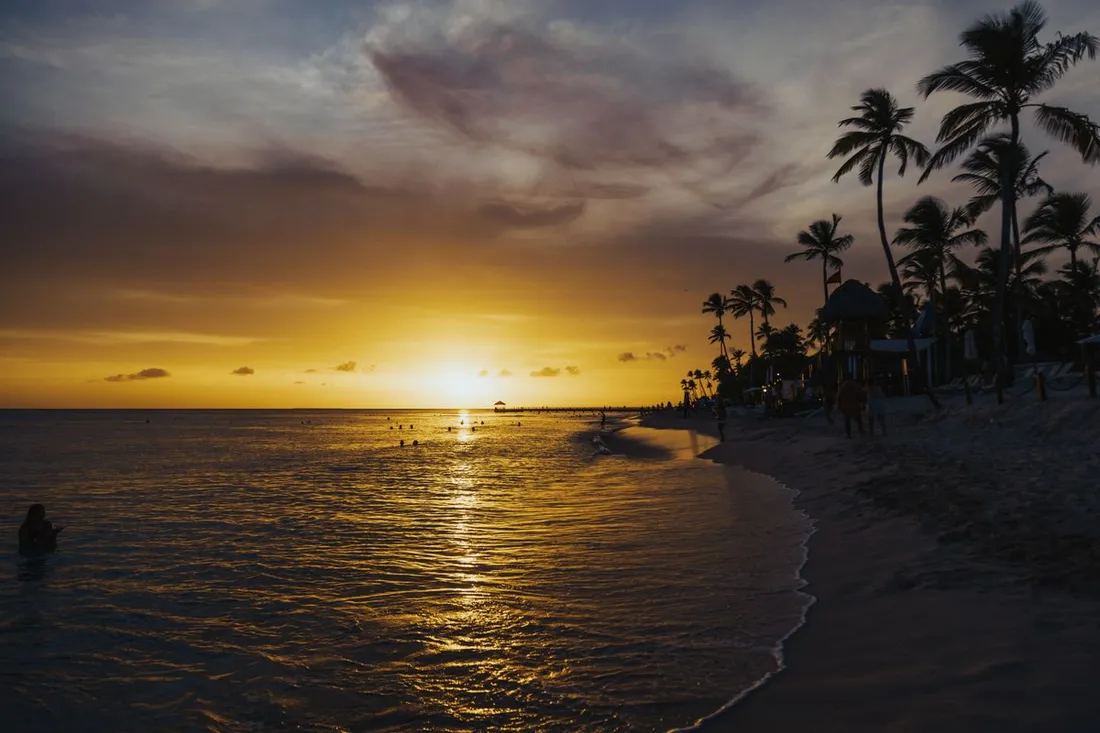
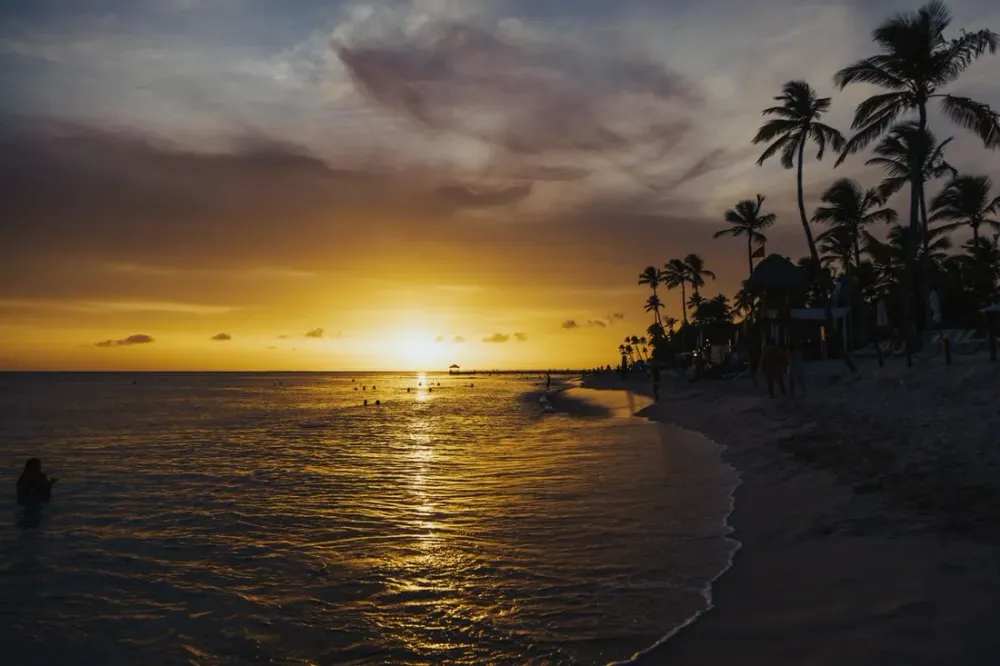
If you ask someone from Cayenne where they head on a Sunday afternoon, the answer is almost always the same: Montjoly Beach. This long ribbon of golden sand stretching along the town of Remire-Montjoly, about ten minutes from Cayenne, is the open-air living room of the whole metropolitan area. People come here to walk, swim, sip an ice-cold maracudja juice and watch the sun drop into the Atlantic. I live here, I’ve been dragging my flip-flops along this sand for years, and I’m going to give you the real insider tips: where to park without driving in circles, when the water is at its clearest, and the best-kept secret, the Rorota trail just behind.
Why Montjoly Beach is the favorite spot of Cayenne locals
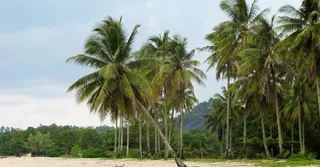
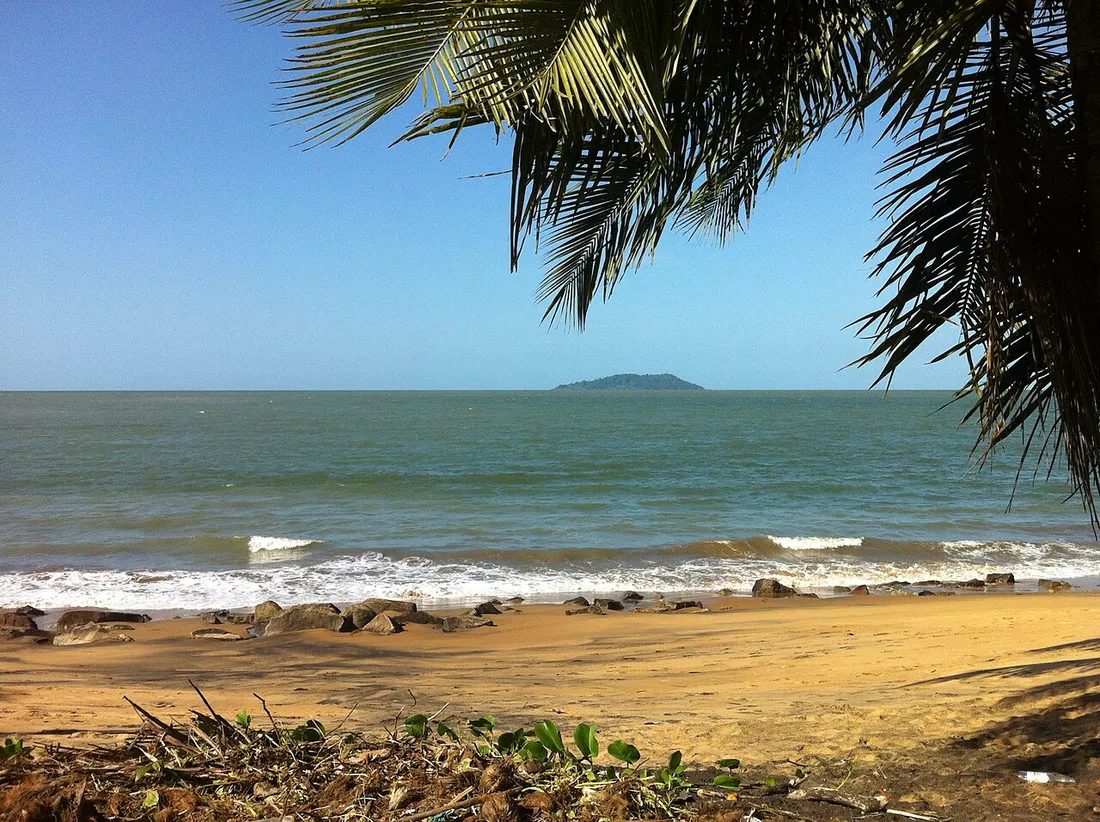
Montjoly is not a Caribbean postcard with turquoise waters. It’s something else: a wild, immense beach, lined with coconut and sea-grape trees, where you’ll cross paths with fishermen, joggers at daybreak and entire families on weekends. The sand stretches for several kilometers, from Pointe Montabo to the Mahury mountain.
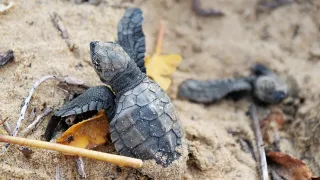
What makes it magical is its local, authentic atmosphere. No paid loungers, no aggressive street vendors. Just the sea, the wind and, in season, the passage of sea turtles that come to nest at night between April and August. It’s one of the rare places in the world where you can witness this spectacle just minutes from a prefecture town.
To really understand the region before you come, take a look at our complete guide to French Guiana: it places Montjoly within the full set of must-sees across the territory.
Where to park at Montjoly: the practical guide
The question that always comes up. Since the beach is very long, there are several access points, and not all of them are equal.
The main parking areas
- Montjoly Beach (central access, toward Avenue Leopold Heder): the busiest, a dirt parking lot under the trees. Arrive before 4 p.m. on weekends, it fills up fast.
- Pointe Montabo (Cayenne side): ideal for combining beach and sunset with a view of the city. Parking along the road.
- Gosselin Beach and Remire Beach: less known to tourists, quieter on weekdays. Perfect if you’re looking for calm.
A few local tips: parking is free everywhere, but never leave valuables visible in the car. Park in the shade of the coconut trees, the heat climbs fast (28 to 32 degrees year-round). And yes, a car is essential in French Guiana: there’s no convenient public transport to reach the beach.
When is the sea clear? An insider’s calendar
Let’s be honest: at Montjoly, the water is often brown-green, even ochre. This is not pollution. It’s the silt carried by the Amazon, whose plume drifts up along the Guianese coast. It’s a natural phenomenon, and swimming remains very pleasant, the water being warm (27 to 28 degrees).
But there are windows when the sea clears up noticeably:
- Dry season (July to late November): this is the best period, clear skies, less rain, more limpid water on some days.
- At high tide: the water is deeper and often clearer than at low tide, when the mudflats rise up. Check the tide times (free online) before you go, the range is strong here.
- After several days without rain: less runoff, cleaner water.
Swimming tips
- Swim at rising or high tide for comfort.
- No permanent lifeguard station: stay cautious, watch the children.
- The breakers can be strong on some days; swimming is more for splashing and cooling off than for swimming out to sea.
- Bring water, a hat and sunscreen: there’s little shade in the middle of the beach.
Maracudja, carbet and local flavors
An afternoon at Montjoly wouldn’t be complete without a maracudja, the local passion fruit, pressed into fresh-cold juice or sorbet. At the main access points, you’ll sometimes find vendors offering homemade juices, coconut sorbets and grilled dishes.
For a true Creole snack, plan a detour to the Cayenne market (in the morning, Wednesday, Friday and Saturday) before heading to the beach: buy accras, couac, tropical fruits and a maracudja juice to go. Count 2 to 4 euros for a fresh juice, a few euros for a portion of artisanal sorbet. Settle under a carbet (the traditional wooden shelters) and you’ve got the perfect Guianese Sunday.