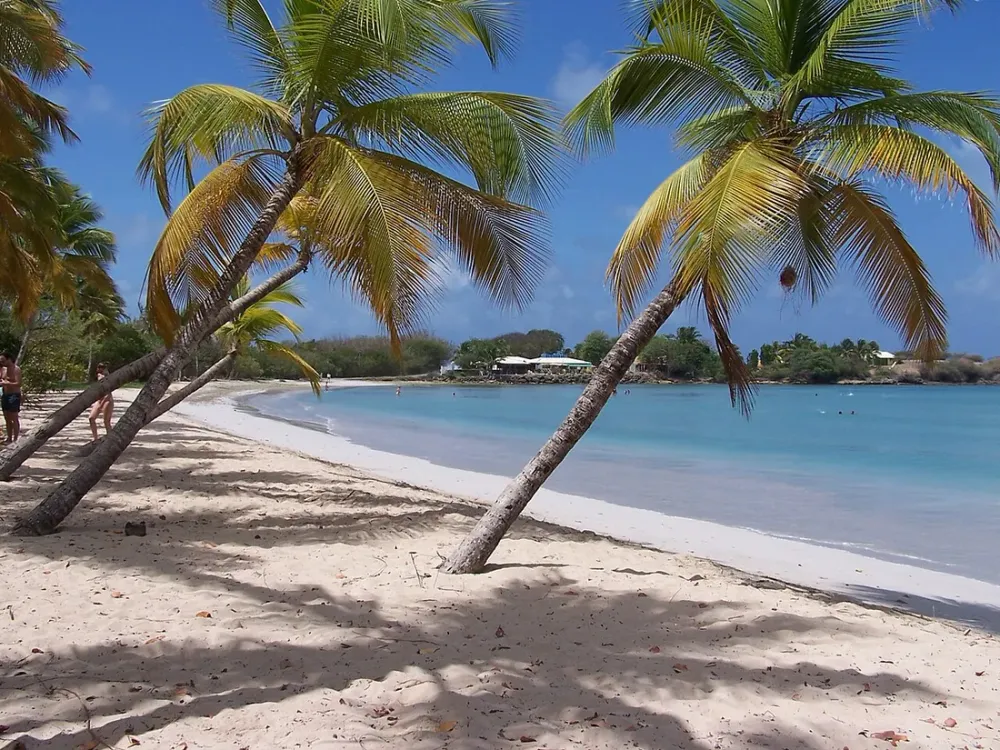
“So, is Martinique really that expensive?” Right after the weather, it’s the question travellers ask me most. Between airfares that sting and the Caribbean’s reputation for pricey living, it’s easy to assume a week in the sun will cost a fortune. Yet after several years living on the island and welcoming guests, here’s what I see: your Martinique holiday budget depends above all on how you travel — you can get by on 60 € a day or spend 250. Here’s an honest breakdown, category by category, with low, mid and comfort ranges.
Martinique holiday budget: the three daily spending profiles
Here’s what I actually see on the ground for two people travelling together, excluding airfares, once you’re there. These amounts cover accommodation, meals, the car and one activity.
- Backpacker / savvy budget: roughly 90 to 130 € per day for two (45-65 € per person). Modest studio, home cooking, lolos, an economy car, free beaches and hikes.
- Mid-comfort budget: roughly 150 to 220 € per day for two (75-110 € per person). A nice rental, one restaurant a day, a regular paid activity.
- Indulgent budget: 250 € and up per day for two. Villa with a pool, daily restaurants, boat trips, guided excursions.
The cost of living in Martinique for a tourist isn’t fixed, then: most of our couples land around 150-180 € a day while treating themselves reasonably, and families smooth things out a lot by cooking on site.
Why it’s pricier than mainland France (and by how much)
Martinique is a French overseas department and region (DROM) of around 360,000 inhabitants, where you pay in euros, but where most goods arrive by sea and carry the octroi de mer, a local tax specific to the overseas territories. The result:
- Imported goods (yoghurts, deli meats, sodas, well-known brands) often cost 30 to 50 % more than in mainland France; a familiar box of cereal can edge towards 6-7 €.
- Conversely, what’s local stays affordable: island fruit and vegetables at the market, fresh fish, agricultural rum. That’s the whole secret.
- Services (restaurants, activities, fuel) are close to mainland prices, sometimes a touch above.
Good news: this premium is largely sidestepped by eating local. You just need to know it before your first trip to the supermarket.
Accommodation: the biggest lever in your budget
This is the expense that moves the bill the most. For a seasonal rental in 2026, per night:
- Studio or small rental for two: 60 to 95 € a night in low season, 90 to 140 € in high season (the carême dry season, December to April).
- Apartment or family bungalow (4 people): 100 to 160 € a night, more during carnival (February-March) or the holidays.
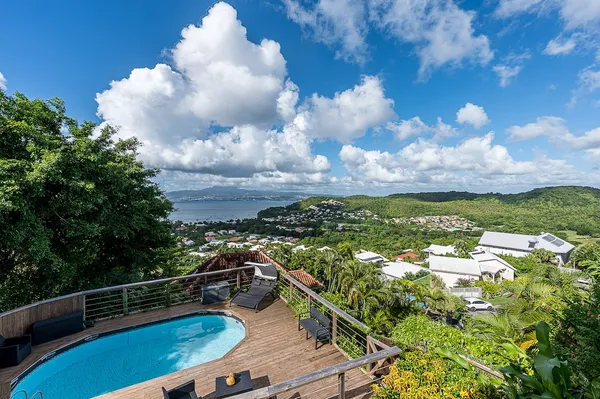
- Villa with pool: from 180-250 € a night, with no ceiling for exceptional properties.
Two tips that really count. The season changes everything: the same place renting for 1,200 € a week in February can drop to 750-850 € in September. And a rental with a kitchen is your best ally: cooking every other meal melts your food budget, especially with a family. Add the modest municipal tourist tax (from a few cents to 2-3 € per person per night, depending on the town and the rating).
Meals: where the budget is really won
The price of meals in Martinique is the other big category, and the one where you have the most room to manoeuvre. My on-the-ground ranges:
- Lolo (local beach shack) or food truck: a full Creole dish (grilled fish, colombo, accras) comes to 12 to 18 €. Authentic and generous.
- Classic restaurant: 22 to 35 € per person for a main and a dessert, more with a starter, wine and coffee. On a touristy beachfront, it climbs.
- Ti-punch or local beer: 3 to 6 € in a bar, versus under a euro a glass with your own bottle of agricultural rum (from 12-15 € at the distillery).
- Breakfast: a pastry at the bakery runs around 1.20-1.80 €; do try the local pain au beurre.
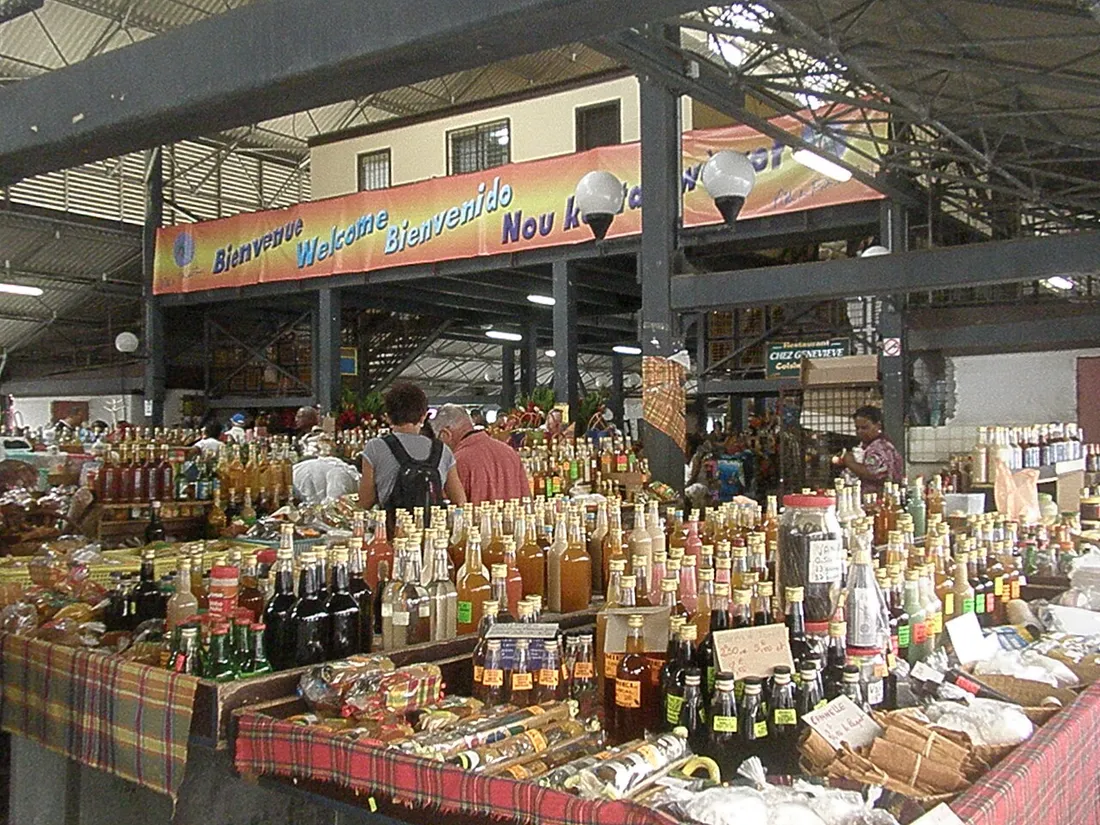
And then there’s the market, my secret anti-budget weapon. In Fort-de-France as in the town markets, island fruit and vegetables, spices and fish are very reasonable: a basket of mangoes, chayotes, yams and plantains for a few euros, and you cook Creole all week. For a couple mixing market, lolos and the occasional restaurant, 30 to 45 € of food a day for two is realistic.
Transport: the car, an almost unavoidable expense
Let’s be frank: a car is strongly recommended. Public transport doesn’t serve the southern beaches, the Rum Route or the hiking trails well. Here are the 2026 ballpark figures:
- Car rental: 30 to 55 € a day for a small category, often less over a full week. Book early in high season.
- Fuel: regulated prices, revised monthly, close to the mainland. Count on 10 to 20 € a day; the island is small (about 70 km north to south), but the mountain roads add up the kilometres fast.
- Parking: mostly free, including at Les Salines in Sainte-Anne.
- Maritime shuttle Fort-de-France / Les Trois-Îlets: a few euros a trip, a smart way to skip the bay traffic.
Most rental companies have a desk at Aimé Césaire airport (Le Lamentin), 15-20 minutes from Fort-de-France, the capital.