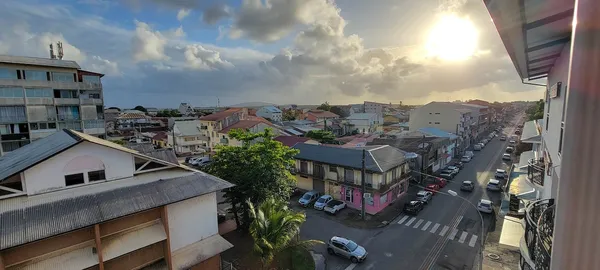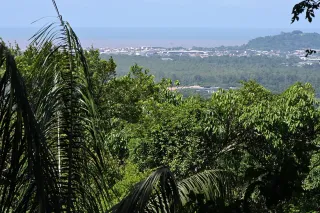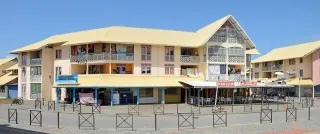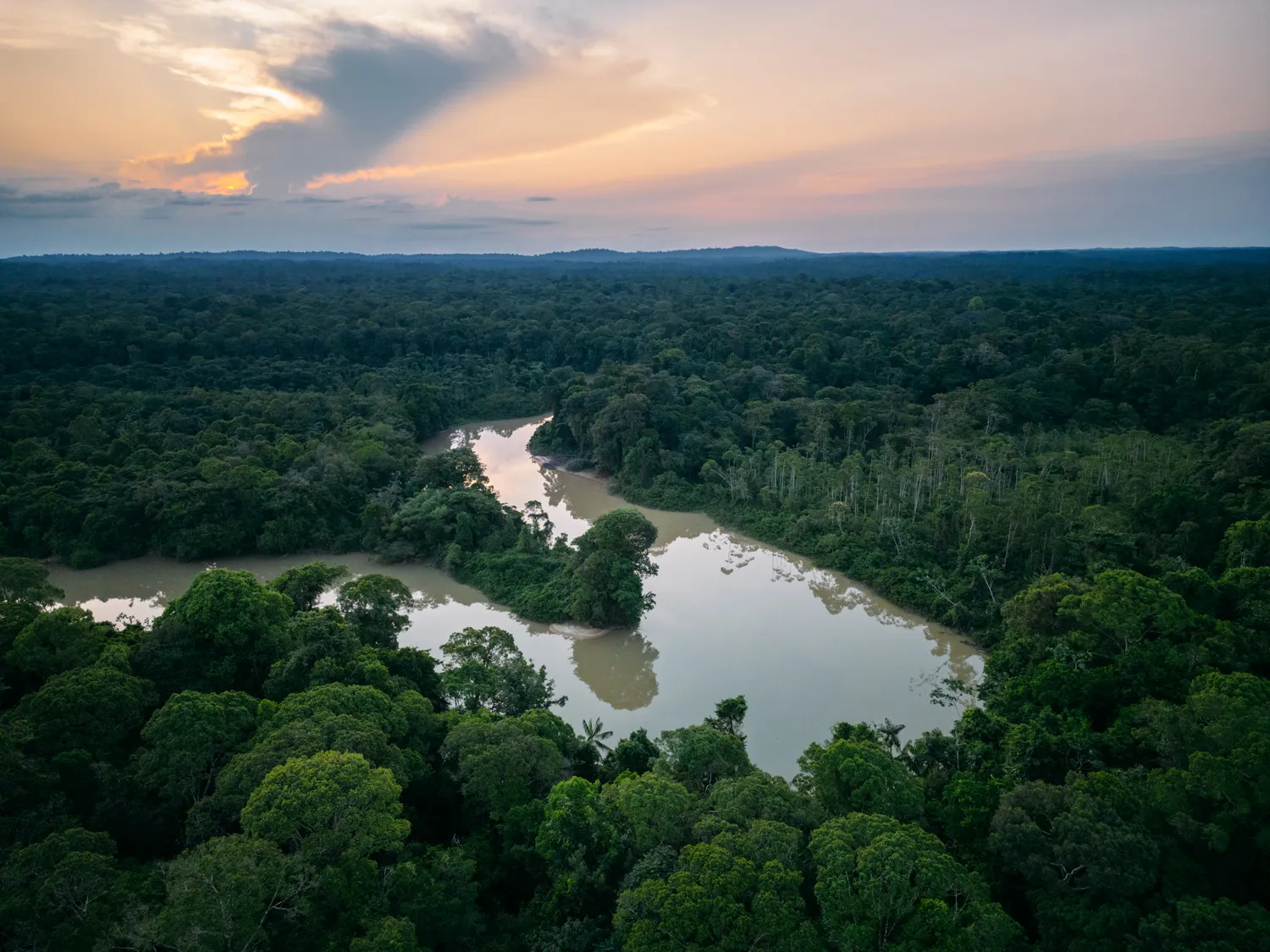

Are you preparing a job transfer, a professional relocation or a new life in French Guiana, and does Rémire-Montjoly keep coming up in your searches? That makes sense: this coastal town, wedged between Cayenne and Matoury, ticks most of the boxes newcomers from mainland France are looking for. It has the busiest beaches in the metropolitan area, residential neighbourhoods known for being quiet, immediate proximity to Cayenne, and a daily life that is fairly comfortable by French Guianese standards. But moving here is not the same as moving into a suburban housing estate back home: the equatorial climate, the cost of living, the pressure on the housing market and local realities all deserve to be understood before you sign a lease or buy. This article reviews, without idealising anything, the advantages and drawbacks of living in Rémire-Montjoly, with concrete pointers to organise your arrival.
Rémire-Montjoly in brief: where the town sits
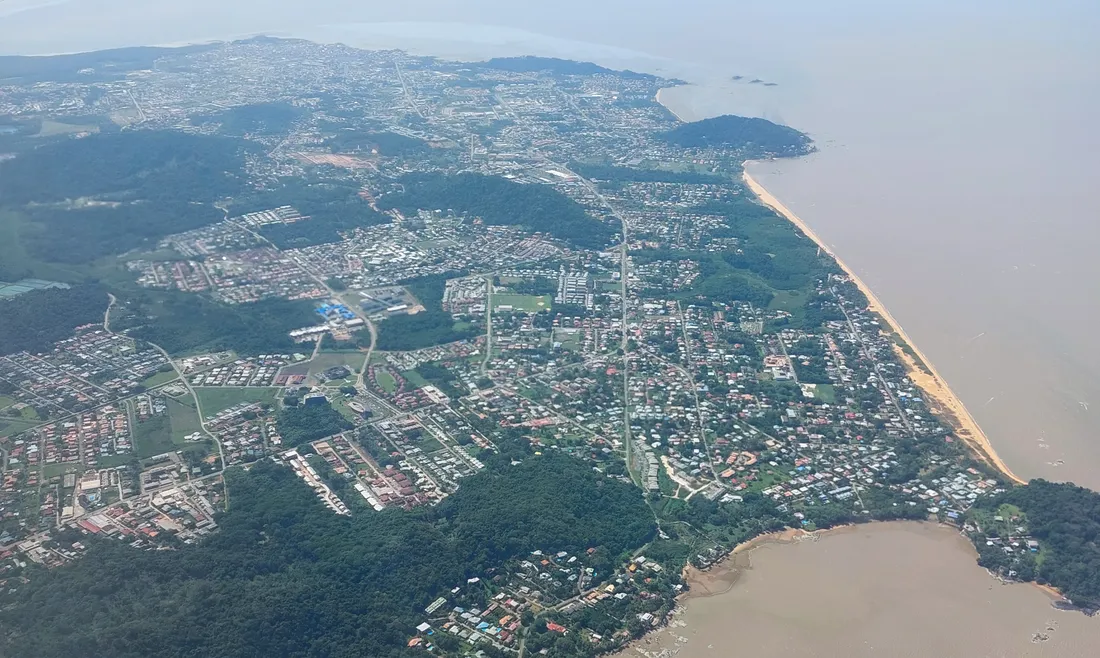
Rémire-Montjoly is one of the three towns on the Île de Cayenne, along with Cayenne and Matoury. It borders the Atlantic Ocean to the south-east of the urban area and, together with its neighbours, forms the urban and administrative heart of French Guiana. It is a mid-sized town by departmental standards, born from the merger of the former villages of Rémire and Montjoly.
Its geography explains much of its appeal:
- A long coastline with several beaches (Montjoly, les Salines, Gosselin, Montravel) among the most popular in the area.
- Mont Mahury and the Rorota hill, natural areas prized for hiking close to home.
- A central location: a few minutes from Cayenne for work and services, and close to the road to Félix-Éboué airport in Matoury.
- A predominantly residential fabric, with detached-house developments, a few apartment complexes and more rural areas further inland.
For a newcomer, Rémire-Montjoly is often seen as the town where you live, in contrast with Cayenne, which is denser and more commercial. That shapes both its strengths and its limits.
The advantages of living in Rémire-Montjoly
The setting: beaches, nature and space
This is residents’ number one argument. Living a few minutes from a beach like Montjoly or les Salines, being able to walk by the ocean at the weekend, hike around the Rorota or watch wildlife without leaving town: all of that genuinely changes daily life. Residential neighbourhoods generally offer more space than Cayenne: gardens, plots of land, dense vegetation. For families arriving from mainland France, it is often a real gain in outdoor quality of life, with warm weather all year round. To judge that for yourself before settling on a neighbourhood, nothing beats a few days in the town itself, for instance at the Villa Mahury, a villa with a garden and direct beach access in Rémire-Montjoly.
Close to Cayenne and its services
Rémire-Montjoly enjoys everything the urban area offers without suffering its full density. You stay a short distance from Cayenne for administration, shops, healthcare facilities and cultural life. The town itself has several retail areas, supermarkets, primary schools, middle schools, healthcare professionals and local services. For many professional transfers (civil service, healthcare, education, the space sector via Kourou further north-west), it is a practical base, well connected to the airport.
A sought-after residential reputation
Rémire-Montjoly has historically been considered one of the most desirable towns in the area to live in. Some neighbourhoods are known for being quiet and well maintained, which explains sustained demand both to buy and to rent. For a newcomer, that usually means a reassuring environment for a first move, provided you accept the trade-offs in terms of price and availability.
An ideal base for discovering French Guiana
Living here also means being well placed to explore the territory: heading up to Kourou and the Guiana Space Centre, river excursions, discovering the rainforest, and a starting point towards the inland communes. For anyone moving here eager to experience French Guiana fully, the town’s coastal and central position is a real asset.
The drawbacks to know before you move
The cost of living and rents
This is what surprises newcomers from mainland France the most. In French Guiana, many products are imported, which pushes up the price of groceries, food, appliances and part of your home equipment. On the housing side, pressure is real across the Île de Cayenne, and Rémire-Montjoly, because of its reputation, is among the areas where rents are highest in the region. As a rough guide only, you often need to budget more for housing than you imagine before leaving, and to expect the best-located properties to go quickly. These figures are indicative and vary according to the neighbourhood, the condition of the property and the time of year.
Housing pressure and waiting times
Finding suitable accommodation (a house with a garden, a gated complex, a specific area) can take time. Many properties are rented by word of mouth or are taken before they are widely advertised. For a transfer with a fixed arrival date, searching remotely from mainland France makes things even harder: viewings are impossible, applications compete with each other, and there is the time difference. This is exactly the situation where temporary accommodation on the spot, giving you time to view properties calmly, saves you from signing in a rush for something that will not suit you. For that kind of landing, a furnished place in the town itself, such as the T2 Mahury, an air-conditioned one-bedroom flat with beach access in Rémire-Montjoly, lets you line up viewings without driving in from Cayenne every morning.
The equatorial climate: heat, humidity and rainy seasons
The Guianese climate is hot and humid all year round, with a pronounced rainy season (broadly from the end of the year through the first half, with variations from year to year). That requires real adaptation: managing humidity in your home, treating against mould, air conditioning or ventilation, and sometimes intense rainfall episodes. Mosquitoes are part of daily life, with the health precautions that implies. Nothing insurmountable, but it is a different way of living from mainland France.
Getting around and car dependency
As in much of French Guiana, a car is all but essential for daily life in Rémire-Montjoly. Public transport exists but remains limited compared with a mainland city. Journeys to Cayenne at peak times can slow down, and the town’s residential sprawl makes walking impractical beyond your own neighbourhood. So you need to factor buying or shipping a vehicle into your relocation plan.
Safety and peace of mind: it varies by neighbourhood
French Guiana faces safety issues that should be neither blown out of proportion nor denied. Rémire-Montjoly is generally seen as residential, but the reality varies from one neighbourhood to another. The right reflex for a newcomer is to ask locally, to visit at different times of day and to choose your area with full knowledge of the facts rather than on the basis of online listings alone.