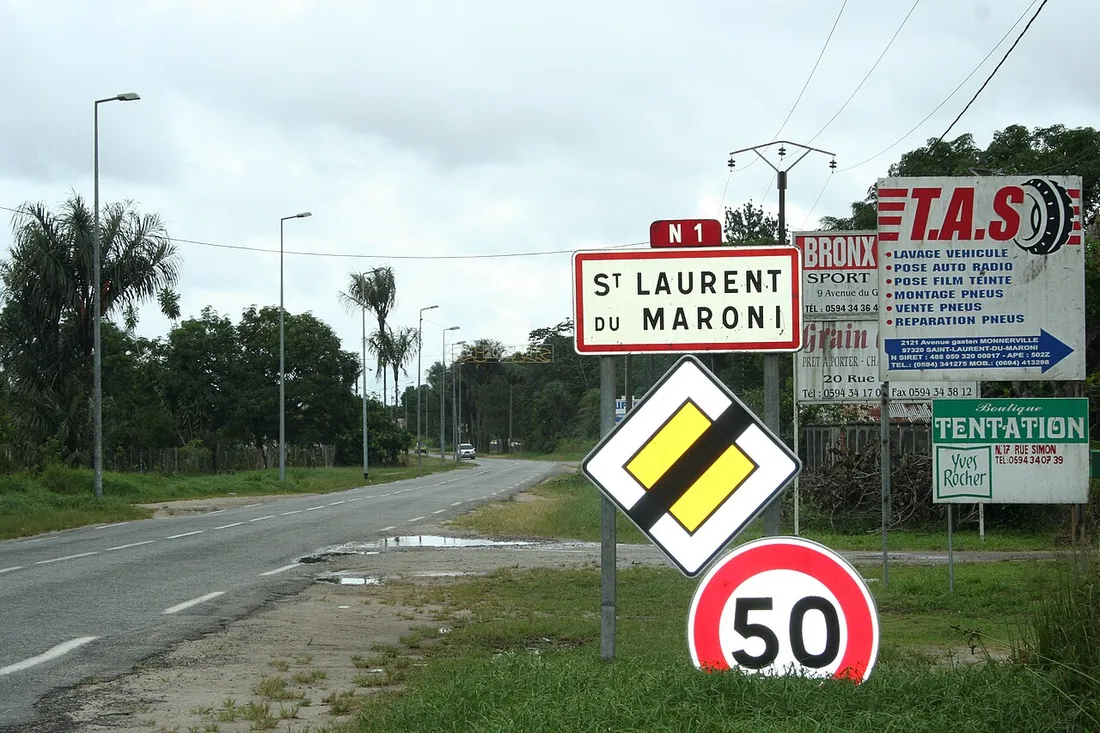
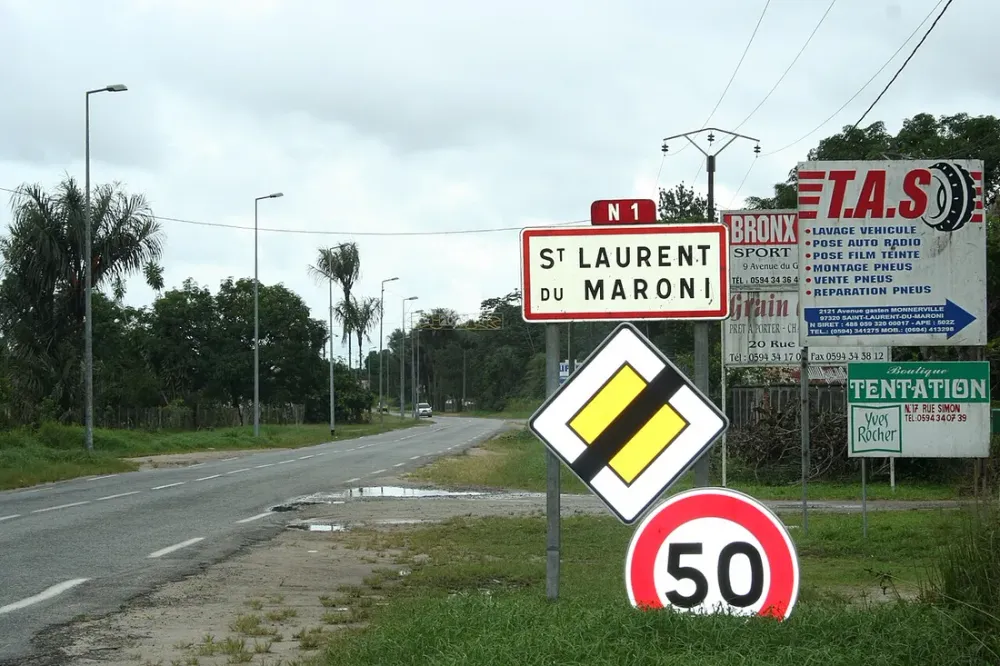
When people talk about real estate in French Guiana, eyes almost always turn to Cayenne, Rémire-Montjoly or Kourou and its space center. Yet 250 kilometers west of the capital, one town has been shaping one of the most distinctive investment profiles in the department for several years now: Saint-Laurent-du-Maroni. The second-largest commune in French Guiana by population, a living border with Suriname, and the administrative and judicial hub of the entire West, it combines structural rental demand with entry prices that are still very affordable. Here is a ground-level reading of this cross-border market, designed for investors who want to understand before they jump in.
Why Saint-Laurent-du-Maroni Attracts Investors
Saint-Laurent is not a tourist town in the classic sense. Above all, it is a town that works, driven by some of the most dynamic demographics in France. The commune’s population exceeds 50,000 inhabitants and continues to grow at a sustained pace, fueled by a high birth rate and by the flows tied to the border. This growth creates a structural imbalance: demand for housing rises faster than new supply.
For an investor, this translates into three simple observations:
- A low rental vacancy rate on decent, well-located properties.
- A diversity of tenants rarely found elsewhere in French Guiana: families, civil servants, healthcare staff, state agents.
- Price per square meter far below that of the Cayenne coast, which mechanically improves gross yield.
Where an apartment in Rémire-Montjoly can exceed €3,500 to €4,000/m², in Saint-Laurent you can still find properties around €1,800 to €2,600/m² depending on condition and neighborhood. The gap in entry cost is the central argument of this market.
The Suriname Border, a Quiet Economic Engine
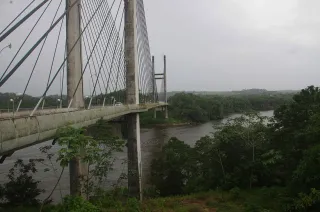
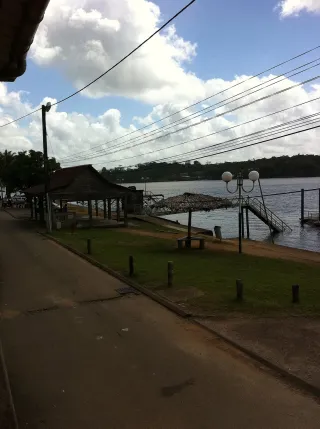
The Maroni River is not a barrier; it is a highway. Pirogues shuttle constantly between Saint-Laurent and Albina on the Surinamese side. This river border generates an economy of flows: trade, services, logistics, and a human circulation that nourishes the entire town.
For the rental market, this cross-border dynamism has a concrete effect. It supports the commercial activity of the center, sustains demand for furnished short- and medium-term rentals (technicians, contractors, professionals on assignment) and feeds a service economy that justifies the presence of a mobile working population. A well-kept furnished studio or one-bedroom finds takers quickly, whether for a professional trip of a few weeks or a posting of several months.
It is precisely this intermediate segment, between bare year-round rentals and the touristic nightly stay, that makes up the most profitable niche in Saint-Laurent. To understand how this town fits into the territory as a whole, our complete guide to French Guiana places the West in its regional context.
The Administration, an Invisible but Solvent Tenant
Saint-Laurent-du-Maroni is the sub-prefecture and the administrative heart of the entire western district. Courthouse, state services, the Western Guiana hospital, schools, gendarmerie, public operators: this institutional concentration generates a steady flow of assigned civil servants, often for two to four years.
This group is one of the most sought-after by landlords, for obvious reasons:
- Stable income and high solvency.
- A predictable length of occupancy, which limits turnover and costs.
- Strong demand for turnkey furnished housing, since these tenants often arrive without furniture.
In practical terms, a quality furnished one-bedroom commonly rents for between €750 and €950 per month, a family two-bedroom between €1,000 and €1,300. On a property bought around €130,000 to €160,000, you obtain gross yields that frequently exceed 7 to 8%, a level rare in mainland France and higher than on the Guianese coast. These figures remain indicative and depend on the property’s condition, location and the quality of management.
Which Neighborhoods and Which Properties to Favor
Not all areas are equal. Here is a reading grid drawn from local observation.
The Historic Center and the Camp de la Transportation
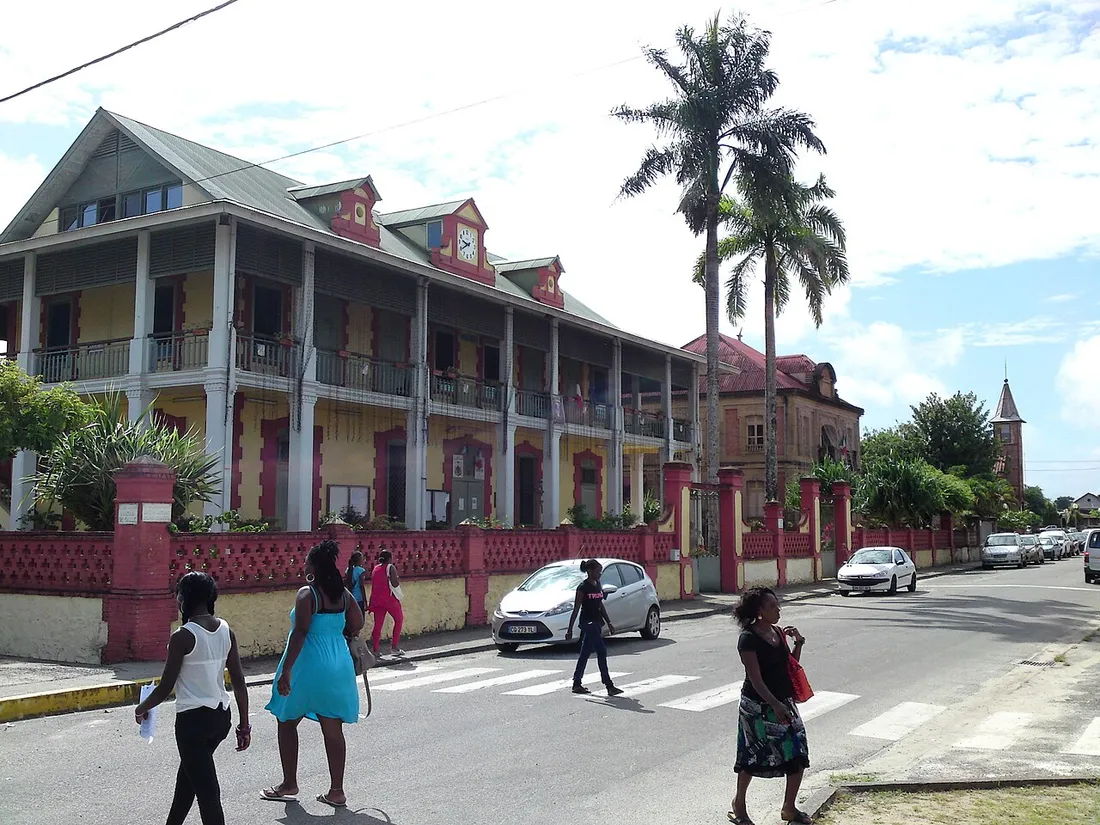
Around the famous Camp de la Transportation, a relic of the penal colony and the town’s main heritage site, the center retains genuine architectural charm. This is where short-term furnished demand linked to memorial tourism and professional missions concentrates. Beware, however, of the state of the old buildings: budget for renovation work and have the roof and electrical system inspected.
The Peripheral Residential Neighborhoods
The farther you move from the river, the more you find recent single-family housing suited to families and civil servants. These areas offer a good compromise between price, comfort and ease of management. They are often the best ground for bare year-round rentals.
What to Check Before Buying
- Equatorial climate: favor well-ventilated constructions, check for humidity and insulation.
- Rainy season: the dry season runs from July to late November; the rest of the year is very humid. Inspect water drainage.
- Connections: make sure water, electricity and sewerage comply, a sometimes sensitive point in the West.
- Title deed: in certain areas, the land warrants thorough notarial verification.