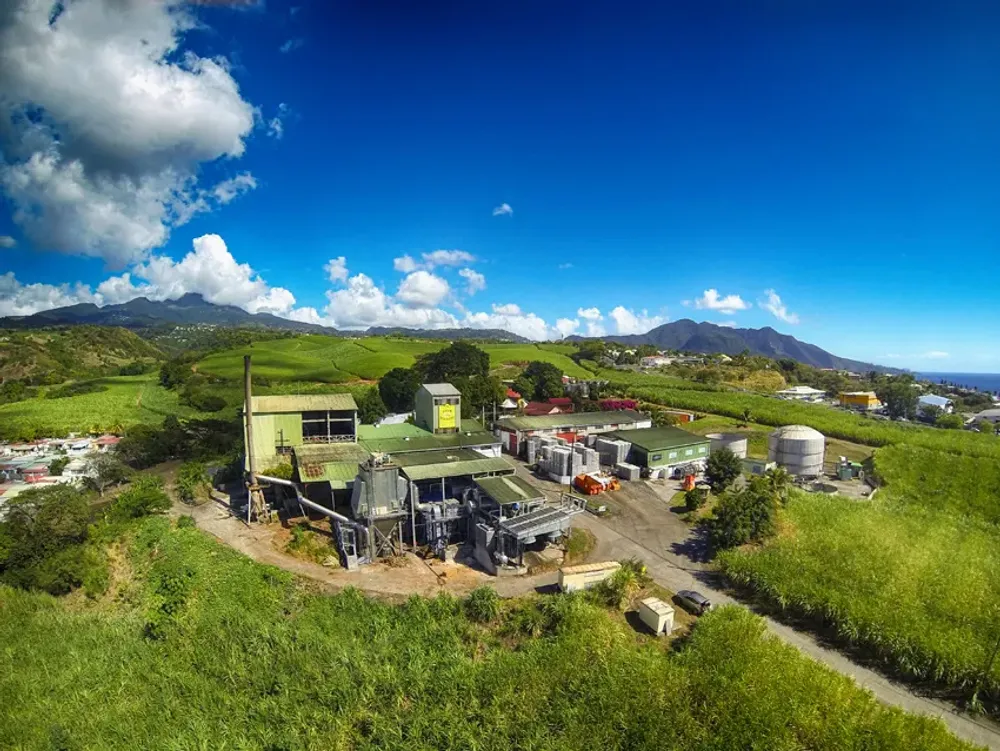
Whether you’re browsing the shelves of a wine and spirits shop in Pointe-à-Pitre or visiting the distilleries of Marie-Galante, one question keeps coming up among our travellers: why do some bottles carry the “AOC” label and others don’t? At Hostel Toucan, we support dozens of stays every month across both wings of the archipelago, and rum remains the souvenir most often tucked into a suitcase. Here is our straight-talking breakdown of the appellation that shapes agricole rum production in Guadeloupe, and that genuinely changes the way you buy.
Guadeloupe’s AOC agricole rum: what are we really talking about?
An AOC (Appellation d’Origine Contrôlée, or Controlled Designation of Origin) is no mere marketing label. It is a legal guarantee that ties a product to a specific territory and a precise body of know-how. For rum, Guadeloupe falls under the “Guadeloupe” AOC granted in 2015, which governs agricole rum produced across the archipelago: Grande-Terre, Basse-Terre, Marie-Galante and the other islands.
The key thing to remember: there are two main families of rum.
- Rhum agricole: distilled directly from freshly pressed cane juice (known as vesou). This is the one eligible for the AOC.
- Traditional (or industrial) rum: made from molasses, a by-product of sugar production. Often excellent, but outside the AOC.
Guadeloupe is distinctive in that it produces mostly rhum agricole, unlike many other Caribbean territories. It’s a local signature that explains the bright, grassy, vegetal aromatic profile of our rums.
Why was the AOC created?
The aim is threefold: to protect the consumer against imitations, to honour the work of the cane planters, and to lock in a level of quality. Without a spec sheet, any bottler could lay claim to a “Guadeloupe rum” without meeting a single production requirement. The AOC closes that door.

The spec sheet: what the appellation requires
This is where the AOC truly proves its worth. Behind the logo lies a series of strict rules, monitored by the INAO (France’s National Institute of Origin and Quality). Here are its concrete pillars.
- Origin of the raw material: only juice from sugar cane harvested within the appellation’s territory. The cane must be crushed quickly after cutting to preserve its freshness.
- Defined geographical zone: the cane plots, the distillation and the ageing must all take place within a designated area of the archipelago.
- Distillation method: a specific distillation column, with a regulated output strength to preserve the cane’s aromas.
- Wood ageing: to carry an age statement, the rum must rest in oak casks for a minimum period, in cellars located within the zone.
- Cane yield and fertilisation are regulated, to guarantee consistent juice quality.
Aged, wood-rested, white: don’t mix them up
Three terms come up often and create confusion:
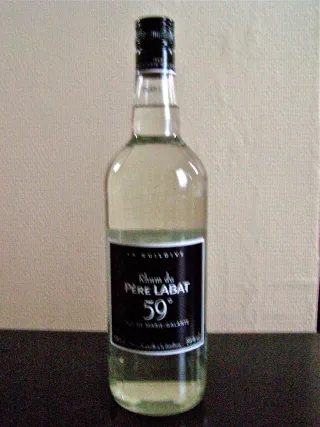
- White rum (paille or unaged): no extended cask time, bottled shortly after distillation. Perfect for ti-punch.
- Wood-rested rum (ESB, élevé sous bois): aged in cask but for less than 3 years. A light amber tint, an already woody nose.
- Aged rum (rhum vieux): the summit of the AOC. It requires a minimum of 3 years of ageing in oak casks. This is the category to focus on for a treat or a gift.
VS, VSOP, XO: decoding the age statements
This is the question we get asked most often over WhatsApp support. These initials, borrowed from the world of cognac, indicate the age of the youngest rum in the blend.
- VS (Very Special) or rhum vieux: minimum 3 years in cask. Still a lively profile, with notes of vanilla and gentle spice. Expect €35 to €55 a bottle at the distillery.
- VSOP (Very Superior Old Pale): minimum 4 years. Rounder, with more wood and candied fruit. Around €50 to €75.
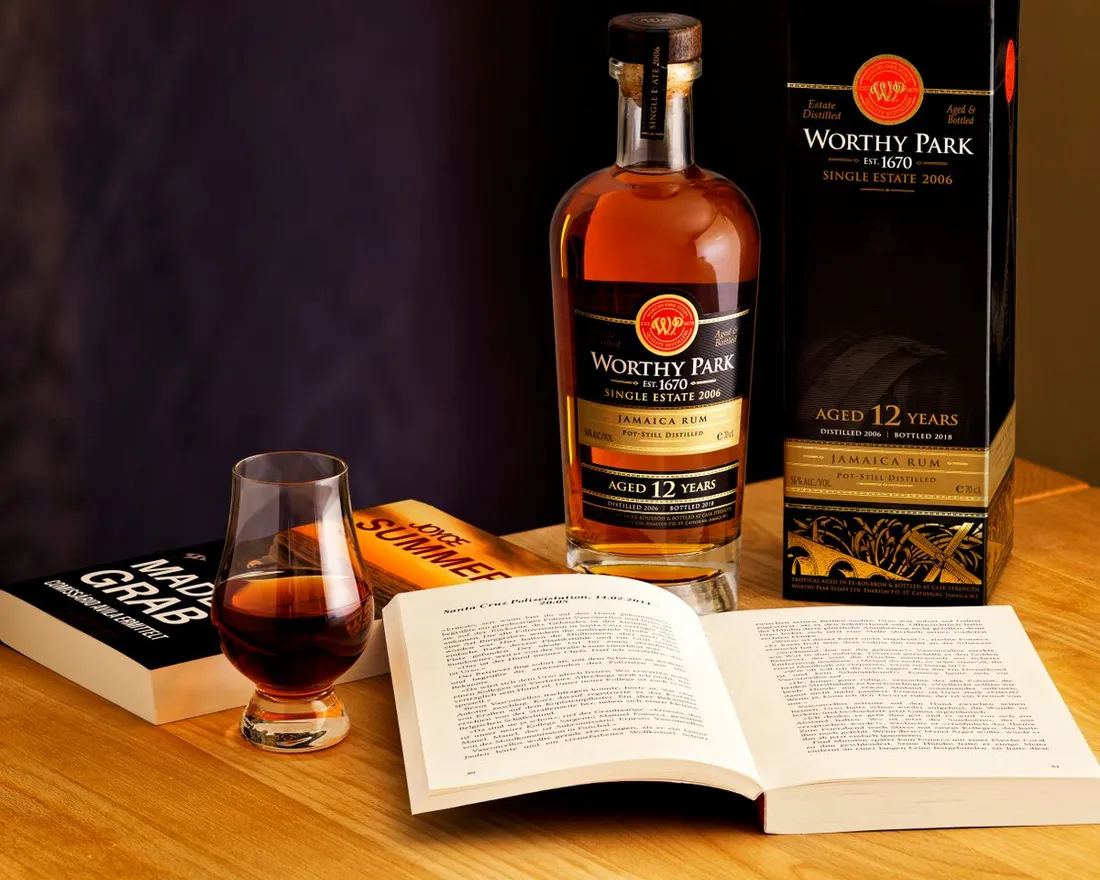
- XO (Extra Old): minimum 6 years, often much more. Maximum complexity, with notes of cocoa, tobacco and dried fruit. From €70, and easily €120 and up for rare bottlings.
How this changes what you buy
Our on-the-ground advice, after guiding plenty of visitors:
- For ti-punch and cooking: an AOC white agricole rum at 55% ABV, around €15 to €25. No need to pay for an aged rum to make a coconut punch.
- To explore without breaking the bank: a VS / 3-year aged rum, an excellent value-for-money pick.
- To give as a gift or collect: aim for VSOP or XO, ideally a vintage bottling from a well-regarded distillery.
A word of caution: a high age doesn’t automatically mean “better for you”. The aromatic profile matters as much as the years. Taste before you buy whenever the distillery offers it.