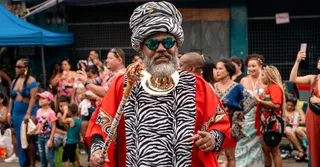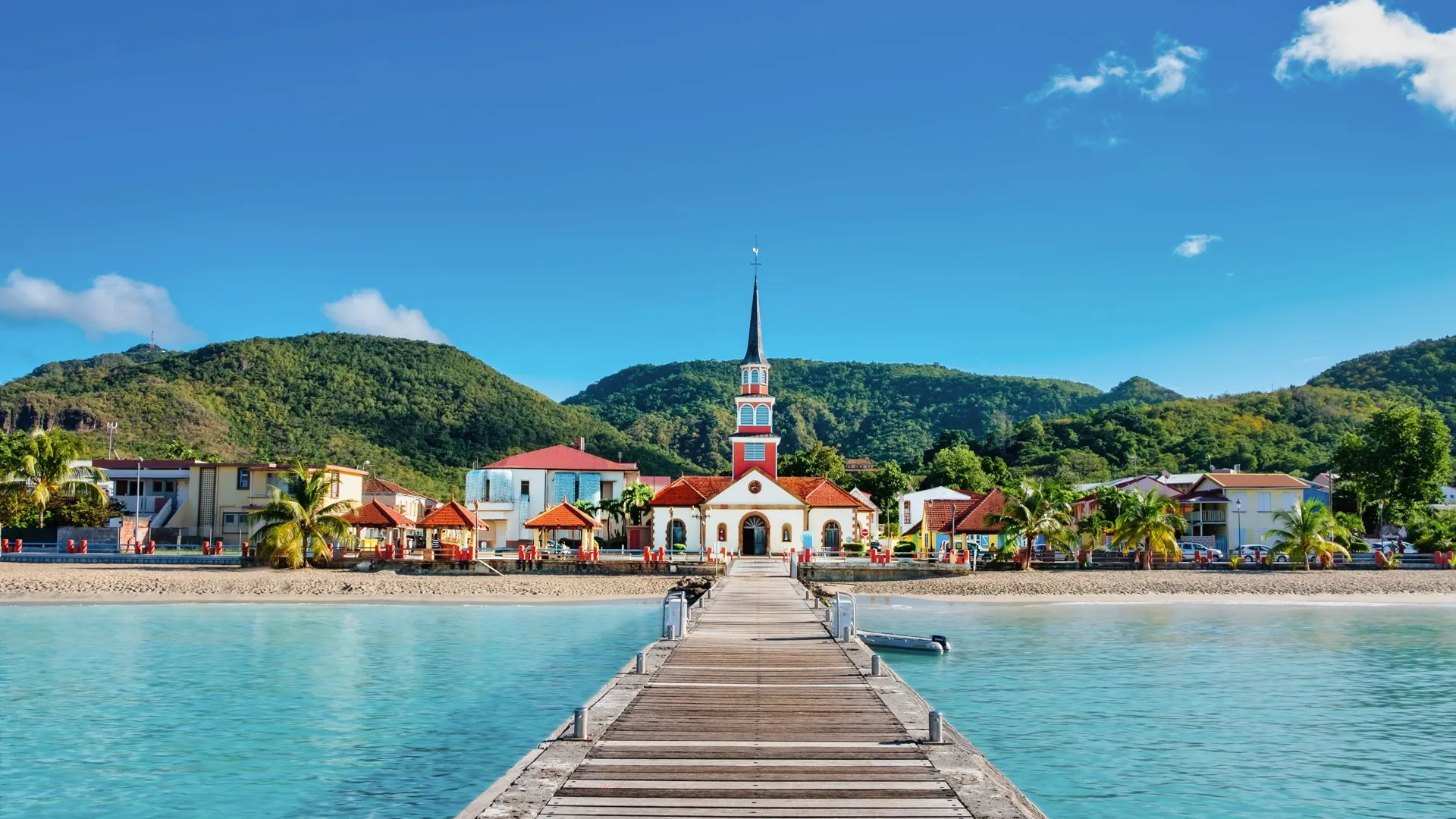
Every August, Fort-de-France dresses up in madras, lace and embroidered headdresses. Women in their finest attire, trays of spices balanced on their heads, Creole songs echoing through the streets of the city centre: the Fête des Cuisinières (Festival of the Cooks) is one of the most authentic and moving events on the Martinican calendar. Far more than a folkloric parade for tourists, it is a deeply popular celebration, carried by a century-old sisterhood that honours the culinary know-how of the island’s women. Here is everything you need to know to understand this tradition and attend it in 2027, with the respect it deserves.
A sisterhood born of women’s solidarity
The story of the Fête des Cuisinières is inseparable from that of the Association des Cuisinières de Fort-de-France, commonly known as the sisterhood (la confrérie). Founded in the early 20th century (around 1916), this mutual-aid association originally brought together professional cooks employed in the grand bourgeois houses, restaurants and administrative offices of the capital.
Mutual aid before it became a festival
In an era without social protection, these women pooled their resources to support one another in times of illness, bereavement or financial hardship. The sisterhood organised collections, ensured dignified funerals for its members and supported their families. The annual festival, placed under the patronage of Saint Lawrence (the patron saint of cooks, celebrated on 10 August), was originally a moment of thanksgiving and togetherness among fellow cooks.
From private kitchens to living heritage
Over the decades, the profession of household cook declined, but the sisterhood survived by reinventing itself. It became the guardian of a heritage: Creole recipes, traditional costumes, songs and dances. Today, the cuisinières are no longer necessarily professionals, but women devoted to passing on Martinican gastronomy. The festival is now recognised as a major element of the island’s intangible heritage.
How the day unfolds: procession, mass and giant feast
The Fête des Cuisinières takes place over a single day, usually a Saturday close to 10 August. It follows a precise, unchanging ritual that blends religious fervour with an explosion of colour.
The procession and the blessing of the dishes
Early in the morning, the cuisinières gather in full regalia: a madras dress, a headdress (coiffe) whose number of points was once a coded language (revealing the wearer’s romantic status), and Creole gold jewellery — the “collier-chou” choker, “clous de girofle” (clove) earrings, and “jonc” bangles. Each woman carries on her head or in her arms a richly laden tray: whole fish, lobsters, poultry, fruit and pastries, all arranged like a work of art.
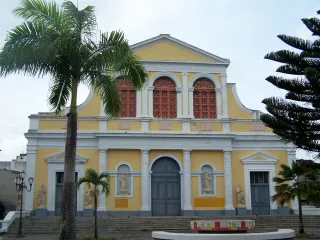
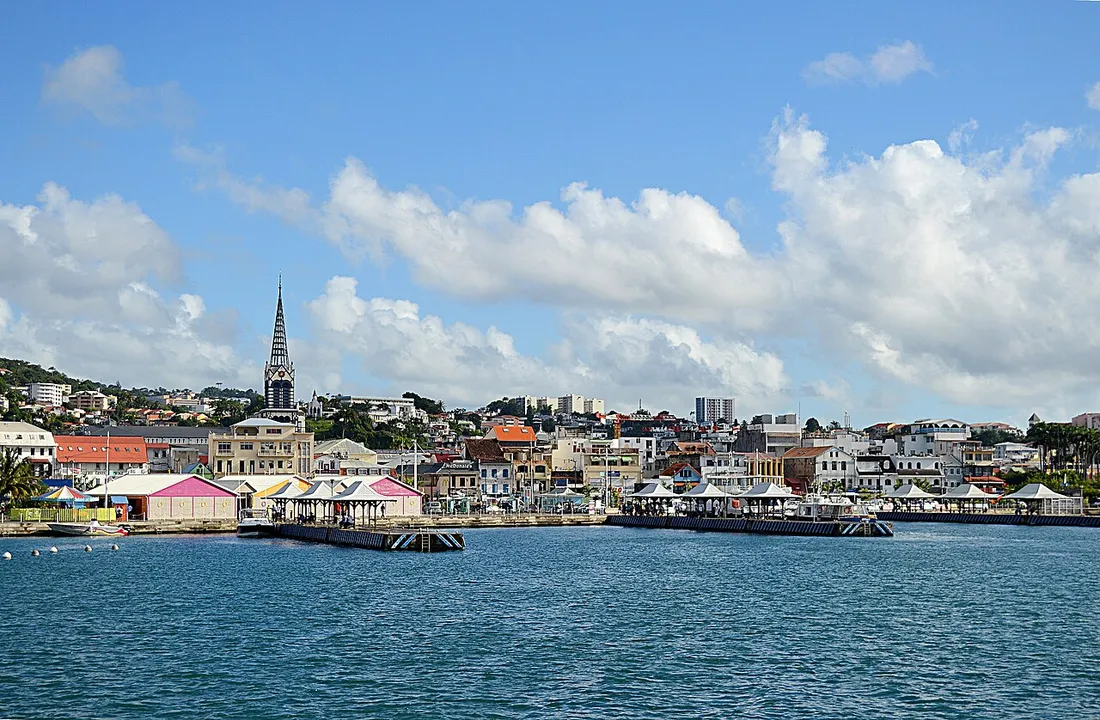
The procession, accompanied by drums, songs and biguine music, makes its way through the centre of Fort-de-France to Saint-Louis Cathedral. A Creole mass is celebrated, followed by the blessing of the dishes. It is a moment of reflection in which the spiritual dimension comes fully to the fore.
The great shared feast
After the blessing comes the heart of the festival: an enormous Creole feast served under marquees, often at the Parc Floral or in one of the city’s festive halls. On the menu, the finest of traditional cuisine:
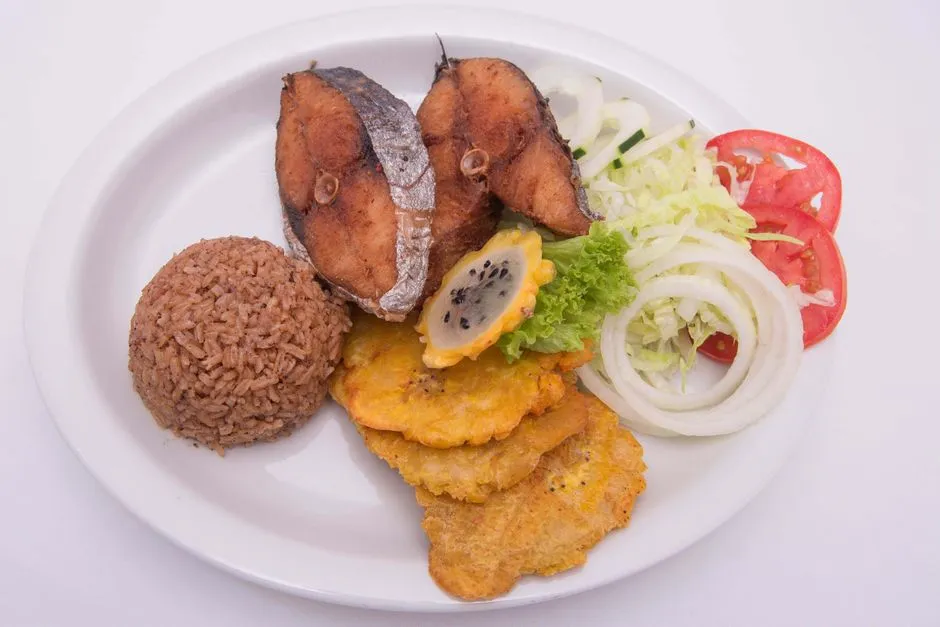
- Creole boudin, salt-cod accras and féroce d’avocat as starters
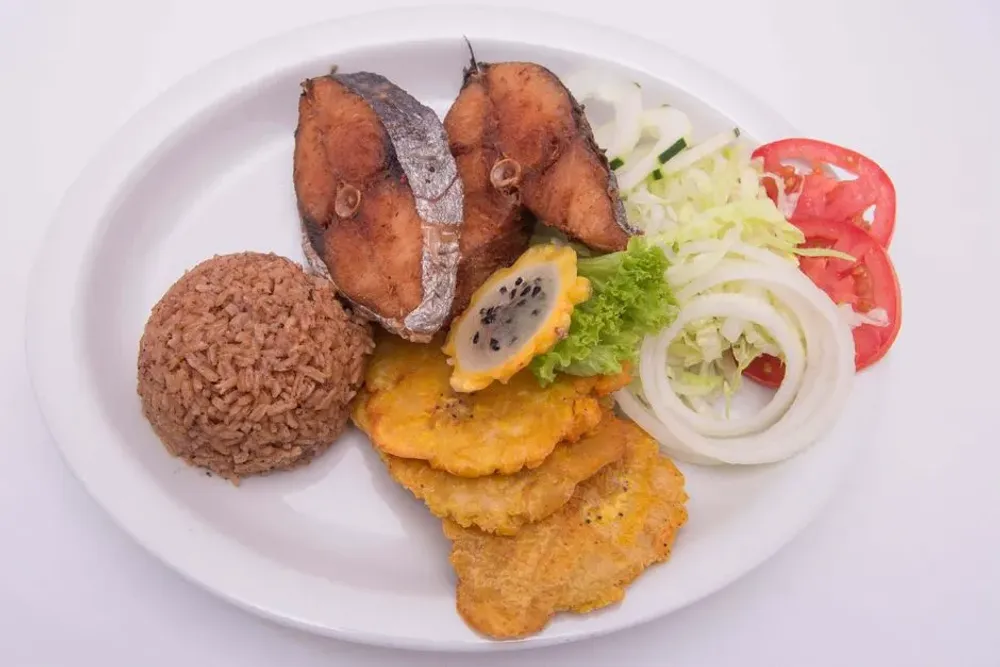
- Fish court-bouillon, goat or chicken colombo, chatrou (octopus) or conch fricassee
- Rice, beans, christophine gratins and plantains
- Coconut bavarois, blancmange, “tourment d’amour” pastries and artisanal sorbets
The meal carries on into the afternoon amid music and dancing. The atmosphere is warm and multigenerational, and you truly sense how, in Martinique, cooking remains an act of love and remembrance.
2027 dates and practical information
The Fête des Cuisinières is held every year in mid-August, around Saint Lawrence’s Day. For 2027, the edition is expected on Saturday 14 August 2027 (the exact date being confirmed each spring by the sisterhood and the Fort-de-France town hall). Plan for a full day of festivities in the city centre.
Tips for planning your visit
- Location: the historic centre of Fort-de-France (Saint-Louis Cathedral, La Savane, Parc Floral).
- Getting there: Fort-de-France is about 20 km from Aimé Césaire Airport (Le Lamentin), a 25–35 minute drive. A rental car (€35–55/day) is strongly recommended for exploring the island.
- Parking: the centre is gridlocked on the day. Opt for the outlying car parks or the ferry shuttle from Les Trois-Îlets (around €7–8 return, a 20-minute crossing), a far more pleasant way to arrive.
- The procession is public and free; the feast, however, is reserved for members and guests of the sisterhood.
- Time difference: -5h in winter, -6h in summer compared with Paris.
When to visit Martinique
August falls within the warm, wet season (short tropical showers, 28–31 °C). The festival is well worth the trip, but if you are after ideal weather, the dry season (the Carême, from December to April) remains the best time, with carnival in February–March. To plan a full stay, our complete guide to Martinique covers the must-sees season by season.