There are two dishes I always keep an eye out for whenever a celebration approaches in Martinique: creole boudin and pâté en pot. The first perfumes the markets from its huge steaming cauldron; the second simmers for hours in family kitchens before a communion or a New Year’s Eve feast. As a resident of the island and a lover of creole cooking, I’ll take you to the heart of these two pillars of creole charcuterie. On the menu: their history, my hands-on recipes, and above all my list of renowned boudin makers so you never end up with a bland, mass-produced creole boudin in Martinique.
Creole boudin, king of markets and festivities
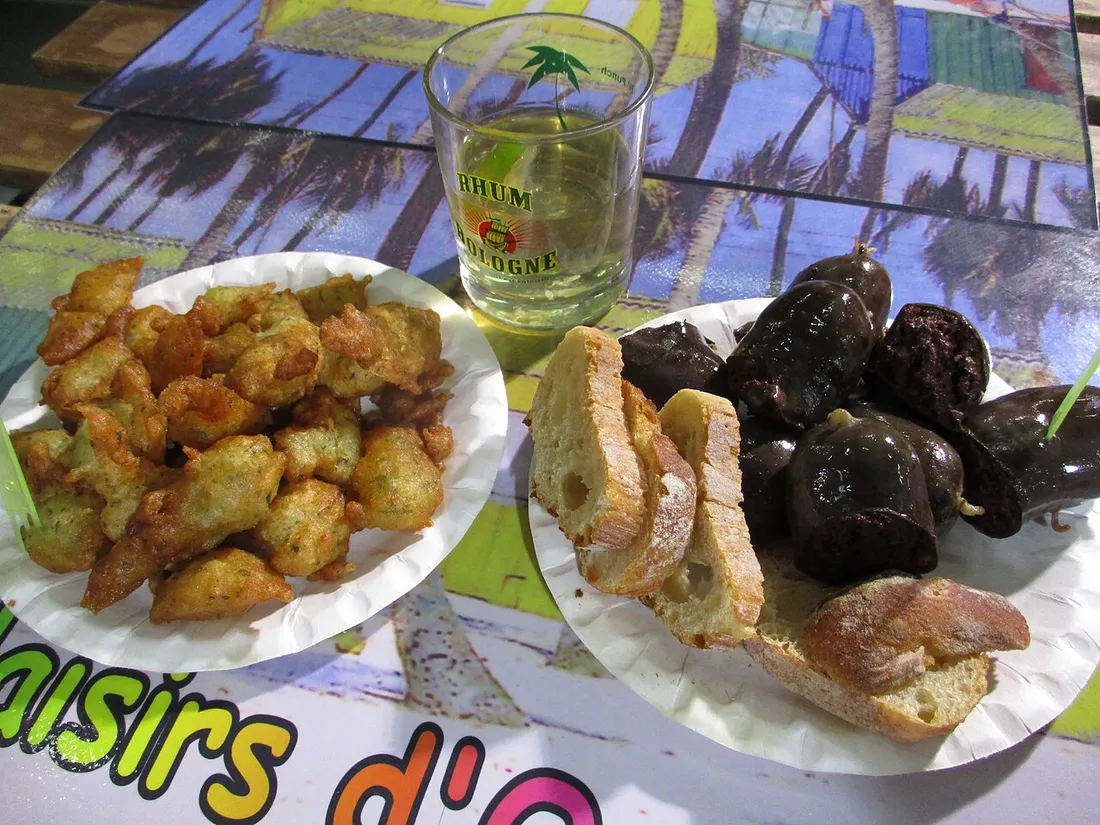
Creole boudin is without doubt the most popular charcuterie on the island. You’ll find it all year round, but it takes on a special dimension during Martinique’s festive dishes: Christmas, All Saints’ Day, communions, weddings, and of course the carnival nights (February–March) when vendors set up on street corners with their cauldrons.
A mixed heritage
Like many West Indian specialities, creole boudin was born of a blend. The boudin technique (bleeding the pig, cooking the blood) comes from Europe, but the seasoning is purely creole: spring onion (cive), chilli, bay rum leaf (bois d’Inde), thyme, garlic and a generous dose of spices. The result bears little resemblance to mainland French black pudding. It is spicier, more aromatic, often more tender, and is enjoyed just as readily as an appetiser or a starter.
The main types are:
- pork boudin (with blood), the classic, dark and melt-in-the-mouth;
- white boudin, blood-free, made with breadcrumbs or fish flesh;
- modern variations: conch (lambi), fish, lobster, even vegetable boudin, offered by creative artisans at the markets in the South.
How boudin is eaten here
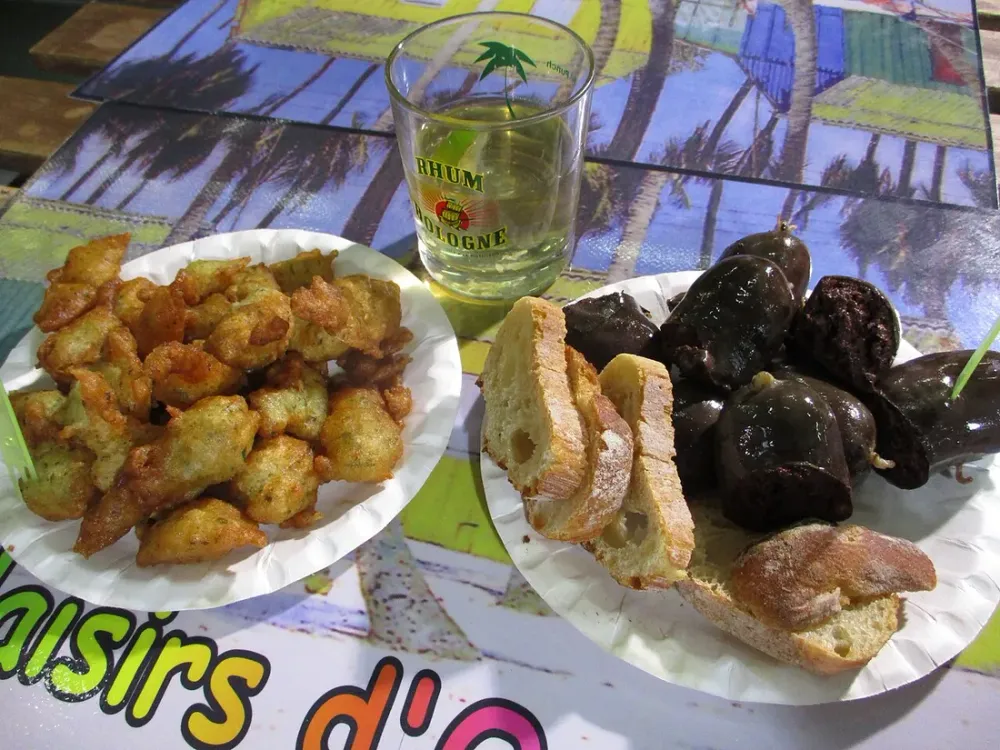
The ritual is simple: you buy it warm, squeeze on a dash of lime, pair it with a little ti-punch or a local beer, and enjoy it standing up among friends. As the start of a meal, it often comes before the accras and stuffed crab. Expect to pay around €8 to €14 per kilo at the markets, and €2 to €4 for an appetiser portion in a lolo (local eatery). A metre of boudin comfortably feeds four to six people as nibbles.

The hands-on creole boudin recipe
Making your own boudin at home remains a festive know-how, often passed from mother to daughter. Here is the version a neighbour in Sainte-Anne showed me, simplified for a holiday rental kitchen. I’m giving the traditional pork boudin method here; fresh blood can be bought from the butcher or ordered at the market.
The ingredients (for about 4 metres of boudin)
- 1.5 litres of fresh pork blood
- 500 g of stale breadcrumbs soaked in milk
- 6 spring onions (cive), 3 onions, 6 cloves of garlic
- 1 to 2 West Indian chillies (to taste), bay rum leaf, thyme, parsley
- 1 glass of milk, salt, pepper, a touch of nutmeg
- Cleaned pork casings (to order from the butcher)
Step-by-step preparation
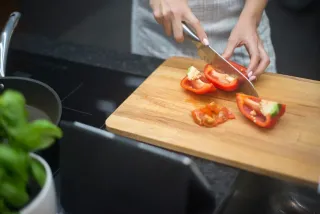
- Finely chop all the aromatics: onions, spring onions, garlic, chilli, parsley. This is the aromatic base that makes all the difference between an ordinary boudin and a true boudin maker’s boudin.
- Sweat these aromatics in a pan with a little oil, without browning, to awaken their fragrance.
- Mix in a large bowl the blood, the drained breadcrumbs, the aromatics, the milk and the spices. The texture should be supple, neither too runny nor too compact.
- Fill the casings using a funnel, without packing them too tightly (the boudin swells during cooking and may burst), then tie off into sections.
- Poach gently in barely shivering water (never boiling) flavoured with thyme and bay rum leaf, for 20 to 25 minutes. Prick a boudin: if the juice that beads up runs clear, it’s done.
Serve warm with lime. Cooking is the critical step: water that’s too hot bursts the casings and you lose everything. Take it slow — this is a dish that won’t be rushed.
My resident’s tips
- Taste the seasoning before stuffing by frying a small spoonful of the mixture in a pan: there’s no fixing it once the boudin is sealed.
- The chilli is dosed to suit the table: for children, perfume the mixture with a whole unpierced chilli rather than a chopped one.
- Don’t fancy handling casings? The same mixture cooked in a terrine gives an excellent result — much simpler for a holiday kitchen.
Pâté en pot, the soup-charcuterie for grand occasions
If boudin is the everyday festive dish, pâté en pot is reserved for major events. This thick, rich soup — almost a stew — traditionally opens communion, christening, wedding and Christmas meals. It is the sharing dish par excellence, prepared in large quantities and served in steaming bowls.
An anti-waste dish turned noble
Pâté en pot was born of creole thriftiness: it uses the offal and lesser cuts of mutton (tripe, pluck, sometimes the head), slow-simmered with local vegetables and a bouquet of aromatics. What began as a humble dish, designed to waste nothing, became over time a prestige fare, the sign of a family receiving in style. To see it arrive at the table is to understand you’ve been invited to a moment that matters.
What goes into it
Recipes vary from one family to the next, but you’ll almost always find:
- mutton (offal and cuts), sometimes a little pork;
- local vegetables: yam, christophine (chayote), carrot, turnip, cabbage;
- capers, wine (white or red) and a dash of aged rum that are the hallmark of the dish;
- a thickening of breadcrumbs or flour, and a generous creole seasoning (spring onion, chilli, bay rum leaf, clove).
Pâté en pot simmers for two to three hours, sometimes more. It’s a dish that demands time and patience, which is why it’s only cooked for big gatherings. The result is silky, deep, lightly spiced, with that inimitable note of capers and rum.