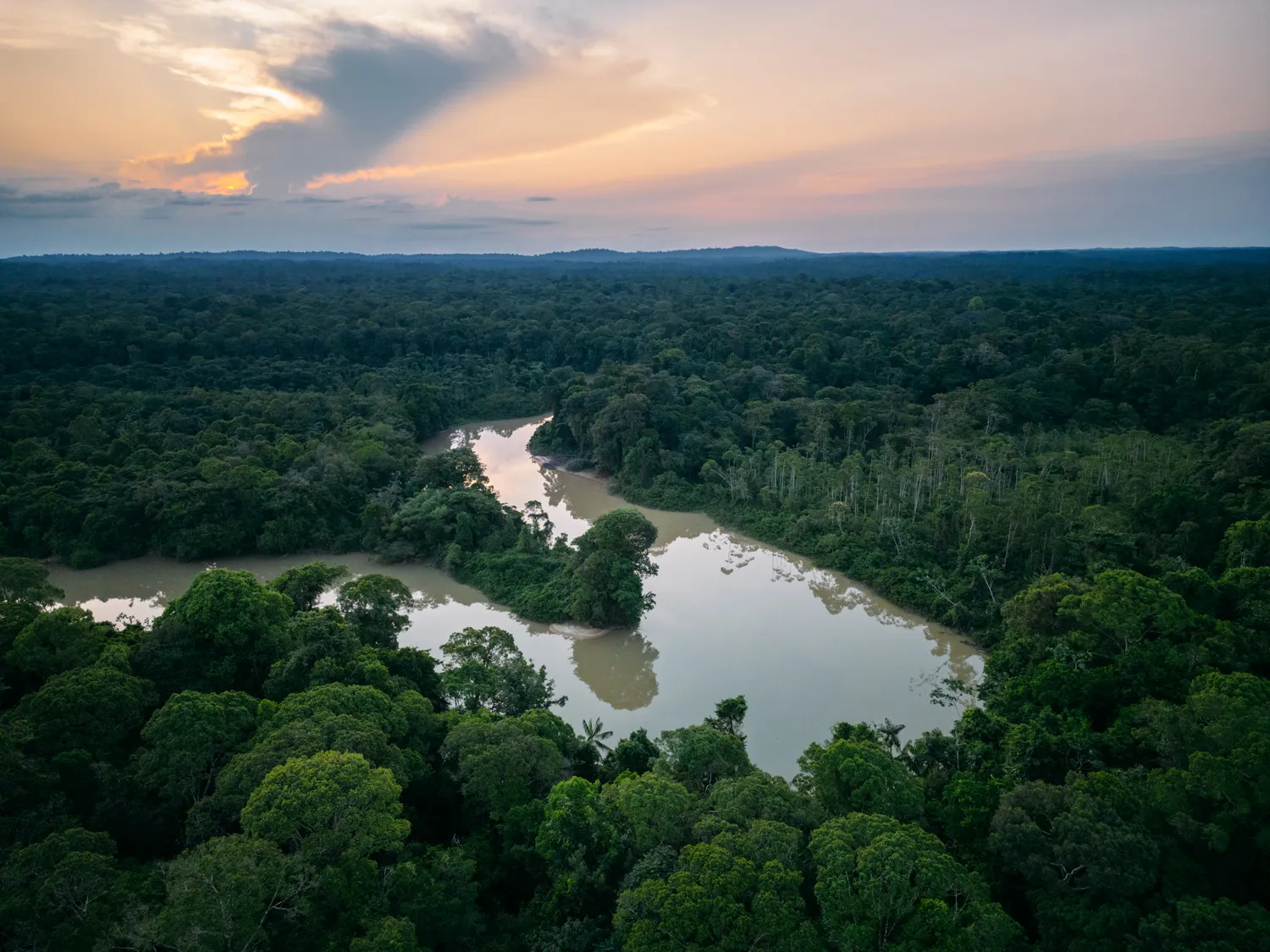
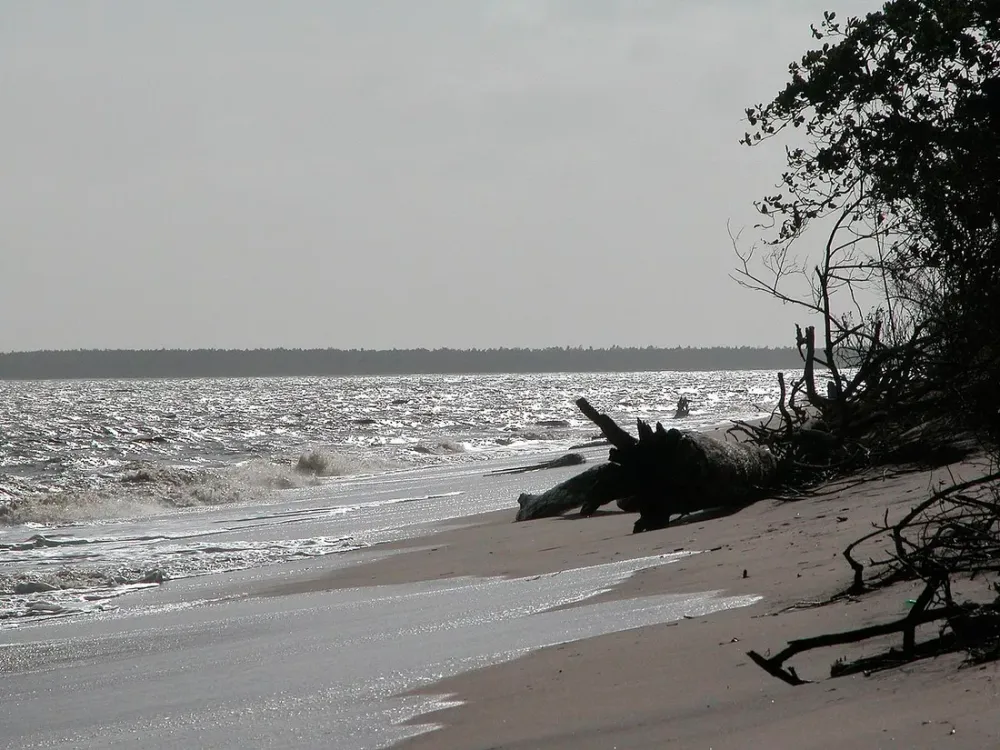
On French Guiana’s western coast, at the mouth of the Maroni River, the Kali’na village of Awala-Yalimapo lives each year to the rhythm of an event few travellers know about: the Crab Festival. When mangrove crabs leave their burrows by the thousands to head for the coast and breed, the Amerindian community celebrates this migration through an identity-rich festival blending traditional cooking, dancing and cultural transmission. If you’re planning a trip to western French Guiana, it’s the ideal opportunity to pair the discovery of the leatherback turtle nesting beaches with an authentic moment, far from the beaten track.
Why a festival dedicated to the crab in Awala-Yalimapo?
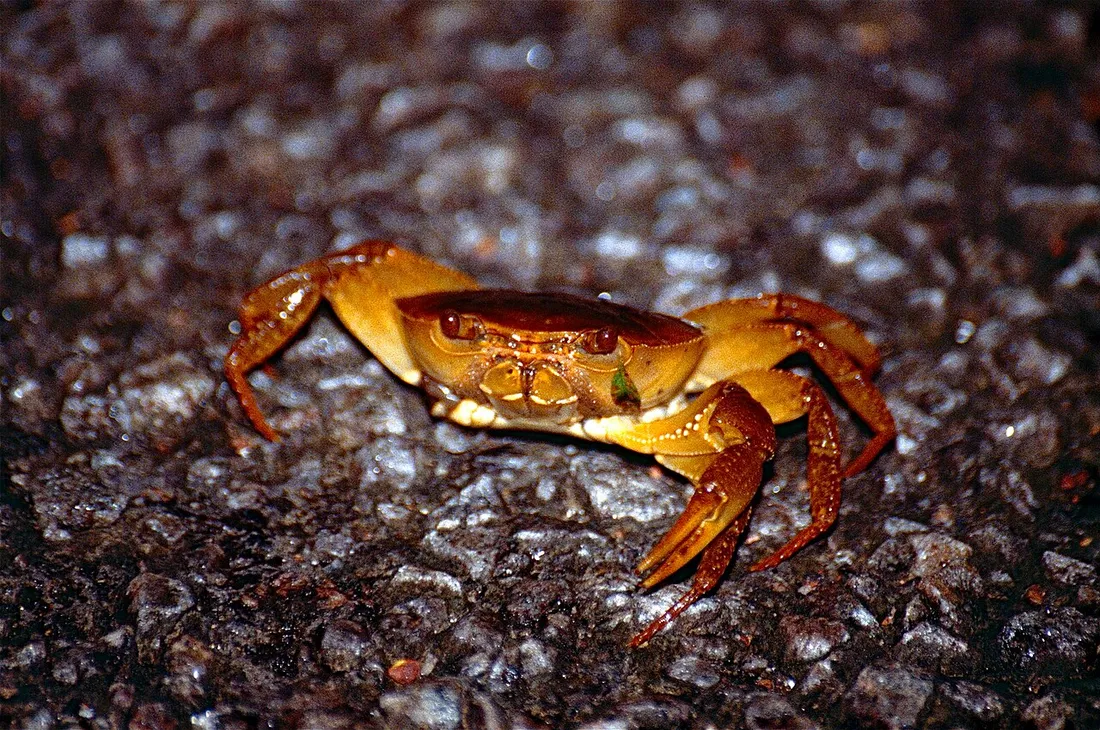
Awala-Yalimapo is the westernmost town in French Guiana, bordering Suriname. Inhabited mostly by the Kali’na (formerly known as Galibi), it maintains a deep bond with the mangrove and the estuary. The mangrove crab (Ucides cordatus, the famous local “touloulou” crab) is an ancestral food resource and a powerful cultural marker.
The festival celebrates a precise natural phenomenon: the crabs’ breeding migration. At certain times, driven by the tides and the rains, the crabs leave the mangrove en masse. This movement, vital for the ecosystem, is also a moment of measured harvesting for the locals. The festival is therefore far more than a meal: it’s an affirmation of Kali’na identity, a handing down to younger generations and a window opened to respectful visitors.
What you’ll find there
- Tastings: crab prepared the Kali’na way, calou (a thick local soup made with crab and leaves), bouillon, and side dishes of couac (cassava semolina).
- Crafts: basketry, pottery, objects made of wood and seeds—perfect for an authentic souvenir.
- Living culture: songs, traditional dances, fishing and cooking demonstrations.
- Encounters: direct exchanges with the village families, in a warm and family-friendly atmosphere.
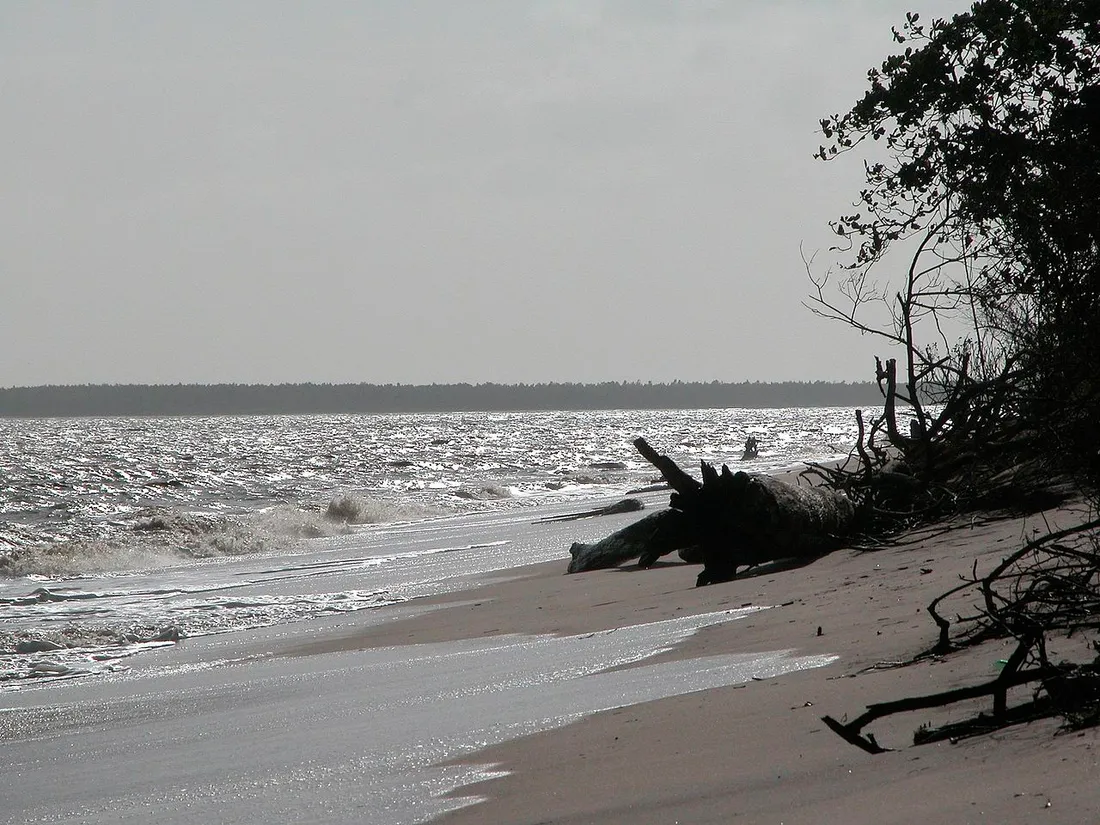
Dates: when does the Crab Festival take place?
The date isn’t fixed from one year to the next, because it follows the crabs’ biological calendar rather than a set administrative date. In practice, the festival falls during periods of heavy migration, generally in the rainy season or the inter-season, when the crab movements are most pronounced.
For a traveller, two markers are useful in practice:
- The festival is most often held in the first half of the year, around the time when crabs are abundant. The exact dates are announced each year by the Awala-Yalimapo town hall and the western French Guiana tourist office, usually only a few weeks in advance.
- It doesn’t always coincide with the best tourist season. The Guianese dry season (July to late November) remains ideal for getting around, but the Crab Festival itself can fall in the wet season. Bring clothing suited to rain and mud.
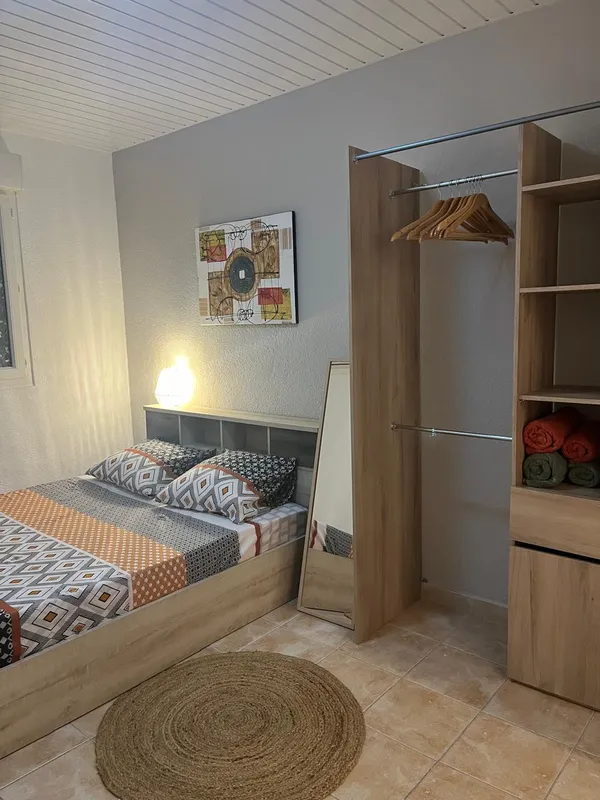
Local tip: don’t book your internal transport until the date is confirmed, but secure your accommodation early. In Awala-Yalimapo and Saint-Laurent, capacity is limited and fills up fast during events.
Good to know about seasonality
- Rainy season (December to June, with a short dry spell in March): lush vegetation, an active mangrove, abundant crabs, but frequent downpours.
- Dry season (July to late November): more passable roads, ideal for combining with leatherback turtle nesting (April to July for sightings).
- Time difference: -5h in winter and -6h in summer compared with Paris. Keep this in mind when calling the town hall or a host (dialling code +594).
Access: how to get to Awala-Yalimapo
A car is essential in French Guiana, and even more so to reach the west. Here are the realistic steps from your arrival in the territory.
From Cayenne and Félix-Éboué airport
Félix-Éboué international airport is located in Matoury, near Cayenne. From there:
- Cayenne → Saint-Laurent-du-Maroni: about 250 km on the RN1, roughly 3h to 3h30 of driving. The road is generally good but has sections to watch (animals, rain).
- Plan for a car rental straight from the airport. Expect an average of €40 to €70/day depending on the season and the model.
From Saint-Laurent-du-Maroni
Saint-Laurent-du-Maroni is the logical base for reaching Awala-Yalimapo. The penal-colony town (Camp de la Transportation) is worth a visit in its own right.
- Saint-Laurent → Awala-Yalimapo: about 40 km, or 45 minutes to 1h of driving. You pass through Mana, the last town before the Kali’na coast.
- The road is paved up to the village; the secondary tracks towards the beaches can be rougher.
Route summary
| Leg | Distance | Estimated time |
|---|---|---|
| Félix-Éboué airport → Saint-Laurent | ~250 km | 3h00 - 3h30 |
| Saint-Laurent → Mana | ~20 km | 25 min |
| Mana → Awala-Yalimapo | ~20 km | 25 min |
Tip: combine your visit with a dugout crossing of the Maroni from Saint-Laurent, and with the discovery of the nesting beaches (Les Hattes, Yalimapo) for a full weekend in the west.